Previously in the collection · c. 1978–1982
Atala
Sanremo
A racer from the marque behind the first Giro victory, carrying the style of its age right into the gear levers.
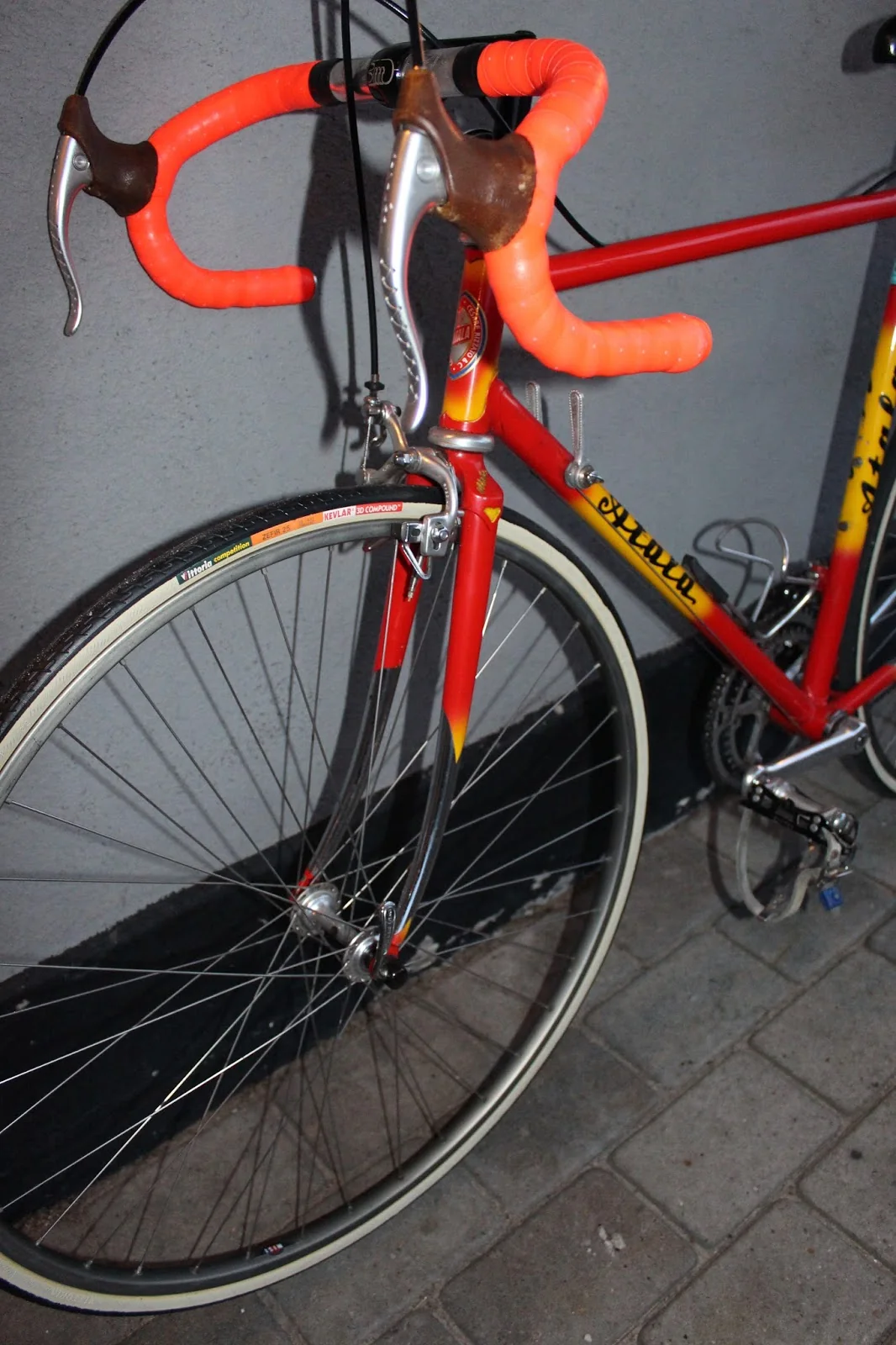
A bicycle with character
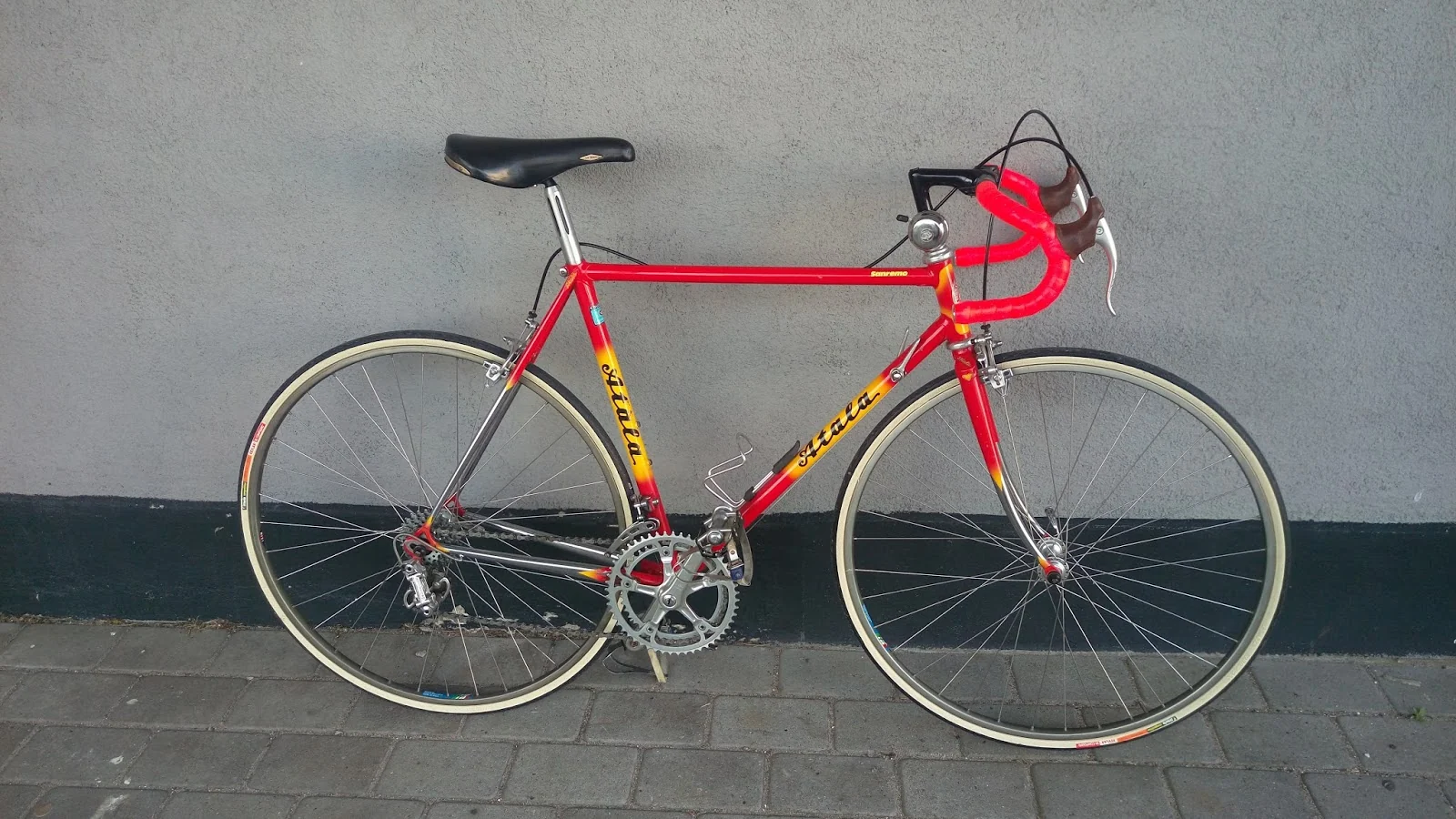
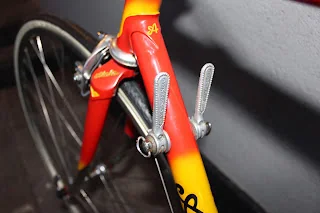
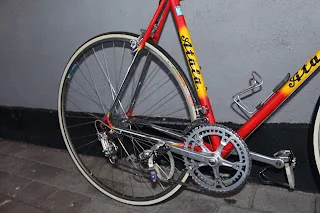
The red paint fades into yellow and black. Long, knurled friction levers stand proud of the down tube, while the orange tape makes no attempt at discretion. It is not necessarily a rare professional team bicycle. Instead, it shows what a good Italian road bicycle could look like around 1980.
From bricklayer to Giro winner
A name steeped in racing
Angelo Gatti founded Atala in Milan in 1907 after working for Bianchi. Two years later Luigi Ganna won the first Giro d’Italia on an Atala.
Ganna had worked as a bricklayer and cycled long distances to work. He won three stages in the 1909 Giro and the overall competition, then decided on points. He is associated with an earthy remark about his burning backside after the race. Whether its precise wording survived intact is uncertain, but it suits the sport’s raw pioneer age.
Carlo Galetti brought Atala another Giro victory in 1910, and its team won the special team edition in 1912. The Sanremo name on this much later bicycle evokes the same culture: Milan–San Remo, spring and the Italian road.
Steel and friction
Mechanics that can be understood
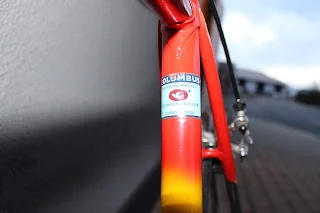
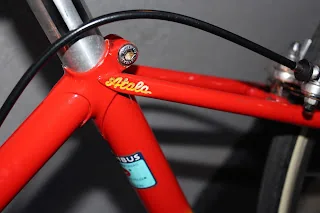
The lugged frame and slender tubes have the light silhouette of Italian racers before aluminium and carbon fibre became dominant.
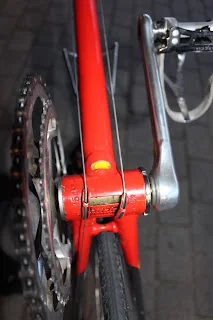
The friction shifting belongs to the Campagnolo Nuovo Record generation: the rider moves the lever, listens and finds the position by feel. Gipiemme brakes and chainset add another Italian name. Mixed groupsets were often the natural way to build a sound racing bicycle.
A precise year requires the frame number, date codes and contemporary catalogues. It is therefore cautiously dated to the late 1970s or early 1980s.
Back in the peloton
Atala returned to the leading races in the 1980s.
From 1982 Atala–Campagnolo again appeared as a professional team under Franco Cribiori. Swiss sprinter and track rider Urs Freuler won 14 Giro stages for Atala and the points competition in 1984.
That does not make this Sanremo a team bicycle. It places it in a period when Atala again appeared in Giro television pictures and Italian manufacture still marked both the peloton and ordinary roads.
The Sanremo need not have belonged to a champion to matter. It is a recognisable piece of Italian cycling culture, built to be ridden and adjusted by fingertips.
← Back to the bicycles