The people behind cycling · Team management · 2001–2009
When Bjarne Riis built Team CSC
Bjarne Riis took over a Danish team with uncertain finances. During the decade it became an international organisation that won the Tour with Carlos Sastre.
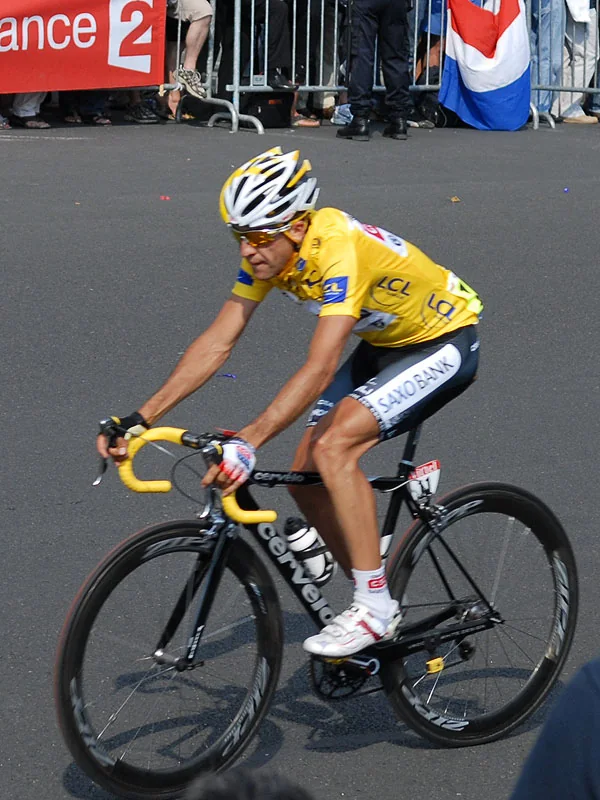
Bjarne Riis took over a Danish team with uncertain finances. During the decade it became an international organisation that won the Tour with Carlos Sastre.
A team changes hands
After retiring, Riis entered the management of the Danish team previously known as Home–Jack & Jones and Memory Card–Jack & Jones. CSC sponsorship from 2001 gave it an international framework, but a name alone did not produce results.
Roles and preparation
Riis assembled riders, directors, coaches and technicians around a more fixed working method. Training data, equipment testing and carefully planned programmes became routine. These trends belonged to the whole sport, but Team CSC made them part of its public identity.
Team spirit away from the bicycle
Survival camps led by former special-forces soldier B.S. Christiansen became famous. They were not cycling training, but tests of communication, responsibility and behaviour under pressure. Some riders found value in them; others were less enthusiastic.
Victory on Alpe d’Huez
In 2008 Carlos Sastre attacked on Alpe d’Huez, took yellow and defended it in the time trial. The Tour victory became the clearest sporting high point of Riis’s team.
A complicated legacy
In 2007 Riis admitted using EPO as a rider in the 1990s. That changed how his leadership was viewed. The CSC story contains both skilled organisation and the distrust surrounding professional cycling in this period.
Sources
Continue exploring
More from cycling history
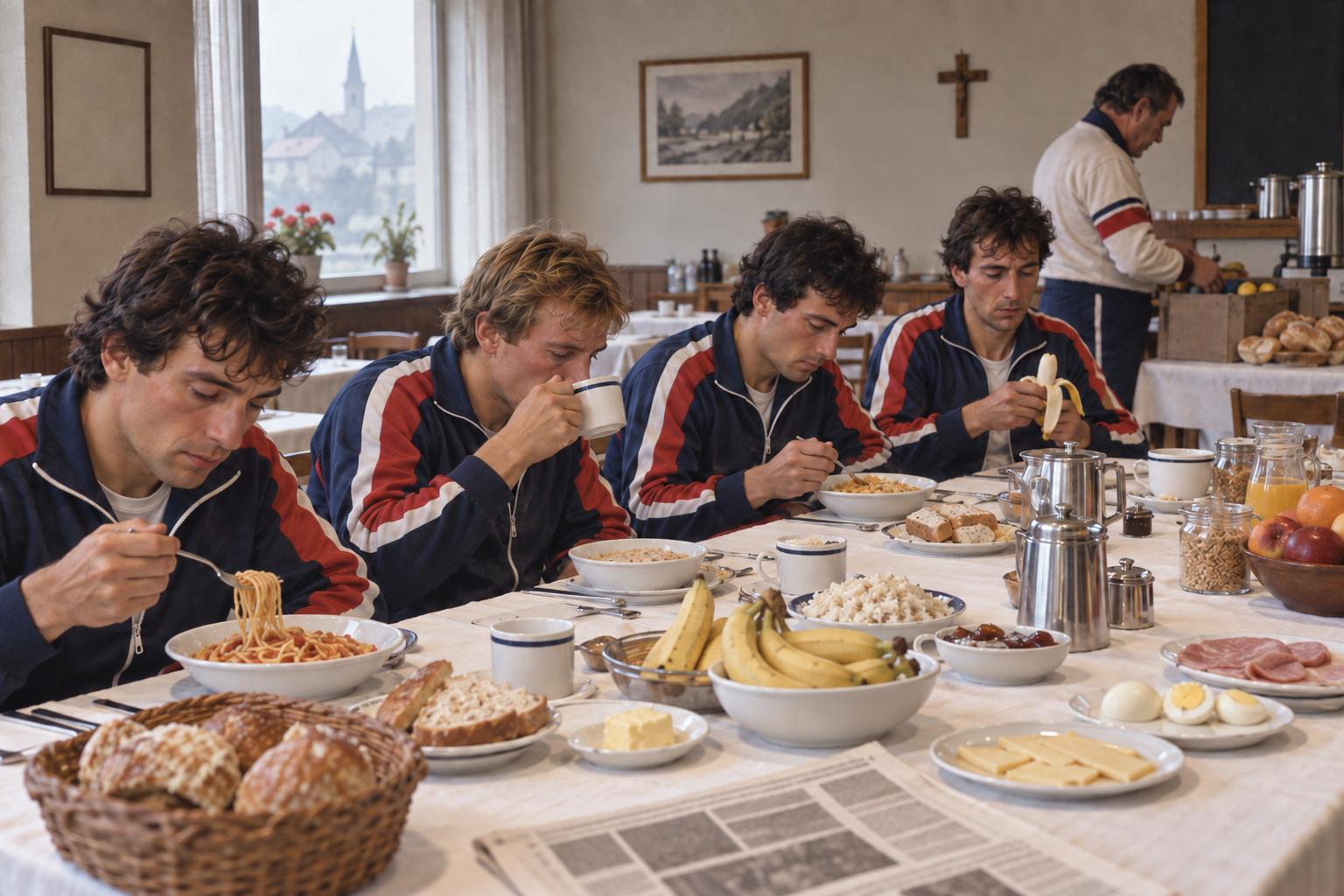
When pasta took over the breakfast table
Steak did not vanish in a morning, but during the 1980s carbohydrate became something teams could measure, mix into bottles and put on the plate.
Read the story →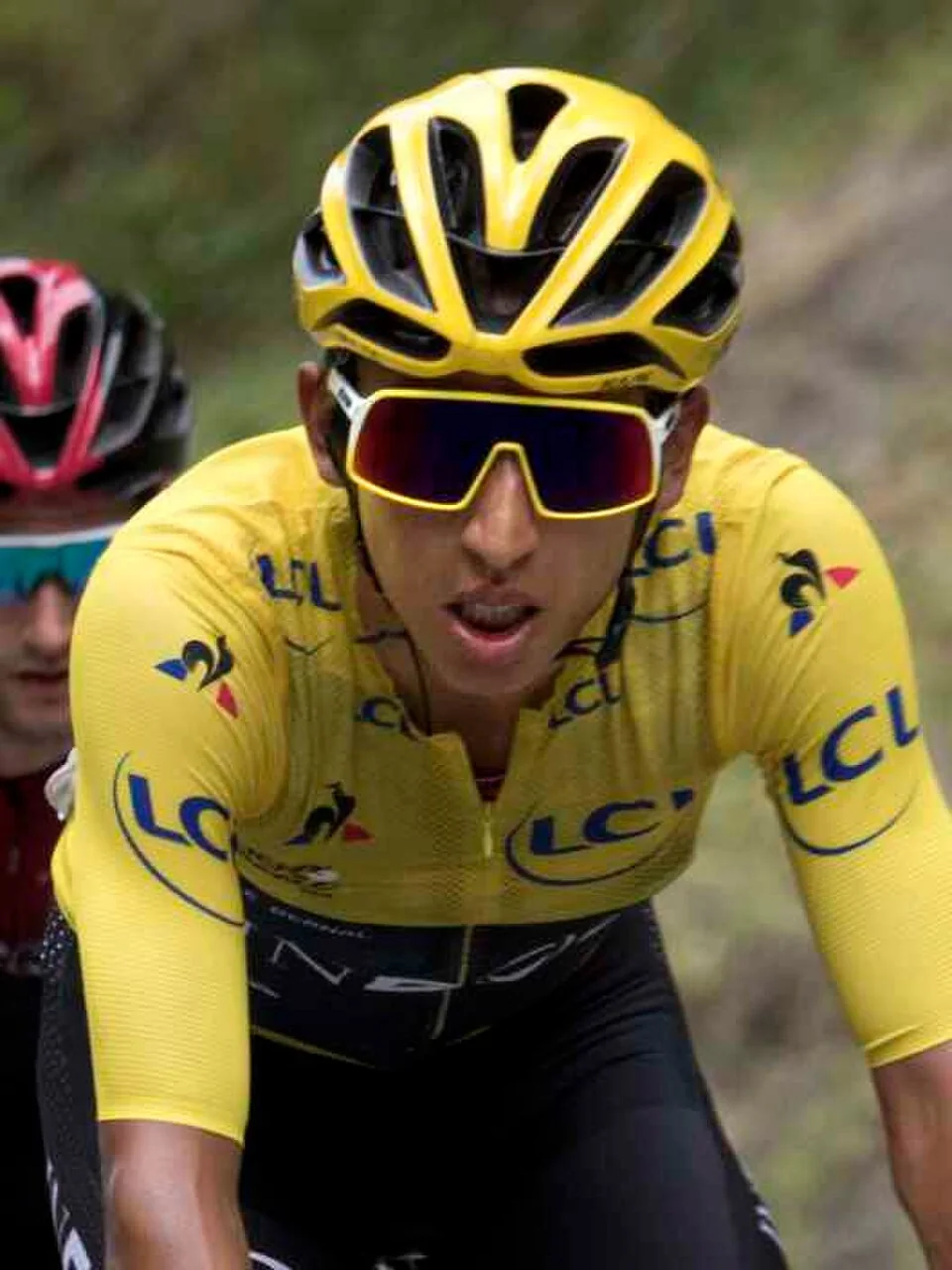
When a Tour stage ended without a finish line
Egan Bernal attacked on the Col de l’Iseran as hail and a landslide made the road to Tignes impassable and stopped the stage.
Read the story →
When cycling became a control room
See the races, people, bicycles and changes that shaped the period.
Explore the period →