Races and defining moments · Tour de France · 2019
When a Tour stage ended without a finish line
Egan Bernal attacked on the Col de l’Iseran. Farther ahead, hail and a landslide made the road to Tignes impassable, and the race had to be stopped.
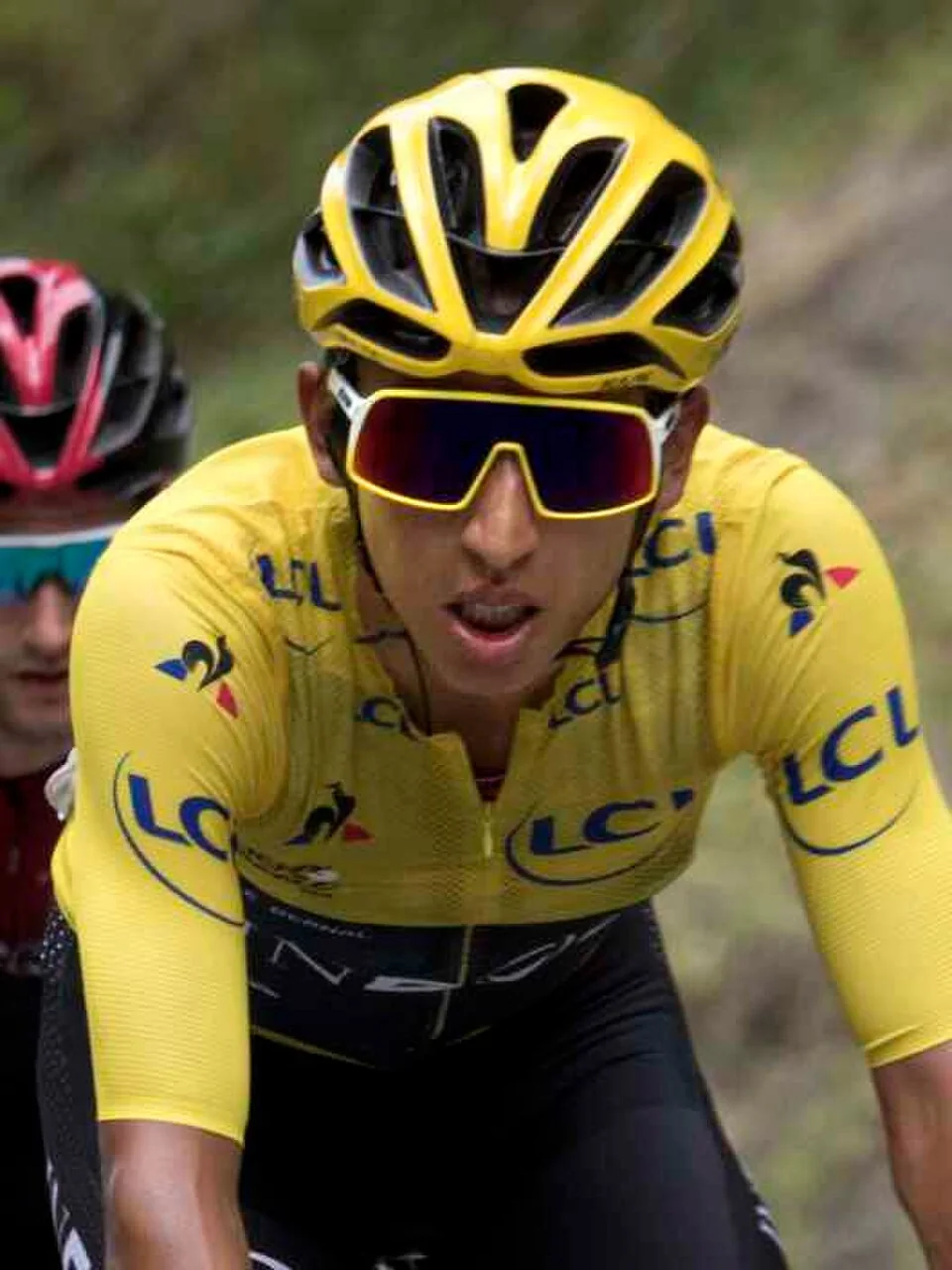
Egan Bernal attacked on the Col de l’Iseran. Farther ahead, hail and a landslide made the road to Tignes impassable, and the race had to be stopped.
The attack on the Iseran
On stage 19, Bernal attacked towards the Col de l’Iseran. Yellow-jersey holder Julian Alaphilippe was in difficulty while Bernal crossed the summit first and began the descent with a chance to take the race lead.
The road disappeared ahead
A violent storm struck farther along the route. Hail covered the tarmac, and mud and water made the road towards Tignes impassable. Riders first saw officials waving them to the side. The explanation came later.
Times from the summit
Race officials used the times at the Col de l’Iseran. No stage winner was declared, but the time gaps counted for the general classification. Bernal took yellow, while Alaphilippe’s long defence ended without the planned final climb.
A race without its usual ending
Stage racing depends on fixed points: a start, checkpoints and a finish line. At Tignes, safety mattered more than the format. The decision produced an unusual result, but the alternative was to send the peloton onto a road that was no longer passable.
Bernal’s Tour
The next Alpine stage was also shortened because of weather. Bernal kept the lead to Paris and, at 22, became the first Colombian Tour winner. His decisive attack ended not beneath a finish banner, but at a timing point on a mountain pass.
Sources
Continue exploring
More from cycling history
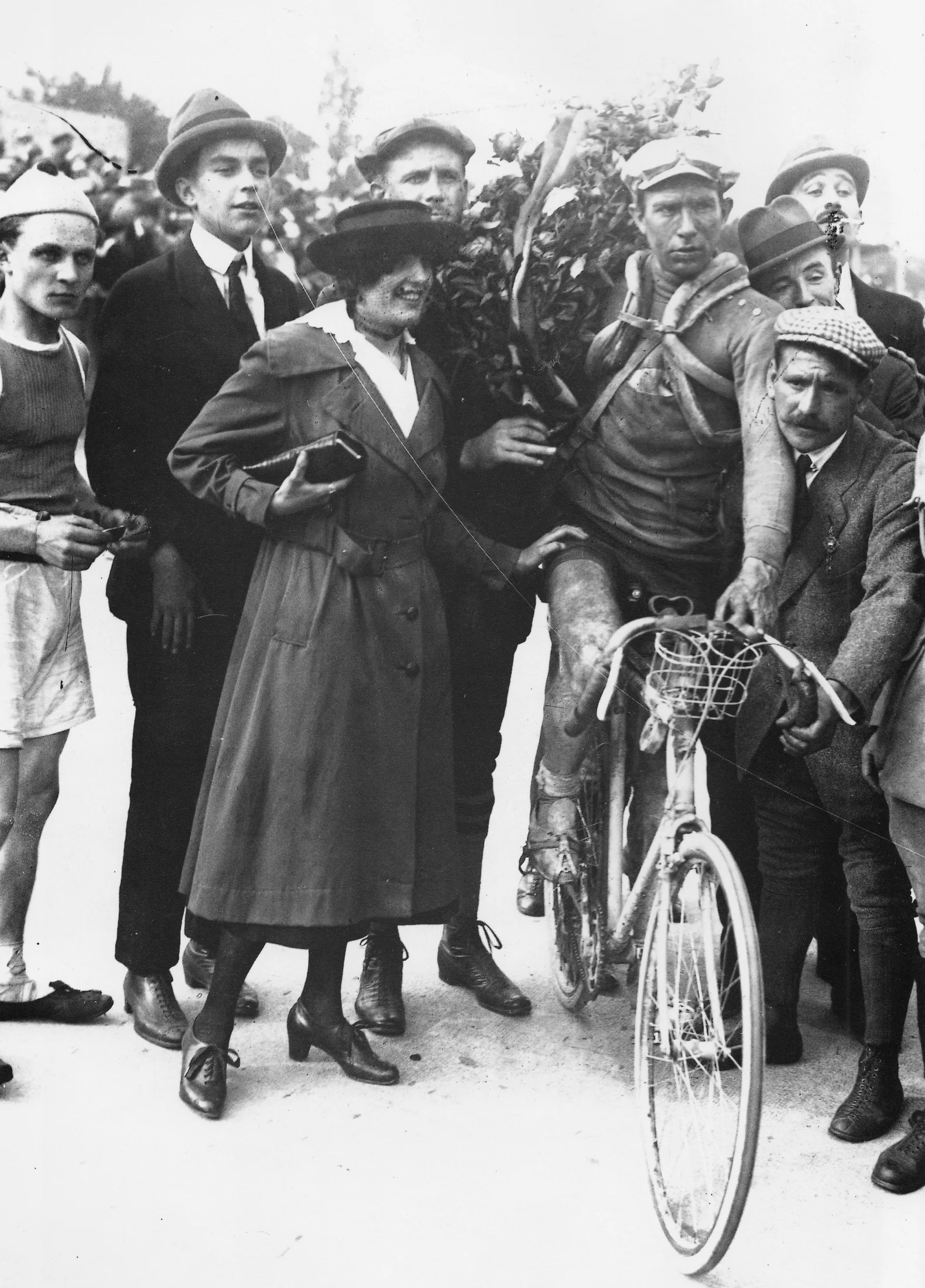
Cheating, nails and chaos at the 1904 Tour de France
The scandal that nearly killed the Tour, and the road from travelling circus to organised sport.
Read the story →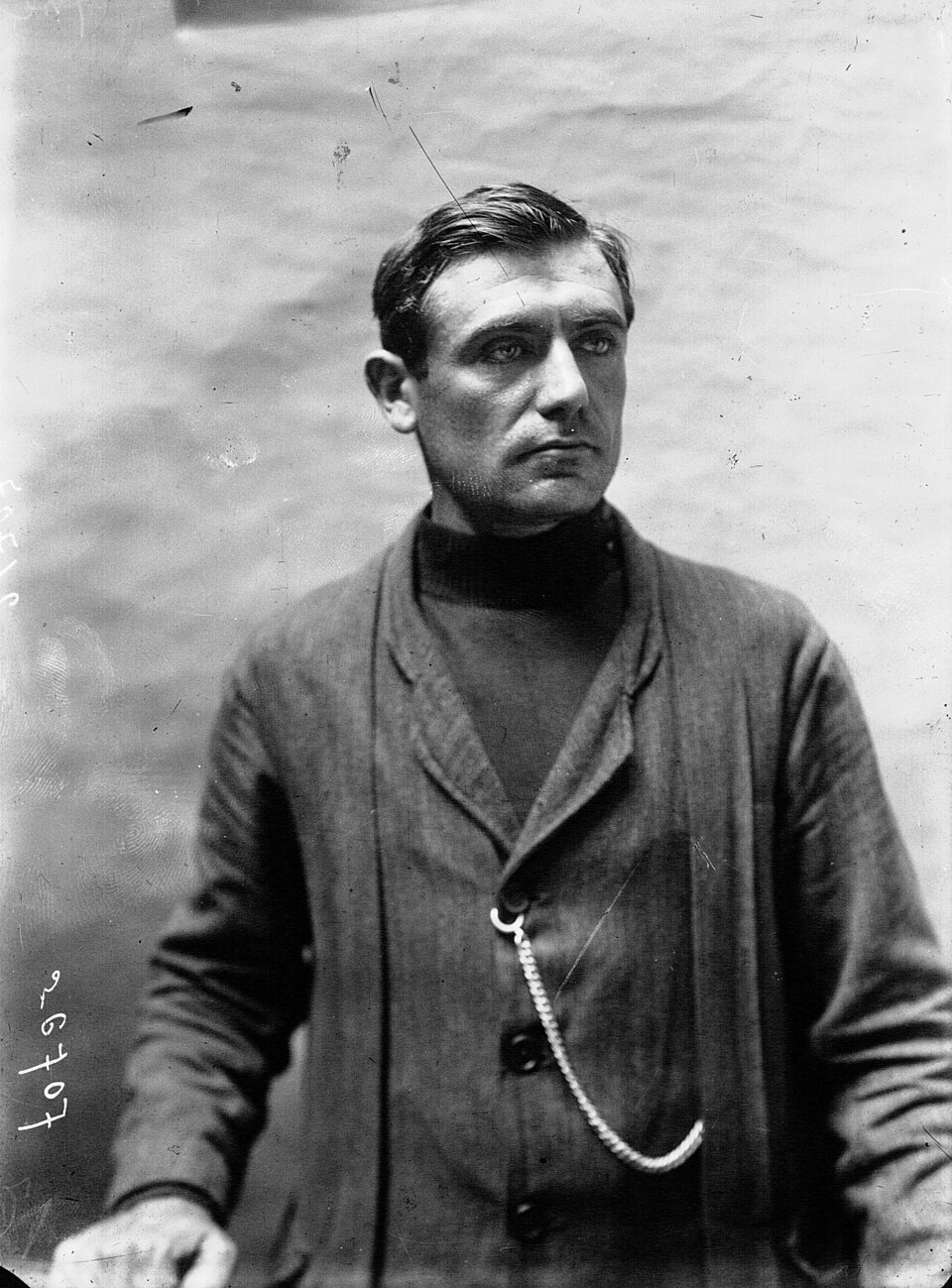
When the rider was his own mechanic
Early Tour riders repaired their own bicycles. From Christophe at the forge to neutral service, the tools gradually moved into the following cars.
Read the story →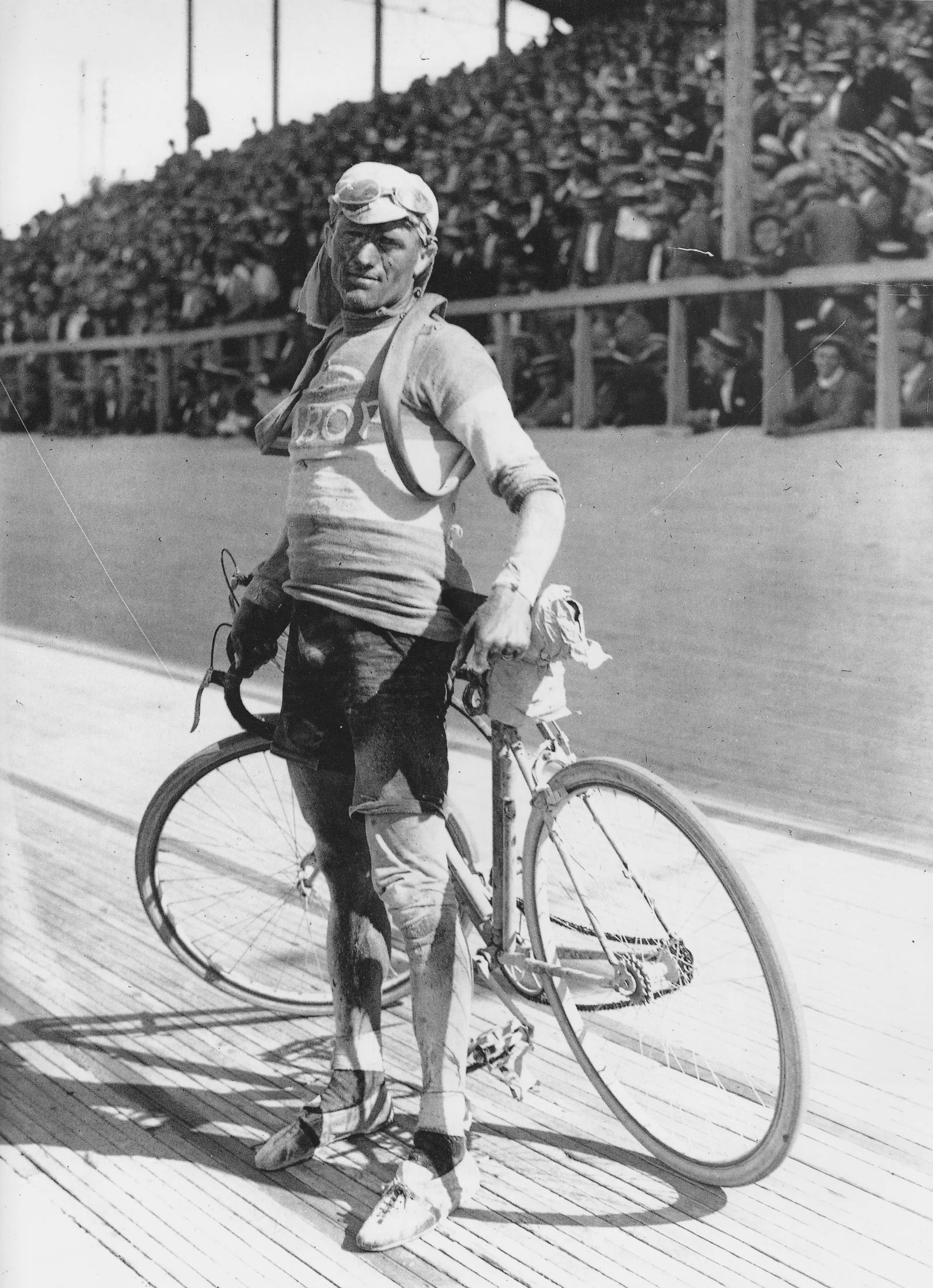
Pioneers and endurance
See the races, people, bicycles and changes that shaped the period.
Explore the period →