Story · Tour de France 1904
Cheating, nails and a Tour de France in chaos
When road racing acquired its greatest race, rules already existed. The problem was enforcing them across hundreds of kilometres of dark road.
The Tour begins
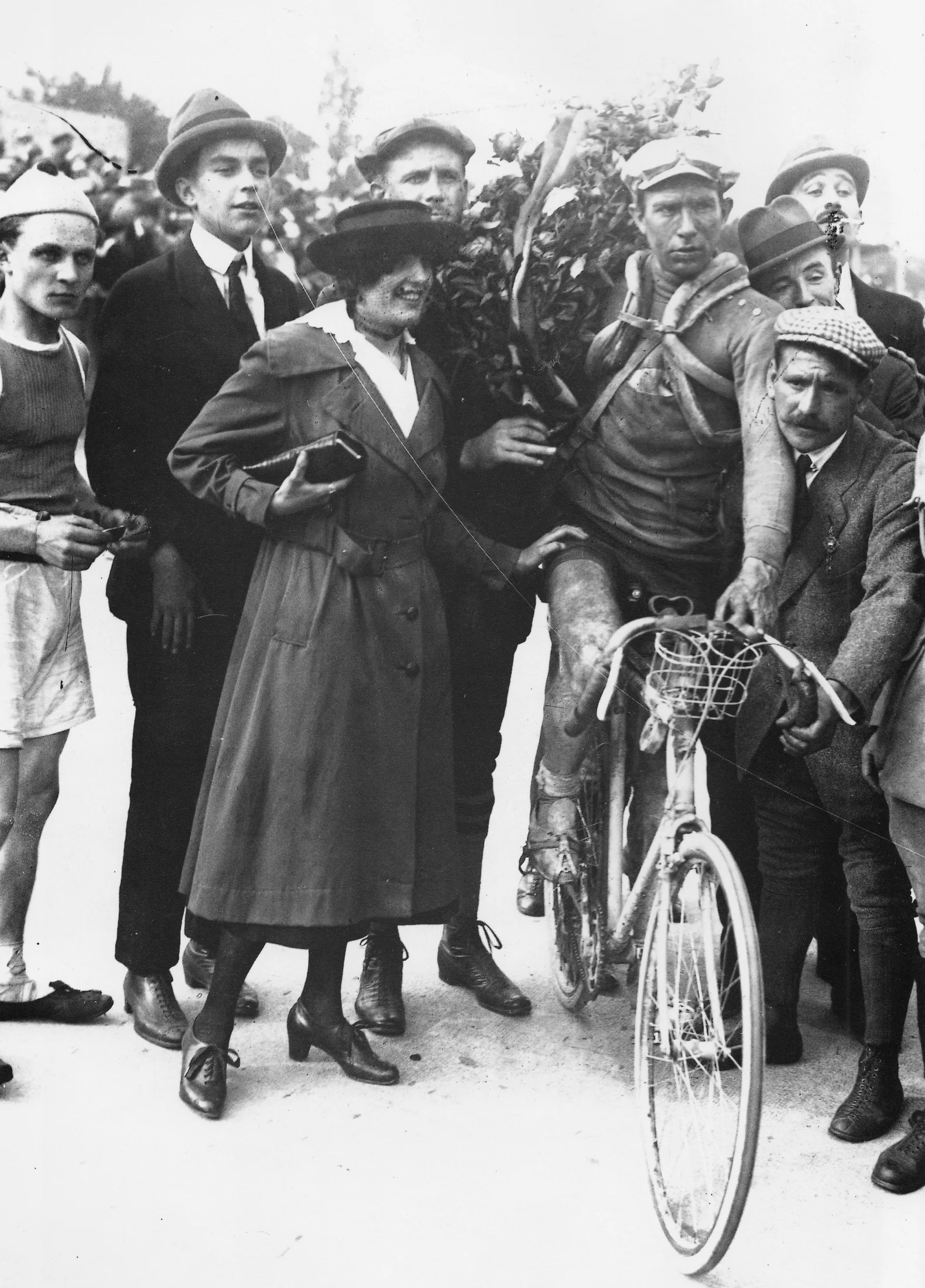
The first Tour de France in 1903 consisted of six enormous stages and more than 2,400 kilometres. Several stages began or ended at night. Officials waited at selected checkpoints, but much could happen between them.
Between the checkpoints
Rules on an empty road
Riders were accused of holding on to cars, taking trains, receiving spare parts or having friends send rivals in the wrong direction. Spectators were not neutral either. Local heroes had fanatical supporters who might block the road or threaten rivals.
This does not mean everyone cheated freely. A race official simply could not watch the whole route. Many decisions relied on witnesses, rumours and conflicting accounts. A rider could be pushed uphill by the crowd and later claim that he had tried to break free.
Tour de France 1904
The scandal that nearly killed the race
The second Tour descended into chaos. On the Col de la République, spectators tried to help local rider Antoine Fauré by blocking and attacking his rivals. Nails were scattered elsewhere, and several riders were suspected of taking trains or receiving extensive hidden assistance.
Maurice Garin reached Paris first, but after months of investigation the French cycling federation disqualified the first four: Maurice Garin, Lucien Pothier, César Garin and Hippolyte Aucouturier. Stage winners also lost their results.
Nineteen-year-old Henri Cornet was declared the winner and remains the Tour’s youngest overall winner. The exact offences behind every disqualification were never fully published. Organiser Henri Desgrange angrily declared that the Tour was finished — but it returned the following year with revised rules and tighter control.
Rider and mechanic
Alone with a broken bicycle
One of the harshest ideals of the pioneering period was that riders repaired their own bicycles. The best-known example came in the 1913 Tour when Eugène Christophe broke his fork on the descent from the Col du Tourmalet.
He walked several kilometres with the bicycle on his shoulder to a forge in Sainte-Marie-de-Campan and repaired the fork himself under supervision. When a boy helped with the bellows, Christophe was even penalised for accepting assistance. A champion had to be cyclist, mechanic, blacksmith and rescuer.
From circus to sport
Suffering became part of the product
The major races were created by newspapers, bicycle manufacturers, velodrome owners and promoters seeking to sell newspapers, tickets and bicycles. Five hundred kilometres, a night on dreadful roads or six days on a wooden track showed that both human and machine could pass familiar limits.
Rules became clearer, control improved and assistance grew more organised. Yet the image of the solitary, suffering cyclist survived. In 1924, journalist Albert Londres called Tour riders les forçats de la route — the convicts of the road. The phrase came later, but captured the culture created by the pioneering races.
The sport has become more civilised. Even so, the Wild West can still be glimpsed when riders hit the cobbles of Paris–Roubaix or continue after a crash. Somewhere beneath carbon fibre, team radios and electronic gears, the pioneering years remain.
Editorial note
This story brings together the period’s technical and human development. Some famous anecdotes survive in several versions; uncertainty is stated where the documentation is incomplete.
Continue exploring
More from cycling history
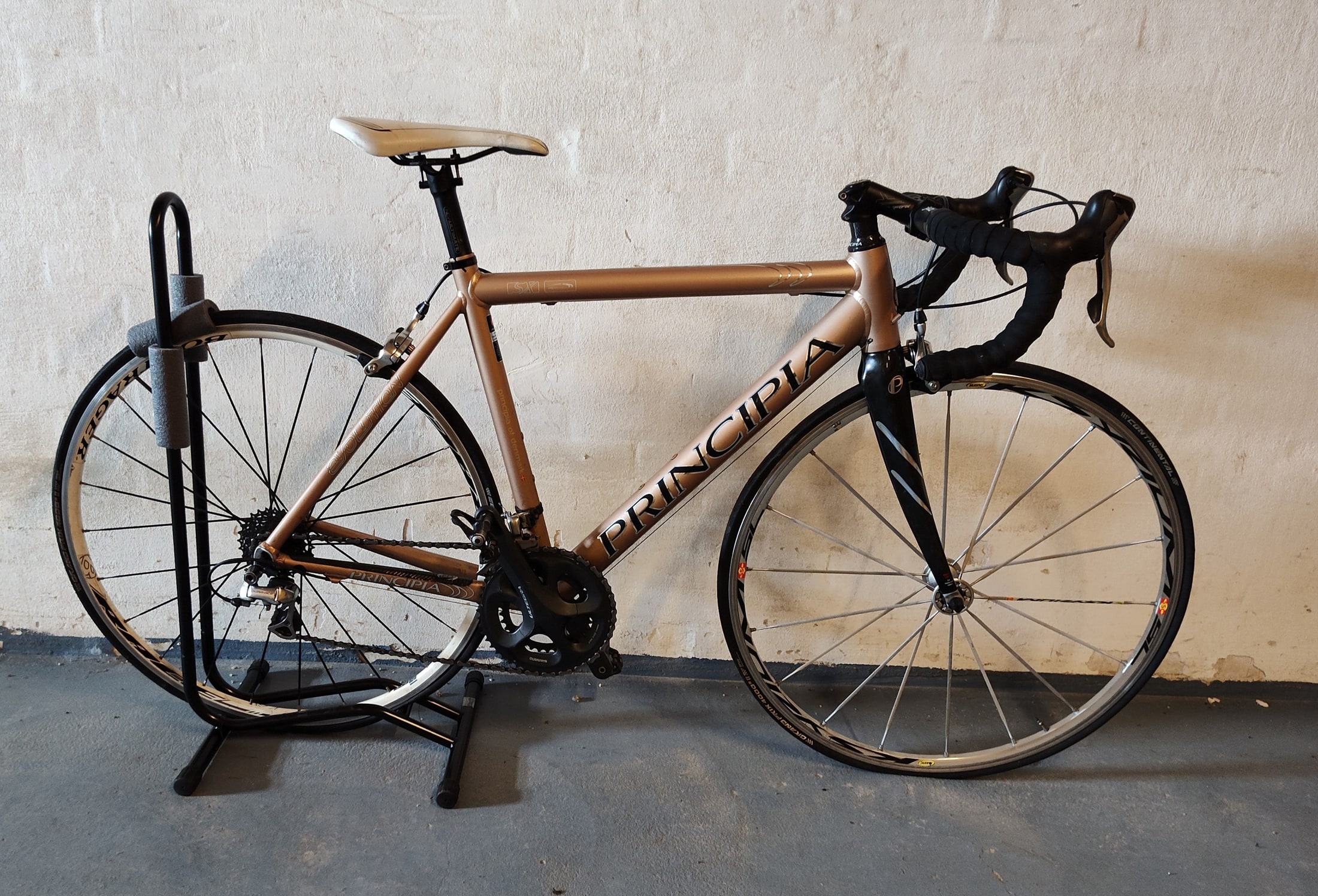
Principia and the Danish aluminium dream
Three triathletes in Aalborg began welding the aluminium frames they could not afford to buy. Within a few years, Principia was racing far beyond the basement workshop.
Read the story →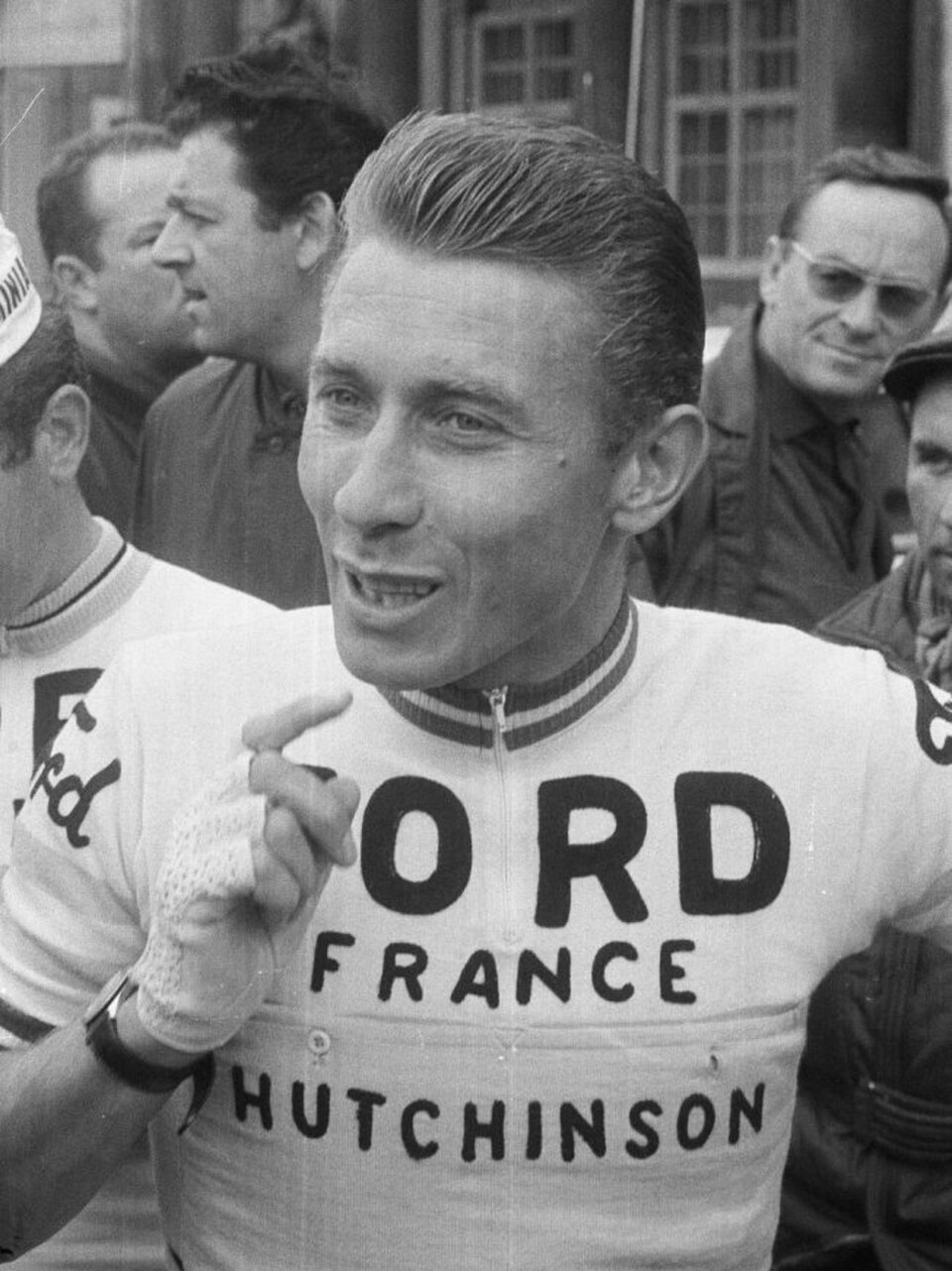
The tailor beneath the Vigorelli
Faliero Masi built bicycles beneath Milan’s velodrome and fitted them to riders including Anquetil, Van Looy and Merckx – often with another name on the down tube.
Read the story →
When the racing bicycle became modern
See the races, people, bicycles and changes that shaped the period.
Explore the period →