The people behind cycling · Frame building · 1949–1969
The tailor beneath the Vigorelli
Faliero Masi worked in a small shop beneath the stands of Milan’s Vigorelli velodrome. Riders were measured, steel was cut and famous bicycles left carrying other names.
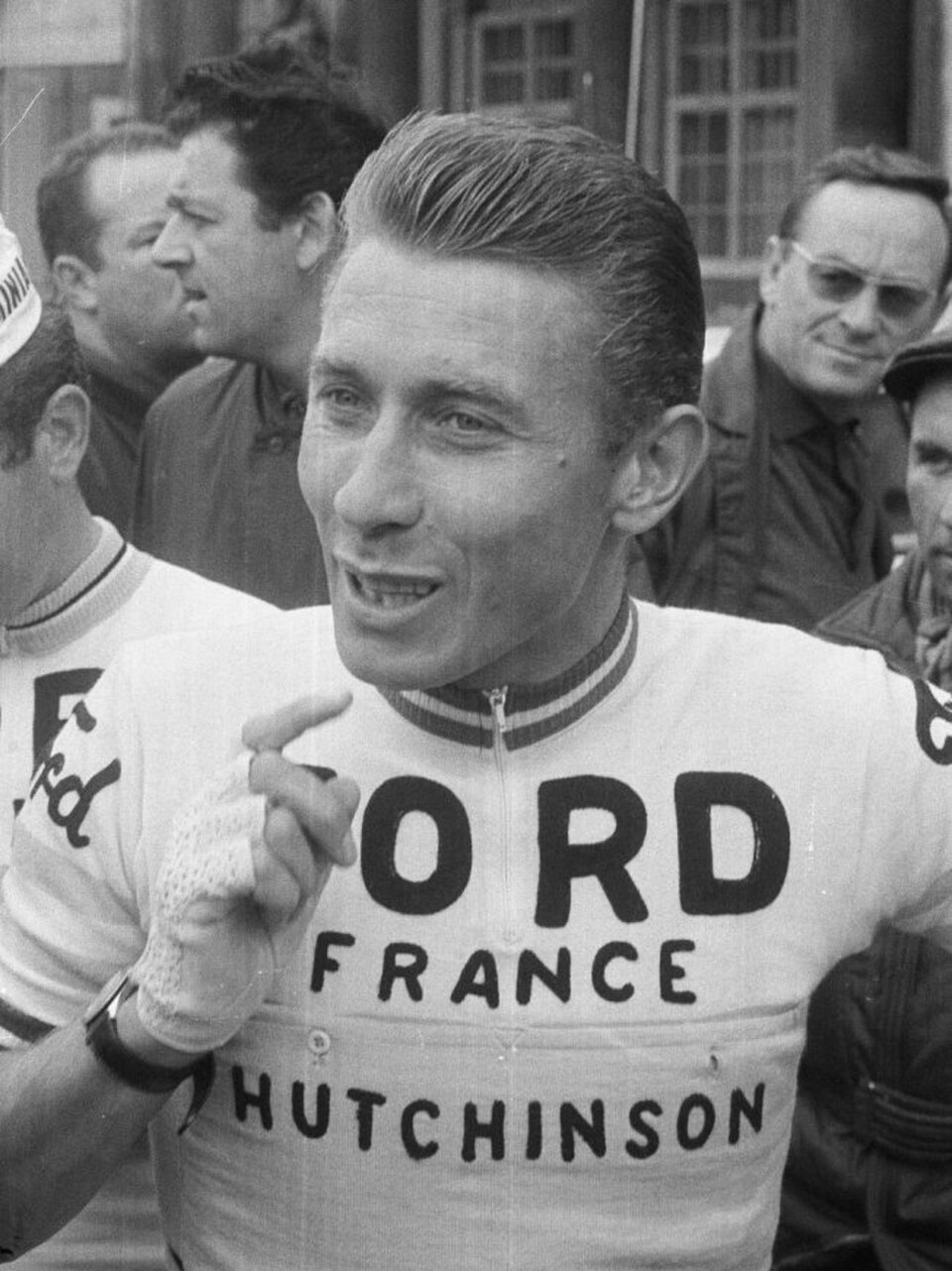
Faliero Masi worked in a small shop beneath the stands of Milan’s Vigorelli velodrome. Riders were measured, steel was cut and famous bicycles left carrying other names.
The shop lay beneath the banking
The Vigorelli was more than a steep wooden track. Beneath its stands were changing rooms, storage and, from 1949, Faliero Masi’s workshop. When riders trained overhead, Masi could hear the track and see the people his bicycles had to fit. He had raced and worked as a mechanic, experience that taught him a frame needed more than correct numbers on paper. It had to work beneath a particular body.
They called him the tailor
Masi became known as il sarto, the tailor. The comparison concerned fit. He measured legs, torso, shoulders and position and adjusted tube angles and lengths so a rider could work naturally. Steel rule, angle finder, observation and experience came before laser fitting. Two riders of equal height did not necessarily need the same bicycle. One sat low and still; another moved constantly.
Anquetil’s bicycle did not suit the track
Before Jacques Anquetil’s 1956 hour attempt, his original bicycle proved unsuitable for the Vigorelli’s tight bends, according to the velodrome’s history. Masi rapidly built another. On 29 June Anquetil covered 46.159 kilometres and beat Fausto Coppi’s record. However colourful later retellings became, the essential point is firm: Masi built the record bicycle, and local frame-building knowledge directly affected a world record.
The down-tube name was not always Masi
Professional teams contracted bicycle sponsors. A rider could therefore use a custom Masi frame carrying the sponsor’s transfer. The practice was neither unique to Masi nor necessarily a great secret within the peloton. It shows the difference between the brand the public saw and the craftsman who selected the geometry and joined the tubes. Mechanics knew the difference; they maintained the bicycle afterwards.
The 1960s passed through the door
Masi built for Federico Bahamontes around his 1959 Tour victory and for Gastone Nencini in 1960. Rik Van Looy, Antonio Maspes and later Eddy Merckx followed. This does not make every one of their bicycles or victories a Masi product; teams, manufacturers and seasons changed. It does make the shop a junction where professionals could correct a position or order a frame for a particular task.
A steel frame was a collaboration
Good tubes were only the beginning. Mitres had to meet, lugs had to fit, brazing had to heat the joint without damaging the steel and the rear triangle had to be aligned. Then came paint, components and the rider’s first test. If the bicycle felt wrong, the drawing was not finished simply because the paint was dry. Working close to riders and mechanics allowed experience to return quickly to the bench.
The man behind another name
Today, Masi is plainly written on collectors’ bicycles. In the 1960s peloton his work could remain beneath a sponsor’s logo. That suited the mechanic’s role: the performance needed to be visible; its maker did not. Beneath the Vigorelli, Faliero Masi could switch on the workshop light and alter a dimension by a few millimetres. Above him, those millimetres might become a world record or simply a better working day.
Sources
Continue exploring
More from cycling history
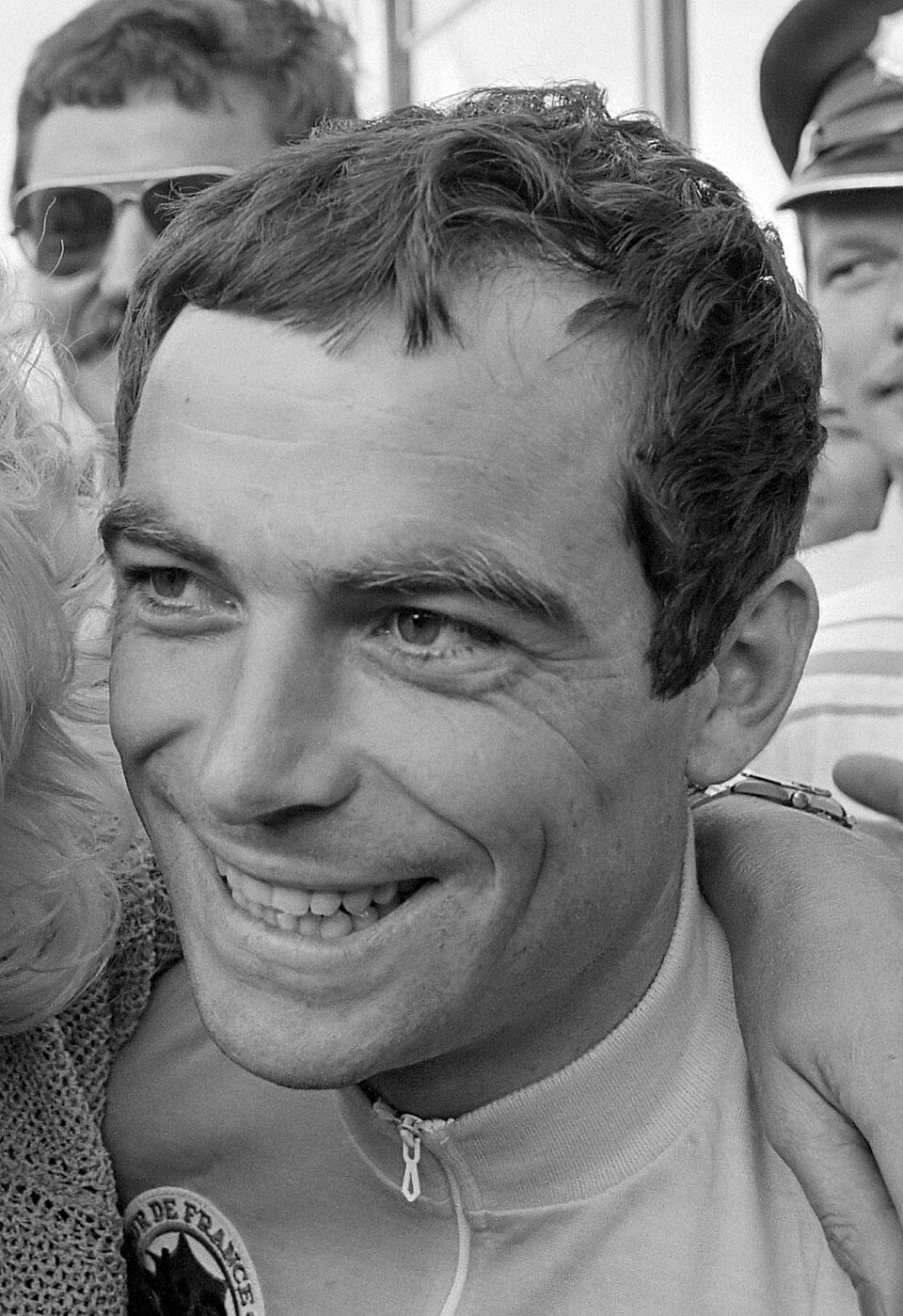
The day snow emptied Liège–Bastogne–Liège
A field of 174 began in the cold and only 21 finished, while Bernard Hinault rode roughly 80 kilometres alone and suffered lasting damage to his hands.
Read the story →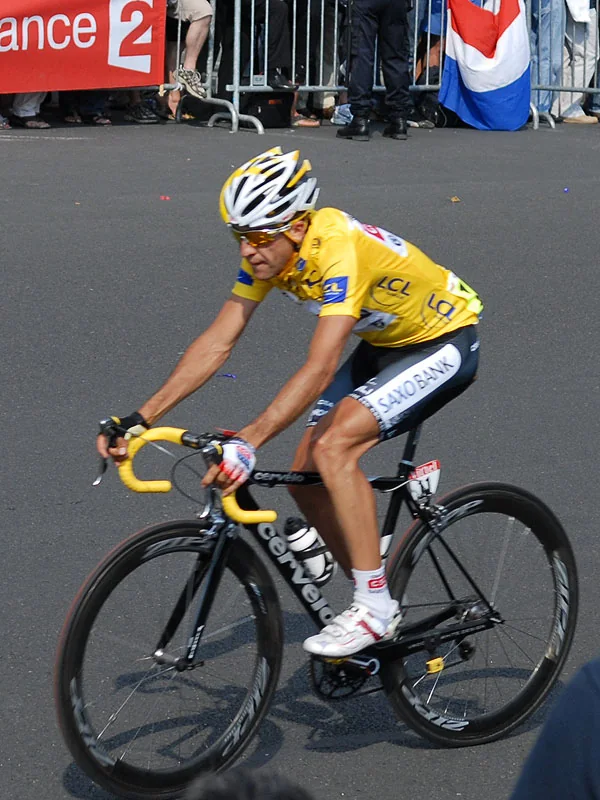
When Bjarne Riis built Team CSC
A struggling Danish team became an international organisation built around clear roles, training data and a team spirit tested far from the road.
Read the story →
When the computer took over the bicycle
See the races, people, bicycles and changes that shaped the period.
Explore the period →