The period 2010–2019
When the computer took over
the bicycle
Carbon, electronic shifting and power measurement made the bicycle a precise instrument. Yet the decade’s strangest Tour image was a man running up Mont Ventoux in cycling shoes without his bicycle.
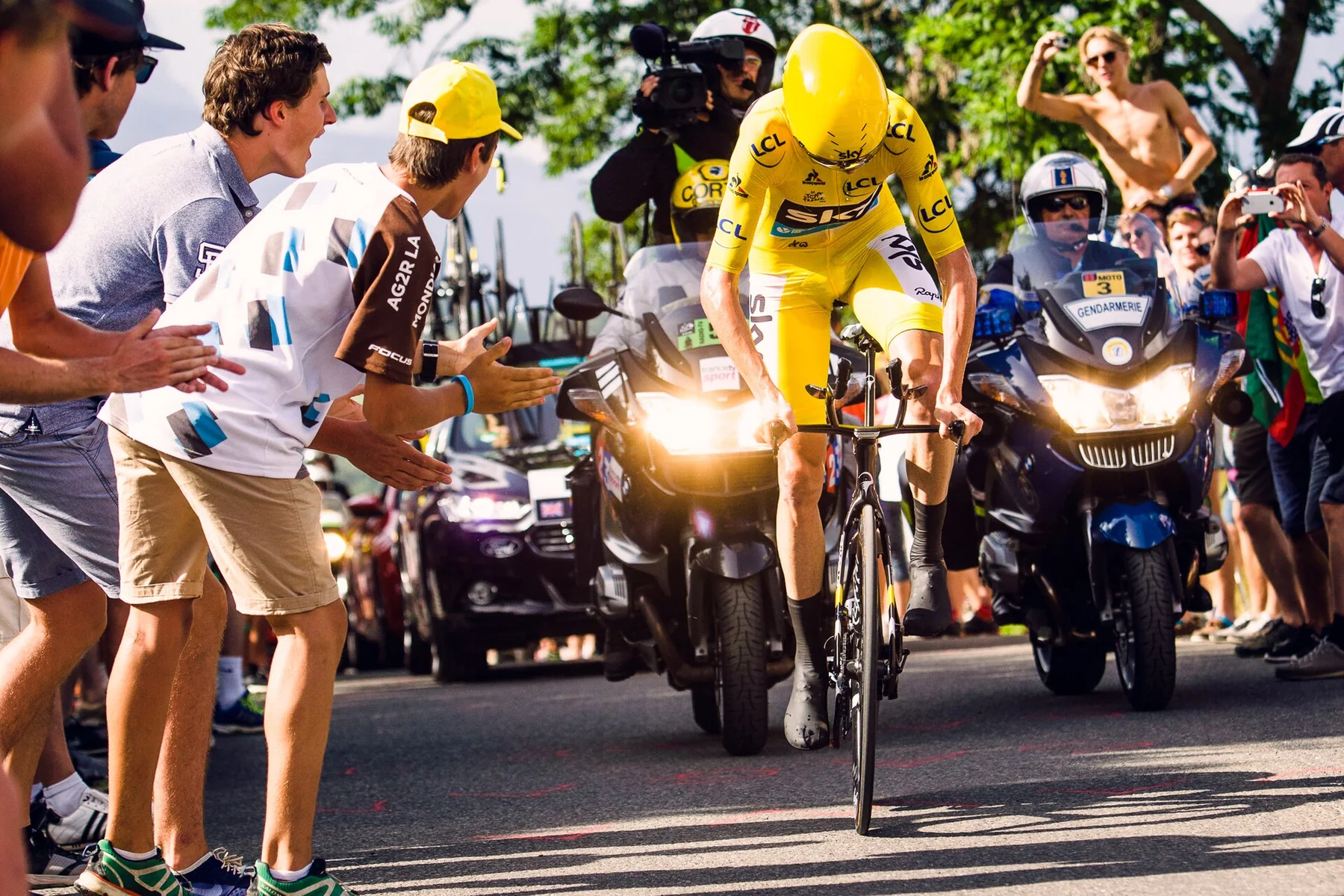
Mont Ventoux · 2016
A camera motorcycle stopped in the crowd. Richie Porte and Bauke Mollema hit it, Chris Froome’s bicycle broke, and the yellow jersey began running up the mountain.
The common period model
The 2010s in three views
The decade’s main development
Carbon became a complete platform for aerodynamics, electronic shifting, disc brakes and increasingly integrated components.
What defined the period
Team Sky’s marginal gains, power-based racing and digital cycling culture existed beside continued argument about trust and medical practice.
Three changes to cycling
- Electronic shifting became normal
- Wireless gears removed the final cable
- Strava and indoor platforms connected training, competition and social life
Selected events
A short timeline
- Cancellara wins Flanders and Roubaix as aerodynamics and power data become standard tools.
- Cadel Evans becomes the first Australian Tour winner; Campagnolo launches electronic EPS.
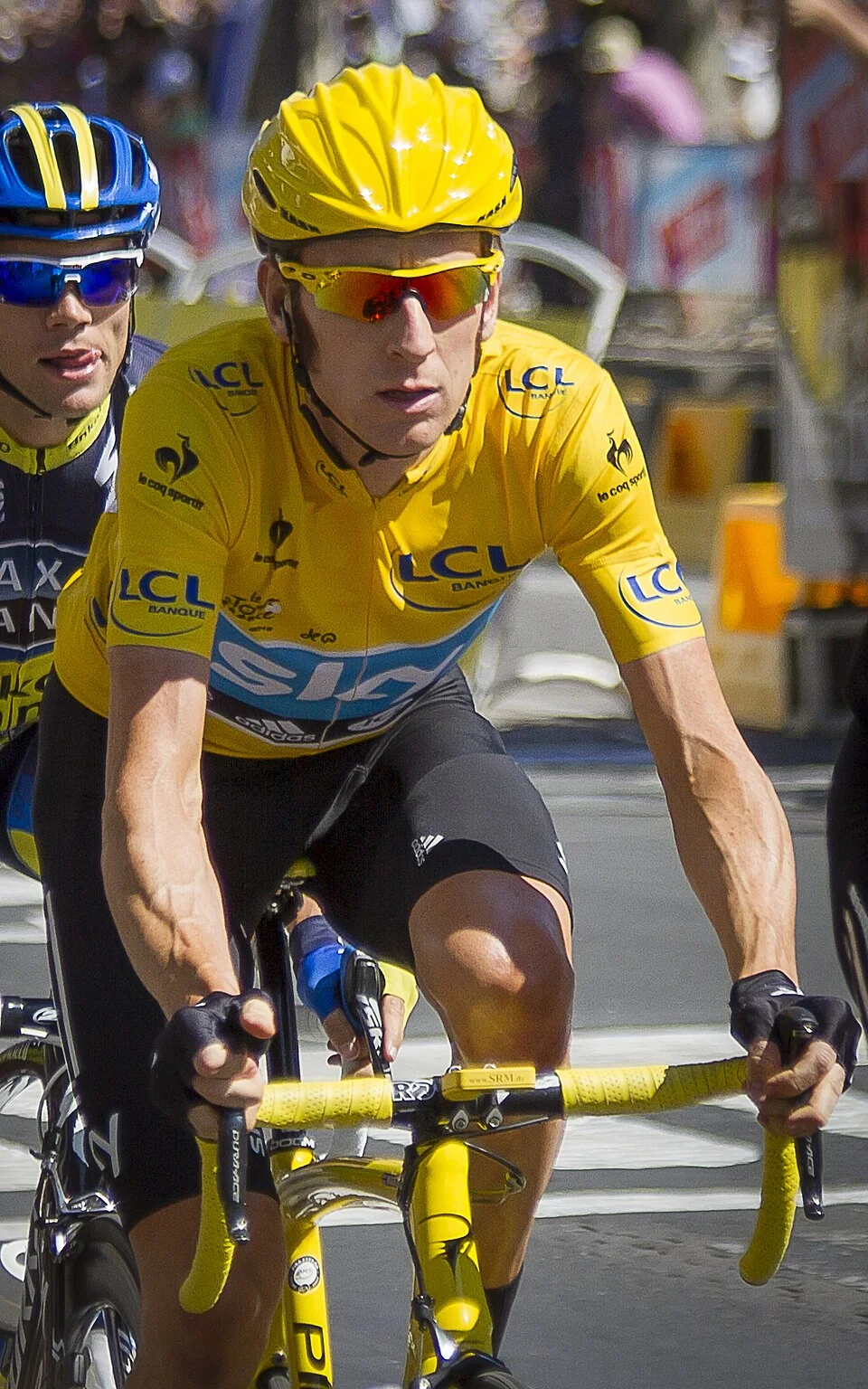
- Bradley Wiggins becomes the first British Tour winner.
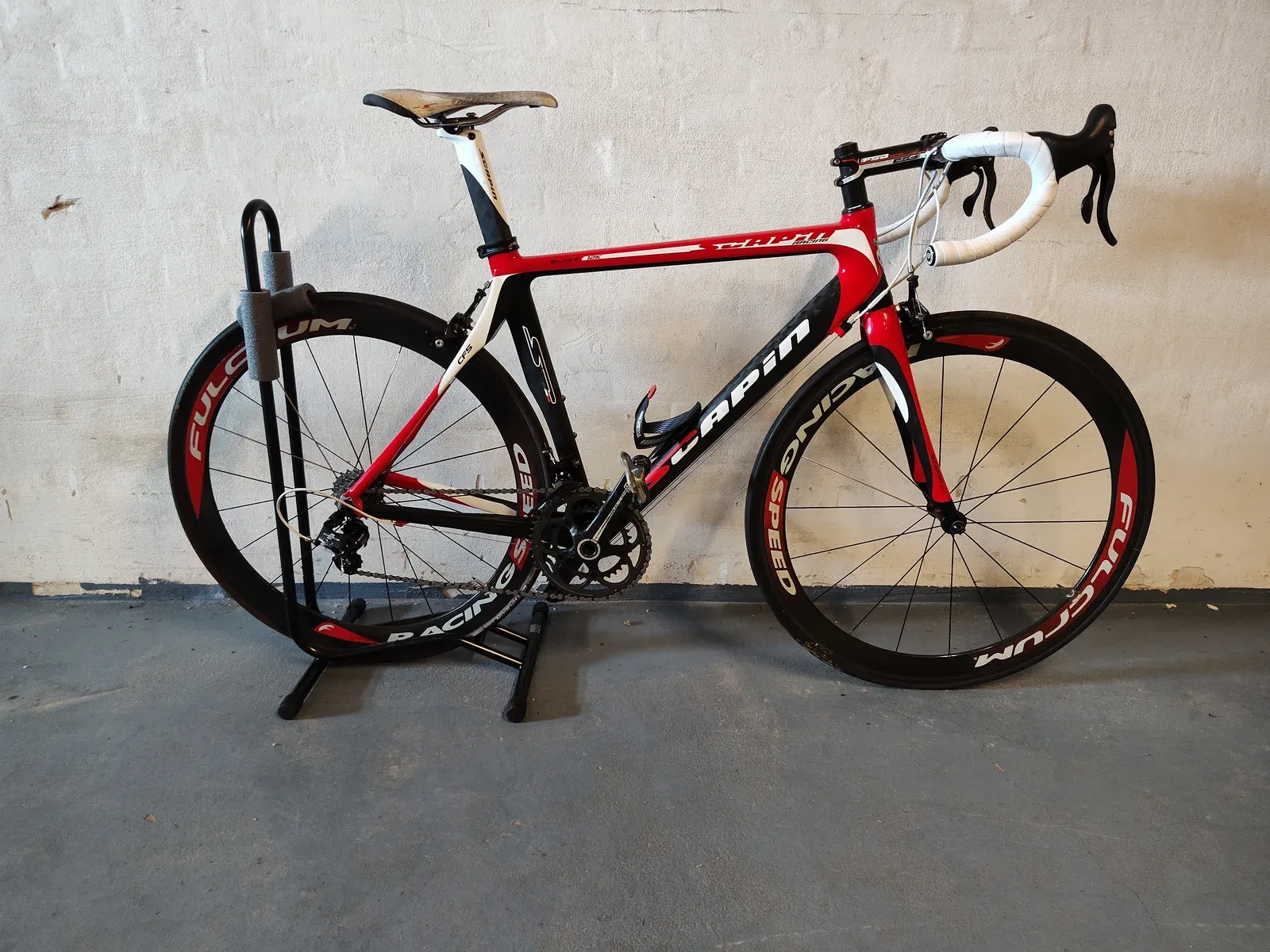
- Chris Froome wins his first Tour; the collection’s Scapin K6 represents the integrated carbon bicycle.
- Confusion over the Stelvio descent shapes the Giro; disc-brake debate grows.
- Peter Sagan begins three consecutive world titles; SRAM announces wireless RED eTap.
- Froome runs on Mont Ventoux after a crash; Mathew Hayman wins Paris–Roubaix after indoor rehabilitation.
- Gilbert attacks from distance in Flanders; Dumoulin wins the Giro.
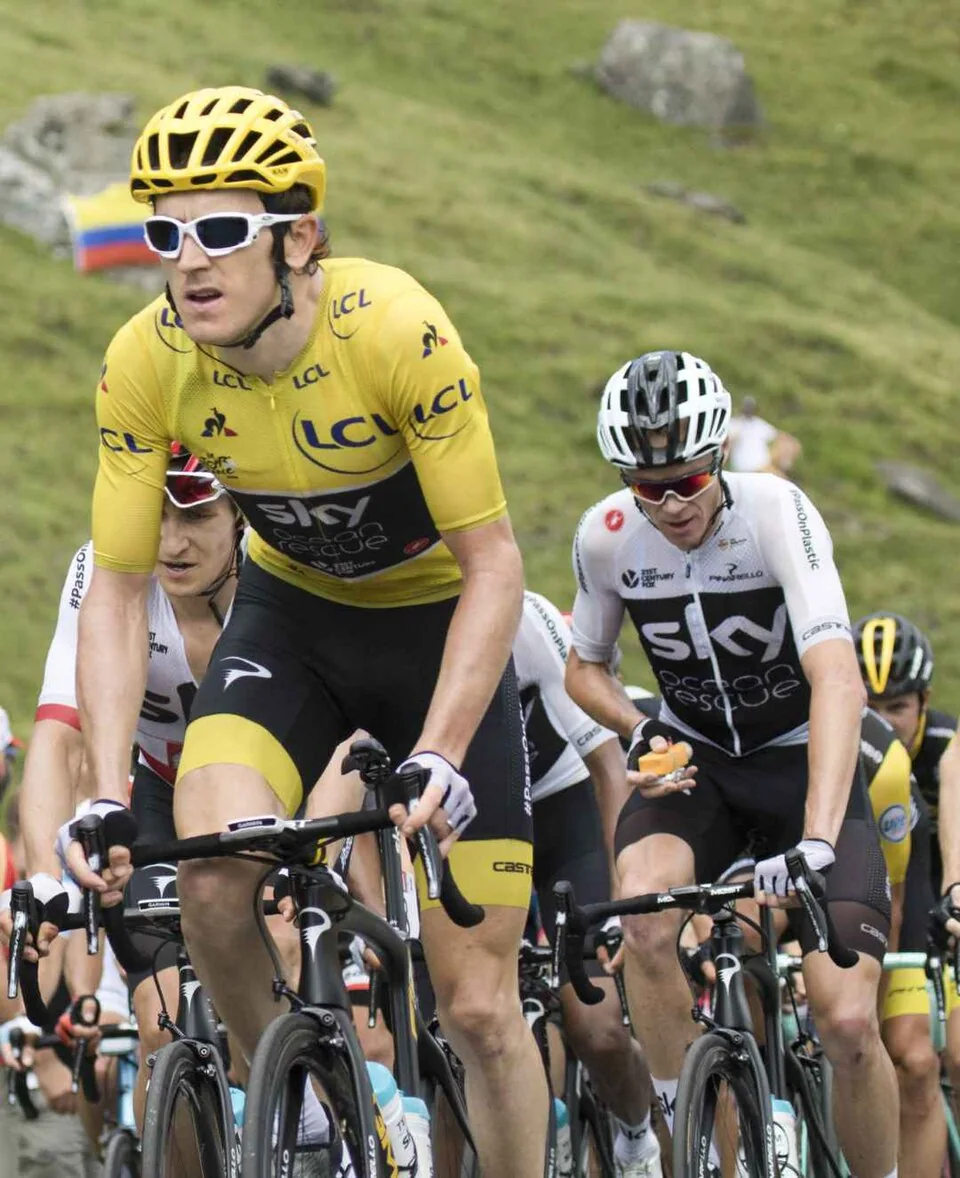
- Froome overturns the Giro on the Finestre; Geraint Thomas wins the Tour.
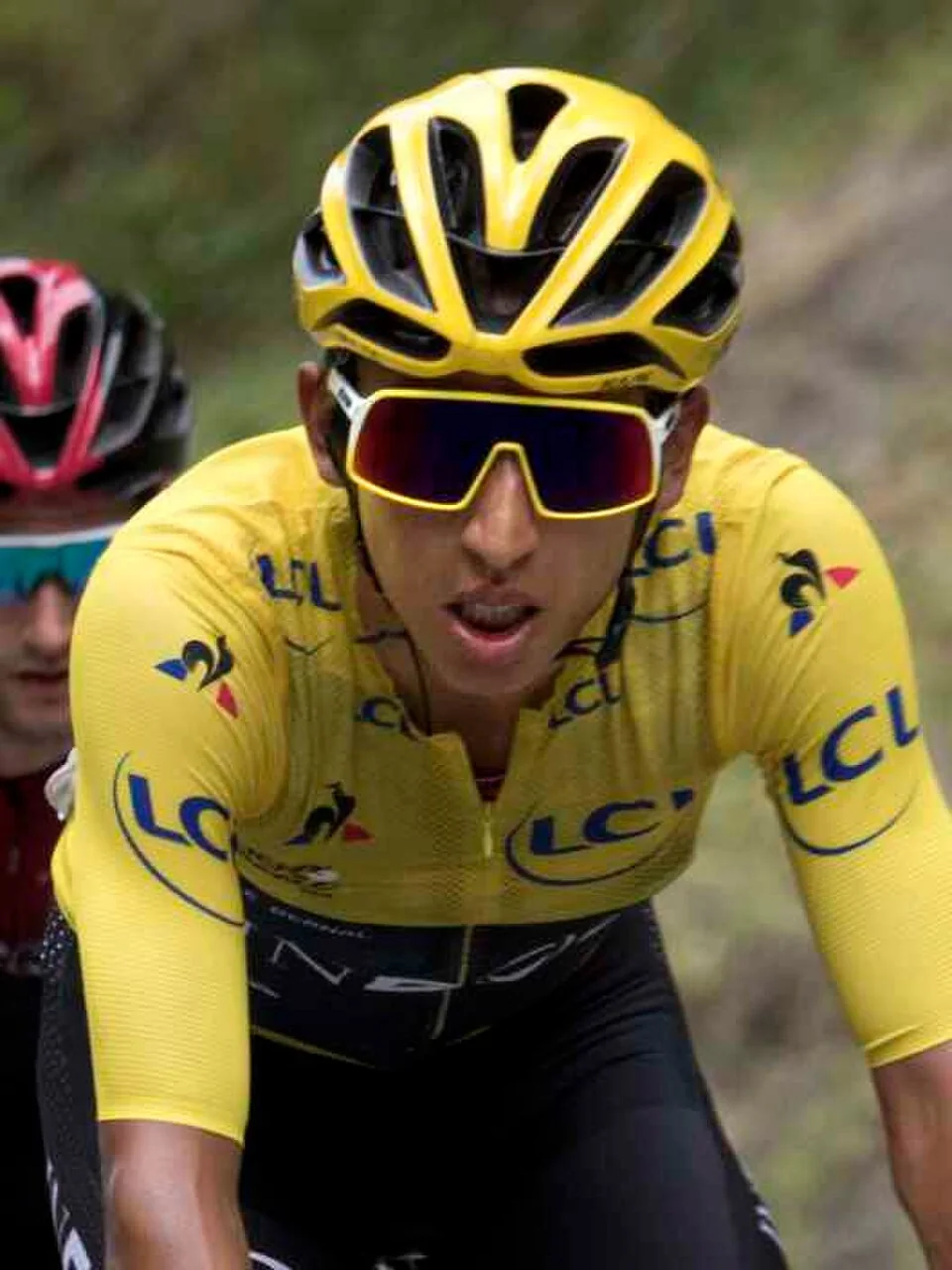
- Weather stops the Tour stage to Tignes; Bernal takes yellow and wins in Paris.
Seven fixed themes
The decade, seen across the site
Races and defining moments
Froome on the Finestre, Gilbert in Flanders and the stopped stage to Tignes show that data-rich racing could still be overturned by risk, weather and circumstance.
Follow this theme through cycling history →Riders of the period
Froome, Sagan, Nibali, Contador, Dumoulin, Van Avermaet, Gilbert and Bernal succeeded in different terrain, while women’s professional racing gained stronger events and visibility.
Follow this theme through cycling history →Bicycles and technical change
Electronic and wireless shifting, integrated carbon cockpits, aerodynamic wheels and disc brakes moved the bicycle towards a complete, manufacturer-designed system.
Follow this theme through cycling history →Nutrition, training and science
Power data, altitude camps and measured carbohydrate intake shaped preparation. Recovery routines became visible, including riders cooling down on trainers after stages.
Follow this theme through cycling history →Cycling culture and everyday life
Strava, GPS computers, social media and Zwift changed how amateurs trained, shared rides and compared themselves with professionals and one another.
Follow this theme through cycling history →Society and the times
Old doping accounts, biological-passport cases and medical controversies kept trust under pressure even as cycling presented a cleaner, more scientific image.
Follow this theme through cycling history →The people behind cycling
Coaches, nutritionists, aerodynamicists, data analysts, mechanics and soigneurs became an increasingly specialised organisation around each rider.
Follow this theme through cycling history →Team Sky
Small gains organised into a system
Team Sky made “marginal gains” the decade’s most repeated phrase: small improvements in training, recovery, aerodynamics, clothing and routines could add up. Wiggins won in 2012, Froome followed with four victories, and Geraint Thomas took over in 2018.
Later investigations into therapeutic exemptions and medical practices complicated the account. Data brought control, but not automatic trust.
Carbon, electricity and hidden cables
Weight reached the limit. Then air became the target.
Carbon was standard in the professional peloton. With many bicycles below the UCI’s 6.8-kilogram minimum, development moved towards aerodynamics, stiffness and integration. Electronic systems became dependable, cables disappeared into frames and disc brakes began their slow arrival.
An attack amid unclear neutralisation
Snow and cold caused confusion over whether the Stelvio descent was neutralised. Nairo Quintana continued with a group, won the stage and took the race lead.
Garage fitness was enough
Mathew Hayman broke his arm weeks before Roubaix and trained indoors. At 37, the domestique beat Tom Boonen on the velodrome.
Food by the gram
The plan reached the rice cake
Carbohydrate intake was calculated per hour and meals tailored to each stage and rider. The body remained a body: Tom Dumoulin stopped with acute stomach trouble in the 2017 Giro, limited his losses and later won. The often-repeated gelato explanation is not securely documented.
Control and old accounts
The past did not vanish in 2013
Lance Armstrong admitted doping in a 2013 television interview. The biological passport, targeted tests and stored samples strengthened control, but cases involving blood doping, weight-loss drugs and medical grey areas continued. Better surveillance was not proof that the problem had been solved.
In the collection · 2013
The Scapin K6 shows the new shape
The collection’s Scapin K6 is a concrete example: a carbon frame with large shaped tubes and concealed solutions unavailable to the classic steel frame. Its form, finish, cable routing and components connect Italian identity with international production.
Four stories from the decade
When the plan breaks
Four independent stories about a long attack, a road that disappeared, classic-race tactics and shifting without a cable.
Sources and notes
The gelato explanation is presented as anecdote. The Stelvio neutralisation was disputed during the race itself. Each of the four new stories includes its own source list.