Races and defining moments · Giro d’Italia · 2018
When Froome attacked with 80 kilometres remaining
Chris Froome began stage 19 in fourth place. On the Colle delle Finestre he rode away alone and overturned a Giro that had appeared settled.
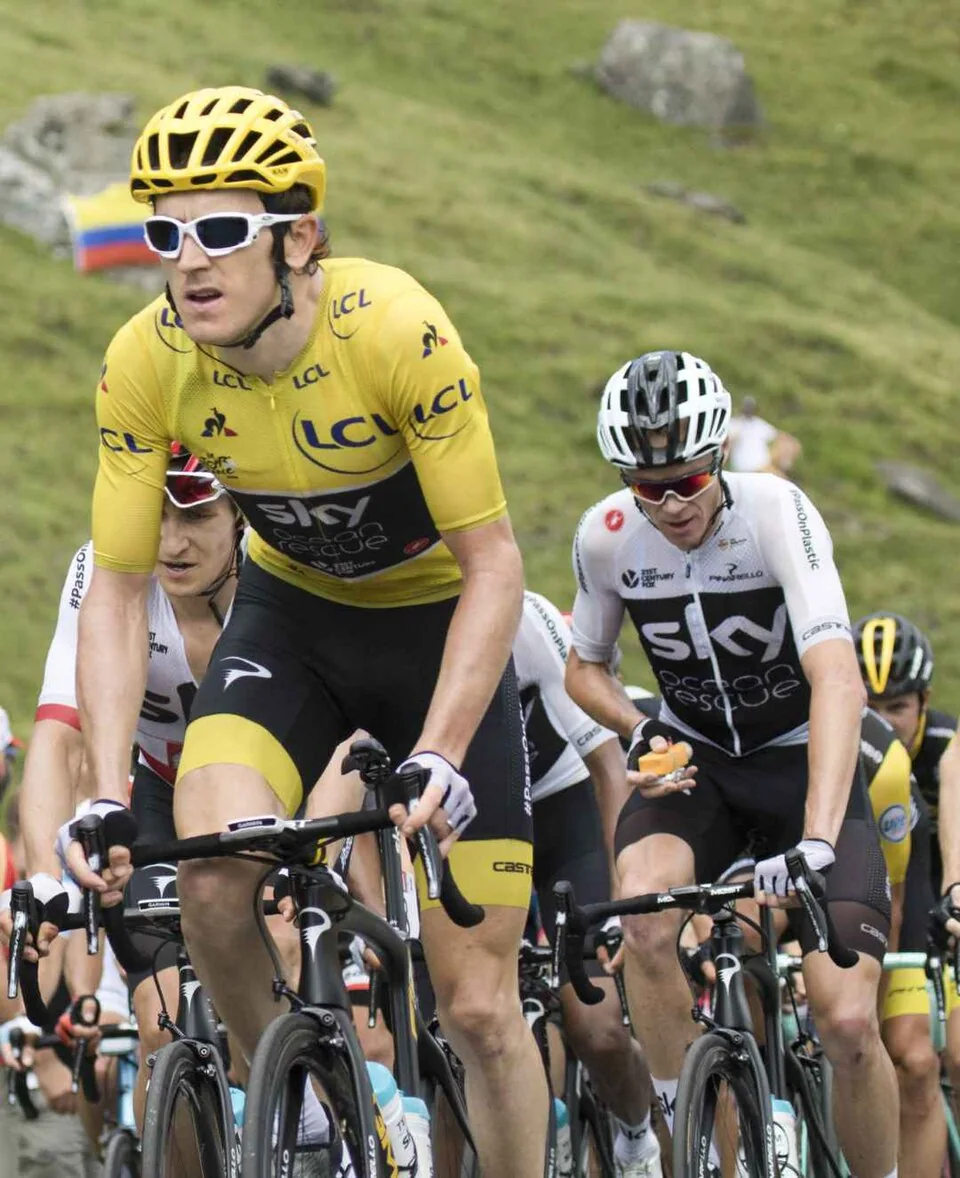
Chris Froome began stage 19 in fourth place. On the Colle delle Finestre he rode away alone and overturned a Giro that had appeared settled.
Three minutes and 22 seconds
Before stage 19, Froome was fourth, 3 minutes 22 seconds behind Simon Yates. He had won on Monte Zoncolan, but had also lost time and crashed before the race. With two decisive days left, a controlled podium ride looked the more likely option.
The attack on gravel
Team Sky raised the pace on the Colle delle Finestre. When the road turned to gravel, Froome attacked with roughly 80 kilometres remaining. Tom Dumoulin, Thibaut Pinot and the other contenders had to choose between cooperation and saving their own strength. Yates quickly lost contact.
Three mountains alone
Finestre was not the finish. Froome still had Sestriere and the climb to Jafferau ahead. Behind him, the chase alternated between cooperation and hesitation. In front, he kept a pace that slowly turned a gamble into the race lead.
Pink in one day
Froome won the stage 3 minutes 23 seconds ahead of Dumoulin and took the pink jersey. He defended it the next day and became the Giro’s first British winner in Rome.
Data and old-fashioned risk
The move came from a team associated with watts, nutrition plans and controlled climbing. Yet the decade’s defining Giro move was a long solo attack with everything at risk. Technology could measure the effort. It could not ride the final 80 kilometres.
Sources
Continue exploring
More from cycling history
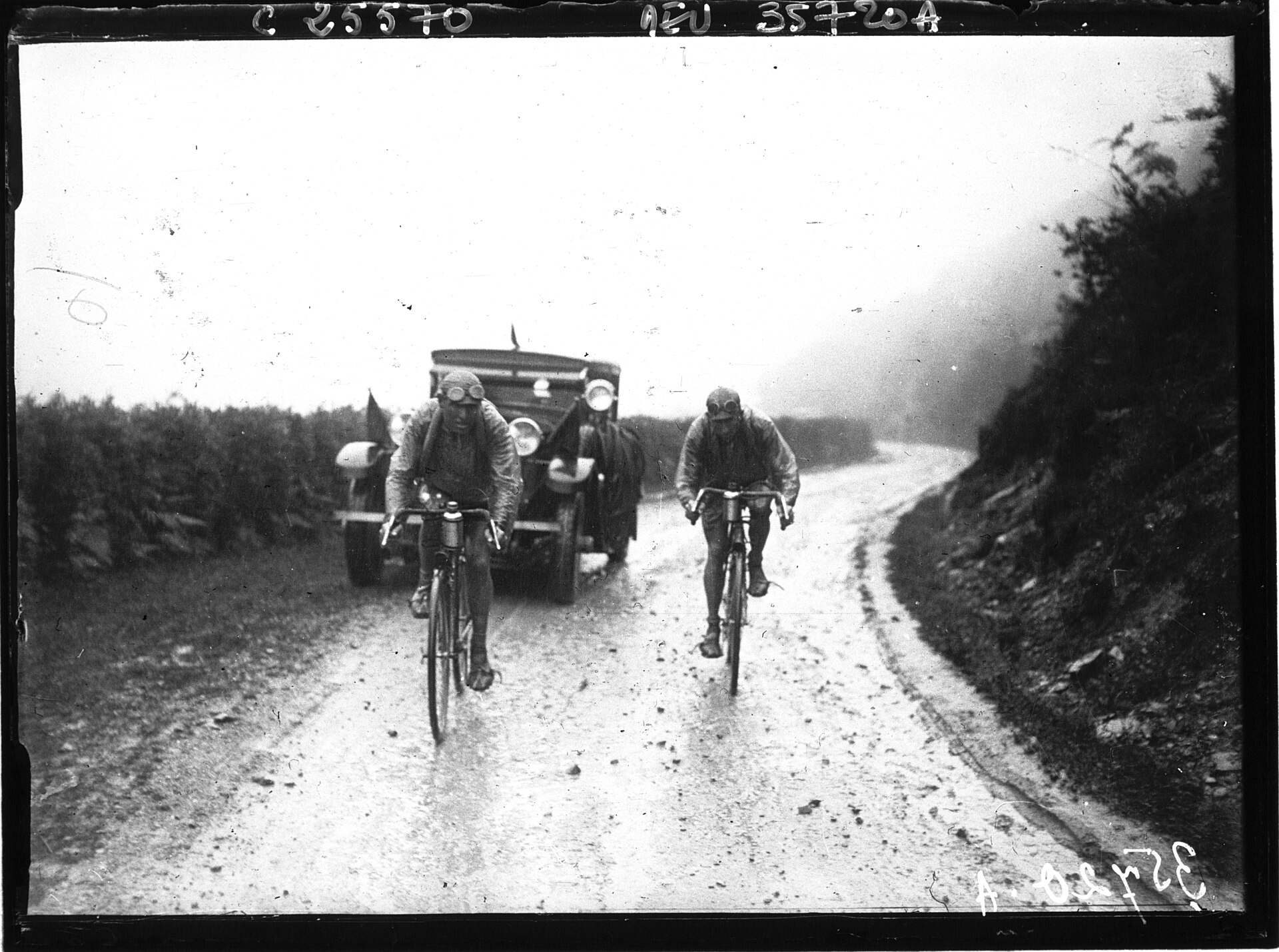
When the Tour had to pay the taxi fare
Three riders stepped out of a car in Luchon and disappeared, according to a story passed down from the 1926 Tour. The driver instead took his bill to the race officials.
Read the story →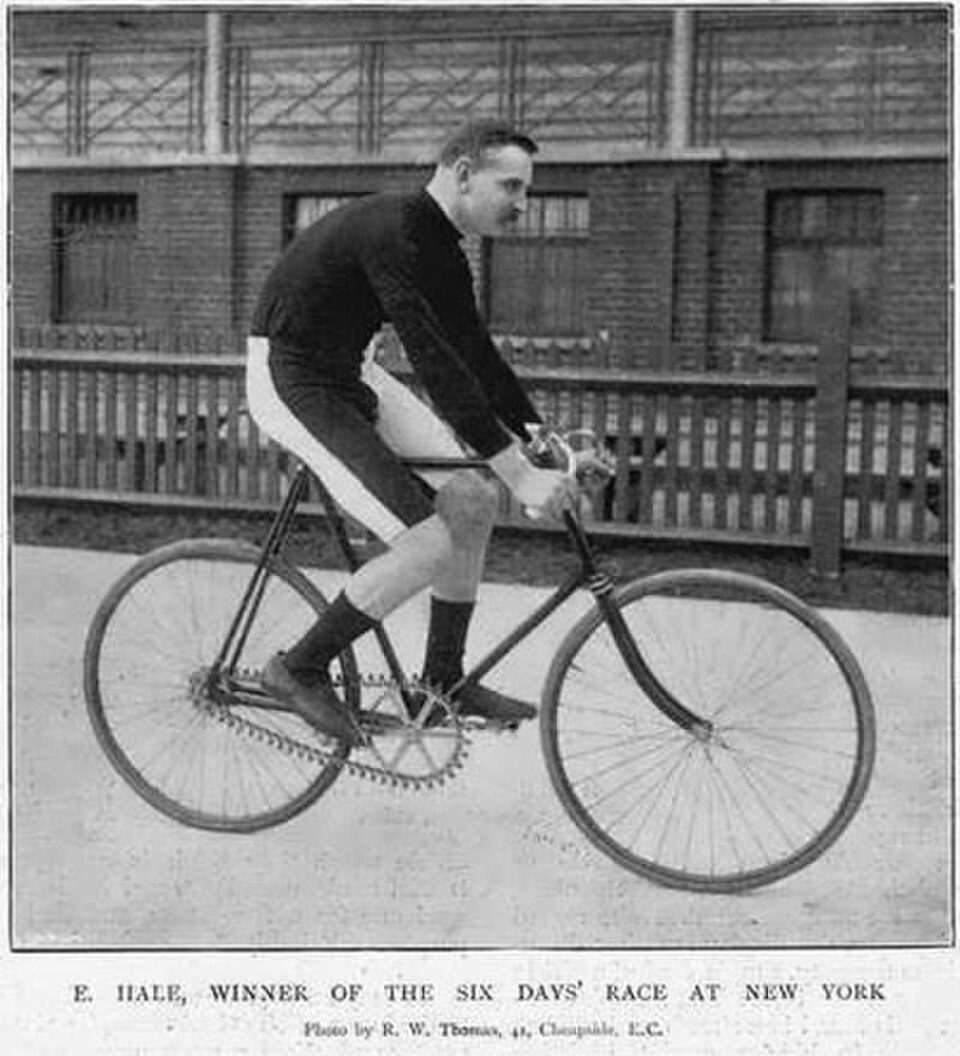
Teddy Hale and 142 hours in New York
In December 1896, Teddy Hale won the individual six-day race at Madison Square Garden after 142 hours and roughly 3,074 kilometres.
Read the story →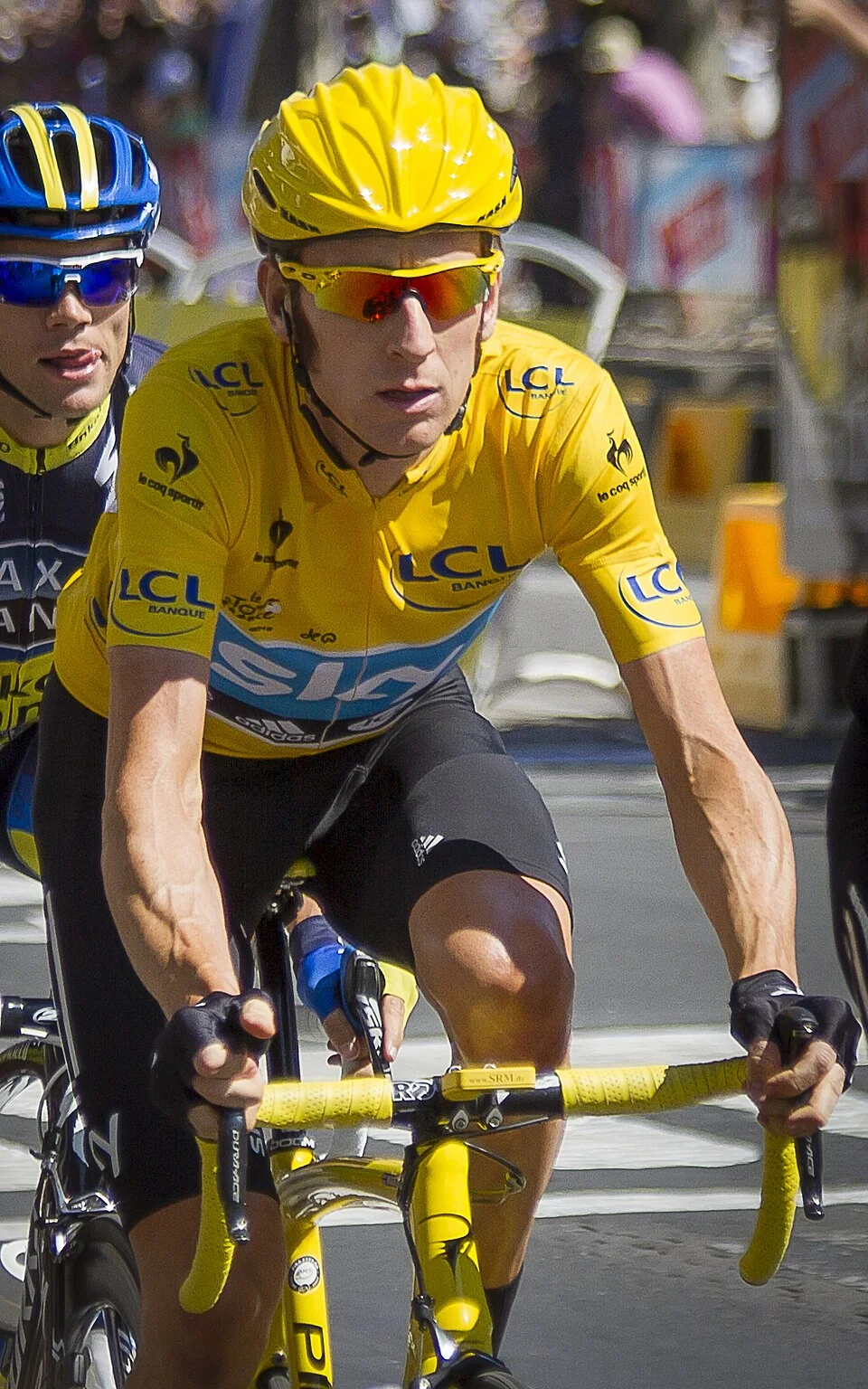
When the computer took over the bicycle
See the races, people, bicycles and changes that shaped the period.
Explore the period →