Odd moments from the races · Tour de France · 1926
When the Tour had to pay the taxi fare
Three riders stepped out of a car in Luchon and disappeared, according to a story passed down from the 1926 Tour. The driver instead took his bill to the race officials.
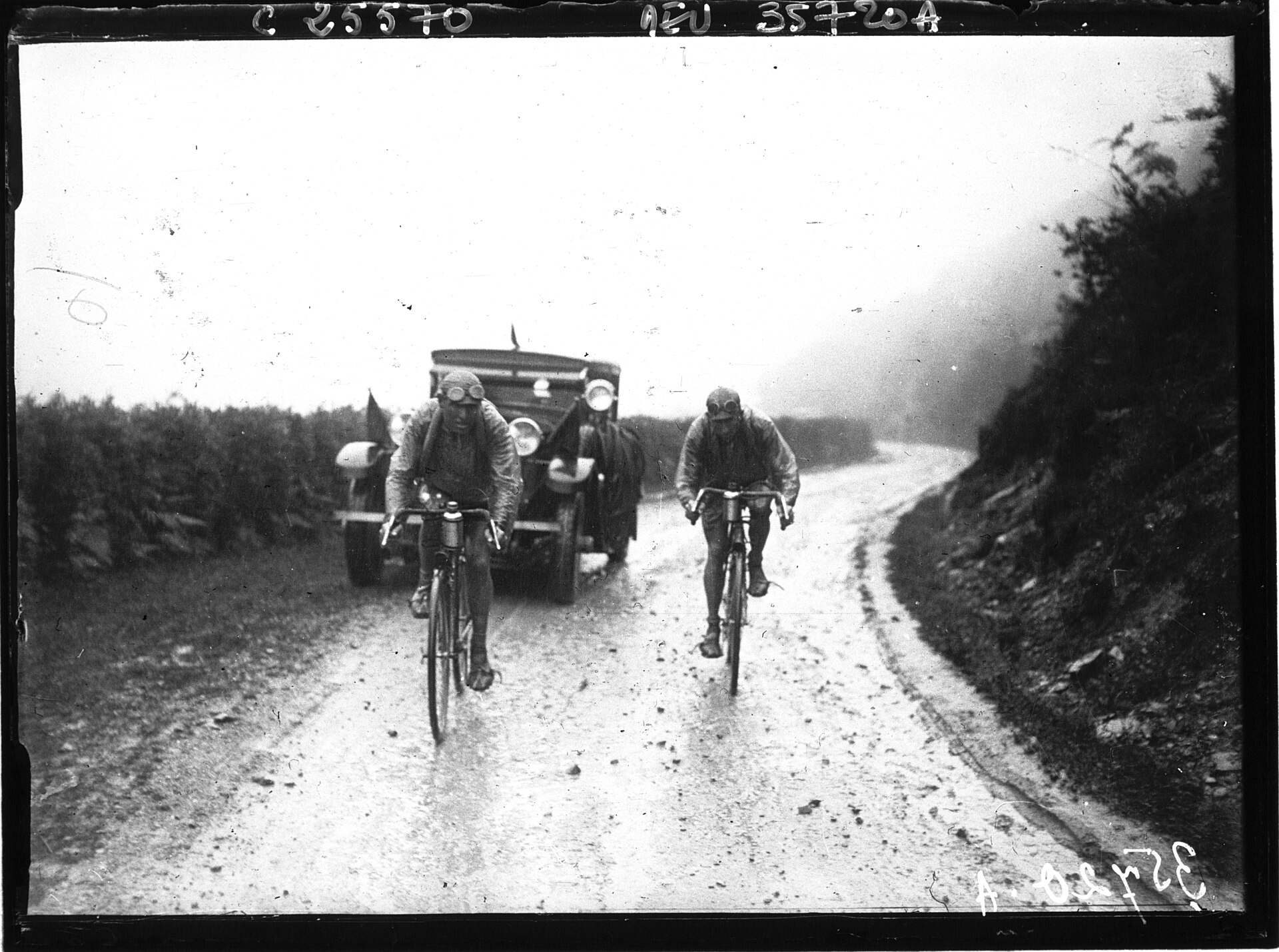
Three riders stepped out of a car in Luchon and disappeared, according to a story passed down from the 1926 Tour. The driver instead took his bill to the race officials.
A man with a bill
At the officials' table in Luchon, a local motorist wanted his money. The story goes that he had picked up three freezing riders in the mountains and driven them to the finish town. When the car stopped, the passengers got out and disappeared without paying. The Tour now had to decide whether the man was a rescuer, a taxi driver or an accomplice to a breach of the rules.
Into the darkness at two o'clock
The stage from Bayonne to Luchon began at two in the morning on 6 July. More than 320 kilometres waited across the Aubisque, Tourmalet, Aspin and Peyresourde. Rain made the gravel roads heavy, and the cold took the feeling from the riders’ hands. On the bicycles of the period, a puncture or loose wheel could become far more than a brief stop.
Buysse kept going
Lucien Buysse rode away from the others and reached Luchon after 17 hours, 12 minutes and 4 seconds. Bartolomeo Aimo arrived almost 26 minutes later. Then the gaps grew. The Tour's official history says that 54 of 76 riders completed the stage and that several took a bus without paying. The race had simply lost track of part of its own field.
The car in the story
The account of the three riders and the driver's demand appears in later Tour literature. The riders' names and the exact conversation at the officials' table are harder to establish. Yet the story fits the documented disorder: race cars searched for missing riders, some abandoned and found motorised transport, and the finish received people carrying very different explanations.
Rules meet mountain weather
A ride in a car normally meant disqualification. That evening was less simple. First the organisers had to discover who was still on the mountain and who merely had to be brought to safety. According to the anecdote, the race management paid the driver from the Tour's funds. The riders were finished in the race in any case. It was not pretty, but the bill was settled.
The small aftermath
Buysse took the yellow jersey and kept it to Paris. His victory appears in the results. The driver does not. Even so, his supposed journey tells us something the times and placings cannot: when a bicycle race is sent into darkness and bad weather, the people beside the road become part of the organisation, whether the organiser planned it or not.
Sources

Continue exploring
More from cycling history
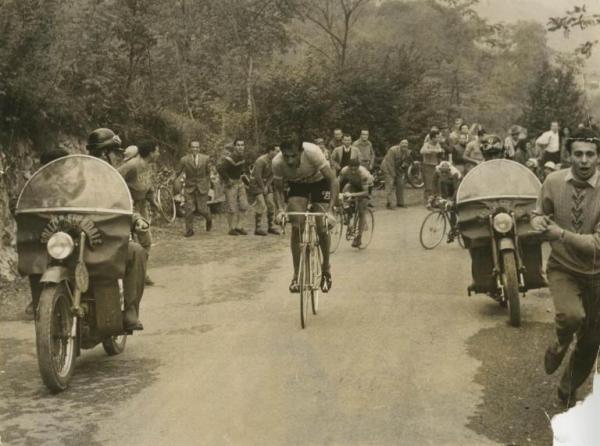
From prisoner of war to Giro–Tour winner
Fausto Coppi had already won the Giro when he was captured in North Africa. Six years later, he became the first rider to win the Giro and Tour in the same season.
Read the story →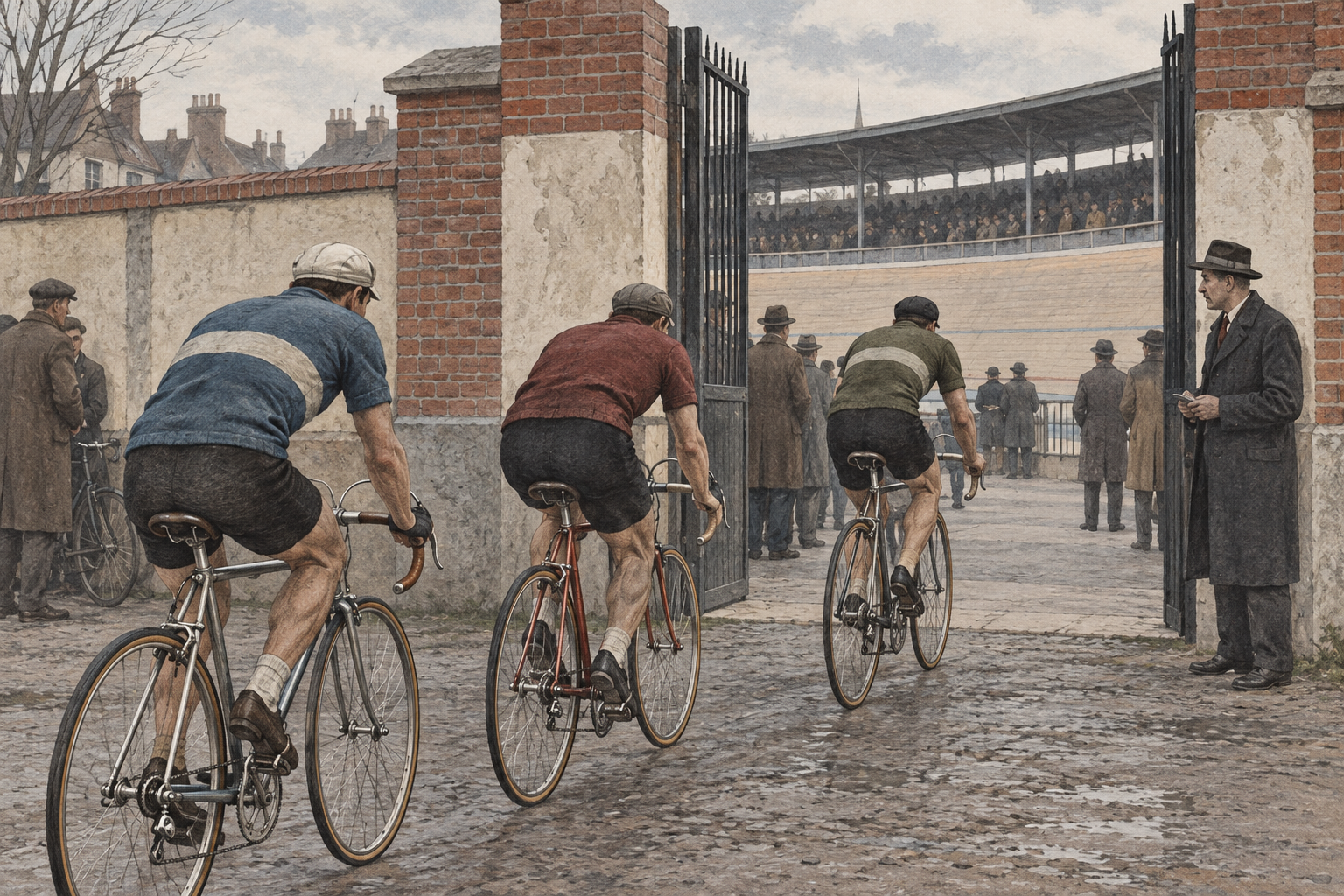
Paris–Roubaix 1949 – one race, two winners
André Mahé crossed first after being misdirected at the track. Serse Coppi protested. Months later, the race had two winners.
Read the story →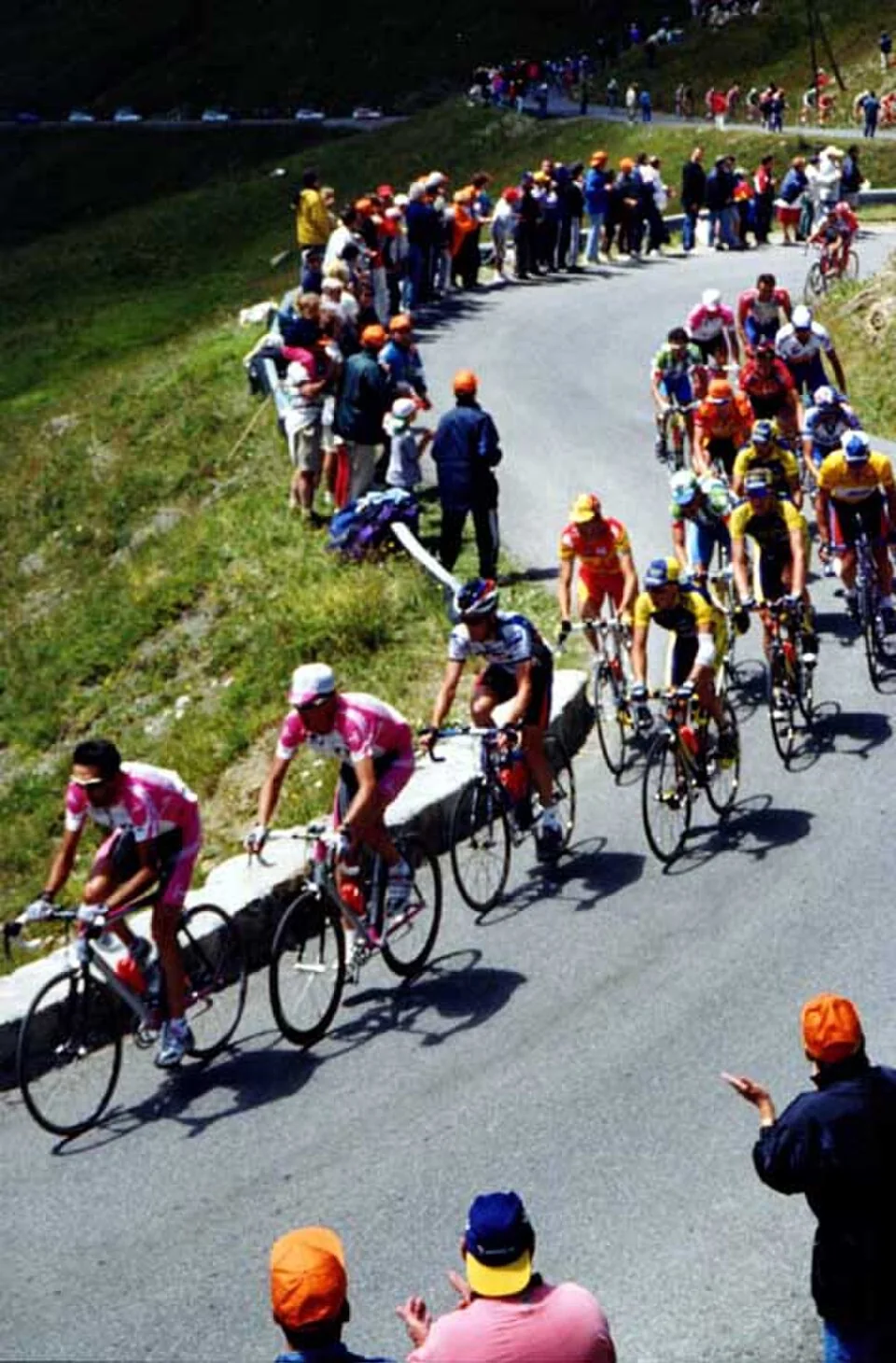
When cycling became a control room
See the races, people, bicycles and changes that shaped the period.
Explore the period →