Paris–Roubaix · 17 April 1949
One race.
Two winners.
André Mahé crossed the line first. Serse Coppi entered by the correct route. Months passed before cycling’s authorities decided that both men had won.
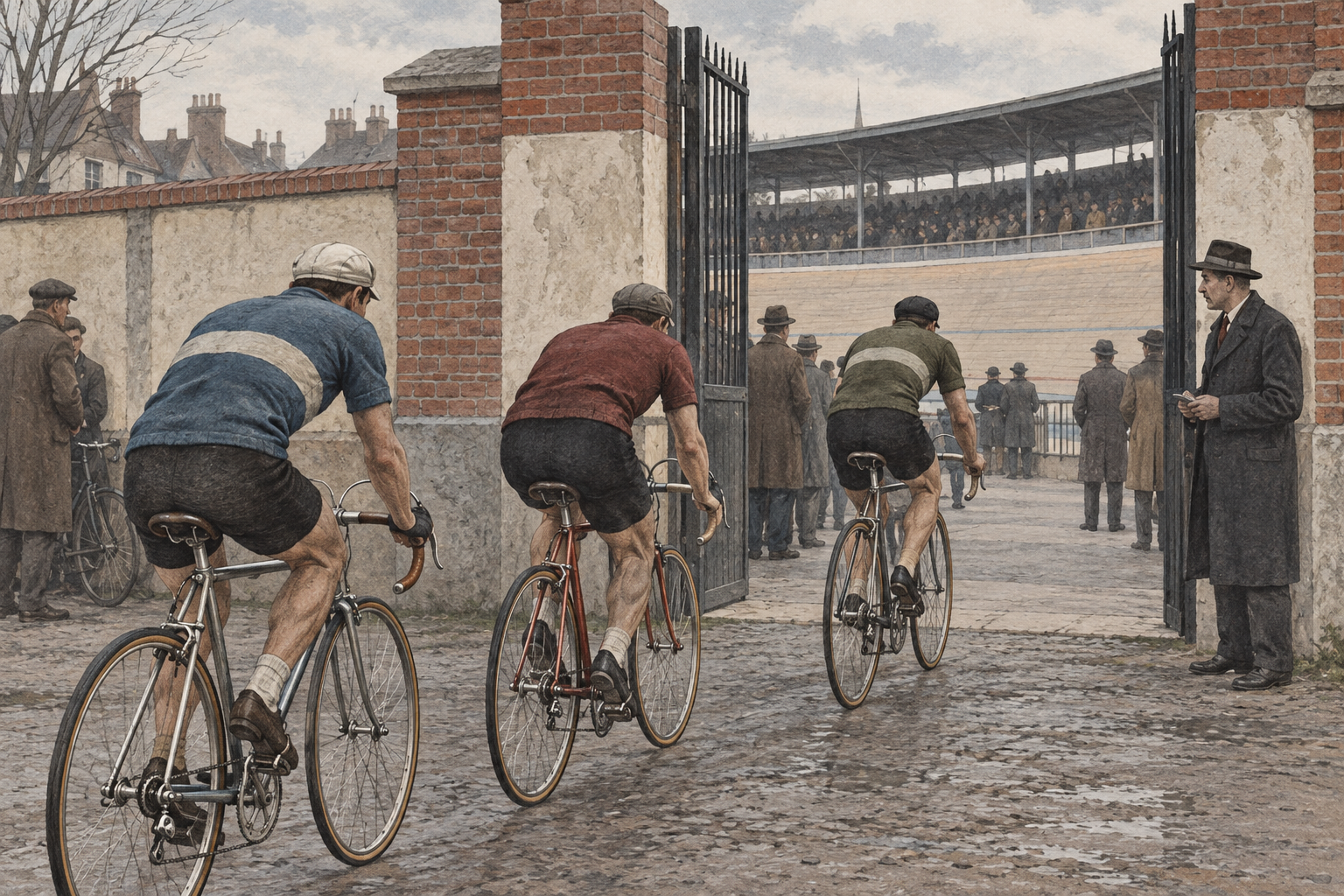
André Mahé had completed almost the whole of Paris–Roubaix. All that remained was to find the way onto the track.
The wrong entrance
It should have been the simplest task of the day. When the small leading group reached the Roubaix velodrome, however, the riders were sent the wrong way. Mahé still got inside, reached the finishing straight and crossed the line first.
Behind him, the race was completed along the prescribed route. The Italian Serse Coppi won the peloton’s sprint. A dispute began that lasted far longer than the bicycle race itself.
They escaped the favourites
The 1949 edition was the 47th running and covered 244 kilometres. Fausto Coppi and Rik Van Steenbergen were among the starters, but the decisive group consisted of the French riders André Mahé and Jacques Moujica and the Belgian Frans Leenen.
After a long day, they had a lead and could start thinking about the sprint among themselves. At the entrance to the track, that advantage was suddenly spent on something else. They had to find the way in.
First across the line, wrong on the route
A contemporary report in Le Monde describes officials sending the three riders the wrong way. They had to travel roughly 200 extra metres, enter through another access and negotiate a step. They had not found a clever shortcut. The error cost them distance and trouble. Even so, their arrival was irregular.
A bicycle race is not decided only by who first finds the finish line. Riders must follow the same route. Yet it is difficult to place all responsibility on a rider who is misdirected by the people meant to show the way. No photo finish was required. The argument concerned the metres before the line.
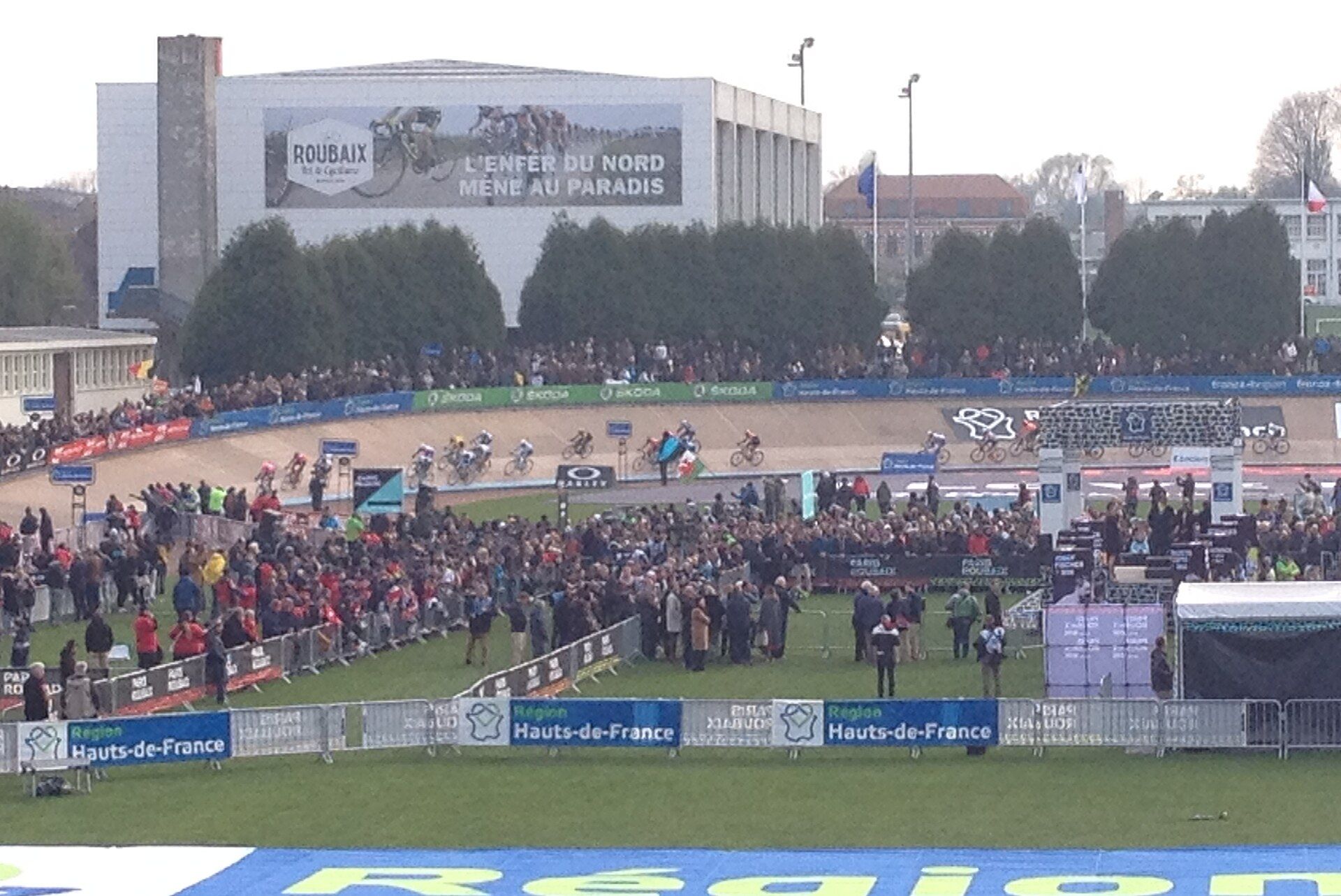
A Coppi in the protest
Serse Coppi was Fausto’s younger brother. He had followed the correct route and won the peloton’s sprint. An Italian protest challenged the leading group’s arrival, and Serse was awarded the victory.
Fausto Coppi became involved. The organiser’s later account says that he applied pressure with threats of a boycott. Each side could point to its own version of fairness: Mahé had won the race as it had actually unfolded after an organiser’s error; Serse Coppi had followed the official route.
Two names on the same line
The dispute continued for months. Eventually André Mahé and Serse Coppi were recognised as joint winners. It was not a tie after an inseparable sprint but an administrative solution to a finish that had gone wrong.
They still appear together against 1949 on the race’s official winners list. Fausto Coppi stands alone in 1950. The family therefore supplied two different winners in two years, although the first victory had to be shared with a Frenchman.
Mahé had crossed the line first. Serse Coppi had taken the correct route. Both facts remained.
Sources and image notes
The sources disagree on some details. The organiser’s later account names Florent Mathieu at Mahé’s finish, while the contemporary newspaper report and result archive identify Frans Leenen and Jacques Moujica as his breakaway companions. This article follows the contemporary information and result archive. The exact sequence and dates of the later rulings have been omitted because the original proceedings have not been examined.

Continue exploring
More from cycling history
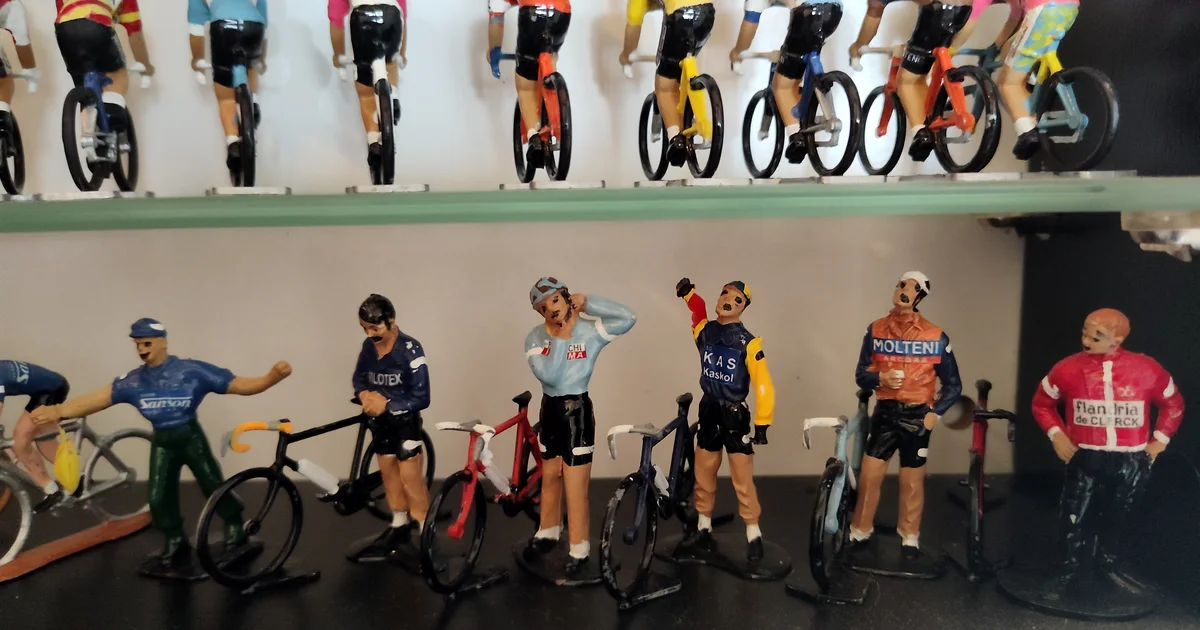
When the Tour de France moved into the children’s room
Small cast cyclists turned pavements, sandpits and carpets into stage races — and later became collectibles with their own moulds, poses and peculiarities.
Read the story →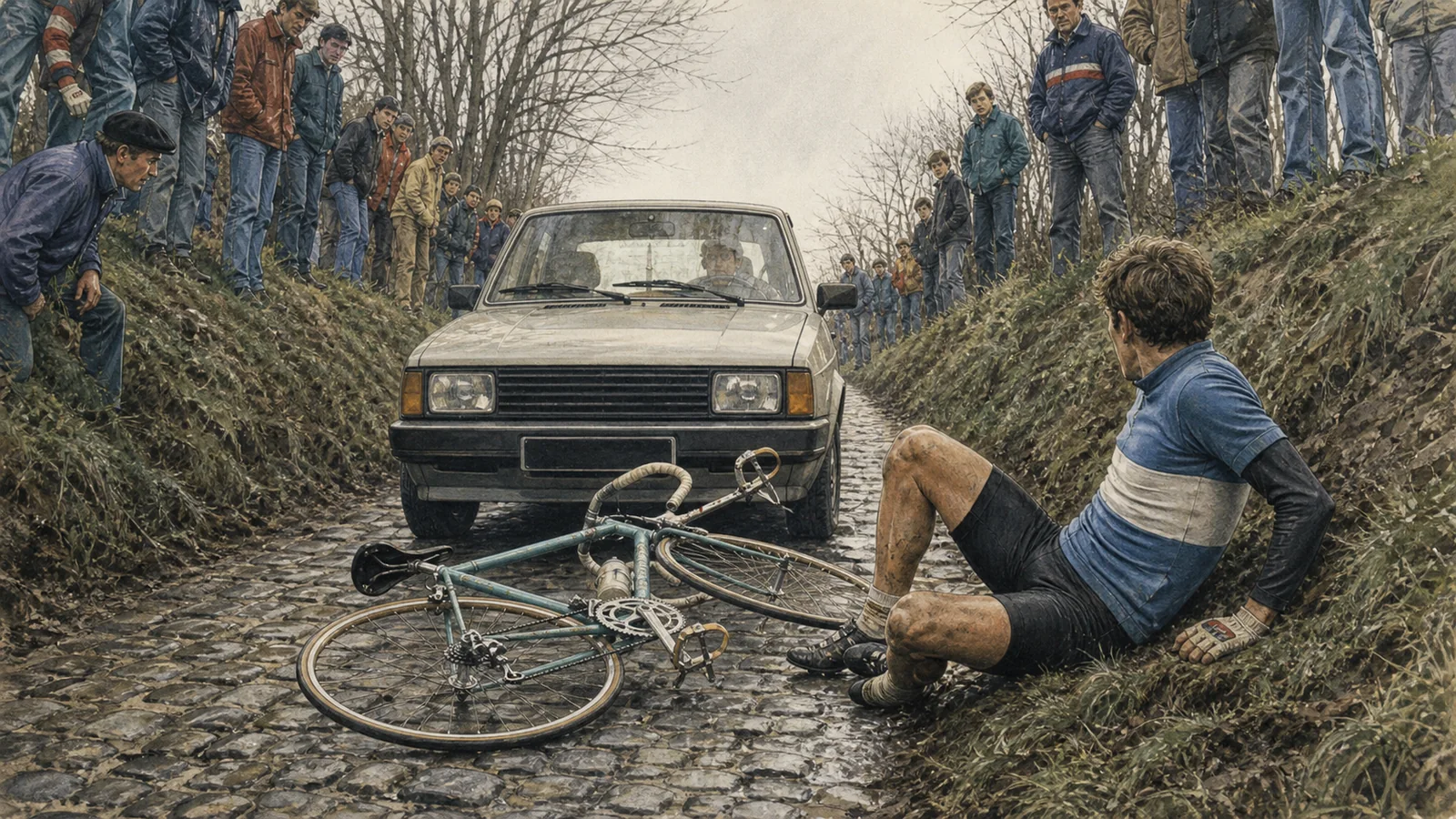
When the race car drove over Skibby’s bicycle
Jesper Skibby led alone on the Koppenberg in the 1987 Tour of Flanders when an official car drove over his bicycle.
Read the story →
When cycling became a control room
See the races, people, bicycles and changes that shaped the period.
Explore the period →