Races and defining moments · Liège–Bastogne–Liège · 1980
The day snow emptied Liège–Bastogne–Liège
A field of 174 began in the cold. Only 21 finished, while Bernard Hinault rode roughly 80 kilometres alone and suffered lasting damage to his hands.
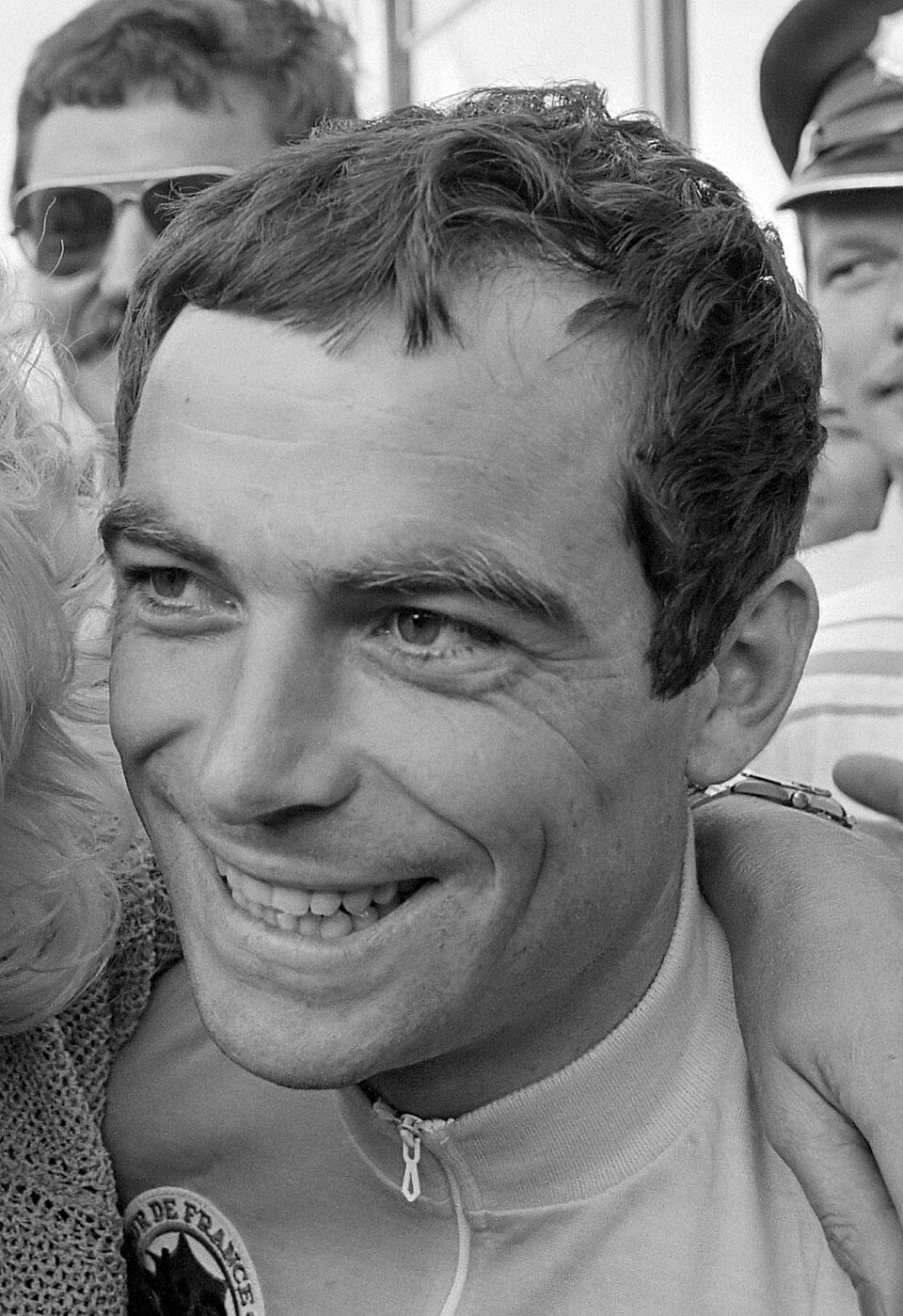
A field of 174 began in the cold. Only 21 finished, while Bernard Hinault rode roughly 80 kilometres alone and suffered lasting damage to his hands.
Zero degrees at the start
On 20 April 1980, 174 riders started Liège–Bastogne–Liège in temperatures around freezing. Soon the rain became snow. Riders, road and convoy gradually disappeared into a white-grey landscape where the immediate problem was no longer position in the peloton but whether hands could still operate brakes.
The field disappeared
Before the race had properly reached Bastogne, roughly two-thirds of the starters were gone. Cold passed through wool, gloves and rain capes. Glasses misted, shoes filled with water and fingers struggled to open food. Some sought team cars and cafés. Others continued because a group remained visible ahead.
Hinault also considered stopping
Bernard Hinault was the reigning Tour winner, but the weather did not distinguish stars from domestiques. He later recalled planning to abandon at the feed zone. Instead he continued. The choice became part of the legend, though he did not yet know he would win. At that point he was simply still riding.
The attack began far from home
Rudy Pevenage and Ludo Peeters had been ahead when Hinault raised the pace with just under 100 kilometres remaining. On the Côte de la Haute-Levée he left his final companions. Roughly 80 solo kilometres remained through snow and meltwater. Keeping the body working also became a way of preserving warmth.
Nine minutes and 24 seconds
Hinault reached Liège 9 minutes 24 seconds before Hennie Kuiper, with Ronny Claes third. Only 21 of 174 starters were classified as finishers. The statistic is memorable, but says little about how those last riders looked or how small a result sheet feels beside people trying merely to reach warmth.
The hands paid
Hinault’s fingers were so badly affected that a warm bath did not end the story. The UCI records lasting loss of sensation in one finger on each hand. The victory was therefore not only proof of resilience. It also showed that the body can carry the cost after the crowd leaves.
Helpers had few answers
Soigneurs offered warm drinks, spare clothing and towels, but assistance on the road was limited. Clothing could be soaked before the next hand-up, and a frozen rider might struggle to put on a jacket. Modern racing has better garments and formal extreme-weather procedures. In 1980, the decision was more loosely shared among organisers, teams and riders.
More than a heroic tale
The race is often called Hinault’s greatest Classic victory, and his attack deserves its place. Yet the story becomes poorer if it is only about one man being tougher than the weather. There were 153 abandonments and the winner suffered lasting injury. The day shows cycling’s stubbornness and its old habit of first asking whether something could be completed, then asking what it cost.
Sources
Continue exploring
More from cycling history
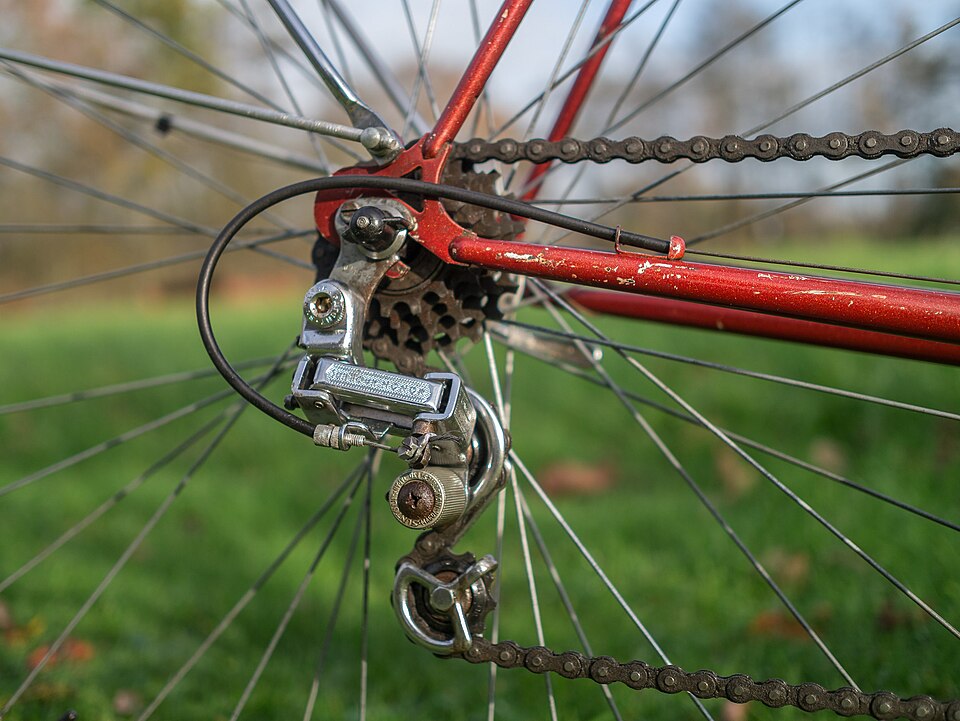
The patent headache that lasted twenty years
SunTour found the slant movement. Shimano answered with indexing, cables and a complete system whose parts had to work together.
Read the story →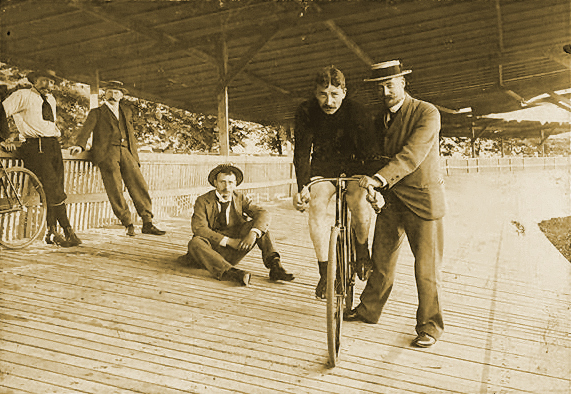
The world champion who changed from skates to bicycle
Jaap Eden became world champion in speed skating and track cycling in the 1890s—and one of the Netherlands’ first sporting celebrities.
Read the story →
When war closed the roads
See the races, people, bicycles and changes that shaped the period.
Explore the period →