Readers’ stories · Serbia · 1959–2026
When the bicycle left
its first owner
A gold Favorit, an old receipt and a meeting with the man who had kept the bicycle for more than six decades.
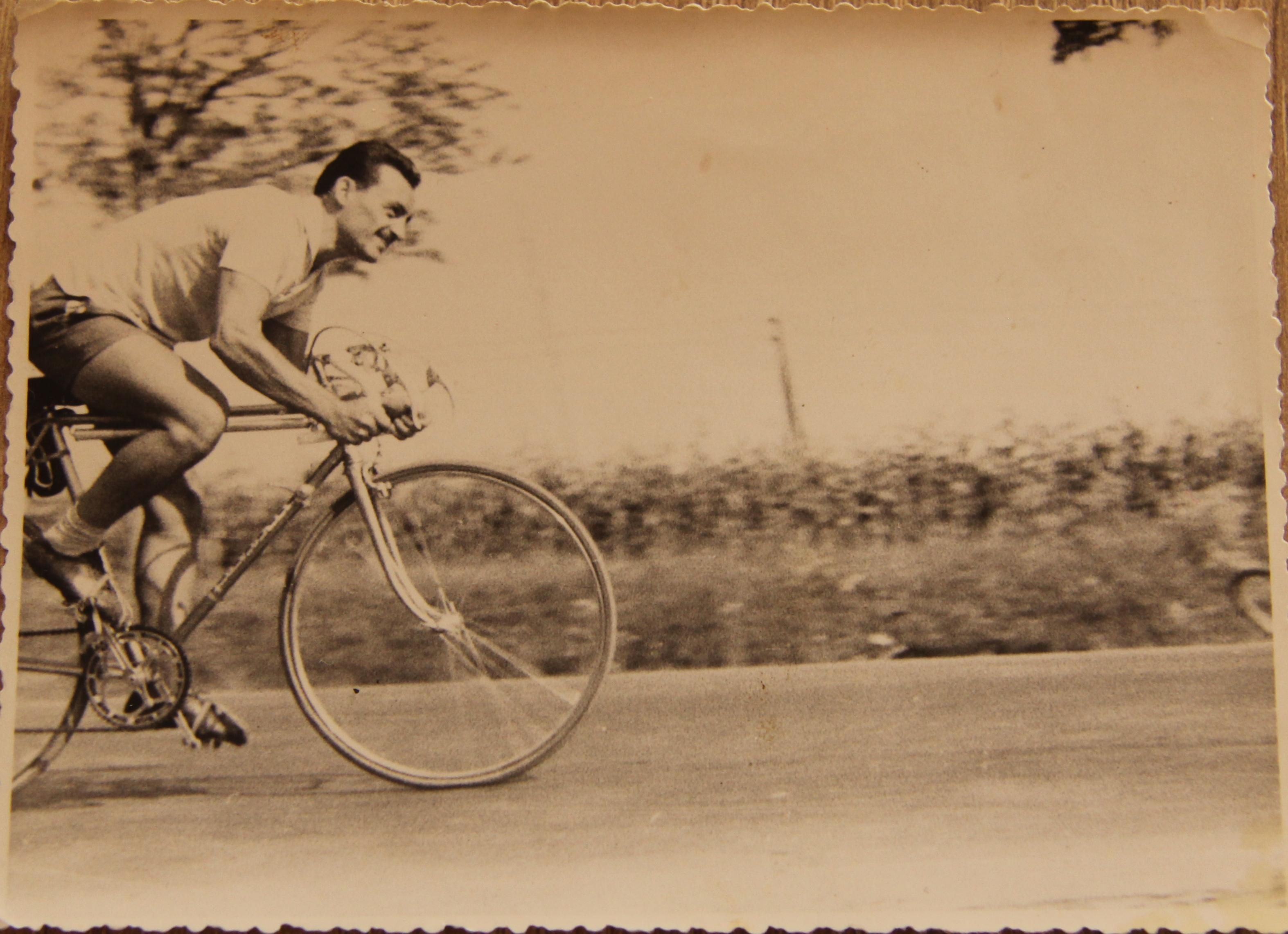
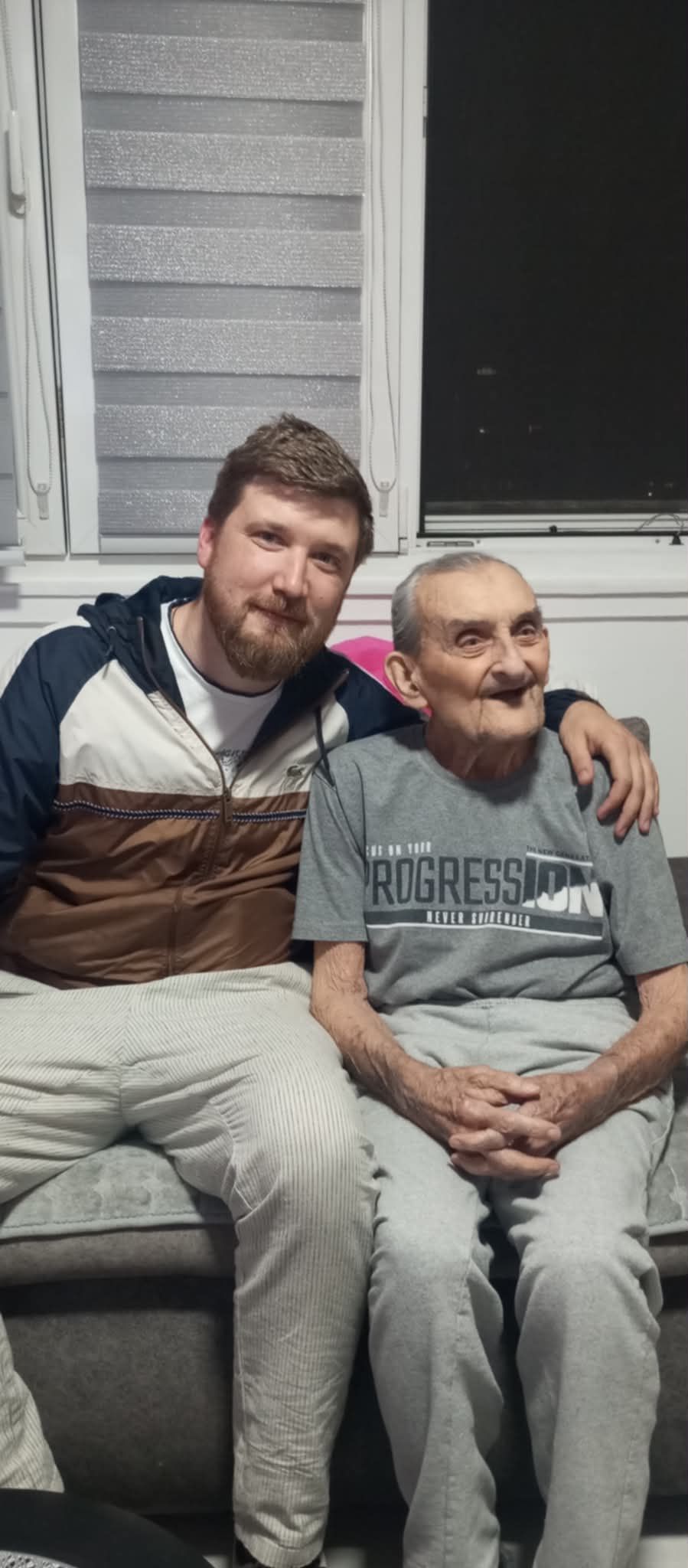
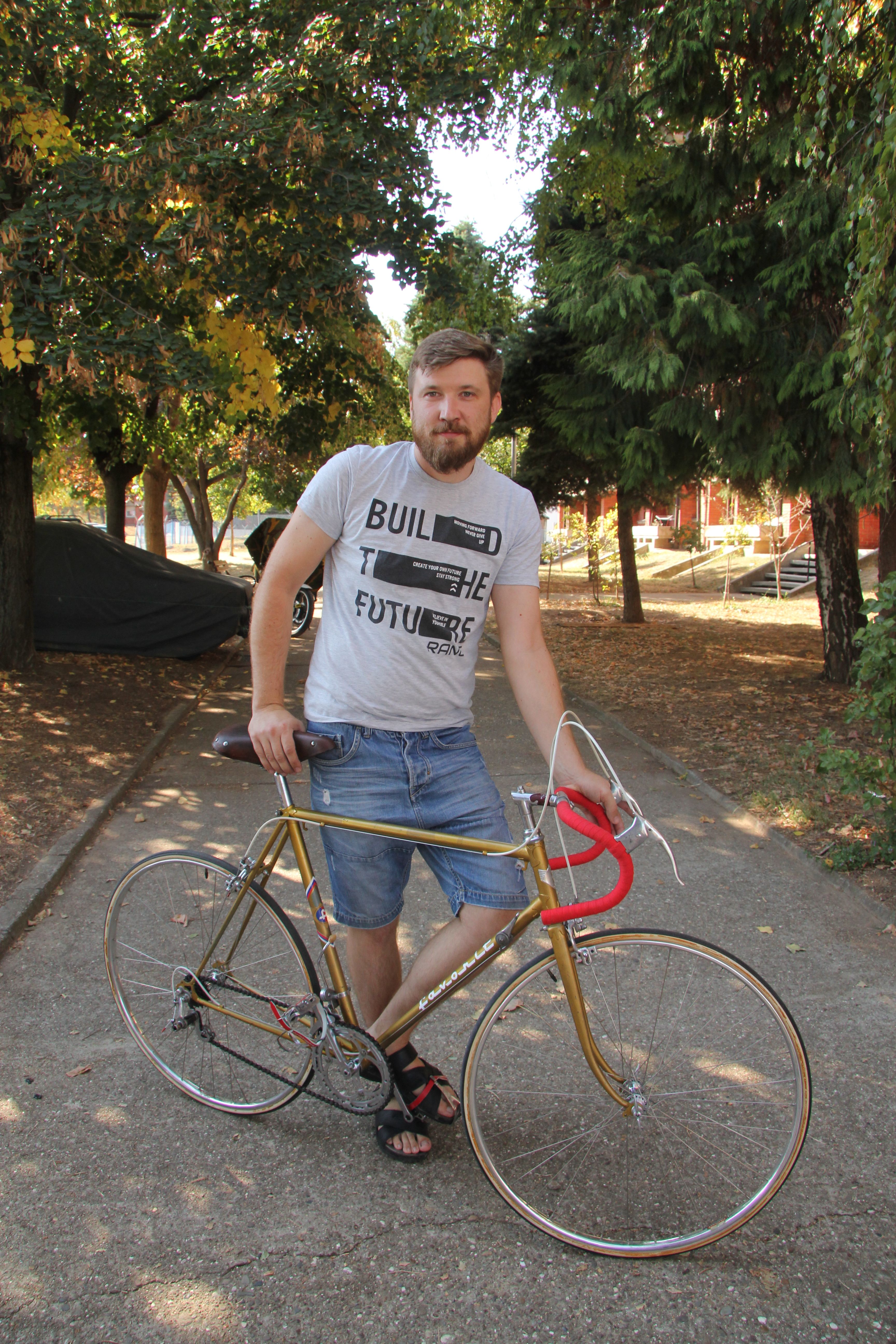
After a two-hour drive to Pančevo, Stefan Đurić found himself in a living room where coffee and conversation arrived well before the bicycle.
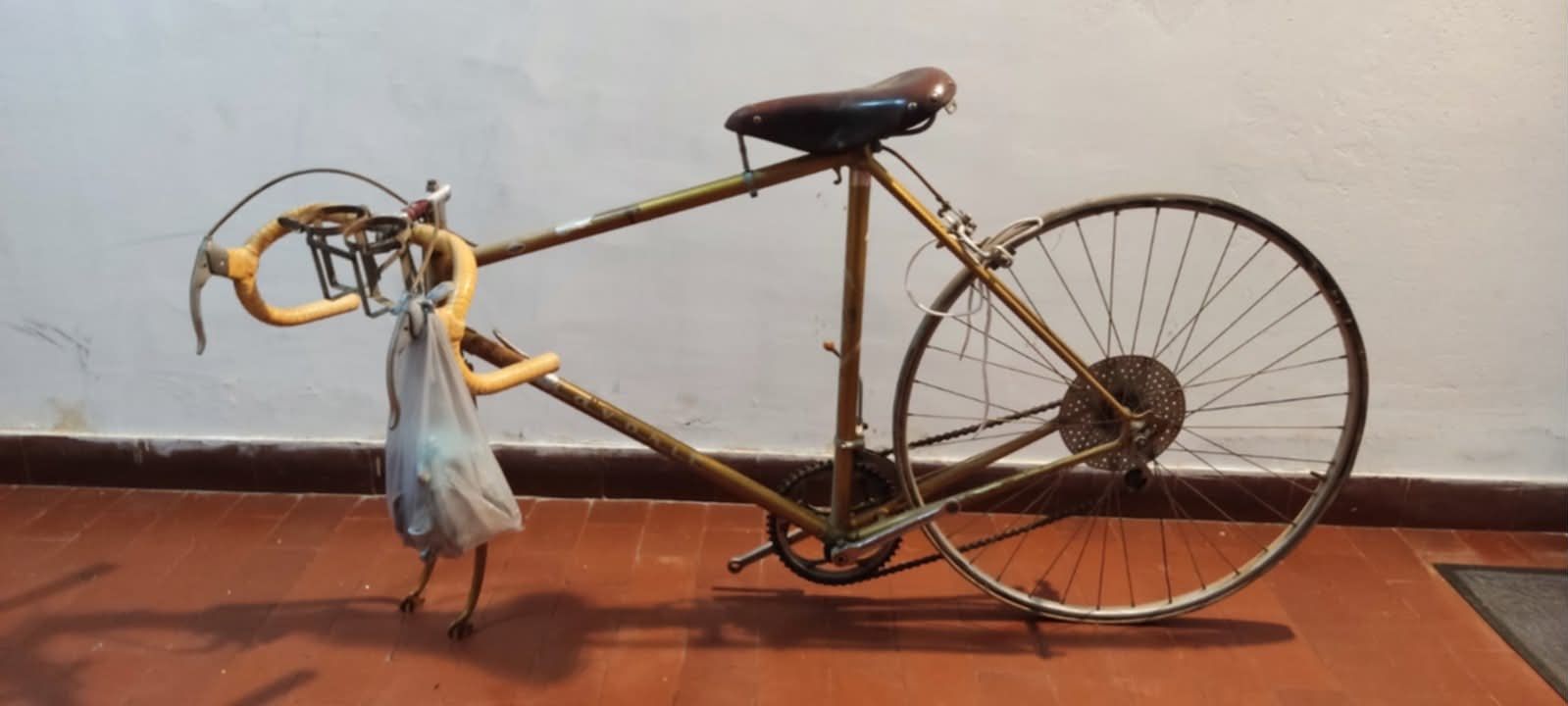
A friend with a passion for vintage cars and Harley-Davidson motorcycles had sent him the advert. Everyone around Stefan knew his weakness for old racing bicycles, and the gold Favorit was difficult to ignore. He called and set off for the town near Belgrade with a friend for company.
The family welcomed them as if they had met before. Only after coffee, food and a quarter of an hour’s conversation did they begin to discuss the bicycle. It had belonged to the oldest man in the household, Srbinko Drakšan, and had been bought new in Pančevo.
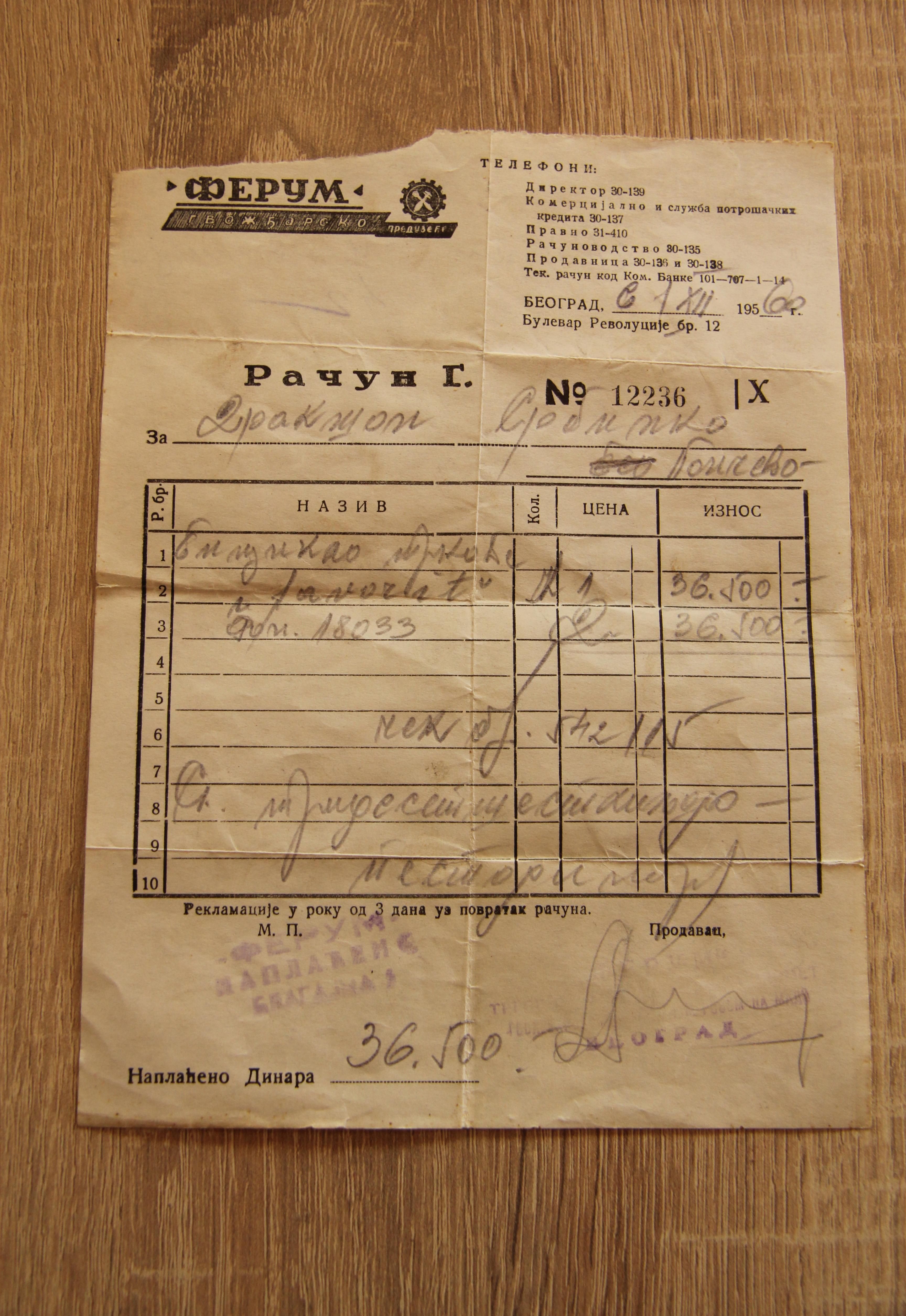
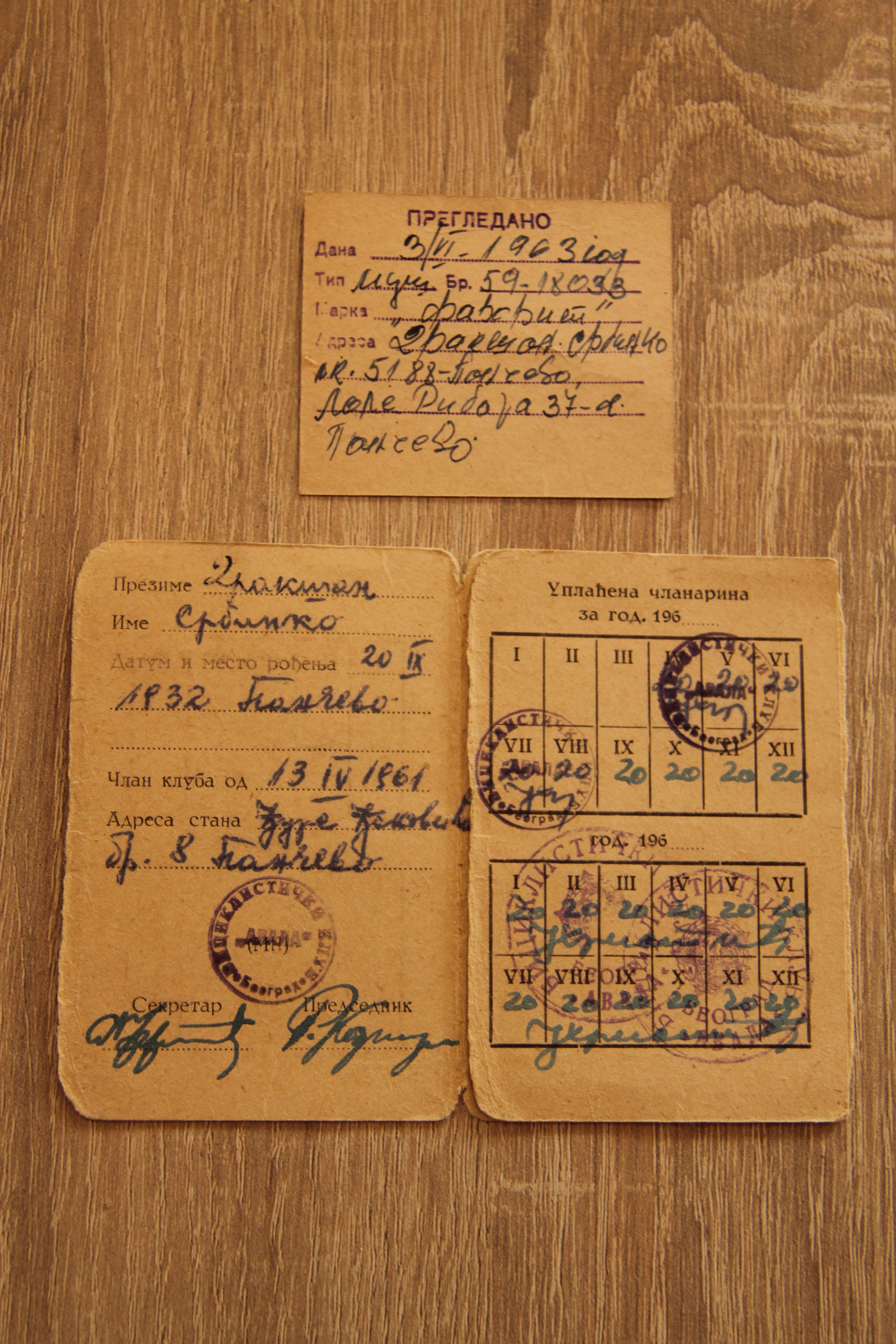
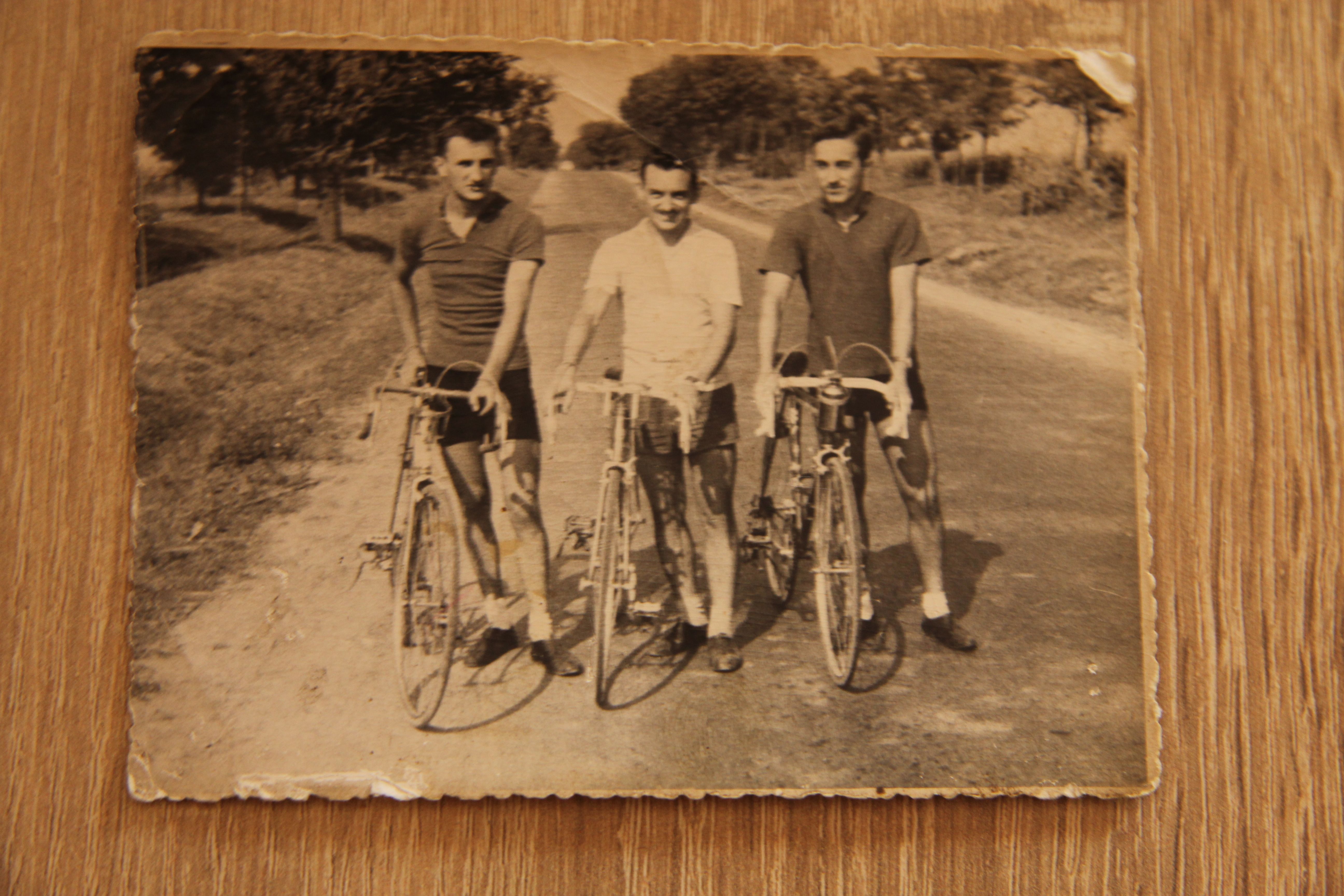
Then the papers appeared: a receipt dated 1 December 1960 for 36,500 Yugoslav dinars and a membership card from the Avala cycling club in Belgrade, where Srbinko had trained and raced. Only the original pump had disappeared over the years.
Finally, Srbinko himself entered the room. He was 93. Age and dementia had taken much of his memory, and he did not recognise the bicycle. The large family needed the space, so it had to move on.
A number beneath the bottom bracket
On the drive home, the pleasure of the find sat beside a more difficult thought: after more than 60 years, he had separated the bicycle from its first owner. He promised to send the family photographs when the work was finished.
Favorit had been common in the former Yugoslavia, but Stefan had never worked closely with the marque. Old catalogues did not provide a firm model identification, so he contacted Marek Sučanek of OnRoad Vintage Bikes. Sučanek referred the question to Favorit specialist Milan Moravec.
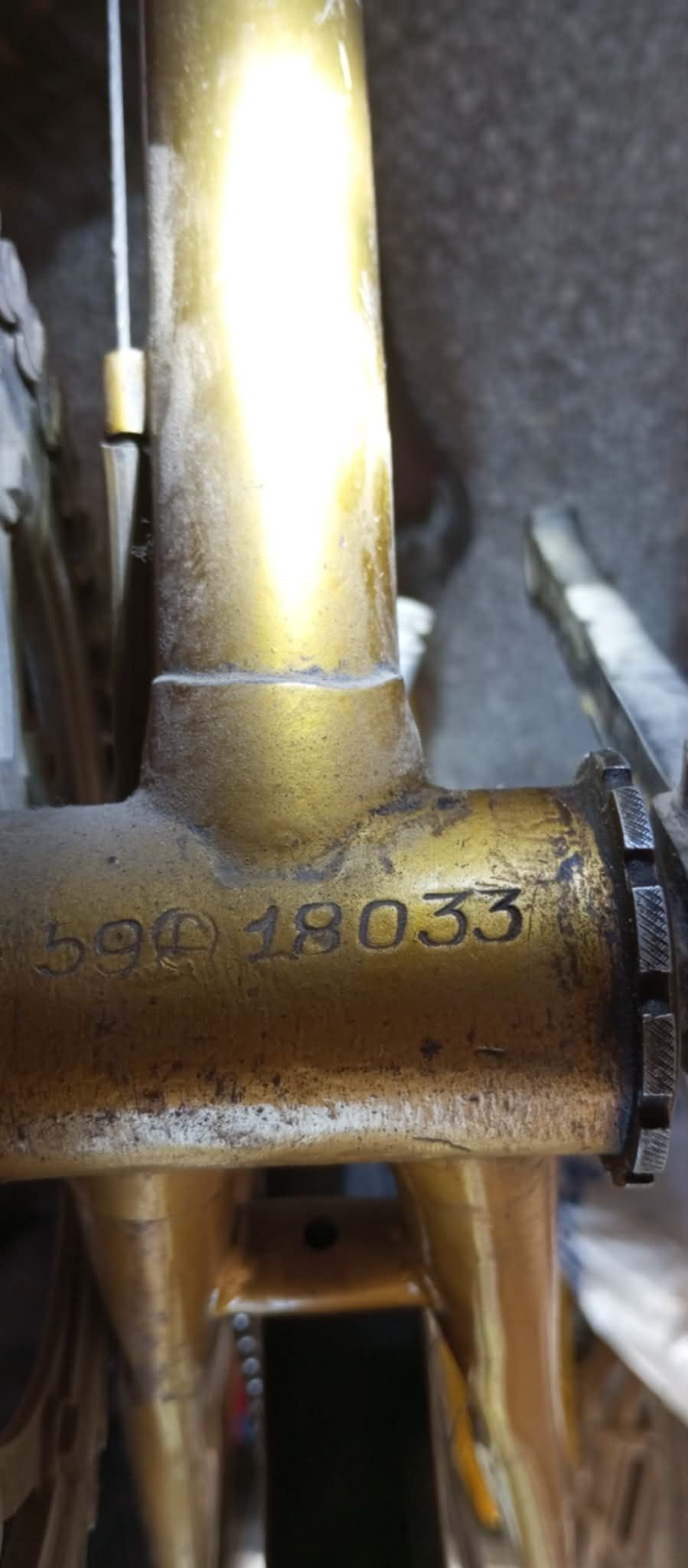
The frame number beneath the bottom bracket was 59F18033. Moravec identified the bicycle as an F11 and interpreted the number as pointing to 1959. The receipt therefore records its sale the following year.
The strip of red beneath the lever
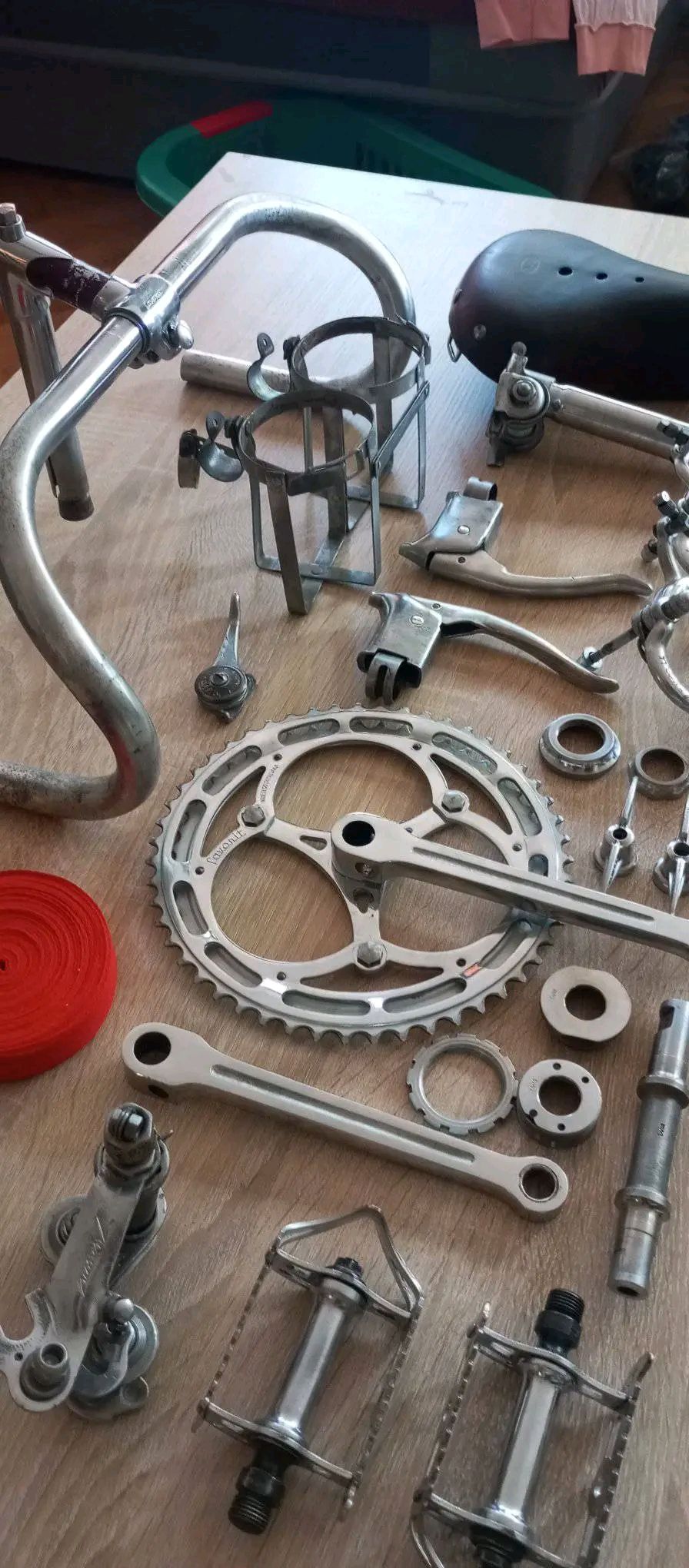
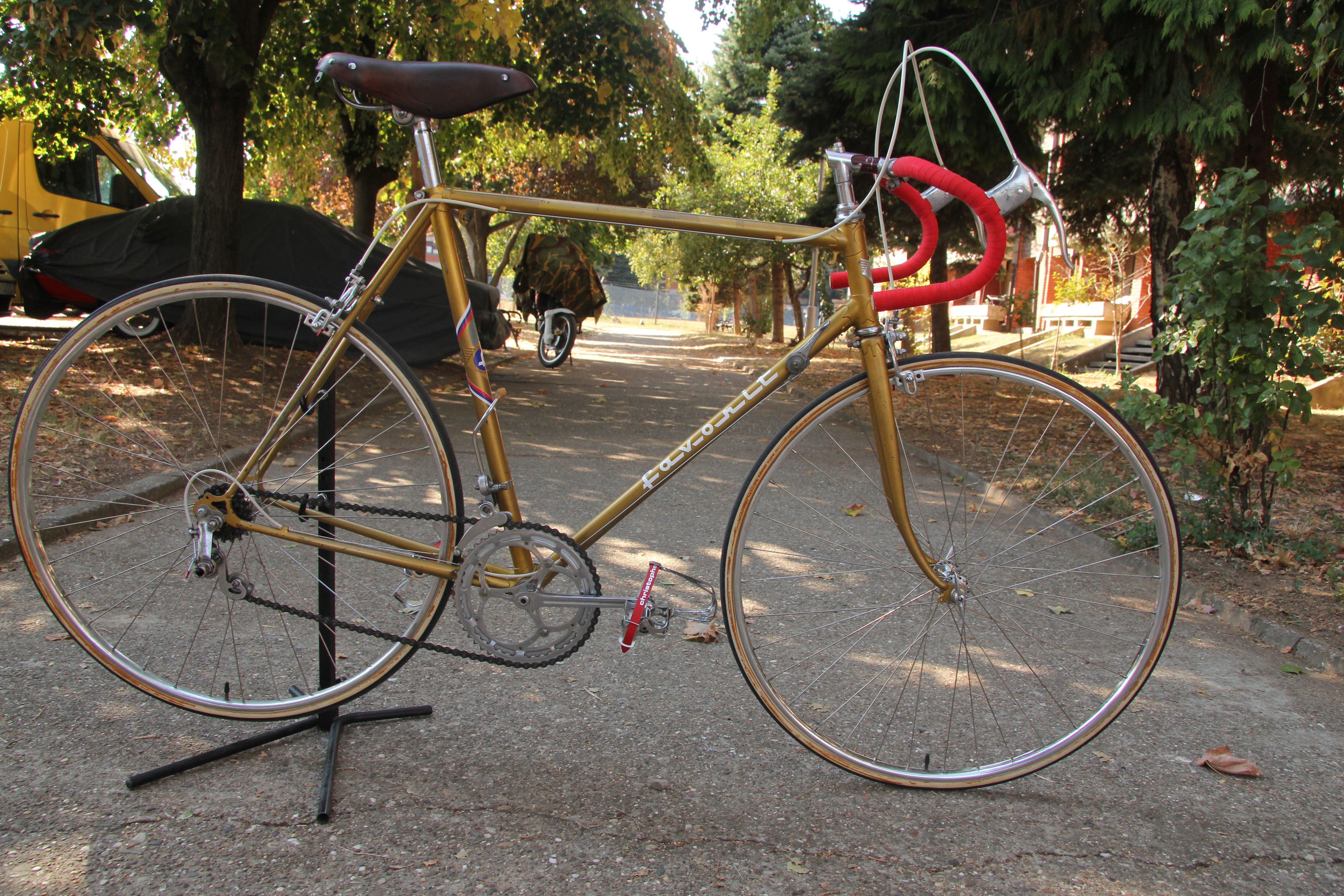
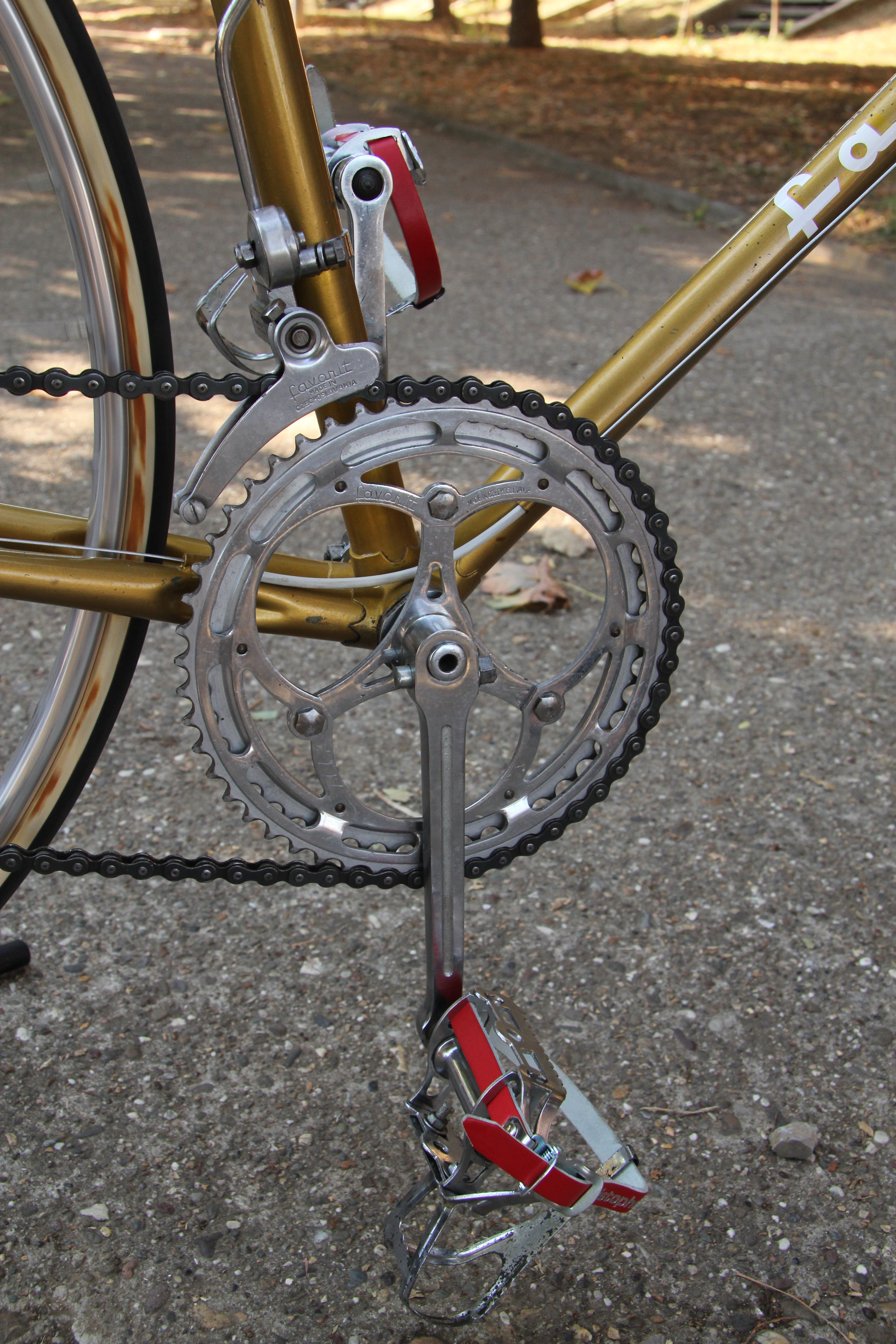
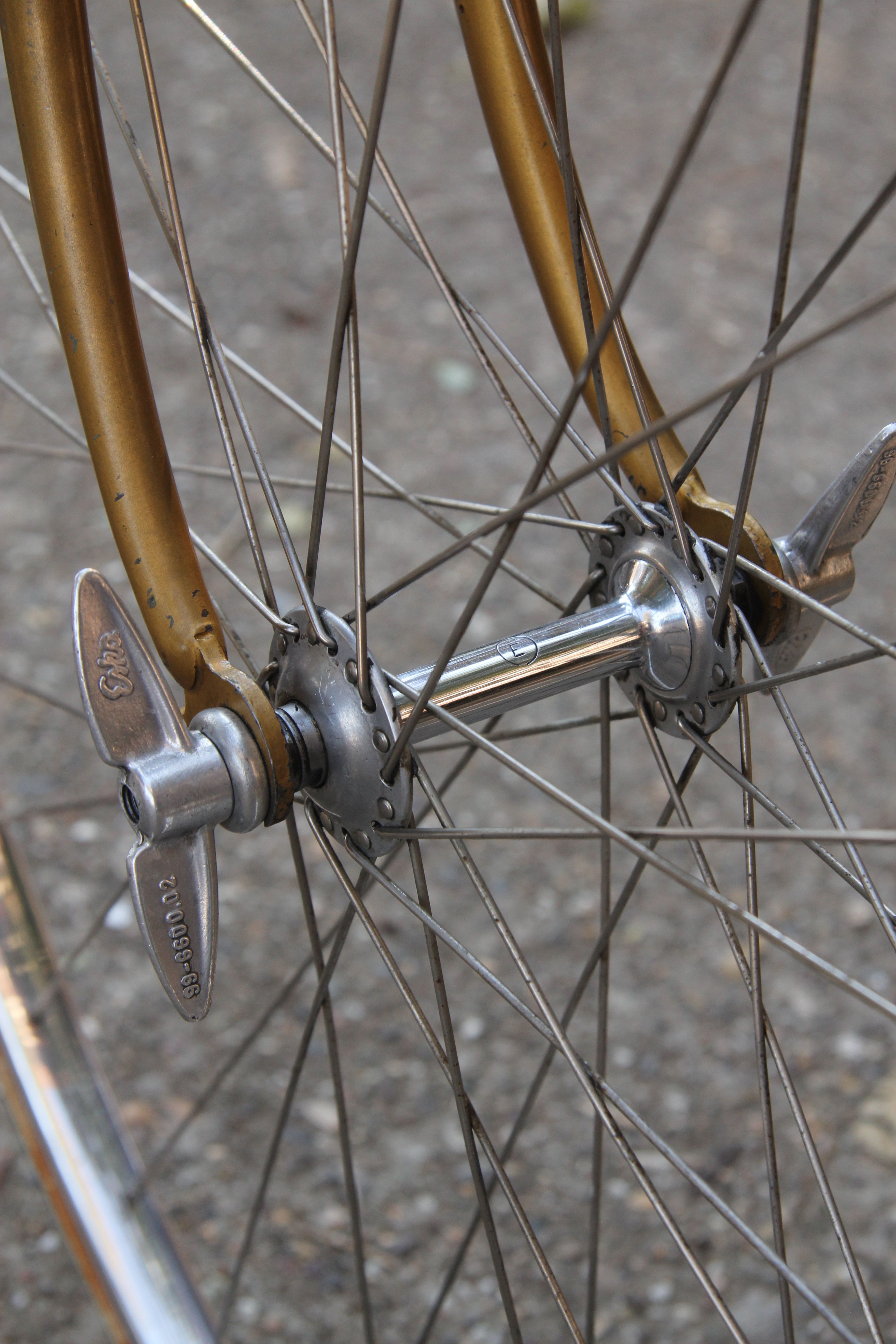
At the Numenor Cycles workshop, every component was dismantled, ultrasonically cleaned, polished, greased and reassembled. The frame retained its original gold finish. The deteriorated transfers disappeared during cleaning and were replaced with reproductions; according to Stefan, the remaining equipment was original to the bicycle.
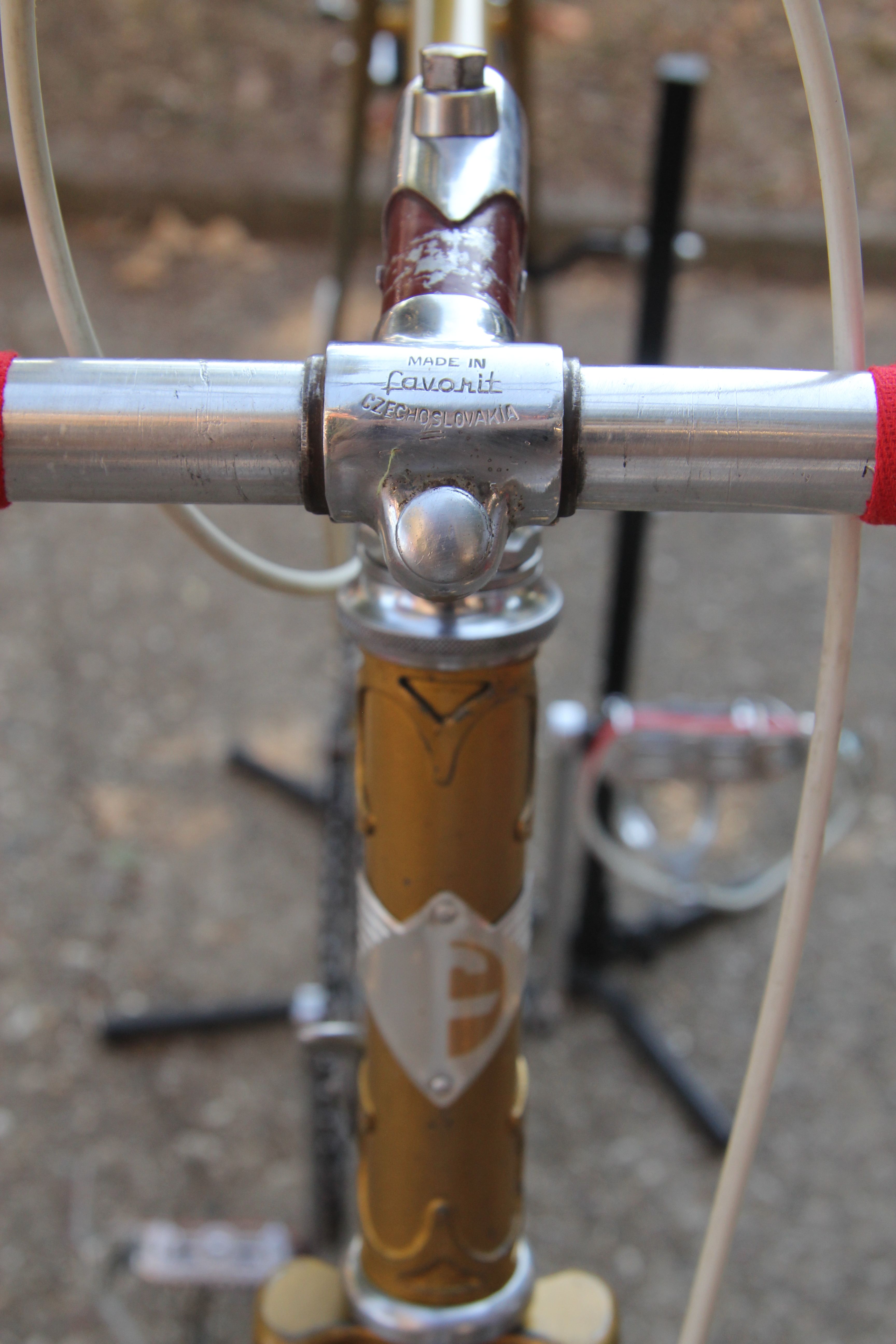
The handlebar tape supplied the sort of small clue on which a restoration can turn. Yellow electrical tape covered pale-blue cotton tape. Milan Moravec explained that bicycles of the period could be delivered with red or grey tape.
When the blue tape came away from the brake lever clamp, a small strip of red remained underneath. That settled the question. Stefan even had a roll in the same shade and texture. Wine corks closed the bar ends, as riders often did at the time.
Only the bearing balls in the hubs and bottom bracket and the brake and gear cables were replaced. New red Christophe Zefal toe straps were fitted. White cable housing replaced the worn gold housing, but the original pieces were preserved with the papers.
Stefan does not intend to keep the F11. A teacher’s salary and limited workshop space place a natural limit on the number of projects he can retain. Its next owner will therefore receive not just the bicycle but its receipt and story as well.
Few old bicycles arrive with a receipt, club card and photographs of their first owner. This one did. Shortly after finishing the account, Stefan realised that the same day was Srbinko’s 94th birthday.
Papers, people and mechanics
What accompanied the bicycle
Selected photographs from the family and the restoration.
Sources and image note
The story is based on Stefan Đurić’s account, family photographs, the purchase receipt, club card and frame number. The model and year identification is Milan Moravec’s assessment.
Text and images were submitted by Stefan Đurić. Follow his restoration work at Numenor Cycles on Facebook and under #NumenorCycles.
Continue exploring
More from cycling history
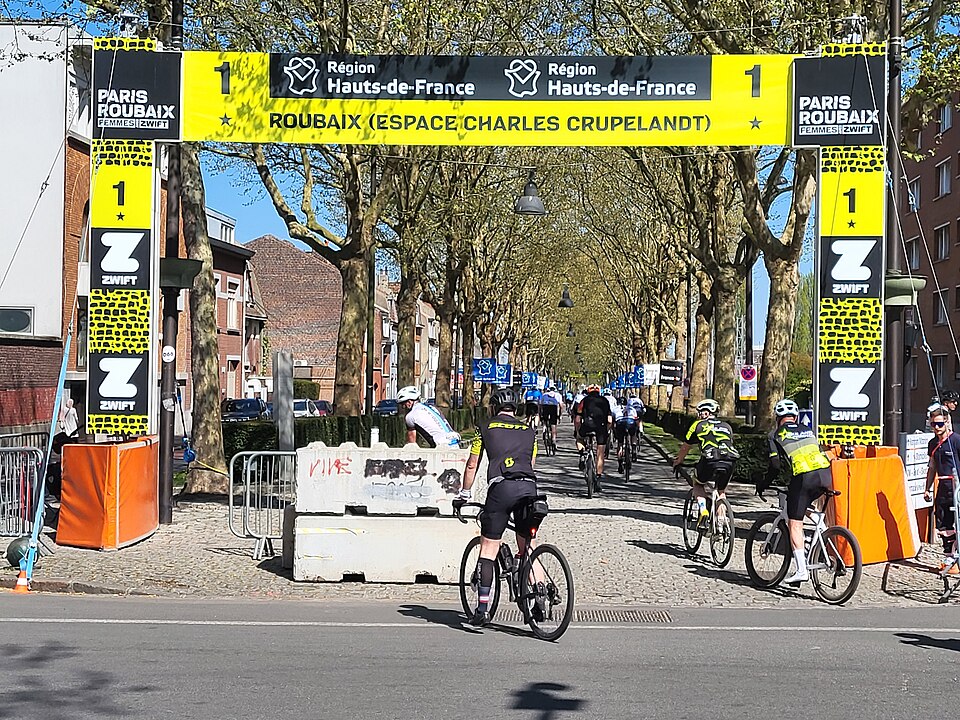
When the alarm clock cost twenty minutes on the Paris–Roubaix route
Jonas B. Hansen woke up 45 minutes late in Roubaix. By the time he reached the start, the others had left and the rest of his day became one long chase.
Read the story →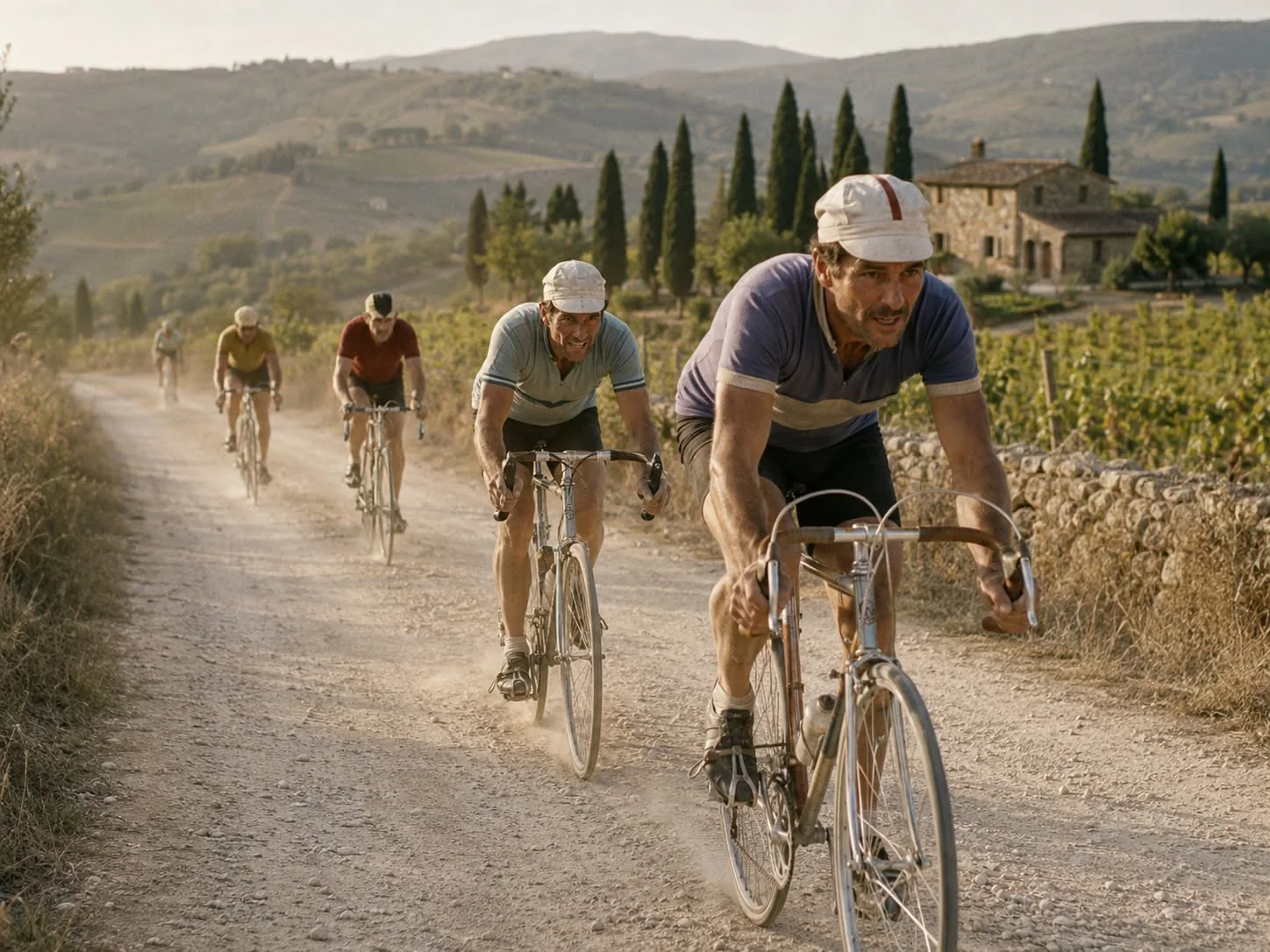
When old bicycles found new roads
L’Eroica began with 92 riders on Tuscany’s white gravel roads.
Read the story →
When the computer took over the bicycle
See the races, people, bicycles and changes that shaped the period.
Explore the period →