Races and great moments · Tour de France · 1989
Eight seconds on the Champs-Élysées
Laurent Fignon began the Tour’s final day with 50 seconds in hand. After 24.5 kilometres against the clock, Greg LeMond had won the race by eight.
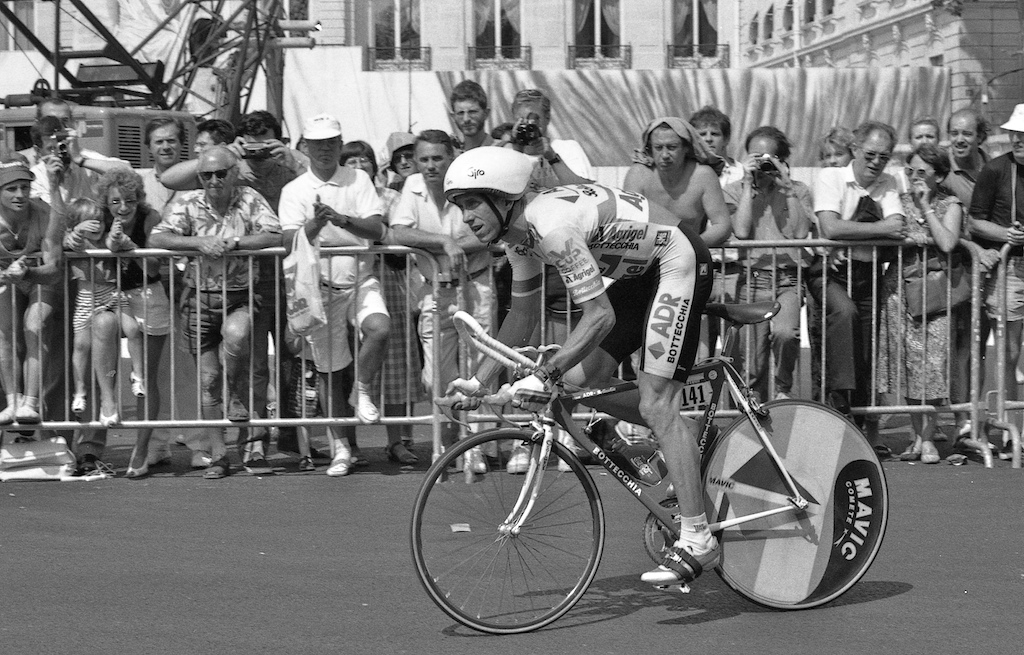
Laurent Fignon began the Tour’s final day with 50 seconds in hand. After 24.5 kilometres against the clock, Greg LeMond had won the race by eight.
A race still open
The 1989 Tour had changed hands several times. Before the last stage, Laurent Fignon led by 50 seconds. Paris would normally have been a procession. This time, a 24.5-kilometre time trial began in Versailles.
LeMond made himself narrow
Greg LeMond used aero bars, an aerodynamic helmet and a compact position. The equipment made the difference visible, but the ride also came from pacing, training and a rider seriously wounded in a hunting accident two years earlier.
Fifty-eight seconds on the road
LeMond completed the stage in 26 minutes 57 seconds. Fignon took 58 seconds longer. A 50-second deficit became an eight-second overall victory, the smallest margin in Tour history.
Fignon was not old-fashioned
The story becomes too simple if Fignon is reduced to the man without the right handlebar. He had won the Tour twice and ridden a strong race. The time trial was a sum of form, position, choices and seconds across the course.
When aerodynamics acquired a face
Eight seconds gave the development a story everyone understood. After Paris, no leading team could treat a rider’s frontal area as a detail. The time-trial bicycle had become a tool capable of moving the Tour itself.
Sources

Continue exploring
More from cycling history
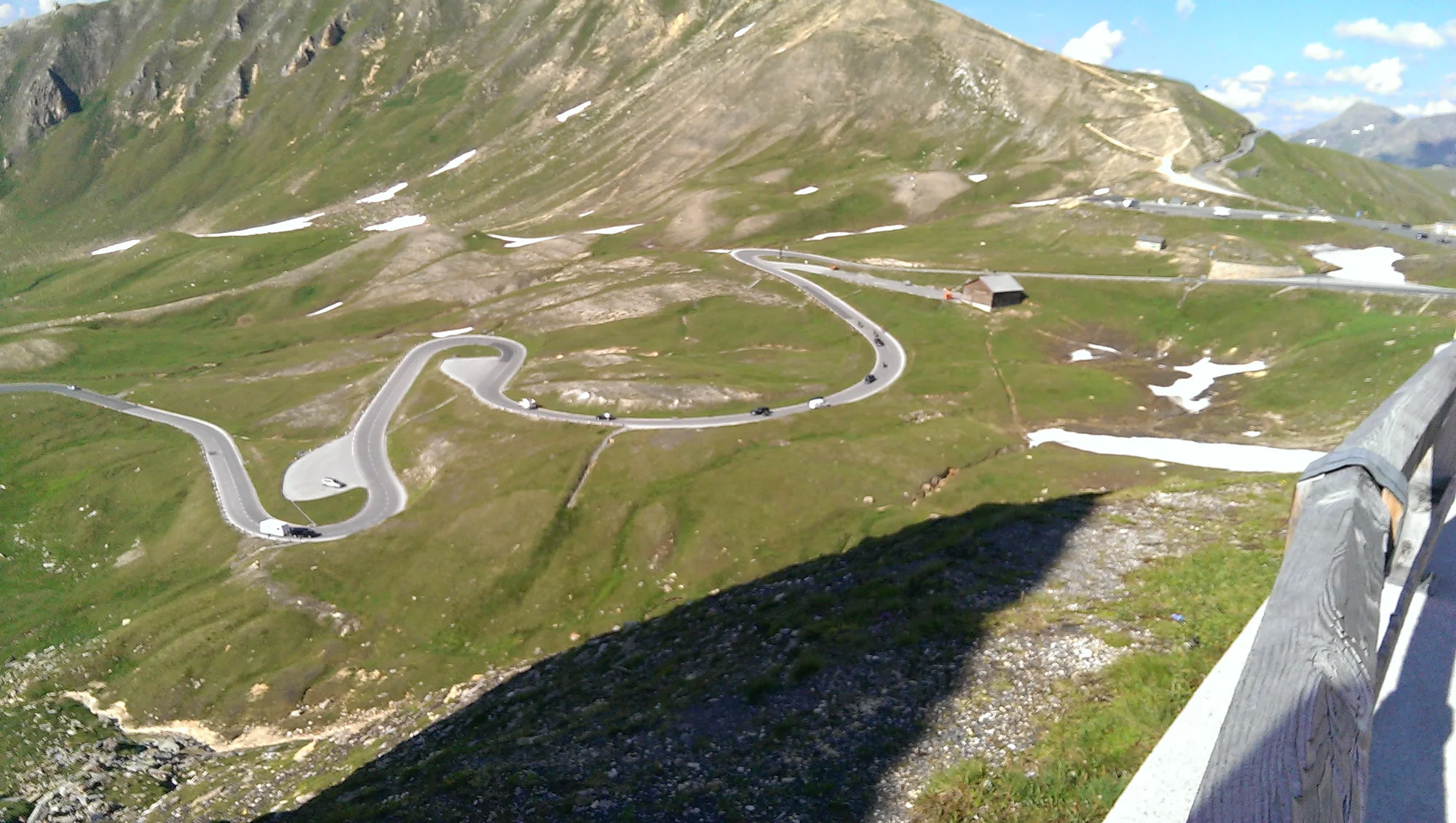
When the rainwear came up in the sunshine
A rucksack full of dry clothes, long trousers and a jacket travelled about 30 kilometres up the Großglockner — in 28-degree heat.
Read the story →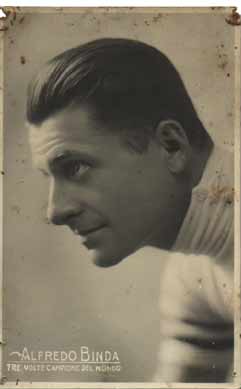
When the Giro paid Binda to stay at home
Alfredo Binda had made the Giro so predictable that the organisers paid him 22,500 lire not to start.
Read the story →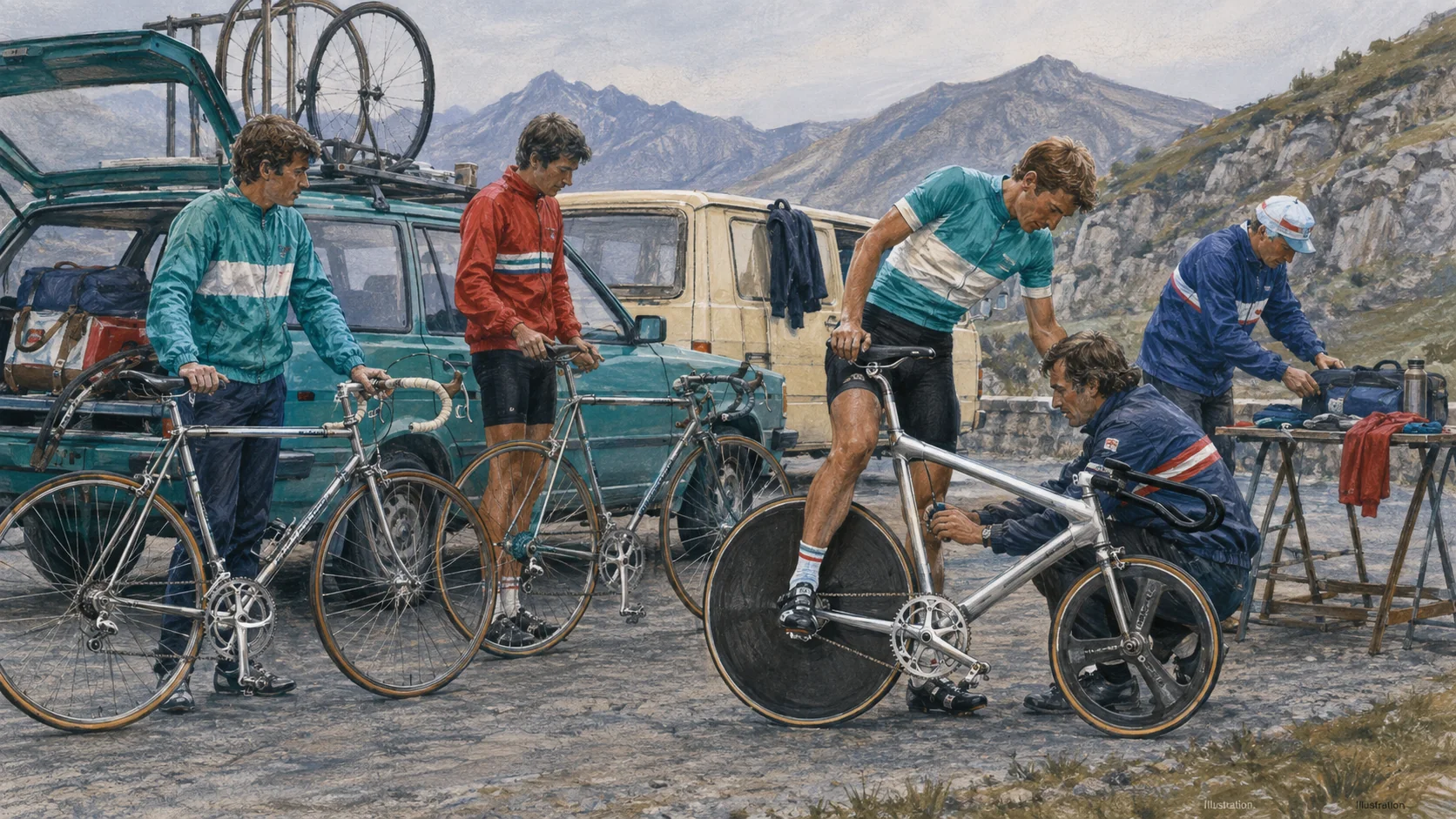
When the bicycle became a laboratory
See the races, people, bicycles and changes that shaped the period.
Explore the period →