Giro d’Italia · 1930
When the Giro paid
Binda to stay at home
The best rider had become a problem. The solution was 22,500 lire and a start list without him.
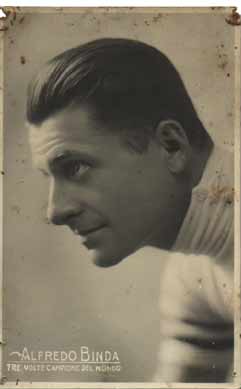
An unusual invitation
Legnano was welcome at the 1930 Giro. Its strongest rider was not. The organisers had found a way to open the race again.
Four victories in five years
Alfredo Binda had won the Giro d’Italia in 1925, 1927, 1928 and 1929. It was not only the number that caused trouble. In 1929 he won eight consecutive stages and made the fight for first place so one-sided that the Giro’s own historical archive describes the race as nearly falling asleep.
A great champion ought to be the race’s best advertisement. But when the outcome appeared settled beforehand, spectators lost interest and younger riders could do little more than contest second place.
The Giro changed the admission ticket
The organising newspaper La Gazzetta dello Sport introduced invitations for the 1930 edition. Legnano was invited, but Binda was kept out. It was an administrative answer to a sporting problem: the rules on the road stayed the same, but the organisers decided who could reach the start line.
The Giro’s own history calls it an exclusion. The popular wording that Binda voluntarily stayed home therefore hides an important detail.
The price of a Giro victory
Binda protested. To satisfy him, the organisers offered 22,500 lire. The Giro’s official archive and the UCI describe this as equivalent to the prize for overall victory.
Other later accounts explain the sum as a calculation of likely stage victories, the overall placing and the team bonus. Details vary, but the amount and the payment itself are well documented.
A race without the favourite
Suddenly, others could win
The Giro started in Sicily and produced the open contest the organisers wanted. Luigi Marchisio won ahead of Luigi Giacobbe and Allegro Grandi. At 21, he was then the race’s youngest winner.
This does not make Marchisio’s victory less real. Yet the whole race carried an absence: the reigning champion had not been beaten on the road. He had been removed from the equation before the start.
The champion returned
The payment did not stop Binda. It merely postponed his next Giro victory.
That same year Binda became world champion for the second time. In 1933 he returned and won the Giro for a fifth time. The episode was not the beginning of his decline, but one year in which the organisers did not dare let him try.
His five Giro victories were later equalled by Fausto Coppi and Eddy Merckx. No one has surpassed them.
Sport and business
When the strongest became too strong
The affair shows that a stage race is never only a neutral measurement of who can ride fastest. It is also a newspaper, a business and a story that must keep the public interested from the first stage to the last.
In 1930, suspense was not created with a new mountain finish or time bonuses. It was bought for 22,500 lire.
Continue exploring
More from cycling history
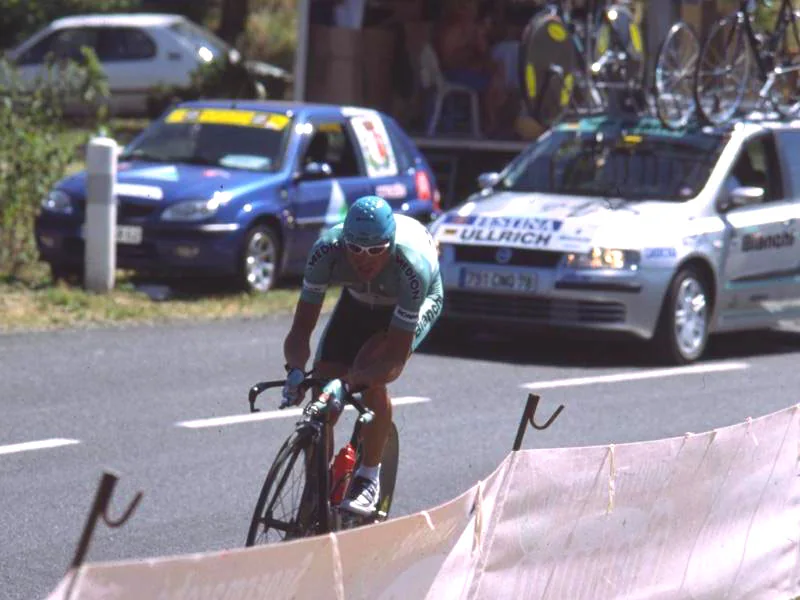
The blood bags that reached the Tour before the start
Operación Puerto led from a Madrid clinic to the Tour start in Strasbourg, where Ivan Basso and Jan Ullrich never took the line.
Read the story →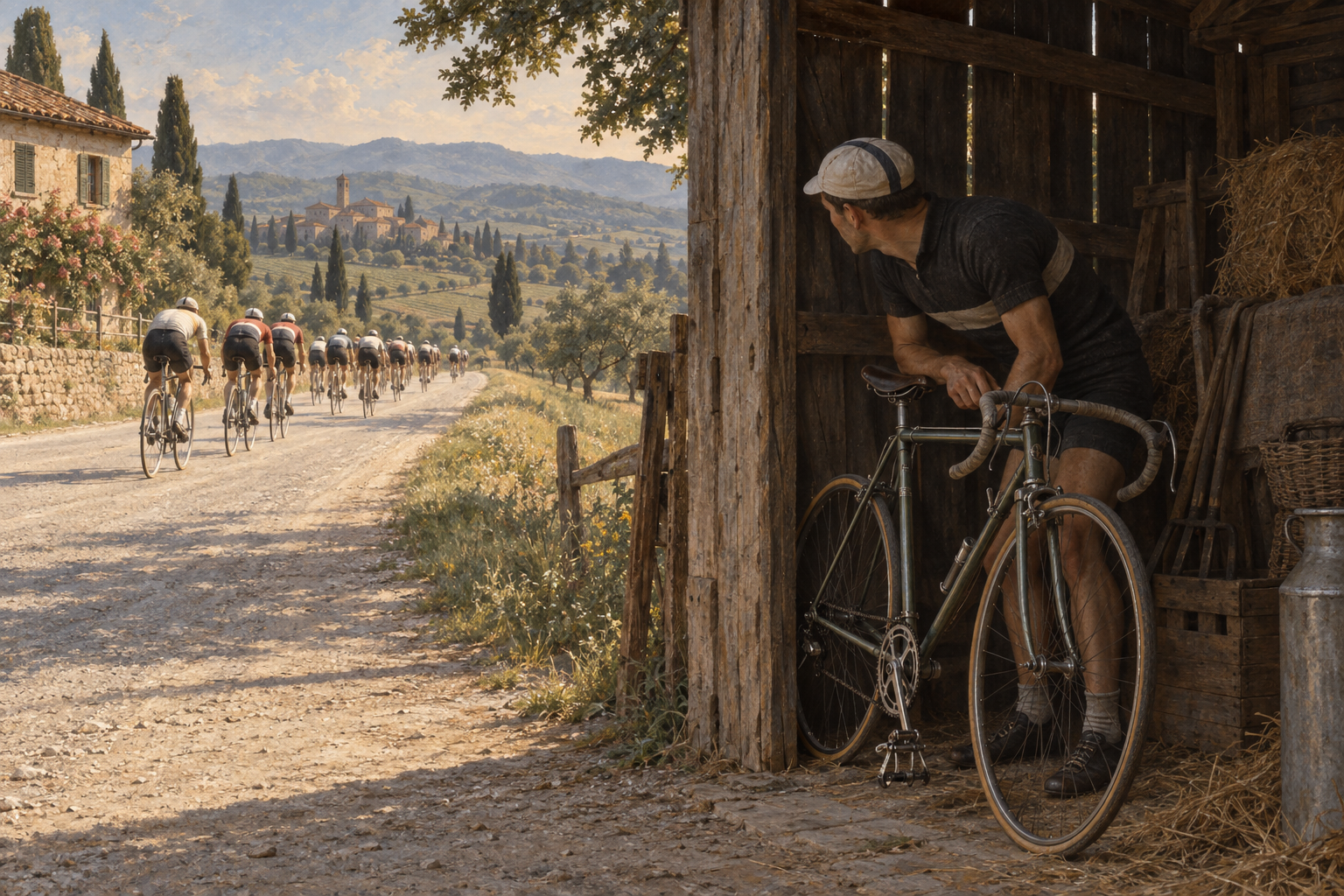
The hide-and-seek contest for the Giro's black jersey
Luigi Malabrocca tried to finish last in the 1949 Giro. The problem was that bricklayer Sante Carollo was already almost two hours further behind.
Read the story →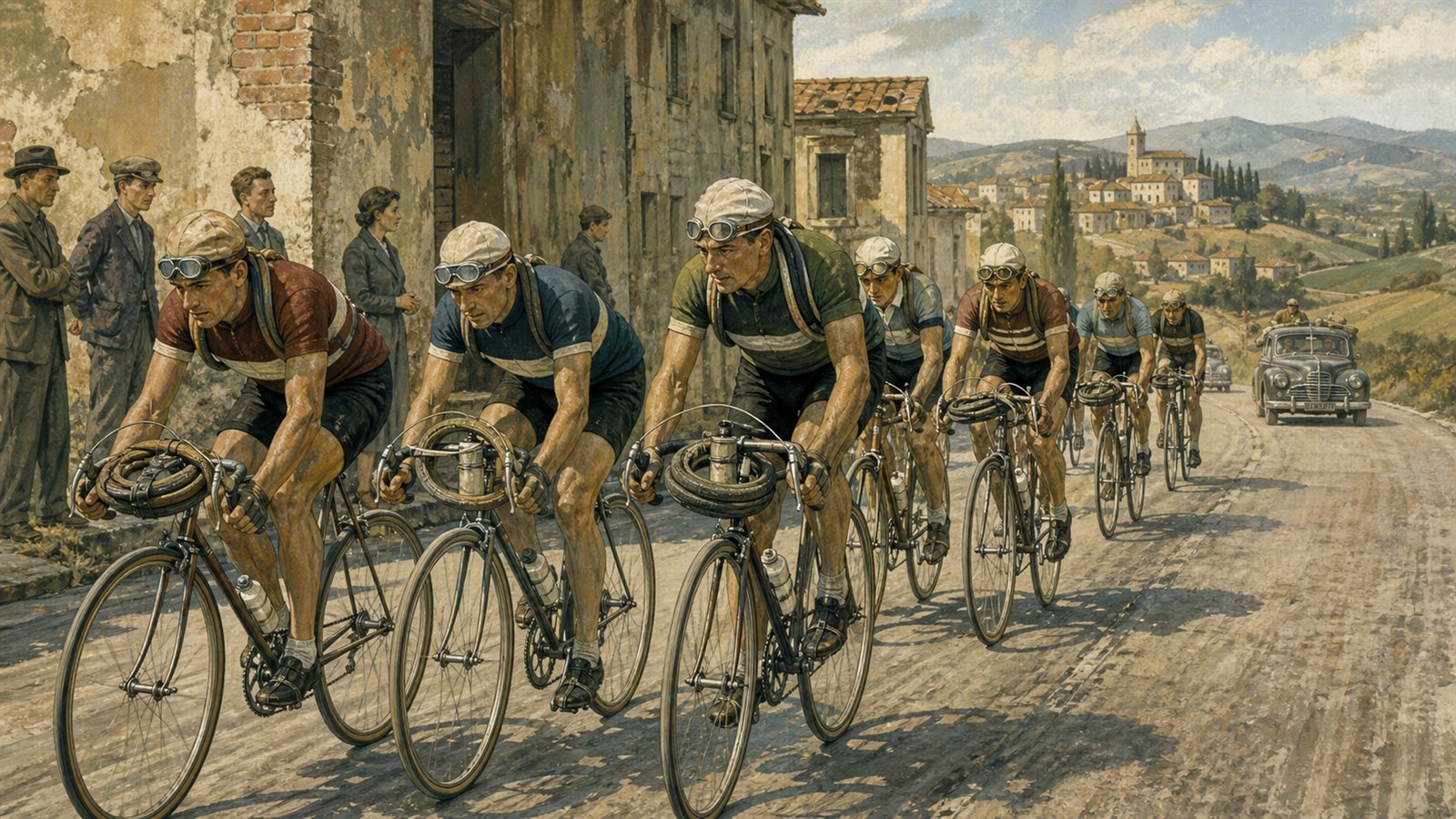
When war closed the roads
See the races, people, bicycles and changes that shaped the period.
Explore the period →