Society and its time · Doping · 2006
The blood bags that reached the Tour before the start
The Tour peloton was ready in Strasbourg when names from a Spanish police investigation began to have practical consequences. Ivan Basso and Jan Ullrich never started.
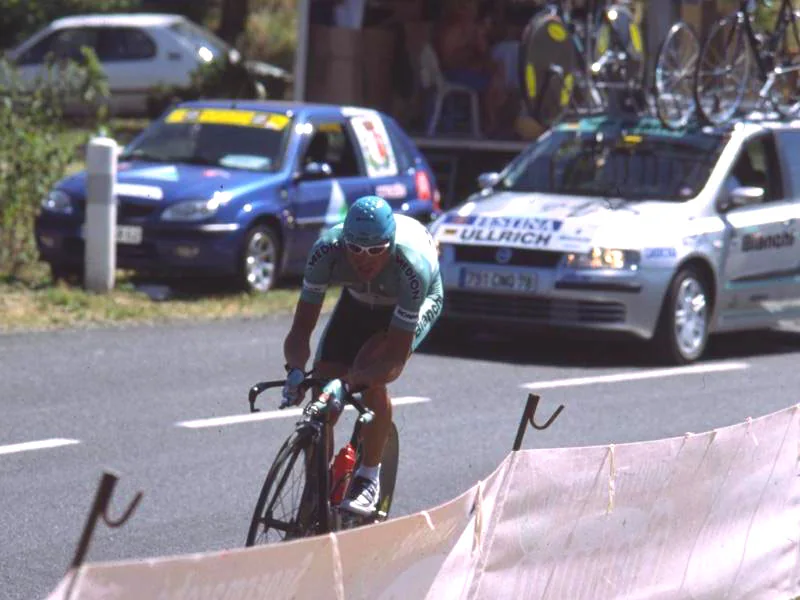
The Tour peloton was ready in Strasbourg when names from a Spanish police investigation began to have practical consequences. Ivan Basso and Jan Ullrich never started.
An investigation in Madrid
Spain’s Guardia Civil investigated doctor Eufemiano Fuentes and a network involving blood transfusions and doping products. A May 2006 operation seized documents, equipment, blood and plasma. The UCI later put the total at 211 bags.
The start list changed
Days before the Tour began in Strasbourg, the case was linked to numerous riders. Favourites Ivan Basso and Jan Ullrich were removed by their teams. Astana-Würth no longer had enough riders to start.
Codes, dog names and DNA
Fuentes’ records used code names. Later proceedings and DNA comparisons linked riders including Basso and Ullrich to blood bags. Basso admitted having blood extracted for an intended later transfusion.
Different systems
Anti-doping rules, Spanish criminal law and access to police evidence did not work in the same way. WADA and the UCI spent years trying to obtain and use the material in sporting cases.
Before the first stage
Operación Puerto changed the Tour without a kilometre being raced. The last-minute exclusions did not solve cycling’s problem. They showed how organised it had become and how awkwardly evidence moved between police, courts and sport.
Sources
Continue exploring
More from cycling history
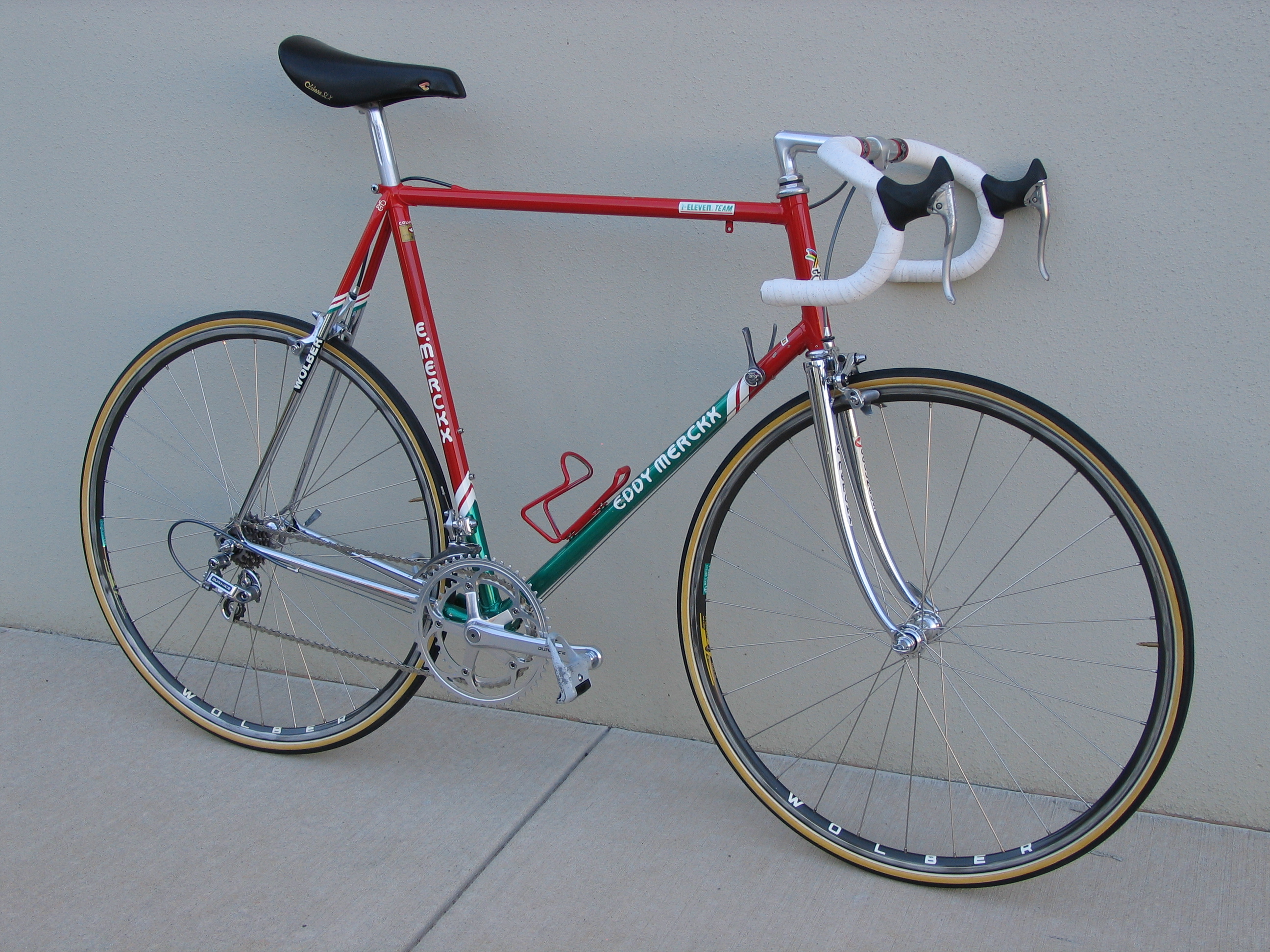
When 7-Eleven came to Europe
The American team learned Europe’s unwritten rules at the Giro and became the first US-based team in the Tour de France a year later.
Read the story →
Bartali's training rides had another purpose
During the German occupation of Italy, Gino Bartali used the familiar sight of a professional rider in training as cover while carrying material for a rescue network.
Read the story →
Pioneers and endurance
See the races, people, bicycles and changes that shaped the period.
Explore the period →