The people behind cycling · Second World War · 1943–1944
Bartali's training rides had another purpose
Gino Bartali was known for training over long distances. During the German occupation of Italy, that familiar habit made him useful as a courier for a rescue network.
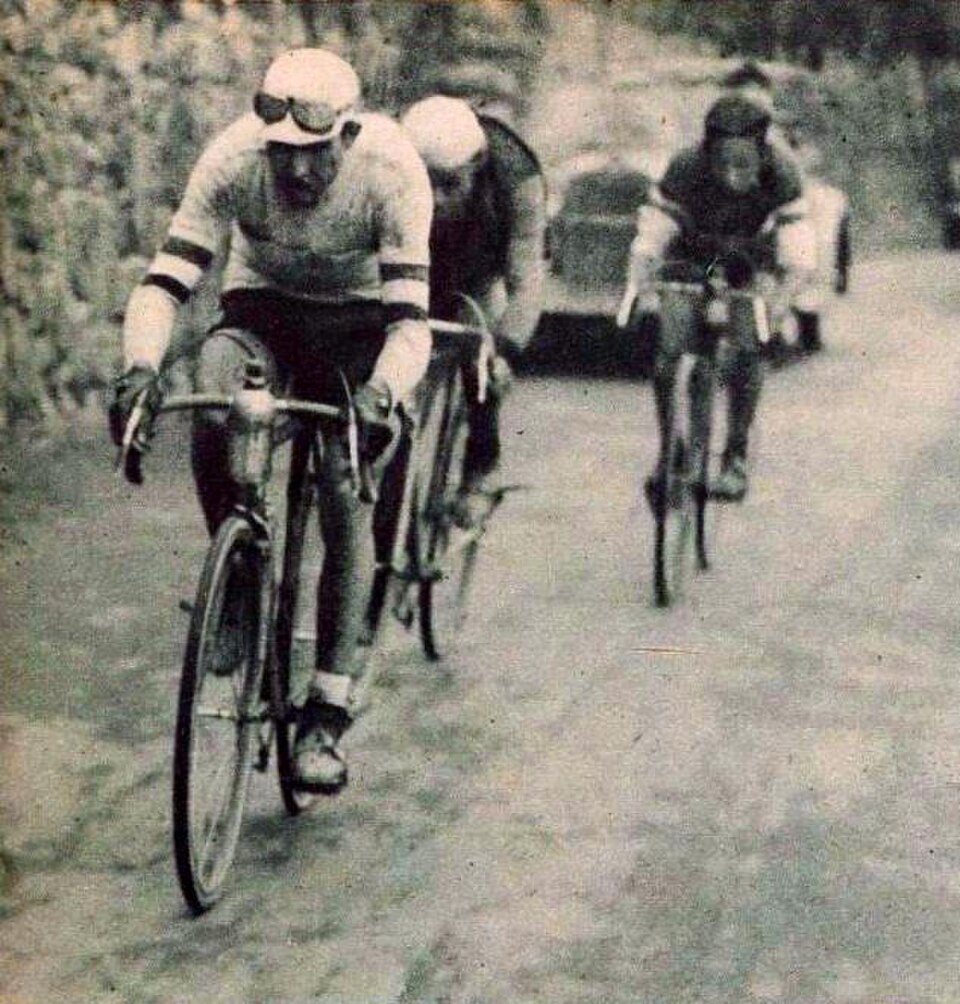
Gino Bartali was known for training over long distances. During the German occupation of Italy, that familiar habit made him useful as a courier for a rescue network.
A famous man on familiar roads
After the German occupation of northern and central Italy in September 1943, Bartali worked as a courier for a network around Cardinal Elia Dalla Costa and Rabbi Nathan Cassuto. His long journeys between places including Florence and Assisi looked like what the public already knew him for: a professional rider in training.
Documents between cities
Yad Vashem’s investigation documents that Bartali carried false papers and other material between members of the network. Sources describe different hiding places on the bicycle, so the precise location should not be made the story’s single certain detail. His role as a courier is firmly established.
The bicycle as an explanation
When stopped, Bartali could point to his training and his famous name. Witness accounts say that he asked officials not to touch the bicycle because its adjustment was vital to his sport. The explanation worked precisely because a professional racing bicycle really was a carefully fitted working tool.
Part of a larger network
Bartali did not act alone. Priests, Jewish helpers, forgers, families and couriers each carried out part of the work. The often-repeated figure of more than 800 people saved should therefore not simply be credited to Bartali personally. His contribution was real; it was also collective.
A story he did not sell
After the war, Bartali said little publicly about this work. In 2013, Yad Vashem recognised him as Righteous Among the Nations. The recognition rests on testimony and his documented role, not on a need to turn one famous rider into the network’s only hero.
Sources
Continue exploring
More from cycling history
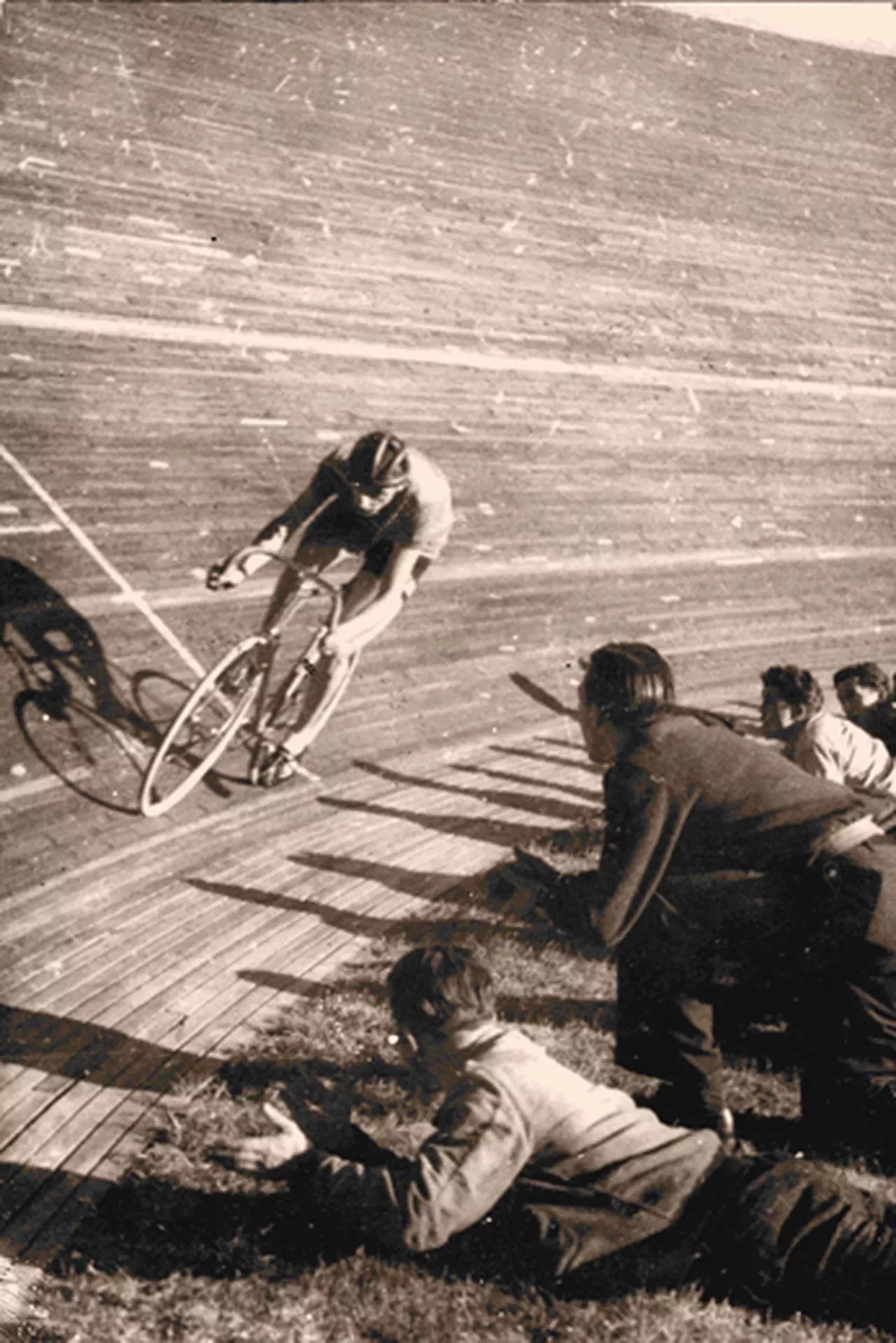
The track bicycle said to weigh 3.48 kilograms
Ugo Bianchi built bicycles for Legnano’s finest riders. A later account credits him with a 3.48-kilogram track machine—a number that invites both curiosity and a raised eyebrow.
Read the story →
When Philippe Gilbert rode away on the Oude Kwaremont
An attack more than 50 kilometres from the finish became a solo ride over cobbles and climbs and Gilbert’s first Tour of Flanders victory.
Read the story →
When the racing bicycle became modern
See the races, people, bicycles and changes that shaped the period.
Explore the period →