Mechanics with consequences · Track cycling · 1948
The track bicycle said to weigh 3.48 kilograms
The scale is said to have stopped at 3.48 kilograms. That is an extraordinary figure for a metal track bicycle built in 1948—and precisely why the story needs checking before we ride away with it.
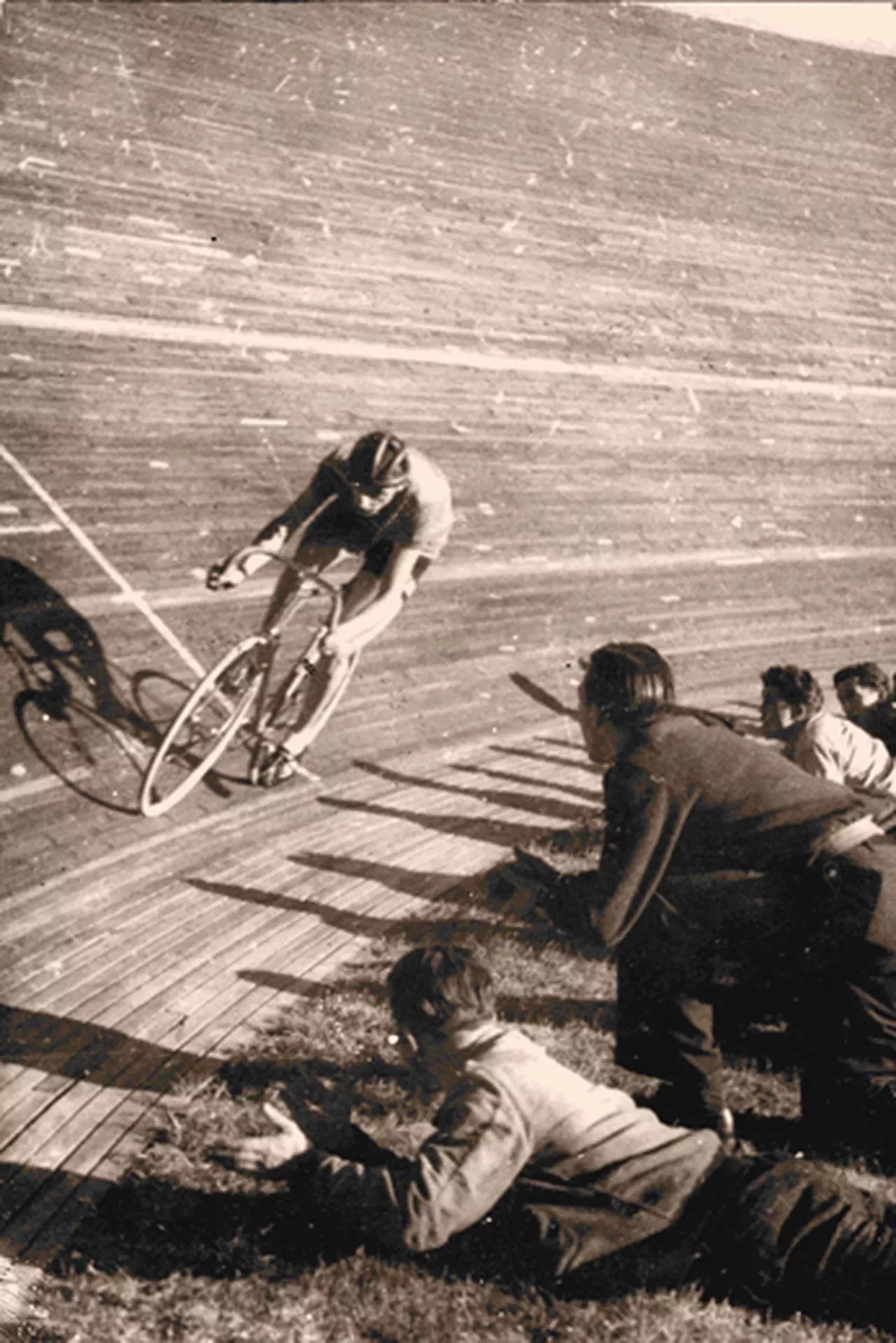
The scale is said to have stopped at 3.48 kilograms. That is an extraordinary figure for a metal track bicycle built in 1948—and precisely why the story needs checking before we ride away with it.
A number worth weighing twice
A track bicycle stands on the workshop floor. No brakes, derailleur, mudguards or bottle cages. The story goes that Italian mechanic Ugo Bianchi built such a machine in 1948 and that it weighed only 3.480 kilograms. The claim was later repeated with Coppi mechanic Pinella De Grandi as part of its line of transmission. I have not found a contemporary weighing certificate. The figure should remain a fine workshop story rather than an approved record.
Ugo Bianchi was real enough
The maker is easier to place. Ugo Bianchi worked with Legnano’s racing bicycles and De Grandi regarded him as a teacher. He also built the Legnano track bicycle used by Fausto Coppi for his 1942 hour record at the Vigorelli. That surviving bicycle gives us firm ground: a mechanic who understood the track and worked for riders able to feel a few millimetres or a reluctant bearing.
The track removed a few problems
A track bicycle is a useful starting point when everything unnecessary must go. There is a fixed hub, one sprocket and one chainring. No brakes, cables or shifting mechanism. The wheels run on an even surface rather than potholes and kerbs. Parts disappear, but loads do not. A standing acceleration twists handlebar, bottom bracket and rear wheel. A component filed too thin may offer no warning.
Gram by gram
We do not know the alleged bicycle’s construction, so precise explanations would be guesswork. The period toolbox is familiar: thin tubes, light wooden rims, aluminium parts, shortened bolts and fittings worked by hand. Every piece could lose weight. Eventually the mechanic faced the better question: was enough material left for the rider who had to use it?
Coppi’s bicycle weighed more than twice as much
Coppi’s documented 1942 record bicycle weighed about 7.5 kilograms. It had wooden rims, aluminium pedals and simple track equipment, yet had to survive an hour at speed. Six years later, Bianchi’s ultra-light machine supposedly weighed less than half as much. Something very light can certainly be built. We do not know whether 3.48 kilograms meant a complete, rideable bicycle with tyres and pedals—or whether it entered a proper race.
Record machine or workshop exercise
Without an owner, photographs and a contemporary weighing, we cannot say whether it was a racing tool, experiment or display piece. That matters. A machine can demonstrate how far material may be pushed without being suitable for a powerful sprinter. To my mind, this makes the story better. Forget shouting “record”; watch Ugo Bianchi with the file, deciding where the next gram might come from.
The number keeps its asterisk
For now, 3.48 kilograms is a handed-down figure. Ugo Bianchi’s work for Legnano and Coppi’s record bicycle are better supported; the 1948 machine is not. Still, the story shows weight hunting well before carbon fibre and electronic scales. Parts were measured, filed and tested. Somewhere in the workshop, someone may have lifted the bicycle with one hand and smiled. Until a weighing slip appears, that is enough.
Sources

Continue exploring
More from cycling history
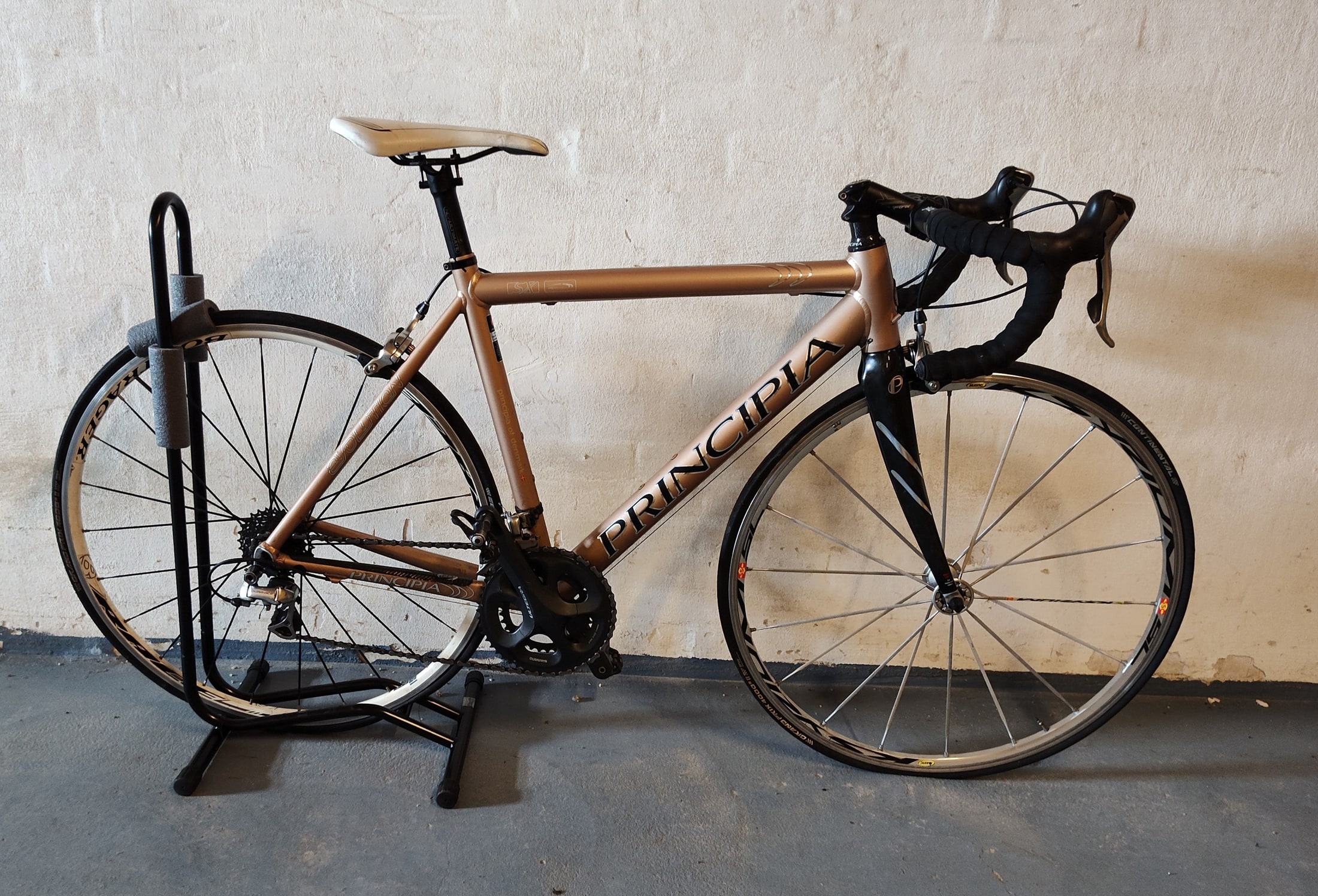
Principia and the Danish aluminium dream
Three triathletes in Aalborg began welding the aluminium frames they could not afford to buy. Within a few years, Principia was racing far beyond the basement workshop.
Read the story →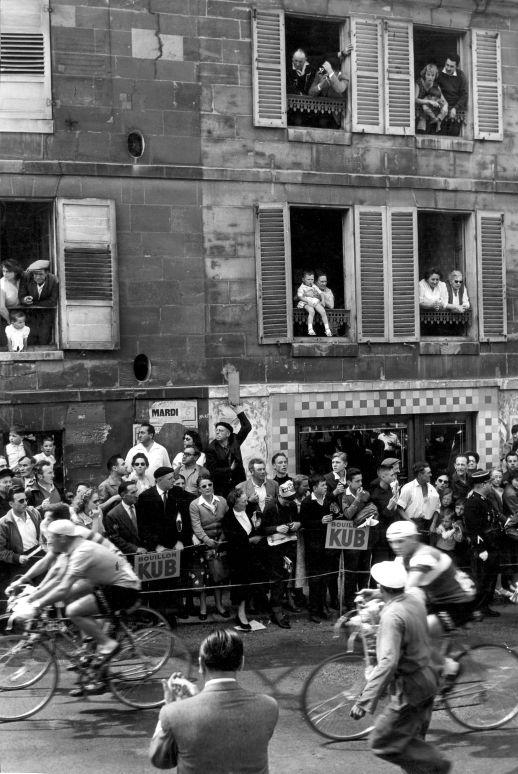
When television found the Tour
First came a live finish. In 1958 moving pictures arrived from the mountains, and a year later the helicopter joined the travelling television production.
Read the story →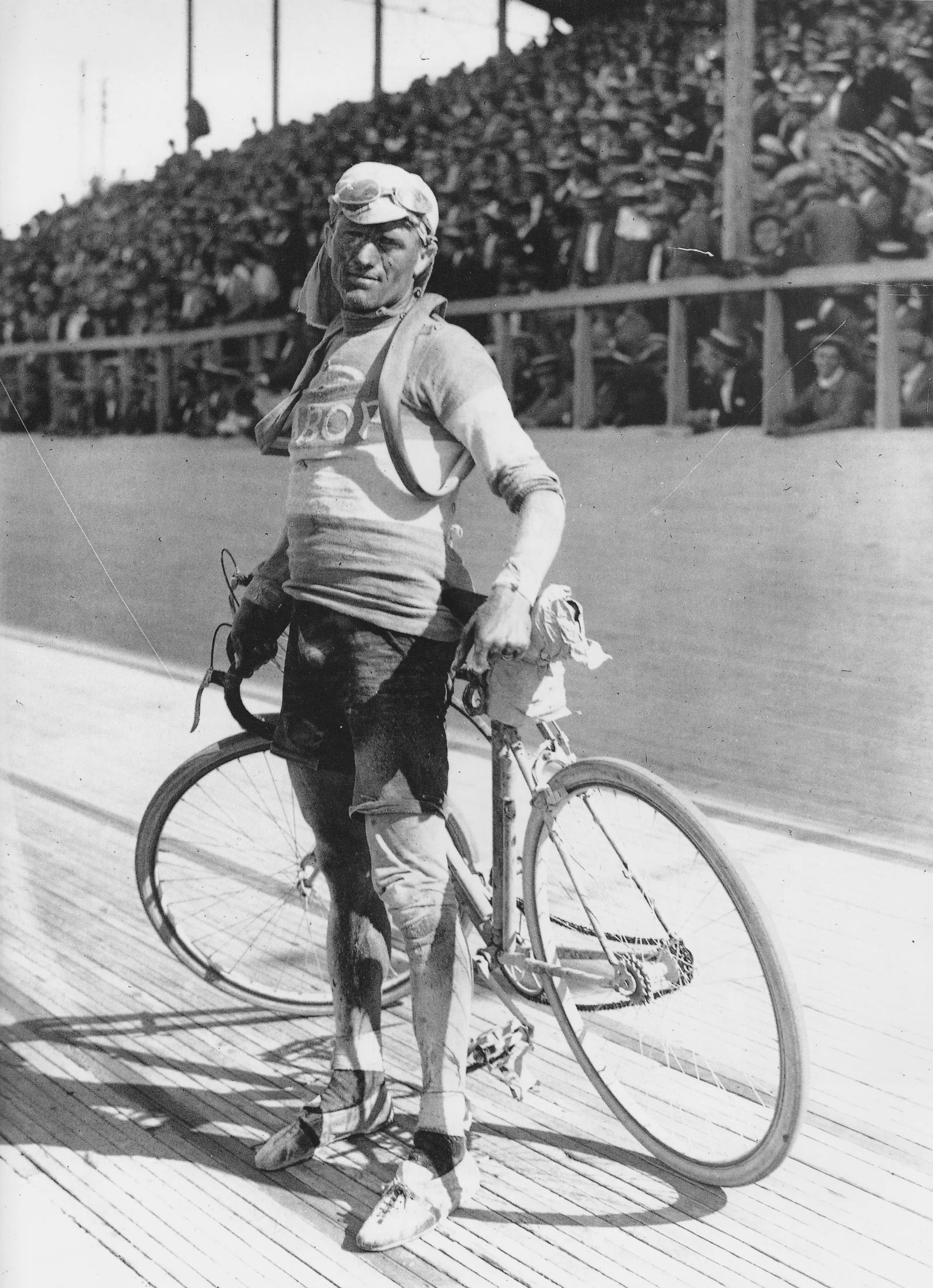
Pioneers and endurance
See the races, people, bicycles and changes that shaped the period.
Explore the period →