Society and the times · Professional teams · 1985–1986
When 7-Eleven came to Europe
A US team named after convenience stores reached the Giro in 1985 and the Tour a year later. It had to learn Europe’s unwritten rules, but it had not come merely to watch.
A US team named after convenience stores reached the Giro in 1985 and the Tour a year later. It had to learn Europe’s unwritten rules, but it had not come merely to watch.
A team named after a shop
Jim Ochowicz founded the team in 1981 with Eric Heiden and George Mount. It began as an American amateur project with a conspicuous sponsor. After the 1984 Los Angeles Olympics, the ambition became professional and European. That meant entering a calendar where many rules were written between the lines.
The Giro as the first test
The team entered the 1985 Giro with Mike Neel bringing European experience and Andy Hampsten on a short contract. Ron Kiefel won in Perugia and Hampsten later won at Gran Paradiso. Results did more than a polished presentation could: they showed the Americans could finish the work.
A practical culture shock
European professional cycling meant small hotels, narrow roads, late meals, several languages and a fixed pecking order. The Americans arrived with Olympic backgrounds, jerseys resembling shop signs and less respect for old hierarchies. Tales of wrong orders and surprised mechanics grew around the team; not every detail is verifiable, but the collision of working cultures was real.
The first Tour
In 1986, 7-Eleven became the first US-based Tour de France team. Canadian Alex Stieda collected enough bonus seconds to hold yellow, green, white and polka dots briefly. Davis Phinney won a bunch sprint the next day. In a weekend the team moved from curiosity to participant.
Europe changed the team too
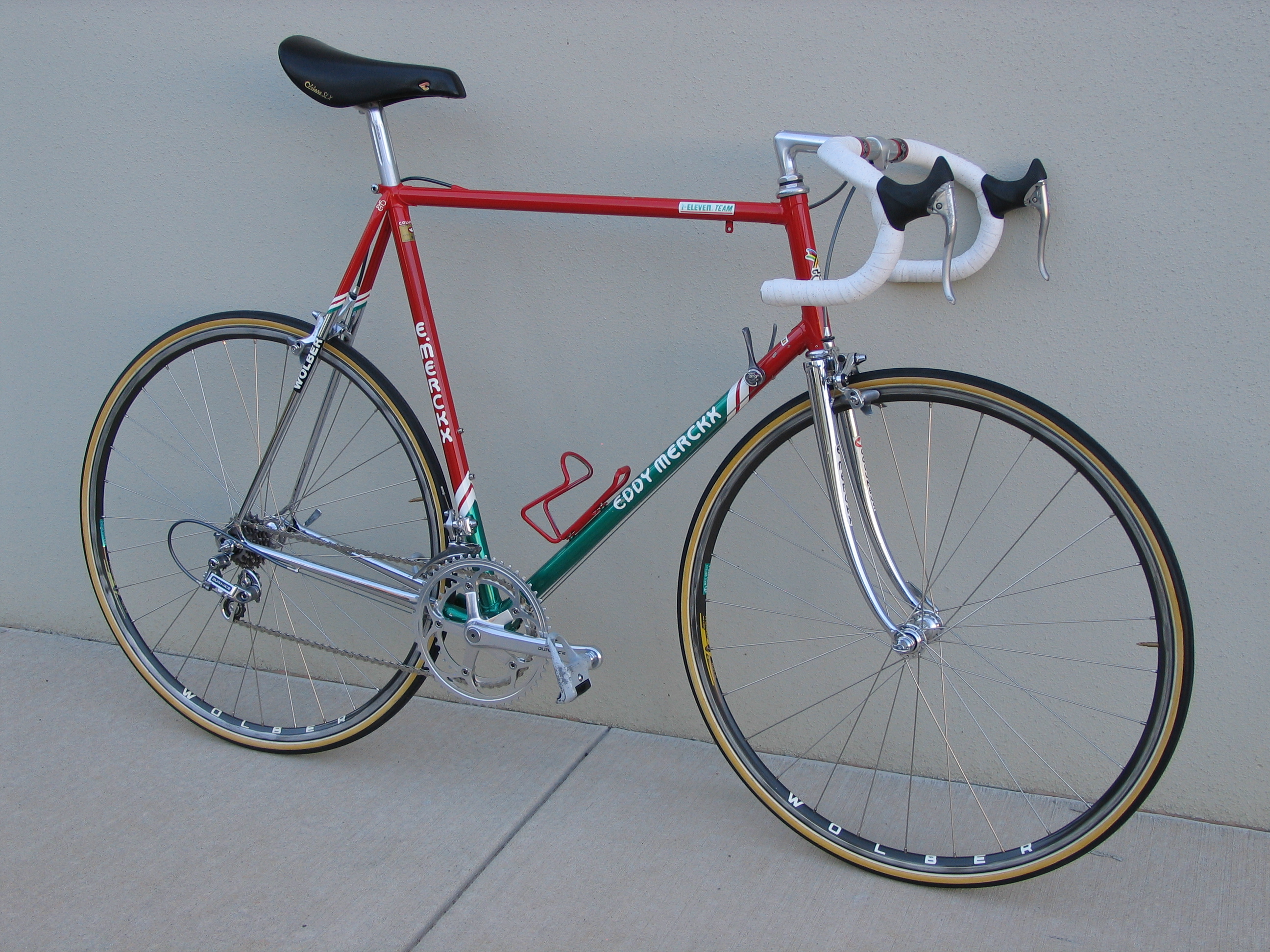
7-Eleven became more European in organisation and programme while retaining its American identity. Hampsten returned and won the Giro in 1988. European manufacturers such as Eddy Merckx supplied bicycles while the sponsor and much of the team’s character came from the United States.
A new professional landscape
7-Eleven did not transform cycling alone, but made the change visible. Television, international sponsors and riders from more continents expanded the old western European environment. A convenience-store name on a Merckx frame first looked odd. Soon multinational teams looked normal.
Sources
Continue exploring
More from cycling history
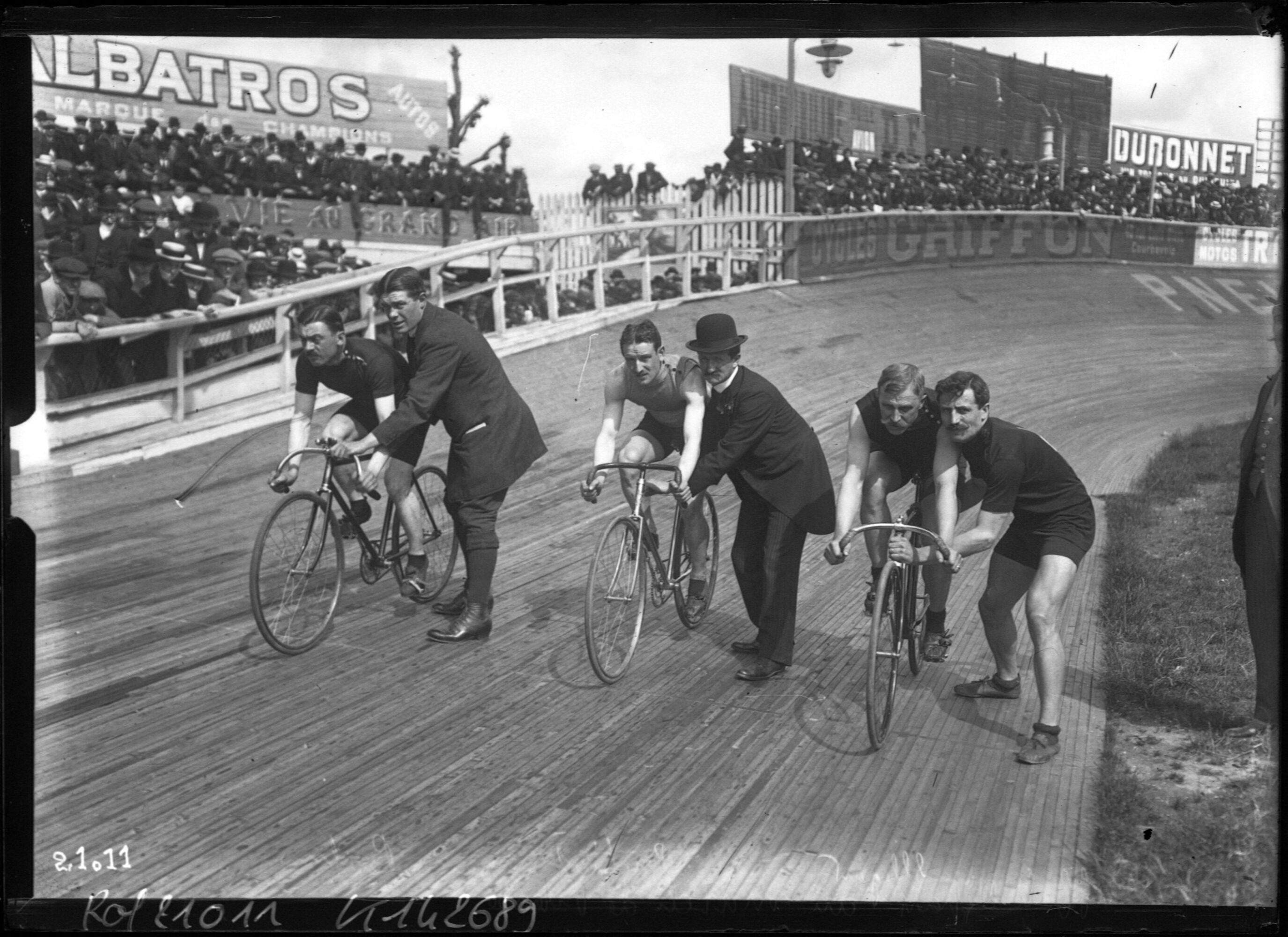
Three men held at the start on the Buffalo track
A press photograph from Paris shows Thorvald Ellegaard, André Perchicot and Gabriel Poulain in the still moment before a sprint match.
Read the story →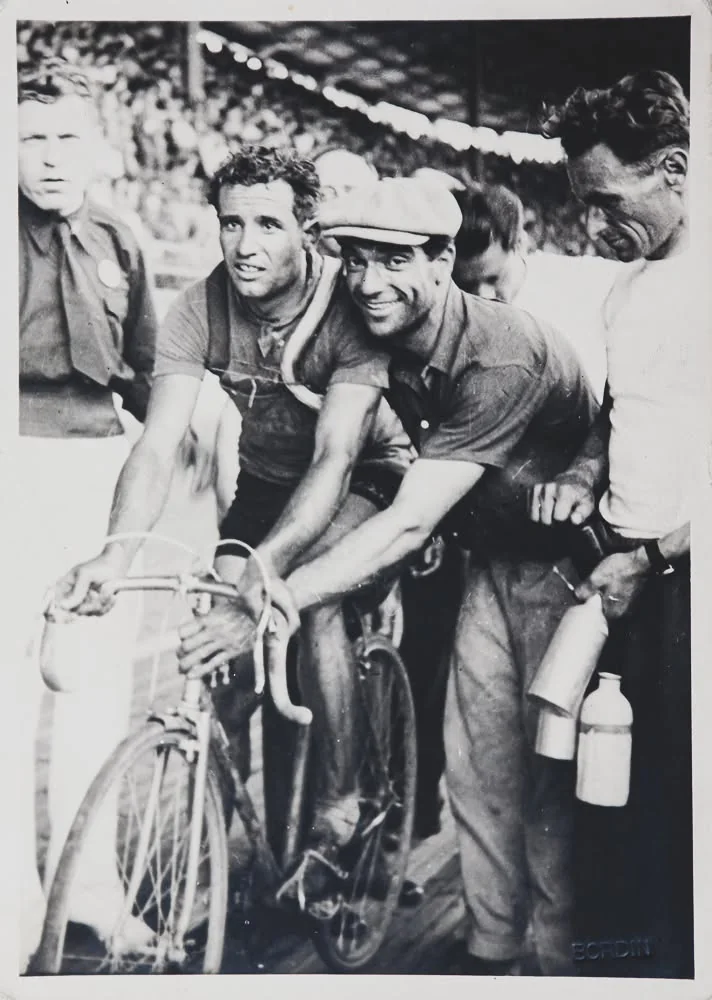
The star who fell from the top
Aldo Bini completed the Giro d’Italia with a broken hand and found distinction in the black jersey.
Read the story →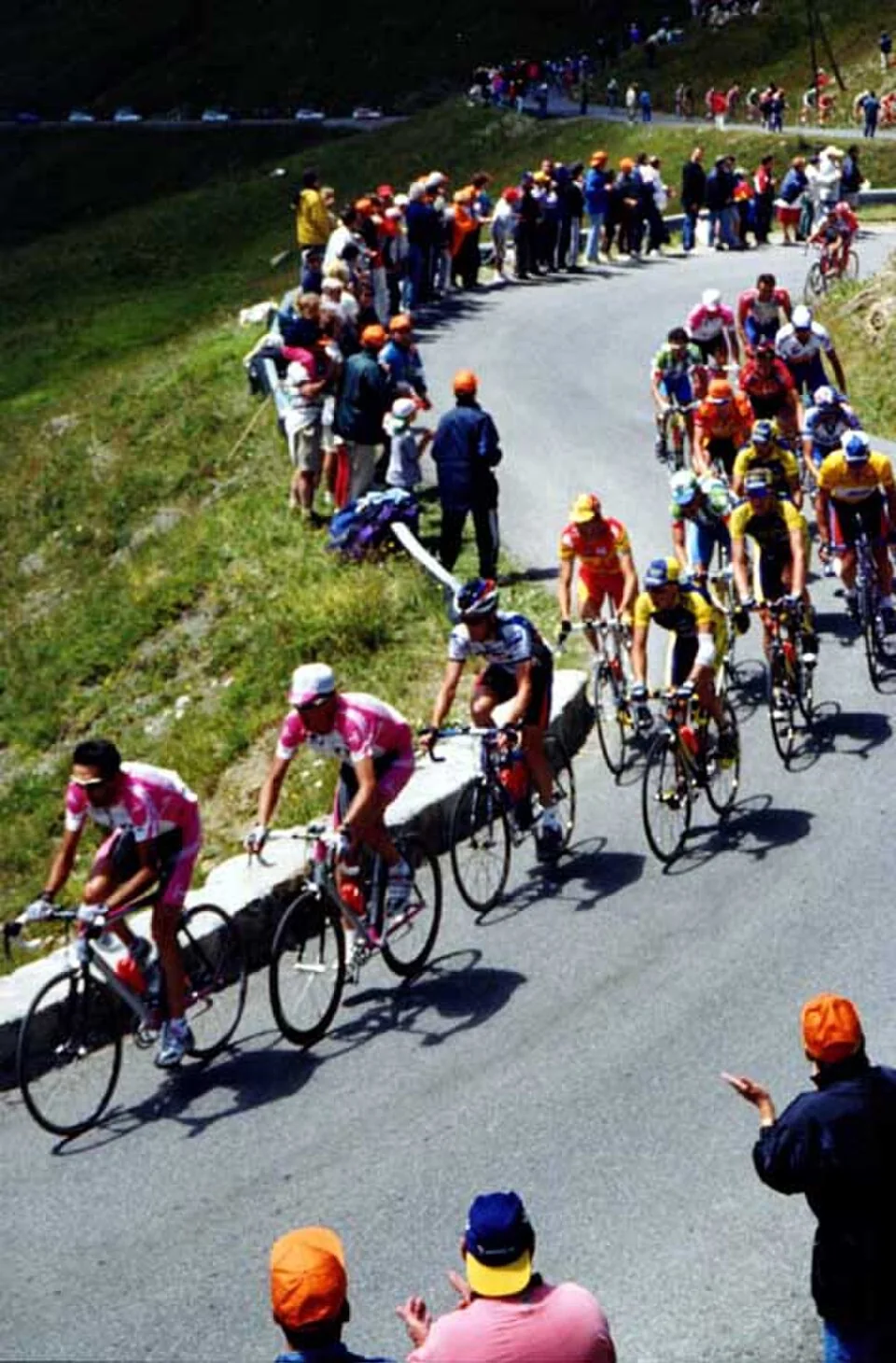
When cycling became a control room
See the races, people, bicycles and changes that shaped the period.
Explore the period →