Tour de France · 1951
The yellow jersey
vanished down the mountainside
Wim van Est survived his fall on the Aubisque. His spare tyres suddenly had an entirely different job.
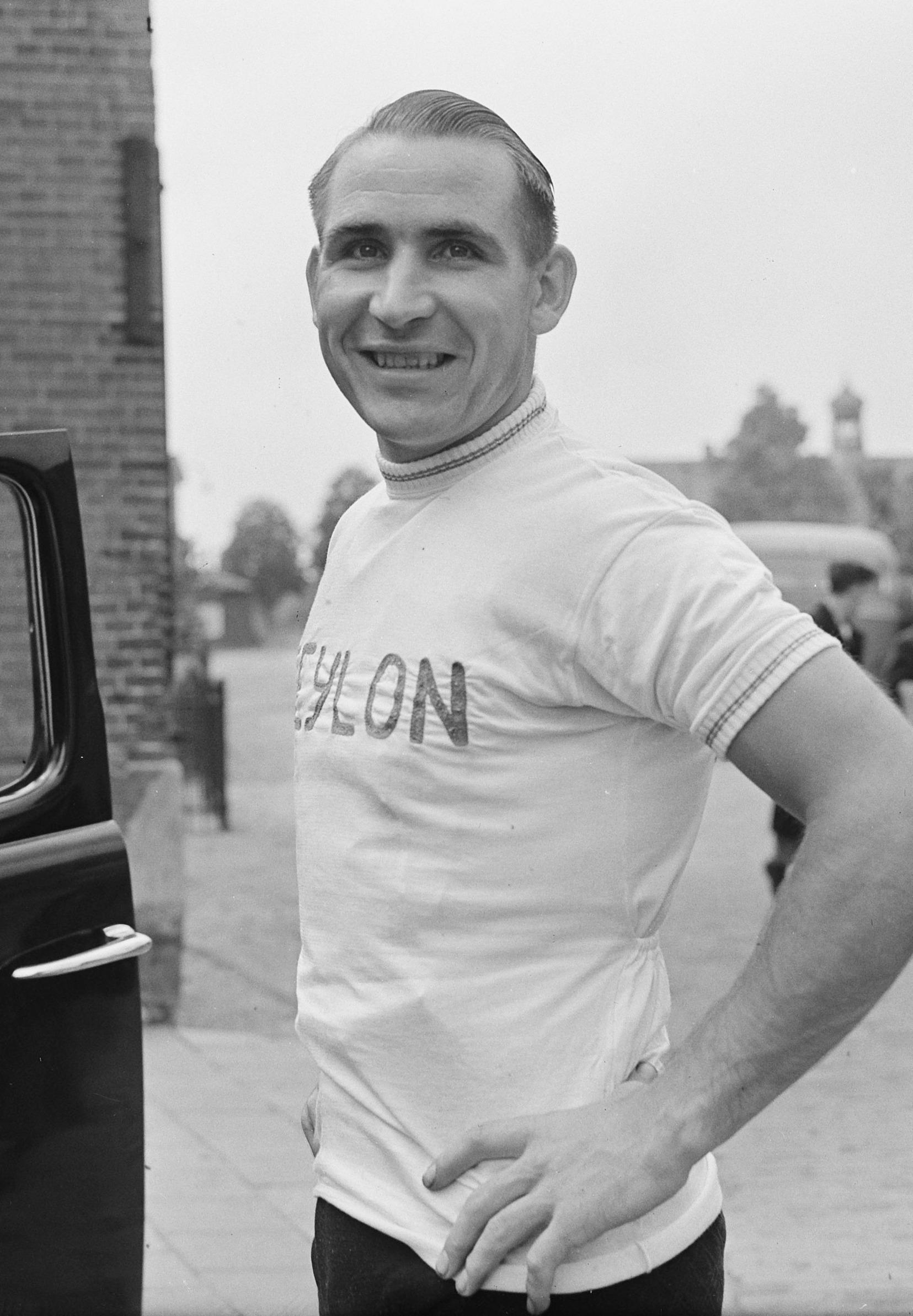
A yellow dot in the grass
At first the road was empty. Then the people above spotted the yellow jersey far down the slope. The rider was still sitting up.
The Netherlands’ first yellow jersey
The day before the Aubisque, Wim van Est had won the stage to Dax after a long breakaway. The victory made him the first Dutch rider to wear the Tour de France yellow jersey. It was a national breakthrough and the greatest day of his career so far.
Van Est was a strong time triallist and already a winner of Bordeaux–Paris. He was less at home on the narrow gravel roads of the high mountains. On stage 13 from Dax to Tarbes, the favourites left him behind on the Aubisque, but he wanted to defend the jersey and tried to regain time on the descent.
Over the edge
The road was rough, with the drop close beside the track. Van Est slid out, crossed the edge and disappeared down the slope. Later accounts often put the fall at 70 metres. That figure was subsequently carved into a commemorative plaque and repeated in advertising, but the precise distance cannot be established from contemporary photographs.
What mattered was that he was alive. The people on the road could see him, but they did not have a rescue rope long enough to reach him.
What riders normally carried over their shoulders as spares for the next puncture was tied together and lowered as a rope.
Bicycle tyres as rescue equipment
Team staff and helpers gathered their spare tubulars — the sewn racing tyres sometimes loosely described as inner tubes — and tied them together. With the improvised line they reached Van Est and hauled him back up the slope.
Film and photographs show the rescue, while both L’Équipe’s historical account and the Dutch cycling museum Velorama describe the plaited line. The number of tyres used, and who tied each knot, vary in later retellings. The improvisation itself, however, is well documented.
Almost unhurt
He wanted to get back on the bicycle
Van Est escaped remarkably lightly. By his own account he wanted to continue, but the bicycle was wrecked and the team management sent him for examination. His Tour and the yellow jersey were gone after just one day.
The twisted bicycle was preserved and is now held by Velorama in Nijmegen. As a museum object, it shows how little separated ordinary racing equipment from emergency gear: tyres, straps and hands were the rescue equipment available.
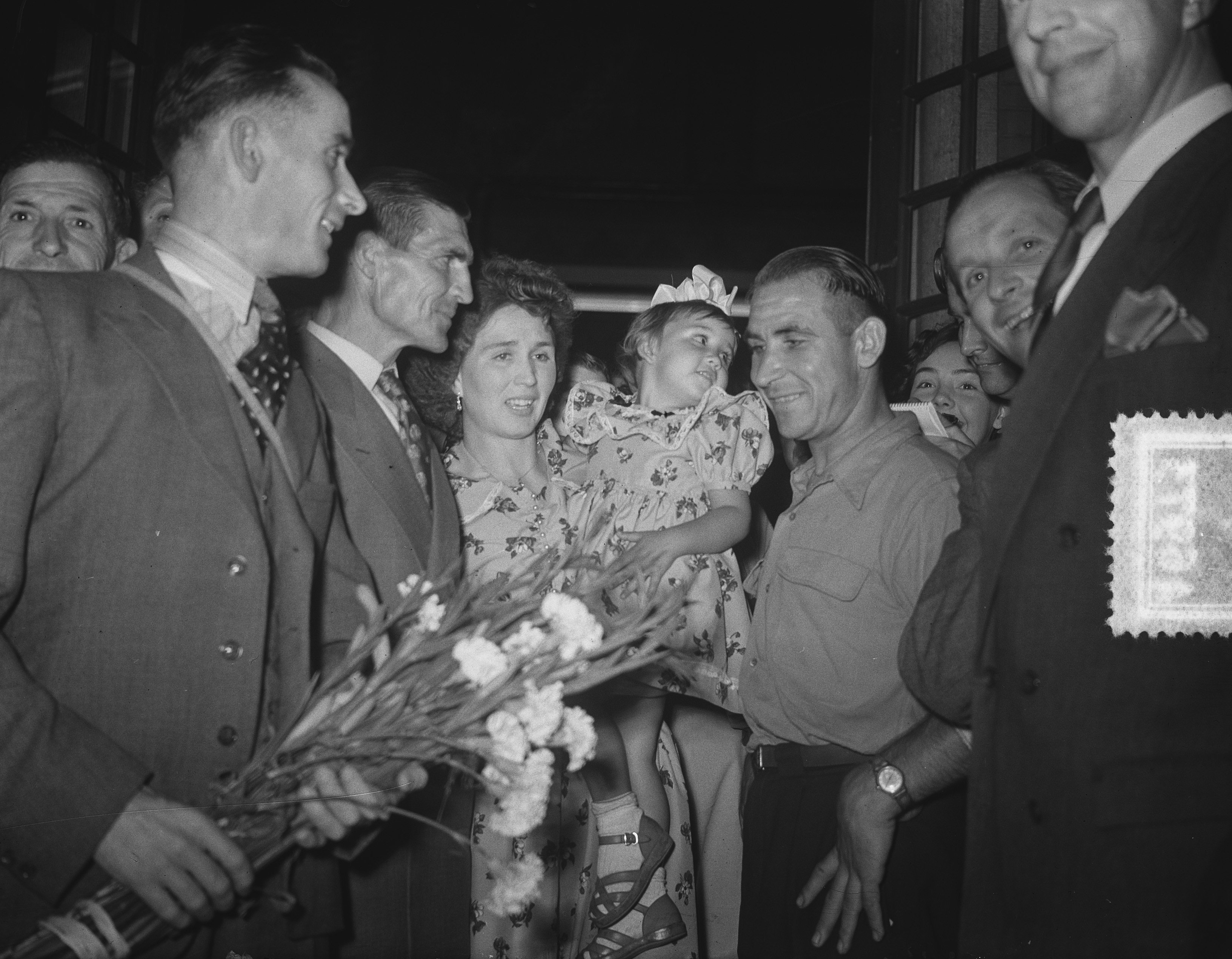
Pontiac found a headline
The distance became a round number. Survival became advertising. The watch became the story’s final small miracle.
The Dutch team had been supplied with watches by Pontiac. After the crash, the company turned the episode into an advertisement with a rhyming claim in Dutch: he fell 70 metres, his heart stopped, but his Pontiac kept going.
It is an excellent advertising line and a poor medical record. His heart did not literally stop, and the slogan should be read as marketing. Yet the advert helped make the fall one of the Tour’s most enduring stories.
After the Aubisque
One crash did not define his entire career
Van Est returned to the Tour, wore yellow again and won further stages. He also won the Tour of Flanders and added more victories in Bordeaux–Paris. Even so, he remained the man from the mountainside.
That is not only because of the violence of the fall. The scene gathers much of old cycle racing into one image: an unprotected mountain road, a rider without a modern safety net and a rescue carried out with whatever spares happened to be hanging over people’s shoulders.
Continue exploring
More from cycling history
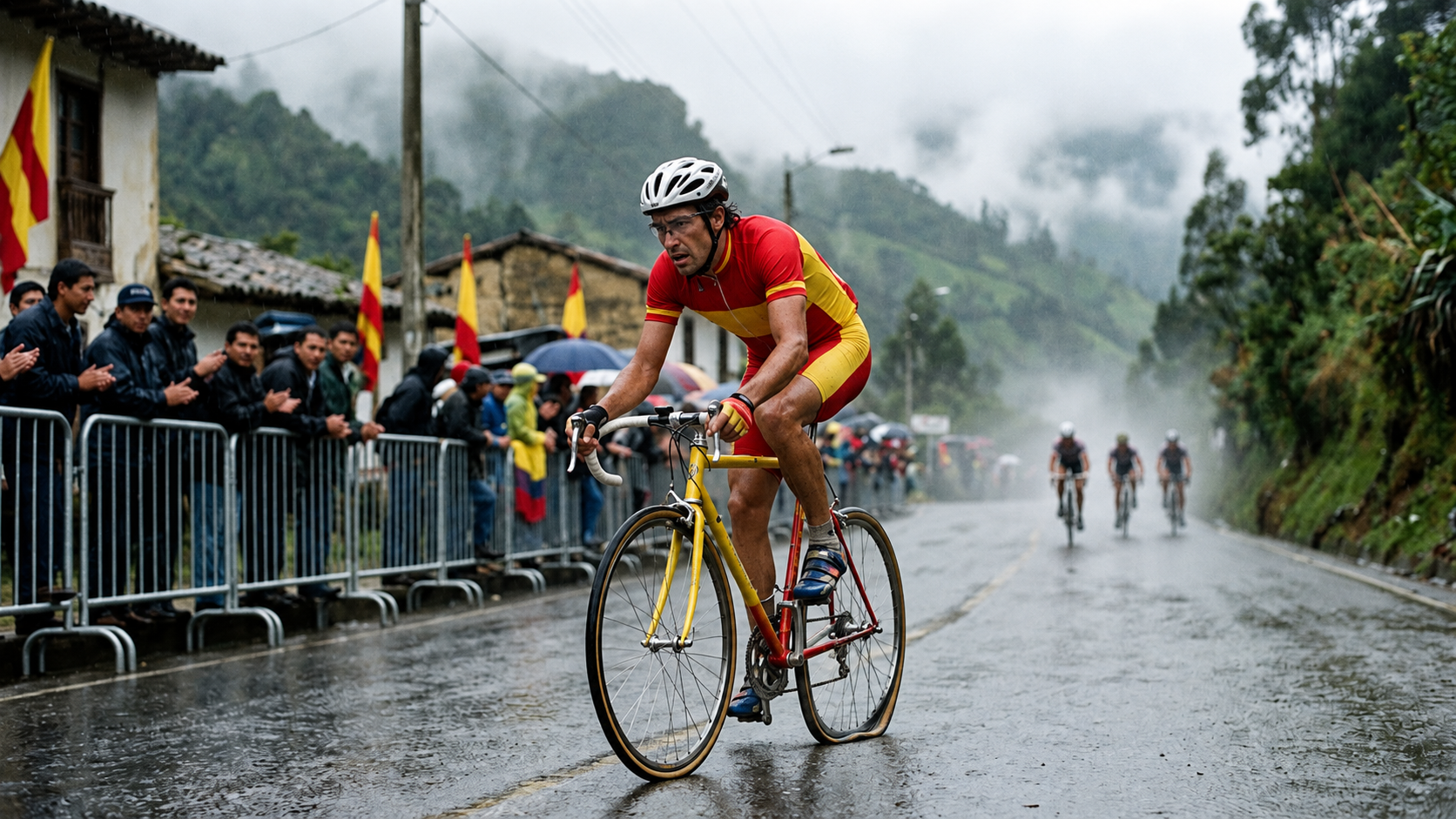
When Olano finished on a flat rear tyre
Abraham Olano punctured shortly before the finish at the World Championships in Duitama. Behind him, Miguel Induráin kept the chase under control.
Read the story →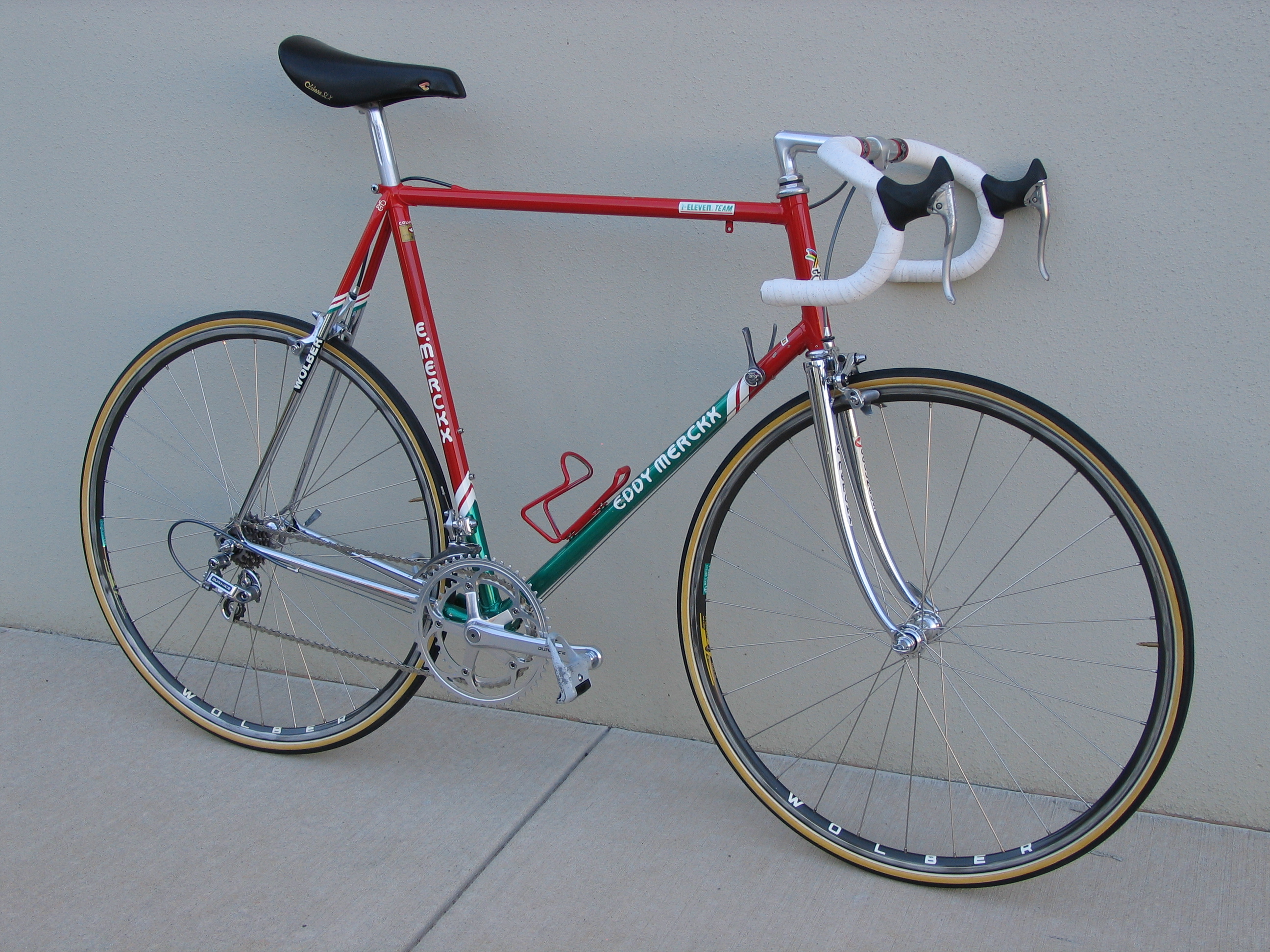
When 7-Eleven came to Europe
The American team learned Europe’s unwritten rules at the Giro and became the first US-based team in the Tour de France a year later.
Read the story →
When the computer took over the bicycle
See the races, people, bicycles and changes that shaped the period.
Explore the period →