Giro d’Italia · 1924
The woman the Giro
could not get rid of
Alfonsina Strada disappeared from the results in Perugia. Alfonsina herself did not.
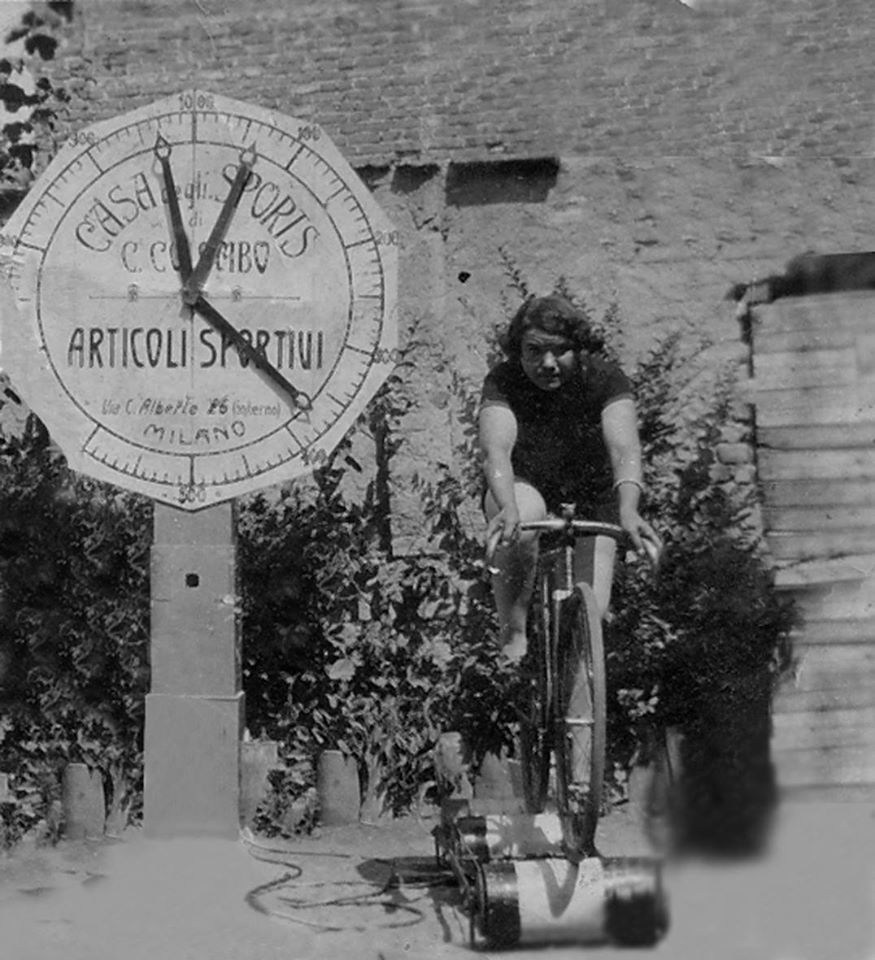
Perugia, long after dark
She had arrived too late. The rules said her Giro was over. The next morning, however, Alfonsina Strada was back with her bicycle and continued towards Milan.
A Giro without the biggest names
The 1924 Giro d’Italia began with a dispute. Bicycle manufacturers and the organising newspaper La Gazzetta dello Sport had fallen out, and the professional teams stayed away. The race instead opened to the so-called isolati — riders who had to manage much of the journey without a large team around them.
Among the 90 starters was Alfonsina Strada, number 72. She was 33, experienced in racing against men and had previously ridden the Giro di Lombardia. No woman had started the Giro before. None has done so since in the men’s event.
The name was no disguise
The story is often told as though the organisers only discovered her sex after the start list had been printed as “Alfonsin Strada”. It makes for a neat surprise, but is not the whole explanation. The organisers knew her, and her presence brought attention to a race without its stars.
The road was no easier for that. She rode through rain, cold and roads capable of breaking both bicycle and rider. On the stage from L’Aquila to Perugia, she fell several times and damaged the handlebar.
The later, famous repair with a piece of broom handle also appears in the Giro’s own history. The more important improvisation was that she continued after the results had given up on her.
Outside the time limit
The stage to Perugia was 296 kilometres. Alfonsina arrived late, bruised and outside the time limit. She could no longer count as an official competitor.
Race director Emilio Colombo allowed her to continue outside the competition and, according to the Giro’s account, paid for her accommodation. The decision was both humane and practical: spectators came to see her, and the newspaper had found a story larger than the placings.
A rider without a placing
She completed the route — but not in the classification
The wording matters. Alfonsina was removed from the official competition in Perugia. She nevertheless continued along the same route as the peloton and reached Milan. The Giro’s own archive describes this double status: outside the classification, but with the entire road behind her.
Ninety riders started. Only 30 reached Milan when Alfonsina is included. Giuseppe Enrici won. The results remember him. The story also remembers the rider who could no longer receive a placing.
More than a curiosity
She was not invited into an equal race. She found an opening in a sport built almost entirely by and for men.
It is easy to turn Alfonsina into a pleasant tale about a broom handle and a stubborn cyclist. Her participation showed something larger. Women could endure the same roads and distances even when the framework was not made for them.
That she never had a successor in the men’s Giro says as much about cycling’s institutions as it does about her exceptional ride.
Milan
Larger than the results
When Alfonsina reached the finish, she was not an official finisher. Even so, she was received as one of the race’s central figures. Spectators had followed her struggle, and the newspapers had discovered that the back of the peloton could contain a story the winner could not take away.
A century later, the paradox remains: the Giro removed her name from the classification, but could not remove her from its own history.
Continue exploring
More from cycling history
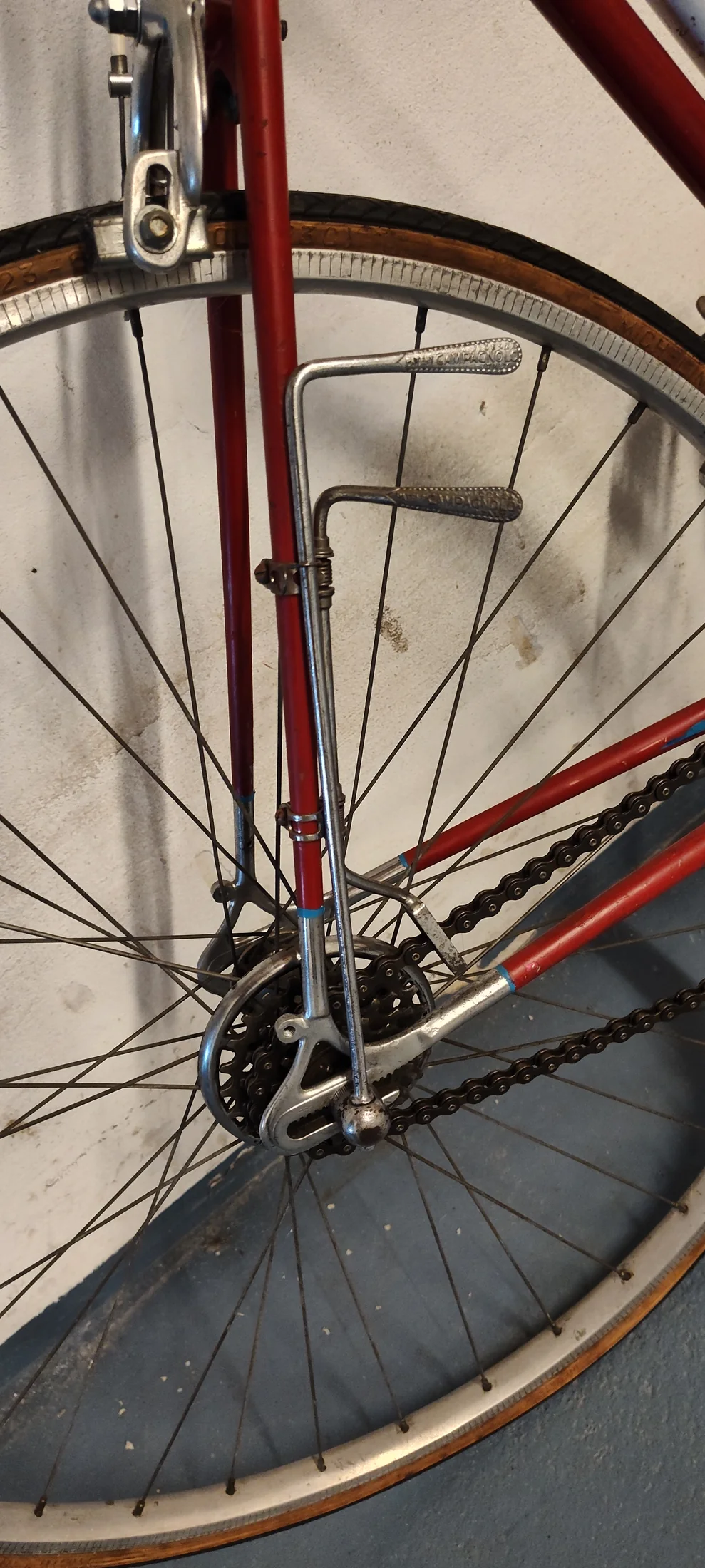
The gear change with a loose rear wheel
Cambio Corsa offered several gears, but demanded two levers, back-pedalling and a moment with the rear wheel released while the bicycle was moving.
Read the story →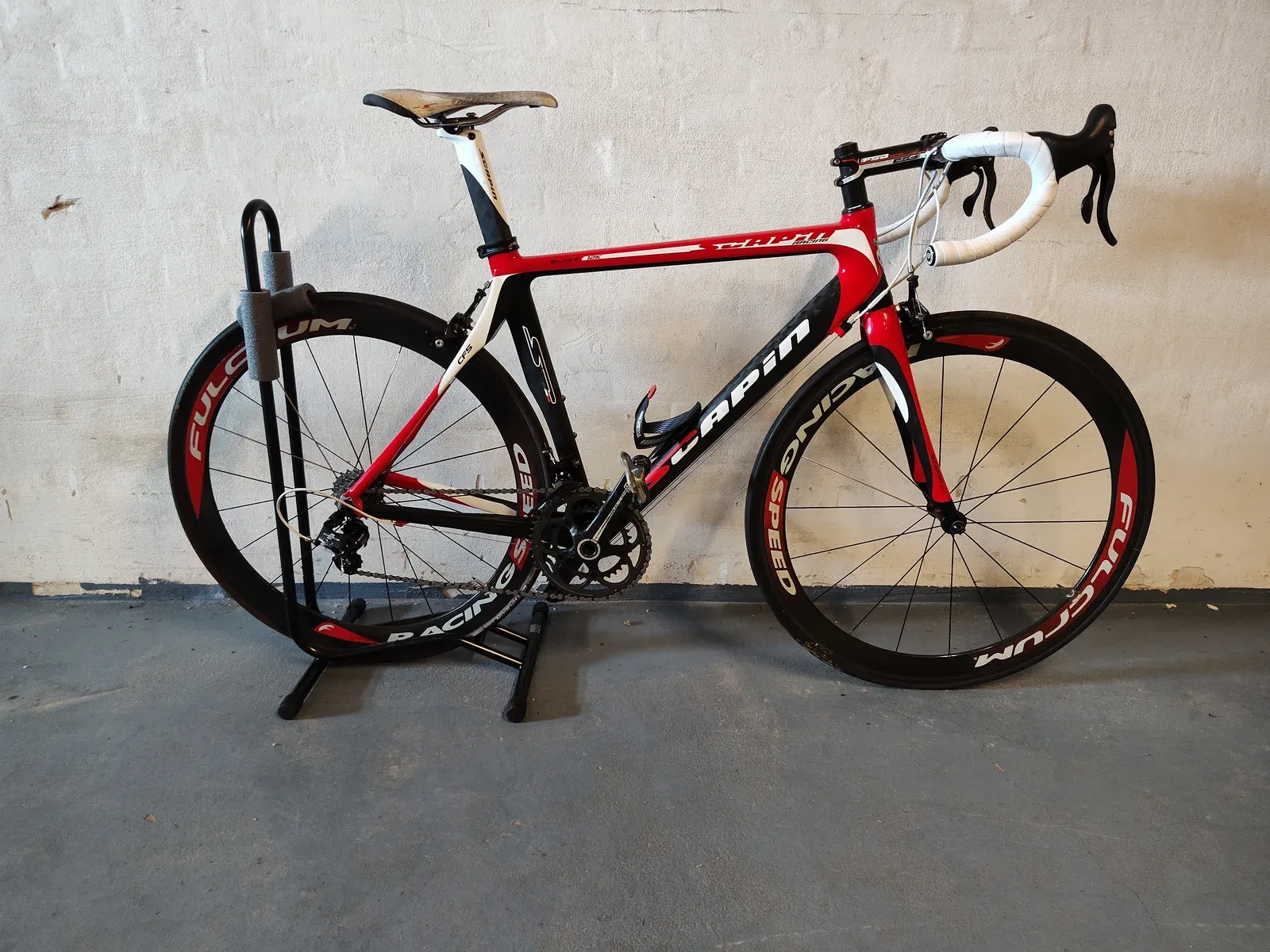
When the gear cable disappeared
SRAM RED eTap made road shifting wireless and gave riders, mechanics and frame designers a new way to think about control.
Read the story →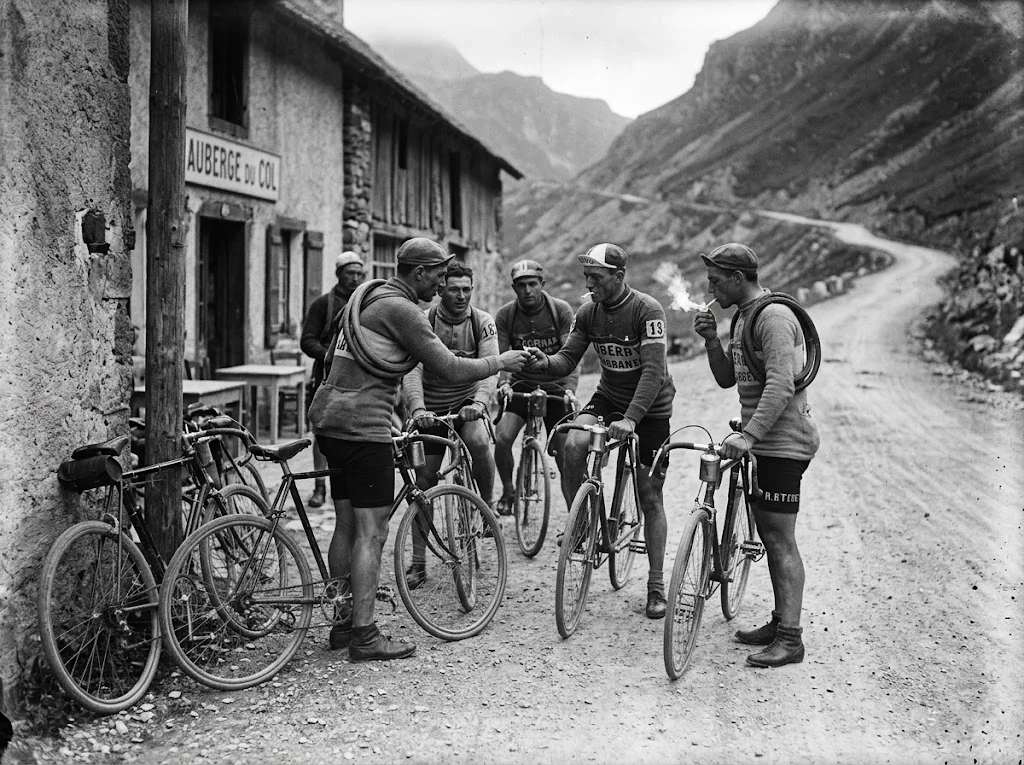
Cycle racing’s hard golden age
See the races, people, bicycles and changes that shaped the period.
Explore the period →