Bicycles and technical change · Gear shifting · 1946
The gear change with a loose rear wheel
Cambio Corsa offered several gears without a roadside stop. In return, the rider operated two levers, back-pedalled and released the rear wheel while the bicycle was still moving.
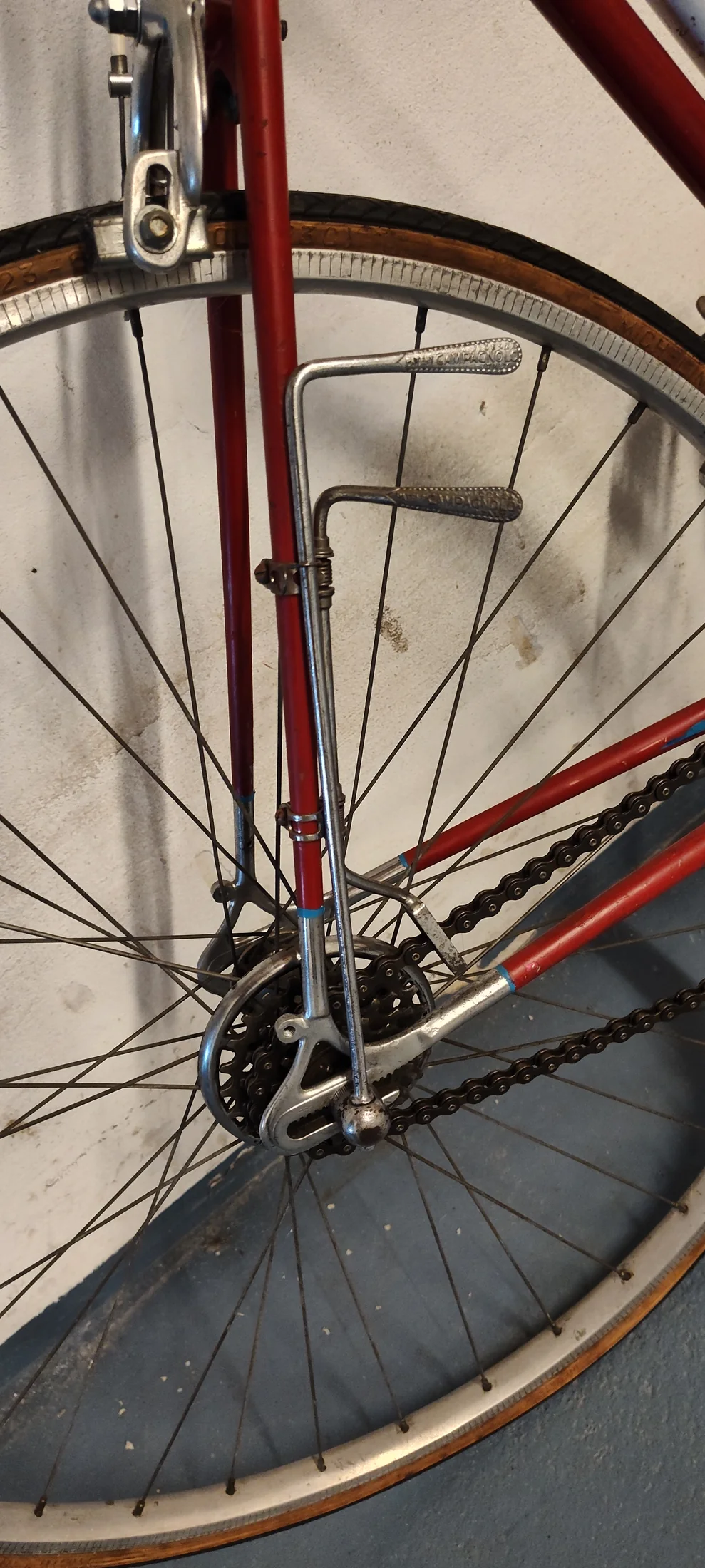
Cambio Corsa offered several gears without a roadside stop. In return, the rider operated two levers, back-pedalled and released the rear wheel while the bicycle was still moving.
The right hand reached behind the saddle
A modern rider shifts with a small movement at the brake lever. Cambio Corsa placed its controls on the right seat stay. Two metal rods rose towards the rider’s hand. One operated the rear axle quick release; the other moved a fork-shaped chain guide across the sprockets. There was no spring-loaded derailleur to absorb changes in chain length. The rear wheel therefore had to move as well.
Why the wheel had to be released
Moving the chain from a small sprocket to a larger one demands more chain. Cambio Corsa dealt with this by allowing the hub to slide in long horizontal dropouts. Toothed axle washers travelled in the slots after the quick release was opened. Chain and pedalling forces helped the wheel find its new position. Only then could the rider secure it again.
A particular sequence
The change required calm practice. The rider eased the load, reached back and opened the axle with the long lever. The short lever pushed the chain towards another sprocket while the rider back-pedalled. The wheel moved to establish usable chain tension, and the axle was locked. The wrong sequence or a change under full power could make the chain object. An improperly secured wheel was a much larger problem.
Progress without stopping
The arrangement looks awkward, but it solved a real problem. A flip-flop rear wheel required the rider to stop, loosen both nuts, remove the wheel and reverse it. Cambio Corsa made several ratios available while moving. On a long climb or rolling course that mattered. Shifting had become part of racing rather than a roadside repair, though not yet an effortless action.
A machine between eras
Campagnolo had developed quick releases and moving-hub gears in the 1930s. The form known as Cambio Corsa arrived after the war and is generally dated to 1946. It belongs to a brief period when racing bicycles had several rear sprockets but not yet the derailleur that would keep wheel position independent of gear choice.
Skill was part of the mechanism
The rider removed one hand from the bar, found two levers behind the body and altered the rear wheel’s clamping while riding narrow tyres on rough roads. Experts made it look fluid. Beginners found little forgiveness. Cambio Corsa therefore records the mechanical skills expected of riders as clearly as it records Campagnolo’s ingenuity.
The Stella Veneta makes it visible
On the collection’s Stella Veneta, rods, chain guide and long dropouts remain in full view. Nothing is hidden inside a lever or electronic cable. Moving one part shows why the next must follow. The bicycle turns an unfamiliar transitional mechanism into something tangible.
The parallelogram closed the chapter
Around 1950, Campagnolo Gran Sport made the spring-loaded parallelogram derailleur the new model. It moved and tensioned the chain while the wheel stayed fixed. Cambio Corsa quickly looked old, but it was not unimportant. It was a daring bridge between reversing a wheel by the roadside and the modern shift.
Sources
Continue exploring
More from cycling history
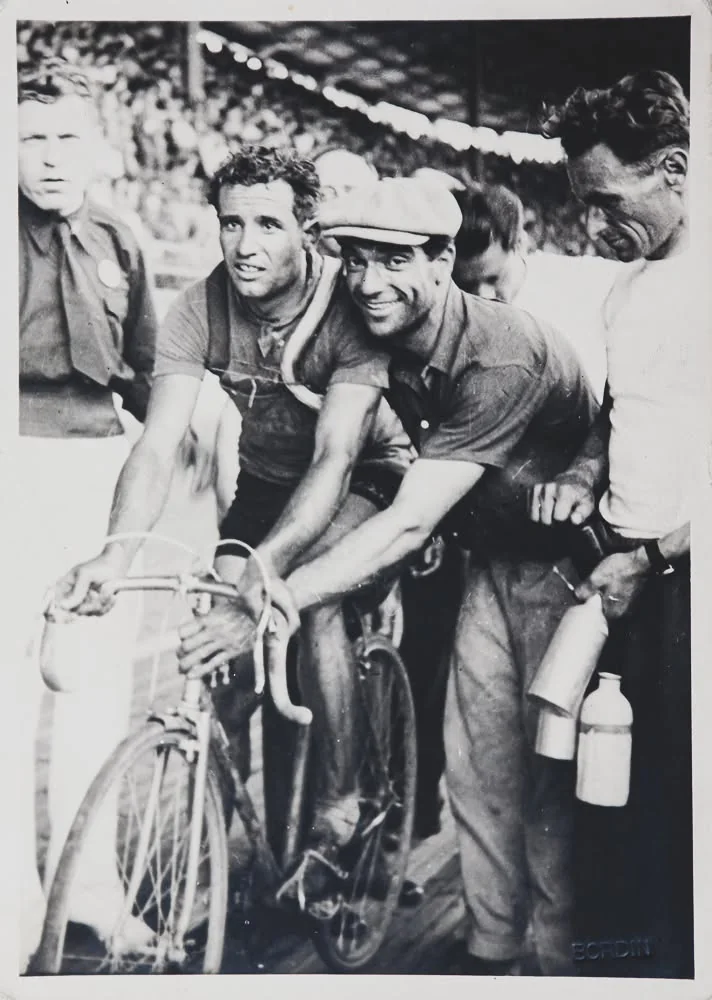
The star who fell from the top
Aldo Bini completed the Giro d’Italia with a broken hand and found distinction in the black jersey.
Read the story →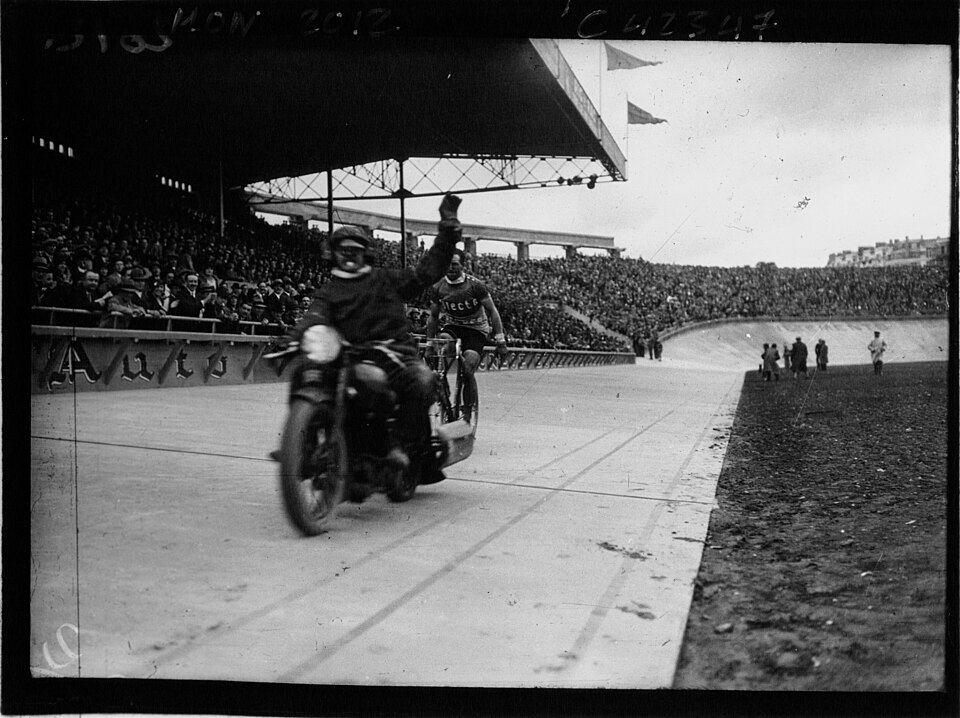
The centimetres between Gresse and Nasq
A surviving postcard naming stayer Gresse and pacer Nasq opens the story of motor-paced racing, where two people and two machines had to work as one.
Read the story →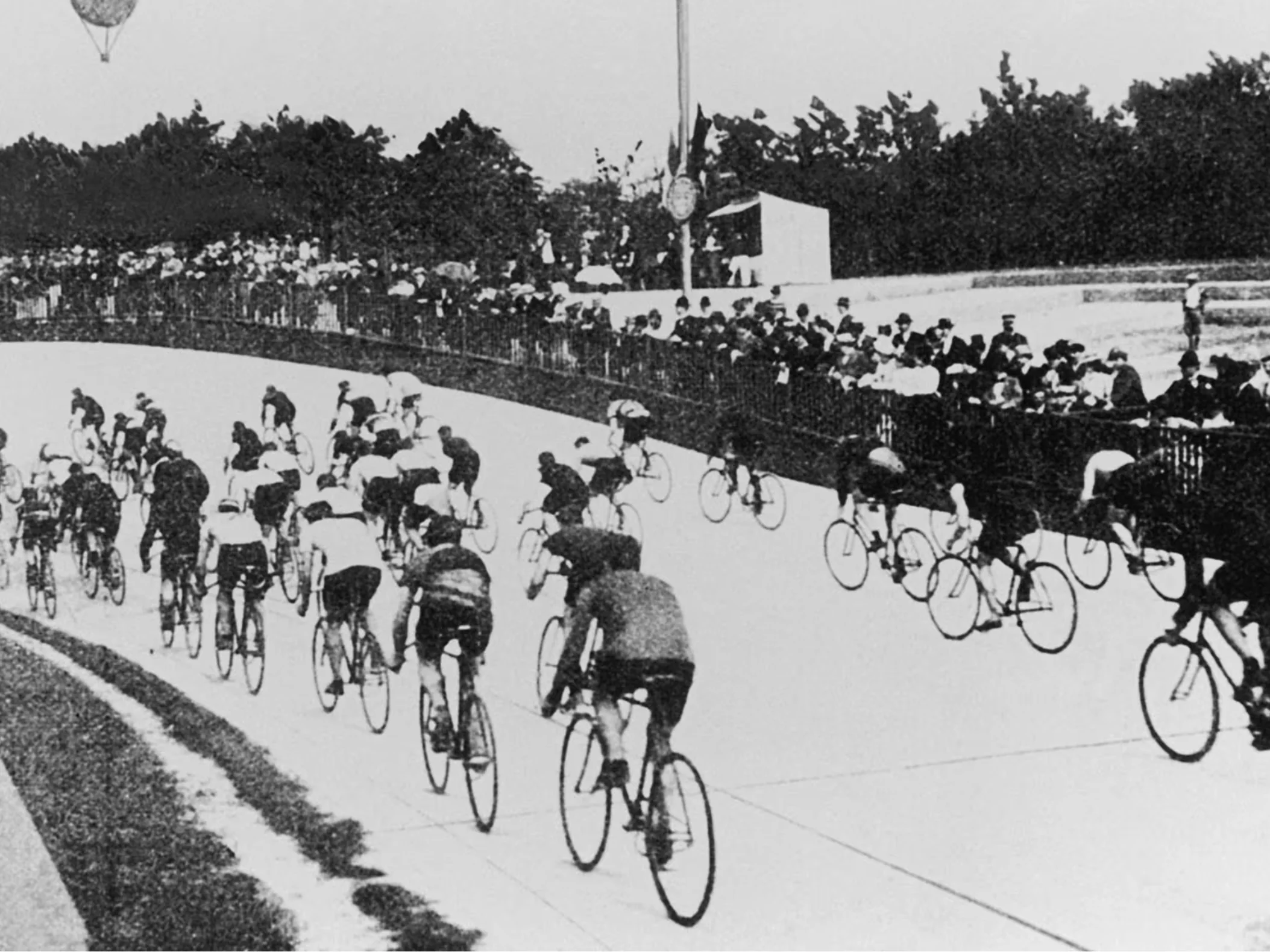
Cycling’s wild pioneer years
See the races, people, bicycles and changes that shaped the period.
Explore the period →