Giro d’Italia · 1946–1951
The hide-and-seek contest for the Giro's black jersey
Luigi Malabrocca could win bicycle races. In the 1949 Giro he tried to finish last. The problem was that Sante Carollo was even further behind.
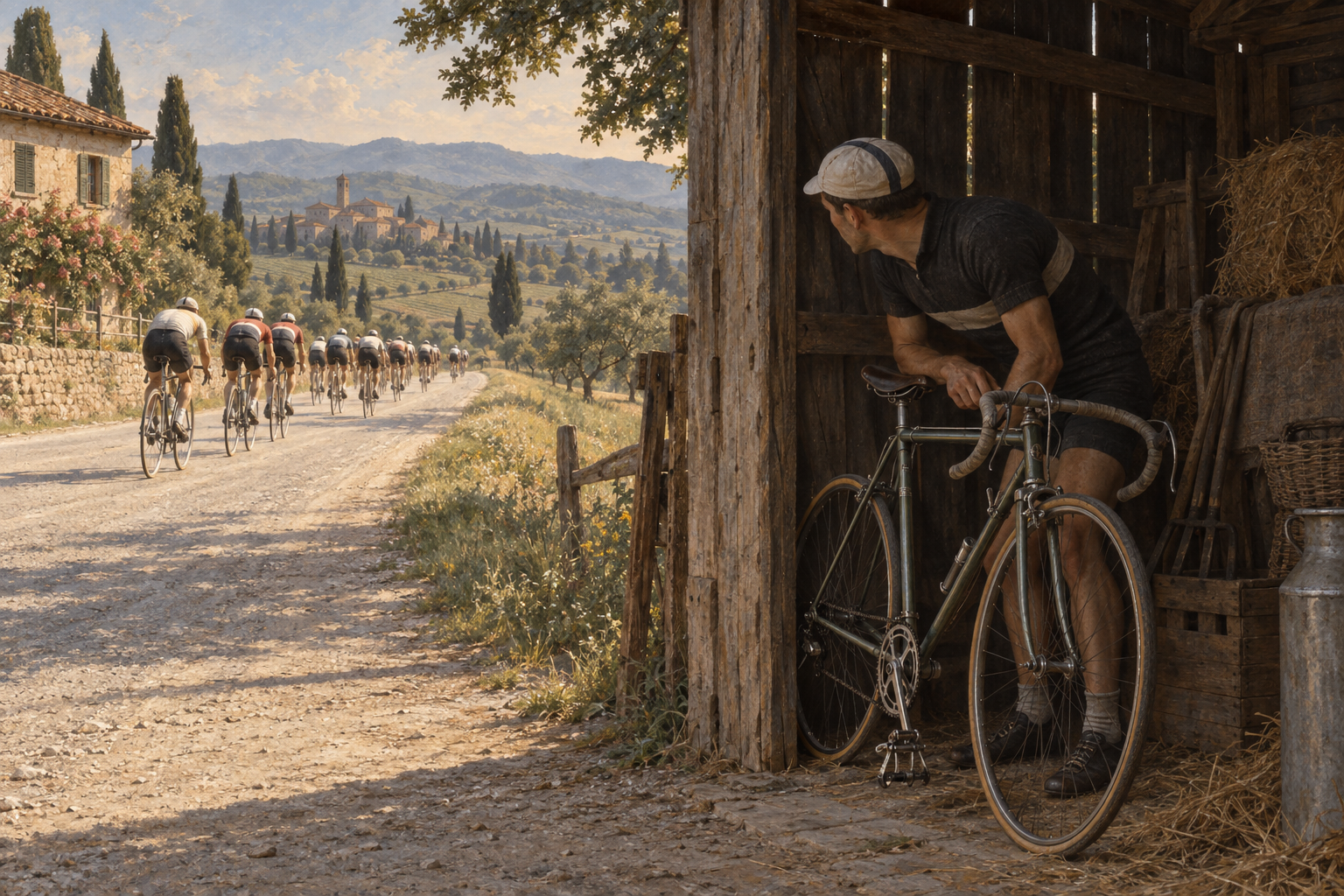
Most riders spent the Giro gaining seconds. Luigi Malabrocca spent parts of it trying to lose them.
From 1946 to 1951 the Giro d’Italia offered a special distinction to the final rider in the general classification: the maglia nera, or black jersey. The last finisher represented persistence in post-war Italy. He also received publicity, collections from spectators and prizes in money and goods.
An otherwise anonymous domestique could become known across the country. That produced a logical but not especially sporting idea: if last place paid better than 37th, it might be worth pursuing.
A winner famous for losing
Malabrocca was not a hopeless racer. He won Paris–Nantes in 1947 and the Coppa Agostoni in 1948, and later became Italian cyclocross champion. He simply found a different route to fame at the Giro.
He finished last in 1946 and 1947. Doing so required more than slow legs. A rider had to lose time without falling outside the time limit, while watching his rivals. If another candidate suddenly rode hard, the entire plan could collapse.
The bricklayer arrived without a plan
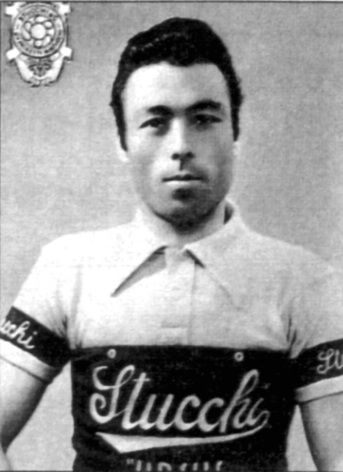
In 1949 Malabrocca met a rival who had not entered this contest deliberately. Sante Carollo normally worked as a bricklayer and was called up late by Wilier Triestina to replace the ill Fiorenzo Magni. He lost more than an hour on the first stage and took last place.
Malabrocca tried to get below him in the classification. Stories describe punctures, tavern stops and hiding places in ditches, barns and farm buildings. Not every location or line of dialogue can be documented. The Giro's archive and other accounts do, however, confirm the duel and the many attempts to lose time.
The radio programme Giringiro turned the pair into a national serial. At the front, Fausto Coppi and Gino Bartali fought for victory. At the back, success meant a breakaway nobody noticed.
Too late to finish last
On the final stage from Turin to Monza, Malabrocca made his biggest attempt. After a puncture he stopped at a tavern, ate and drank, and resumed much later. He reached the finish about two hours and twenty minutes after the stage winner. It should have been enough.
But the judges and timekeepers had stopped waiting. Malabrocca was assigned the same time as the group. Carollo remained last, 9 hours 57 minutes 7 seconds behind Coppi. Malabrocca was only 7 hours 47 minutes 26 seconds down.
Carollo therefore won the black jersey. Malabrocca had staged the more elaborate delay, but it was so large that it was not recorded.
The involuntary last man
A year earlier, Aldo Bini had finished last after riding on with a broken hand. His black jersey was about remaining in the race. The duel between Malabrocca and Carollo showed what happened when honours and prizes made last place a goal in itself.
The Giro retained the original award through 1951, when Giovanni Pinarello became its final recipient. The organisers had devised a sympathetic tribute to the last finisher. The riders had merely taken the idea more seriously than was practical.
Sources and image notes
- Giro d’Italia historical archive, 1948–1957
- Museo del Ciclismo: Sante Carollo
- Museo del Ciclismo: Luigi Malabrocca and the black jersey
The exact hiding places vary between accounts. They are presented as later stories, not secure stage records.
Continue exploring
More from cycling history
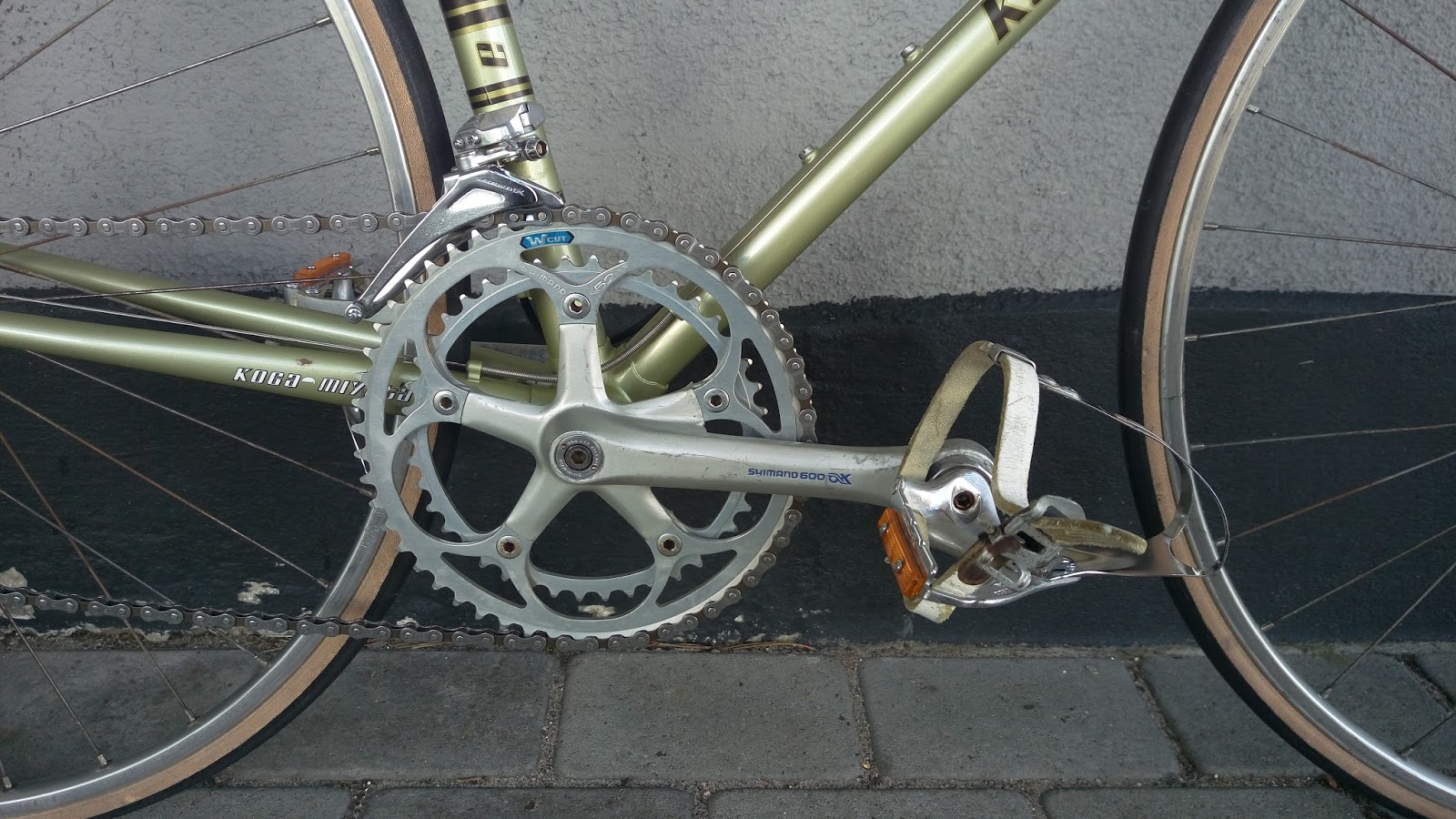
When even the pedal thread had to be aerodynamic
Shimano built a wind tunnel and gave Dura-Ace AX smooth forms. The idea reached all the way to the pedal and showed how far a complete system could be pushed.
Read the story →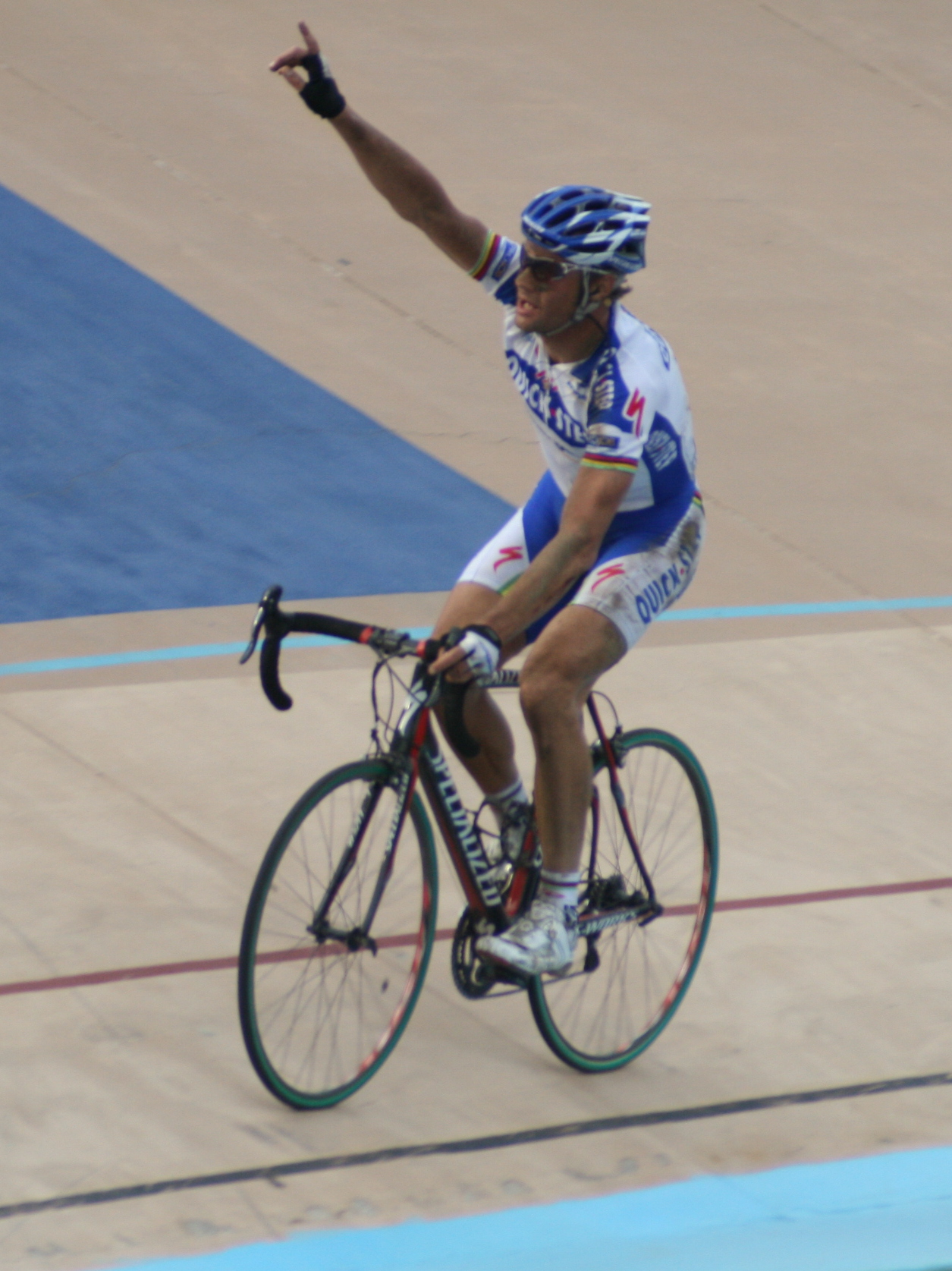
When the Roubaix favourites disappeared one by one
Flecha crashed at Carrefour de l’Arbre, Hushovd hit the barriers and Tom Boonen rode alone into the velodrome for his third victory.
Read the story →
Pioneers and endurance
See the races, people, bicycles and changes that shaped the period.
Explore the period →