People behind cycling · Framebuilding · 1946–1970s
Bianchi on the down tube, Drali at the file bench
The down tube said Bianchi. Giuseppe “Peppino” Drali stood at the file bench in Milan. A brand name rarely tells the full story of the hands behind a racing frame.
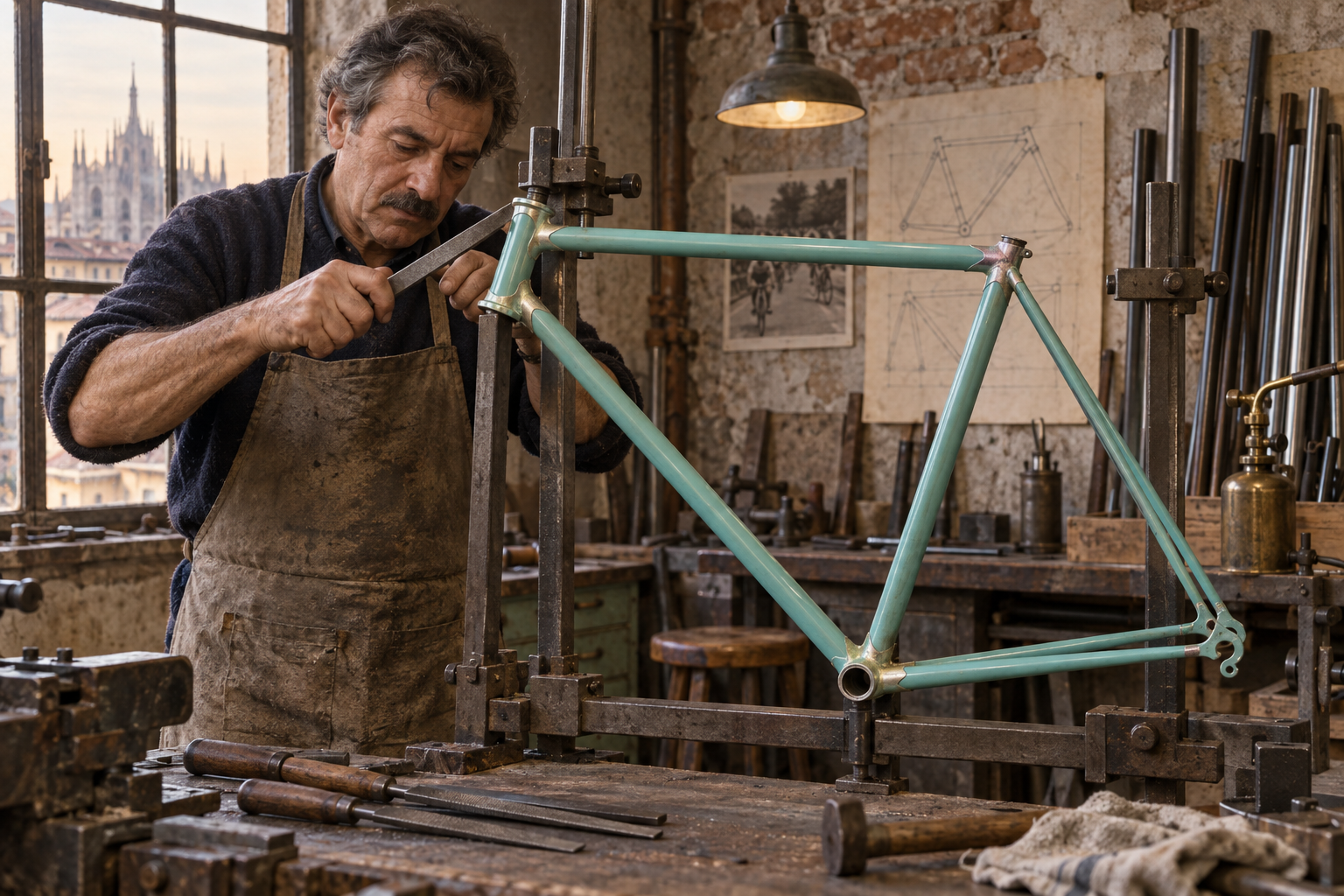
The down tube said Bianchi. Giuseppe “Peppino” Drali stood at the file bench in Milan. A brand name rarely tells the full story of the hands behind a racing frame.
The name and the hand
A frame rests in the jig. The joints have been brazed, but excess material still needs filing and the tubes must be checked. When the finished bicycle carried Bianchi on the down tube, a customer might assume it had all happened inside the large factory. Some special frames took another route.
Carlo and young Peppino
Drali’s company history traces the relationship to Peppino’s father, Carlo, who worked closely with Bianchi’s racing department. It says Carlo and young Peppino helped prepare a Bianchi for Fausto Coppi before Milan–Sanremo in 1946. Coppi won. The exact division of labour is difficult to verify in contemporary records, but the family’s association with Bianchi racing bicycles lasted.
When the large department withdrew
When Bianchi later reduced or closed its special racing production, demand for made-to-measure bicycles remained. Drali’s history says that in the 1970s Peppino built special Bianchi frames for riders outside standard dimensions. Bianchi supplied materials and name; Drali’s workshop supplied the work. They became known as Bianchi Specialissima, elaborata da Drali.
A frame began with a body
Made to measure meant translating legs, torso, flexibility and intended use into tubes and angles. Tubes were cut and mitred to meet closely in their lugs. After brazing came alignment and clean filing. Small differences remained noticeable long after paint concealed the work.
What the paint does not say
Was such a bicycle a Bianchi or a Drali? Both is the most useful answer. The detailed claims come chiefly from Drali’s own history and are also family and corporate memory. The craft remains visible: behind some Bianchi frames stood a file, a jig and a man in Milan whose name was not written in the largest letters.
Sources
Continue exploring
More from cycling history
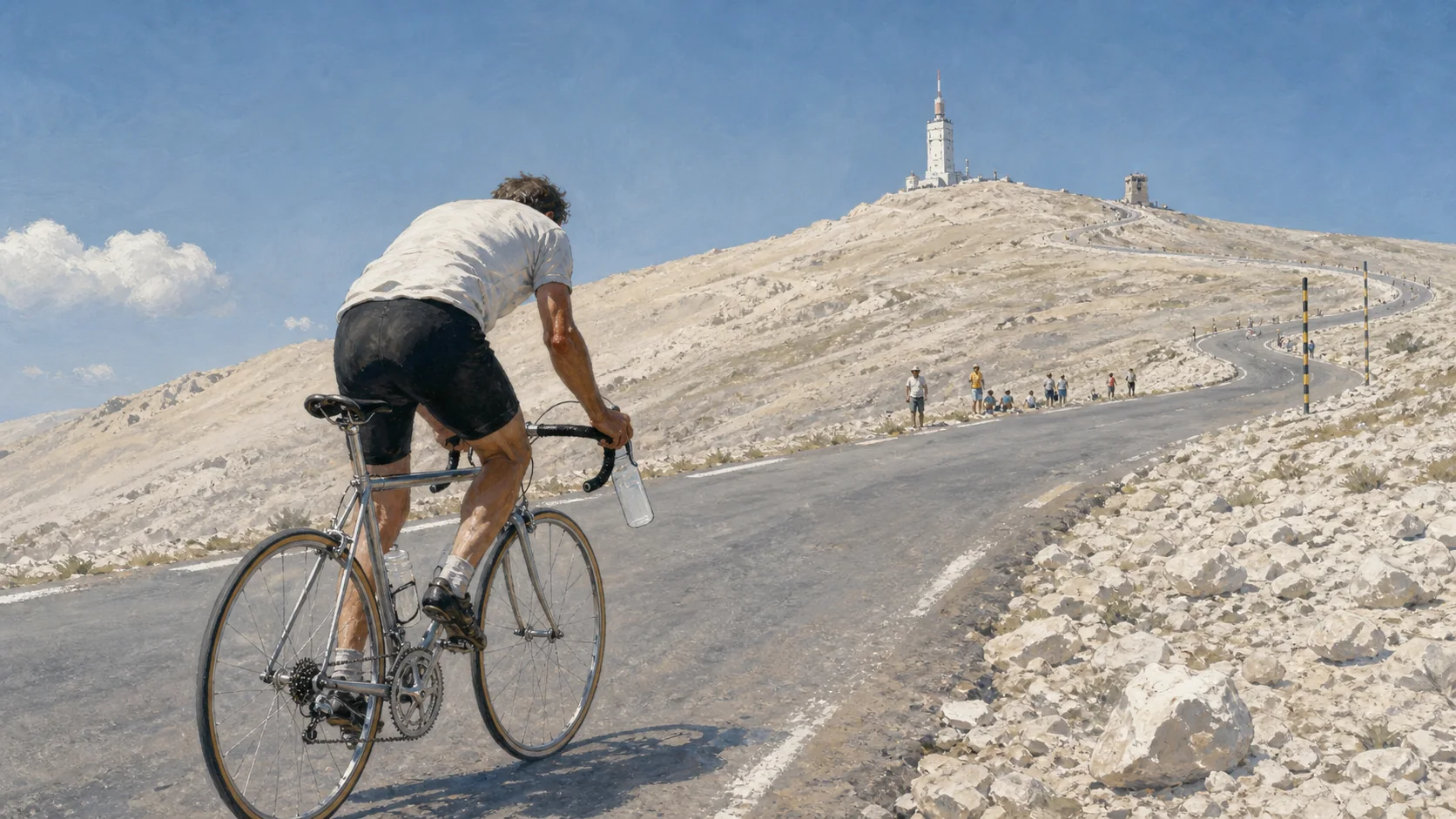
The white wilderness and the chicken farmer’s thirst
The bottle was empty on Mont Ventoux. Then a Danish Tour rider from 1958 helped decide whether the reader should accept water.
Read the story →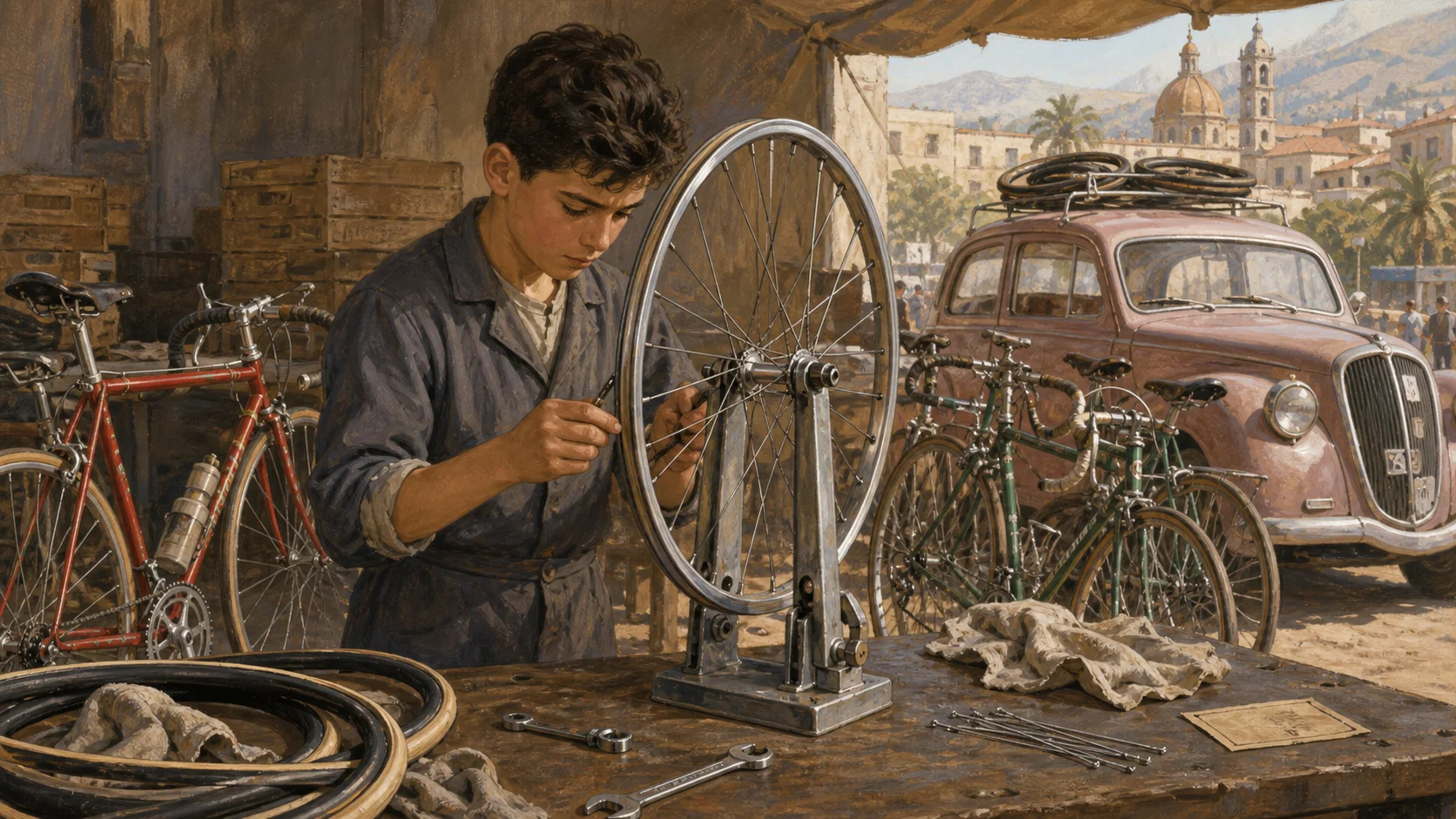
The 16-year-old mechanic who became two years older overnight
Ivo Faltoni was 16, good at building wheels and too young for the Giro service caravan. A false document made him eighteen on paper.
Read the story →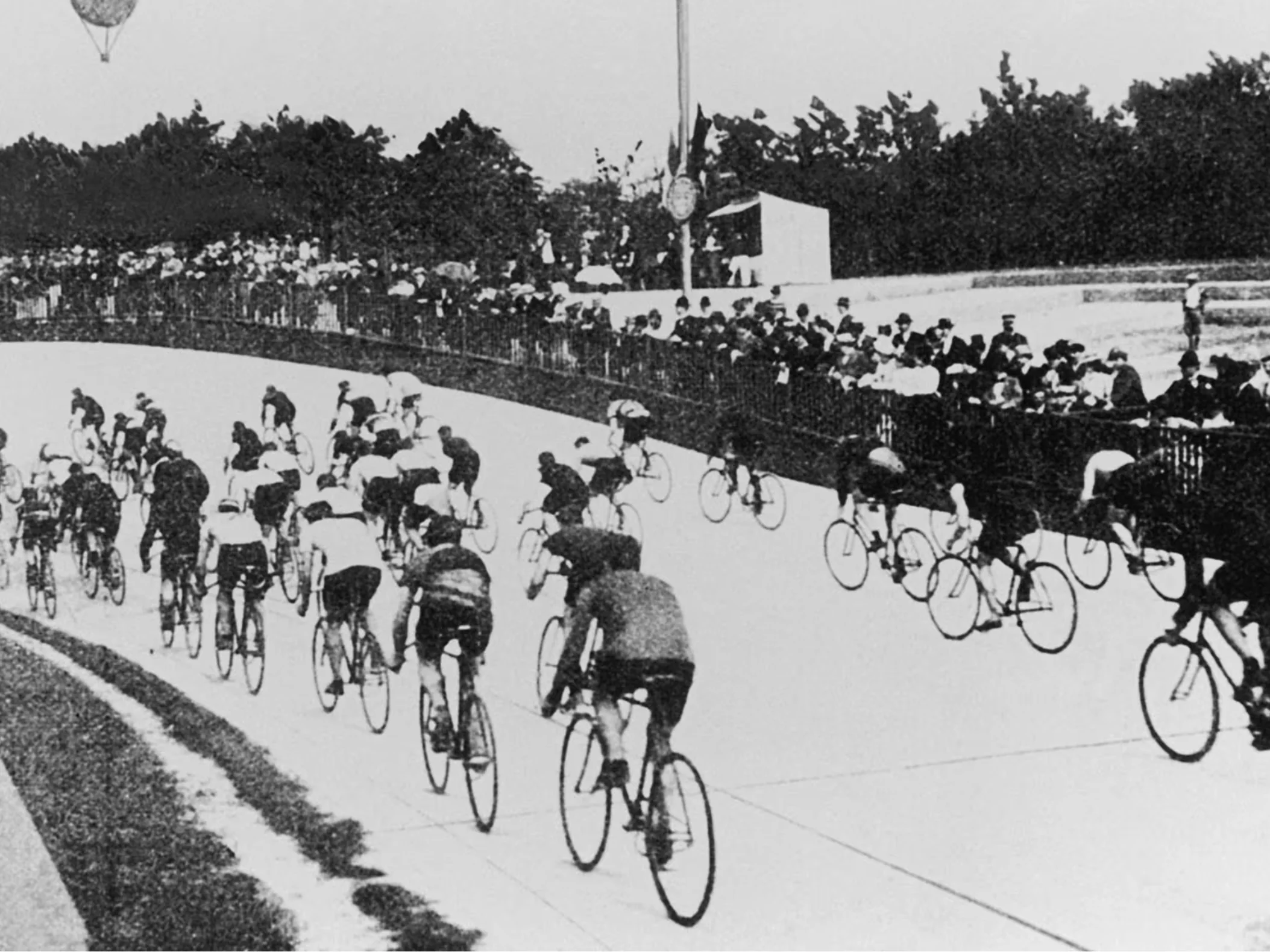
Cycling’s wild pioneer years
See the races, people, bicycles and changes that shaped the period.
Explore the period →