Racing and society · Occupied France · 1942
The Tour the occupation wanted
The Circuit de France was launched as a six-stage substitute race in occupied France. On a map it resembled the Tour. In practice, it showed how much was missing.
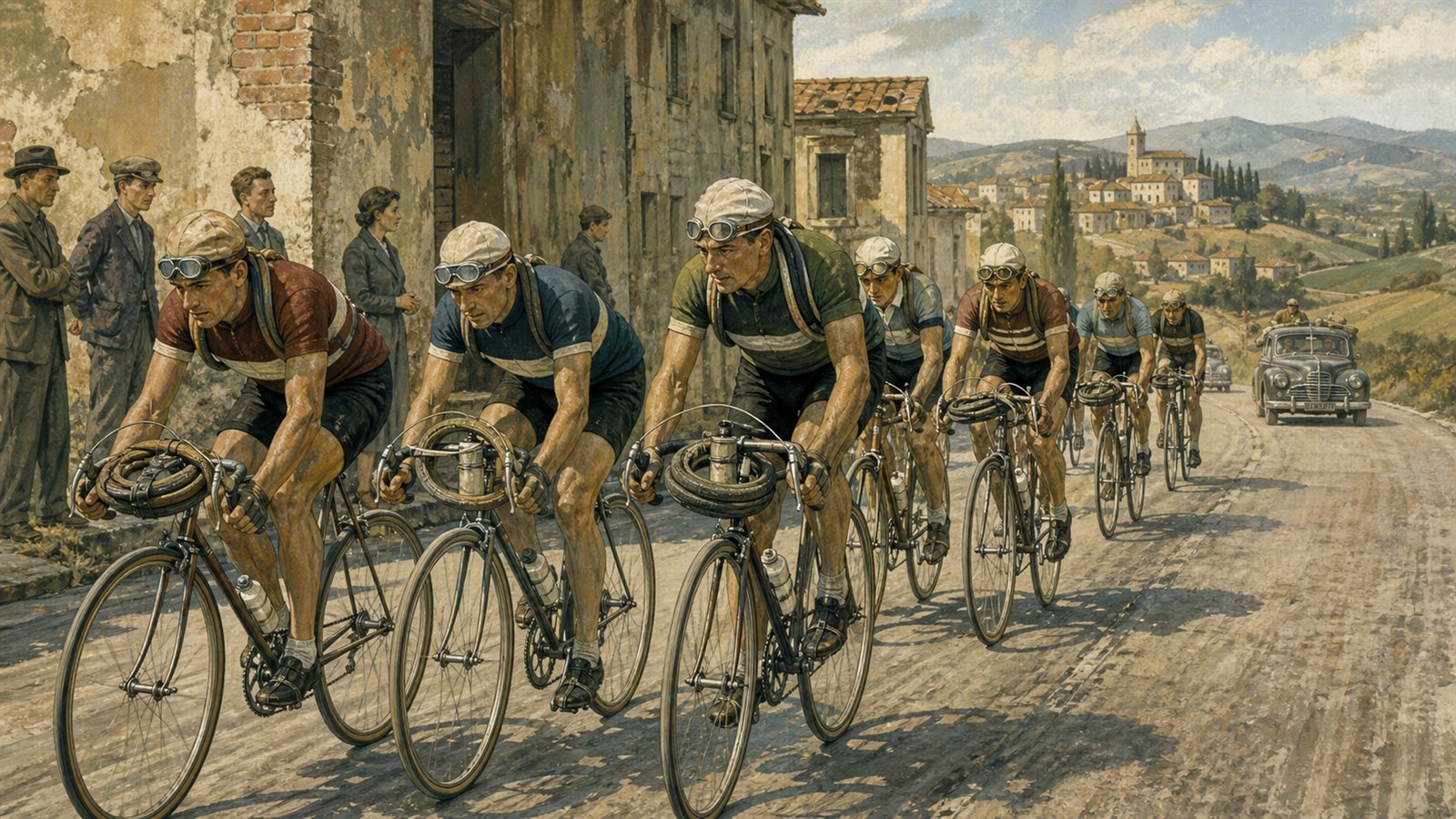
The Circuit de France was launched as a six-stage substitute race in occupied France. On a map it resembled the Tour. In practice, it showed how much was missing.
A Tour de France without the Tour
The Tour de France was not held during the German occupation. In 1942, sports journalist Jean Leulliot and the newspaper La France socialiste instead attempted to stage the Circuit de France. It began on 28 September and ended on 4 October after six stages through both the occupied and the so-called free zone.
A race with political baggage
The newspaper behind the race collaborated with the occupying power, and the event could be presented as evidence of order and normality. That did not make every rider a political actor. But the organiser, the permissions and the coverage cannot be separated from the circumstances in which the race took place.
A calendar without fuel or free movement
Transport, petrol, spare parts and food were rationed. Borders and checkpoints made planning difficult, and several leading riders and teams stayed away. The Circuit de France was therefore neither the Tour under a new name nor a normal international stage race.
François Neuville won
Belgian François Neuville finished as overall winner. The result is clear, but the race’s main significance lies elsewhere. This was its only edition; plans for a repeat in 1943 came to nothing.
What the absence revealed
The Circuit de France showed that a route and a field do not by themselves create a Tour de France. The race also required a newspaper, an audience, supplies, freedom of movement and a degree of public trust. In 1942, each existed only in a limited form. It was not enough.
Sources
Continue exploring
More from cycling history
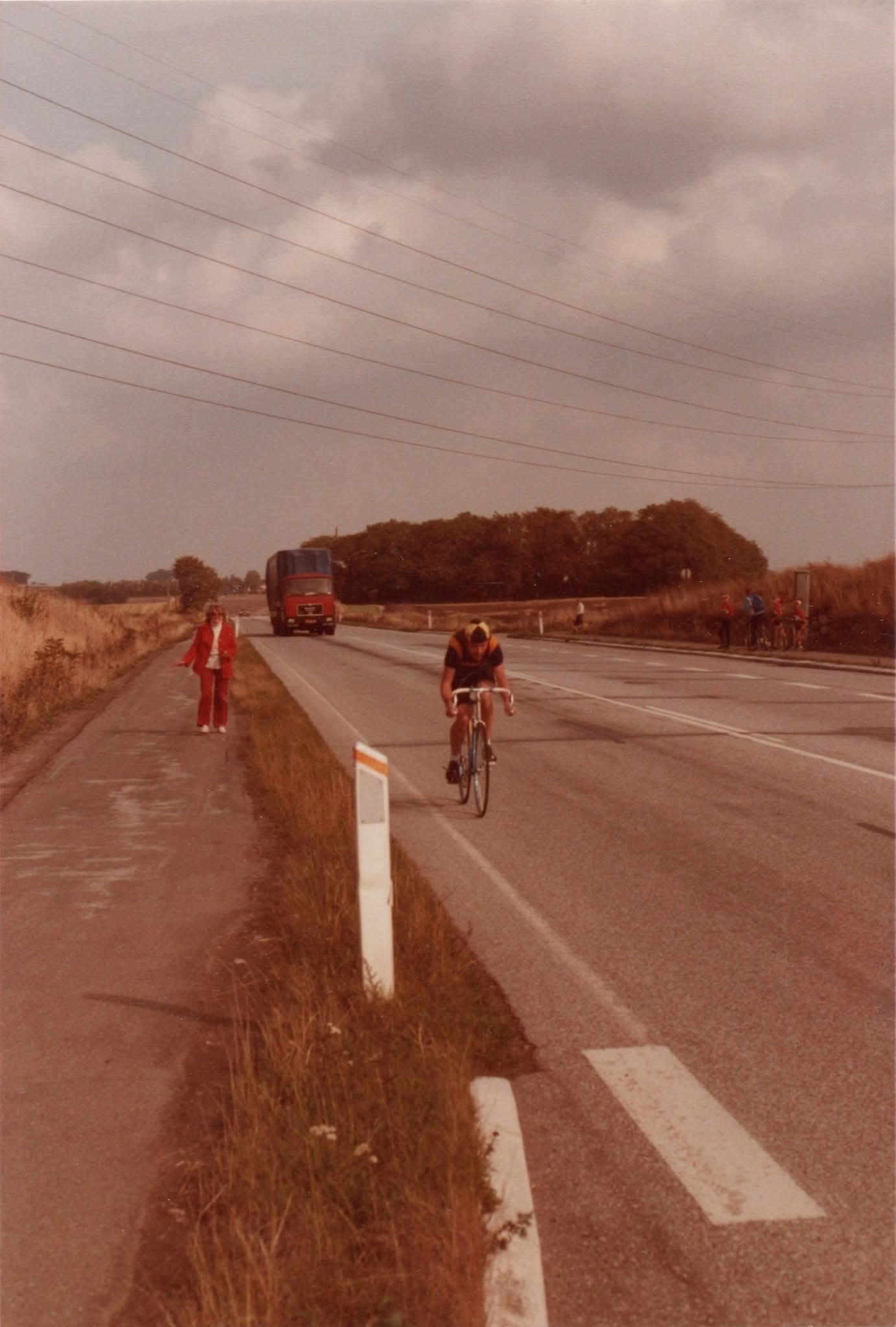
Kund Rindbøl’s time trial on the old main road
A reader remembers 30 kilometres against the clock, a 54 × 14 gear and his mother at the roadside between Holbæk and Roskilde.
Read the story →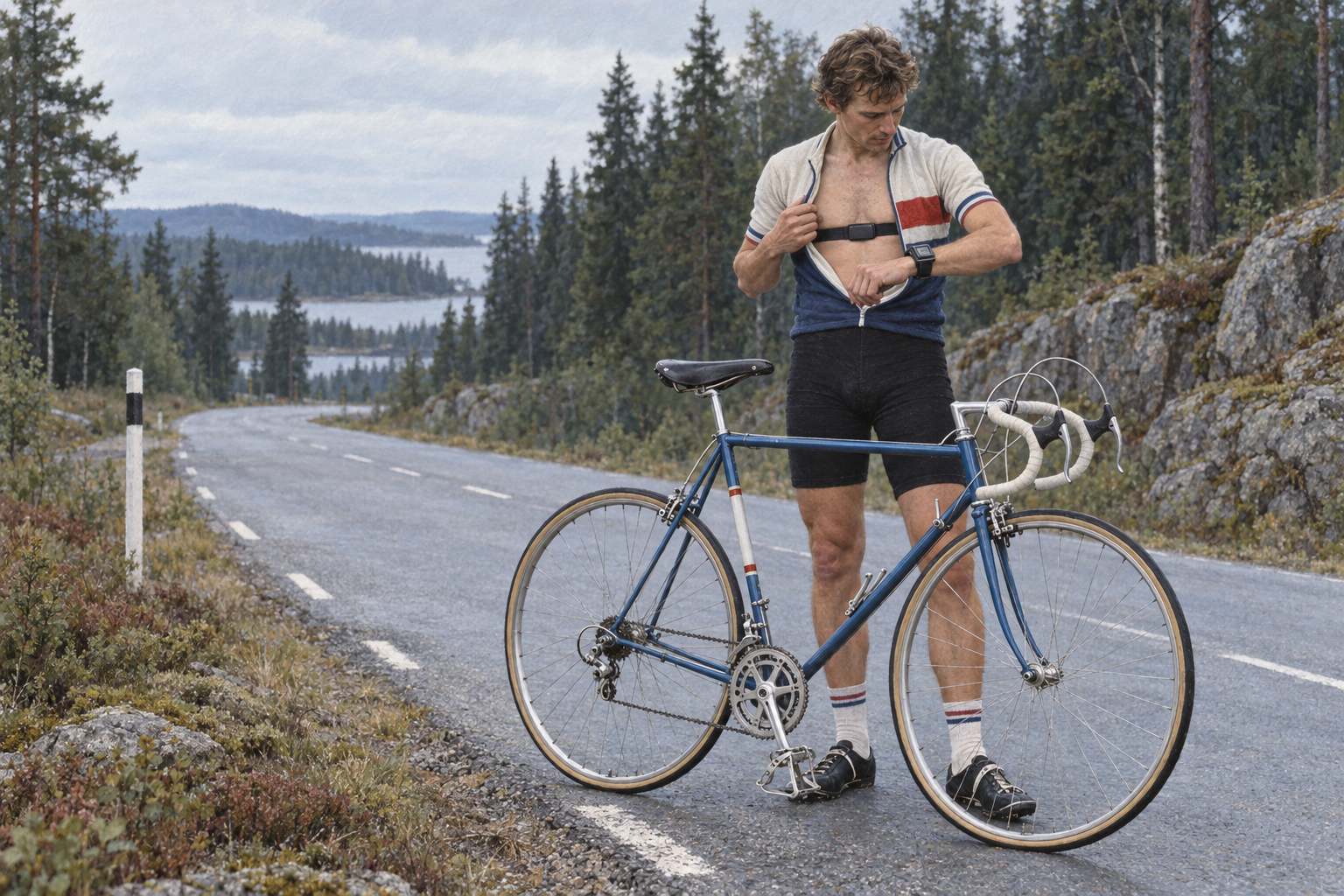
When heart rate joined the rider on the road
A chest strap and a small wrist receiver made it possible to follow the heart without laboratory cables. Training acquired a new number to discuss.
Read the story →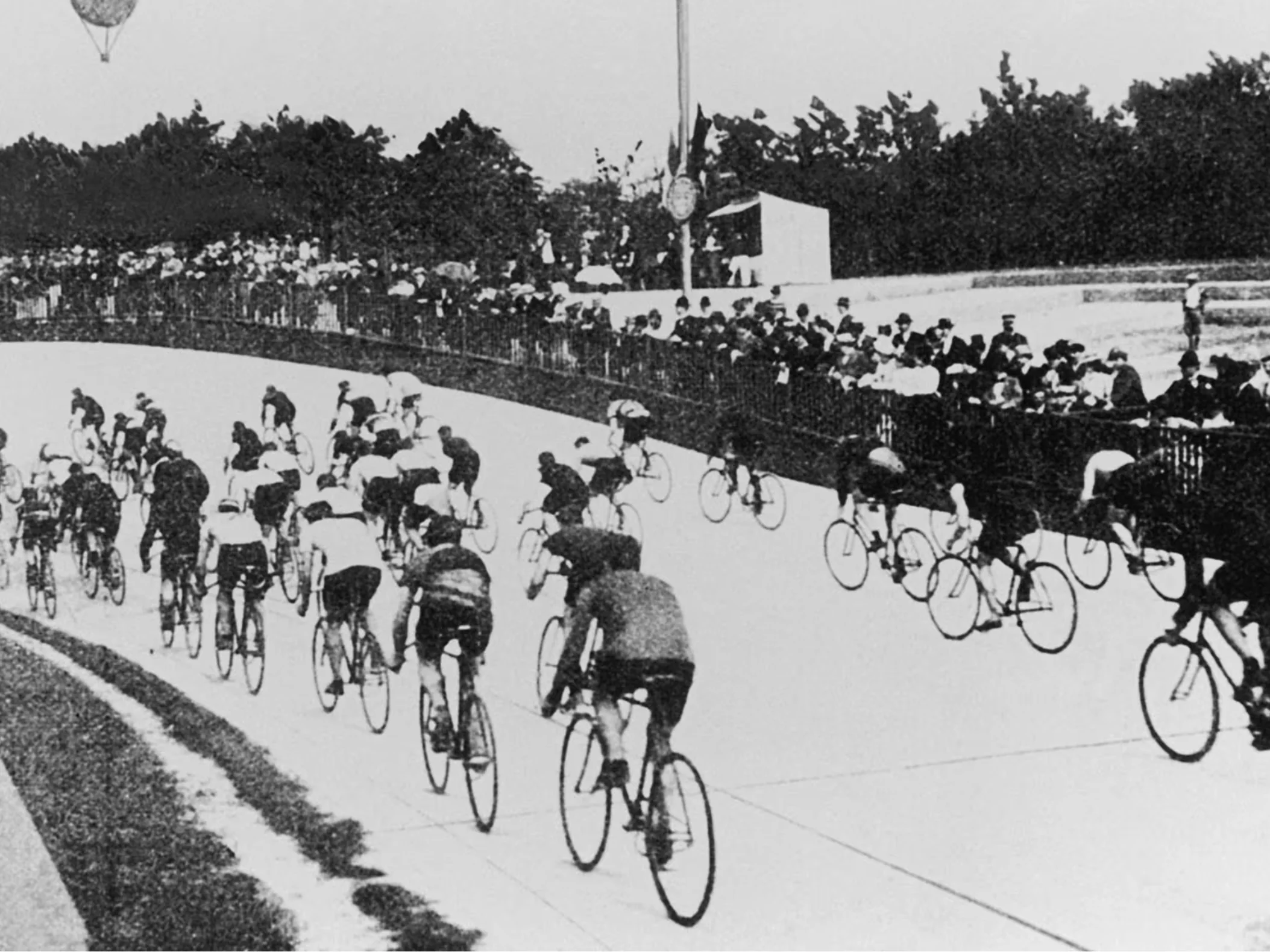
Cycling’s wild pioneer years
See the races, people, bicycles and changes that shaped the period.
Explore the period →