Races and defining moments · Hour Record · 1968
Ole Ritter's hour in Mexico City
On 10 October 1968, Ole Ritter rode farther in one hour than anyone before him. The thin air of Mexico City helped the speed, but it did not make the effort easier.
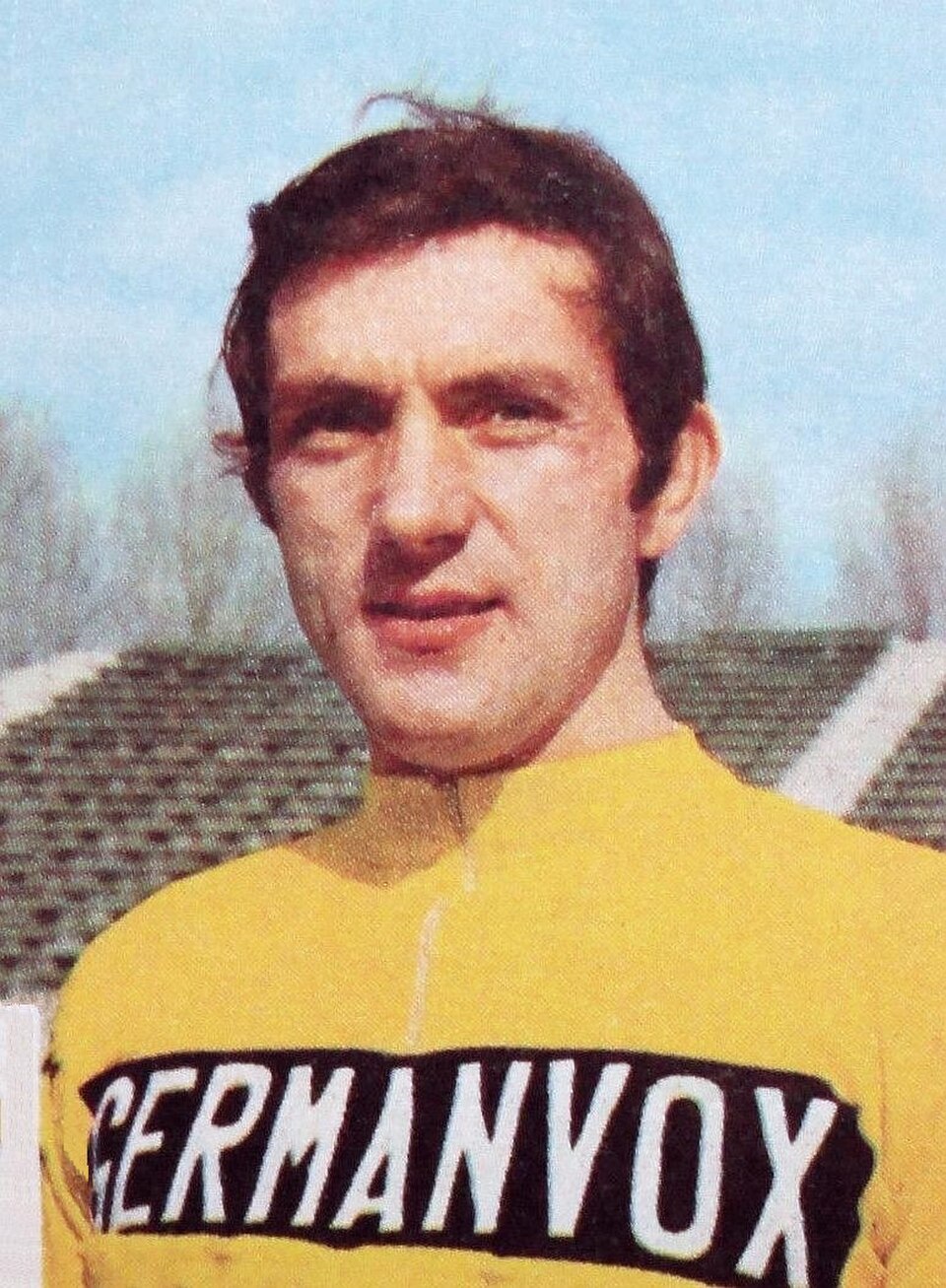
On 10 October 1968, Ole Ritter rode farther in one hour than anyone before him. The thin air of Mexico City helped the speed, but it did not make the effort easier.
The clock started at 10.27
On Thursday 10 October 1968, two days before the Olympic Games opened, Ole Ritter began riding on the velodrome in Mexico City. Later accounts give the starting time as 10.27. From then on the task allowed no tactical detour: the same track, the same direction and the greatest possible distance before one hour had passed.
The thin air
The track stood roughly 2,300 metres above sea level. At altitude, lower air resistance is an advantage when nearly all effort must be converted into speed. The rider also receives less oxygen with every breath. Altitude did not therefore provide a free record. It exchanged some resistance for a harder physiological bill.
One metre between two figures
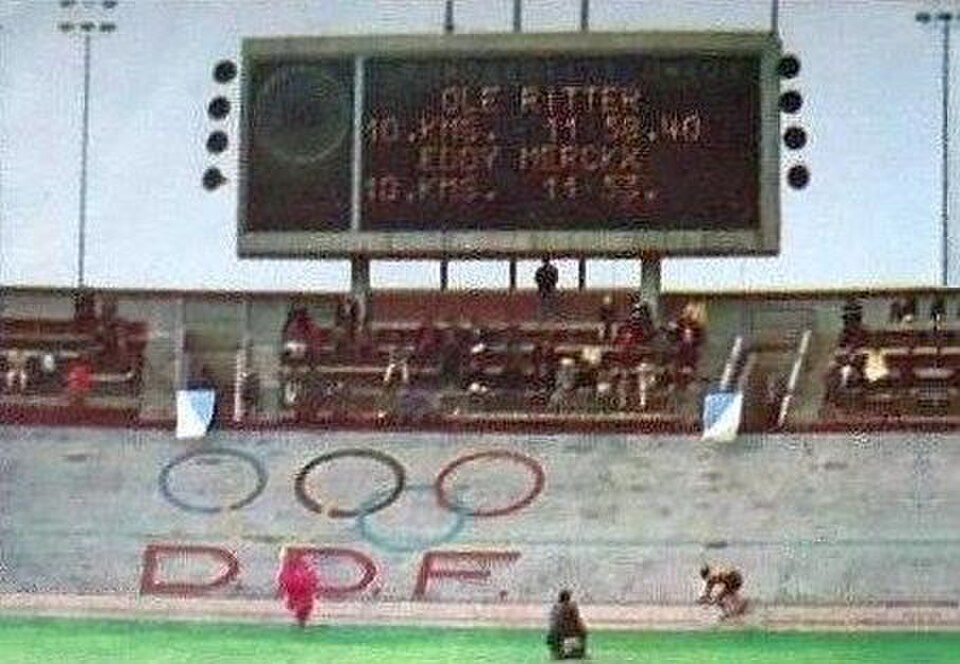
Ferdinand Bracke’s record from Rome the previous year was 48.093 kilometres. The UCI’s current historical list records Ritter’s new mark as 48.654 kilometres. Many contemporary and later sources use 48.653. The difference is one metre and does not alter the outcome: Ritter moved the record by a little more than half a kilometre.
Four years at the top
The record stood until 25 October 1972, when Eddy Merckx rode 49.431 kilometres on the same velodrome. Merckx came to occupy more space in the Hour Record story, but Ritter’s distance was his benchmark. The Danish ride was not an intermediate training result. It remained the world’s best for four years.
The film came later
Jørgen Leth’s film The Impossible Hour is often connected with Ritter’s record. The film follows three new attempts in 1974, not the hour in 1968. That makes it valuable in another way: it shows the preparation, the body and the disappointment when Ritter failed to regain the record. It documents the aftermath, not the record day itself.
Only the clock and the track
The Hour Record is simple to explain and brutal to perform. There is no sprint for which to save strength and no team-mate to send ahead. Once the hour begins, the rider can only distribute the effort and hold the line. In Mexico City, Ole Ritter held the speed long enough to put a Danish name at the top of one of cycling’s clearest measures.
Sources
Continue exploring
More from cycling history
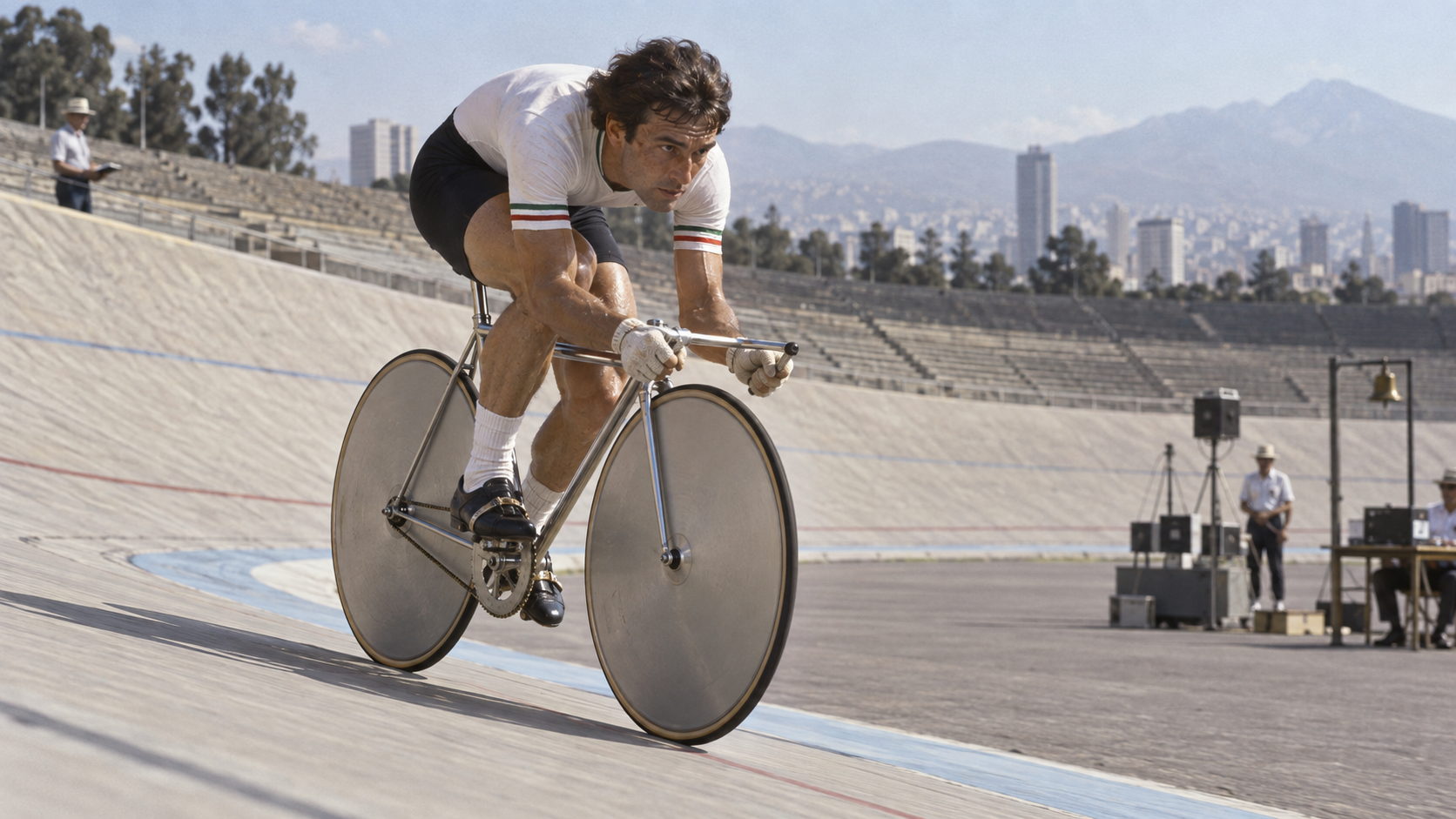
When Moser rode 51.151 kilometres in an hour
In Mexico City, Francesco Moser made aerodynamics, disc wheels and a new riding position visible on the stopwatch.
Read the story →
When Mogens Frey won after a hand on the handlebars
Joaquim Agostinho crossed first in Mulhouse, but the jury awarded victory to team-mate Mogens Frey after visible interference in the sprint.
Read the story →
When cycle racing entered the living room
See the races, people, bicycles and changes that shaped the period.
Explore the period →