1932 · Story
Binda’s third world championship in Rome
Italy had more than one captain. On the final climb Binda and his lieutenant simplified the question.
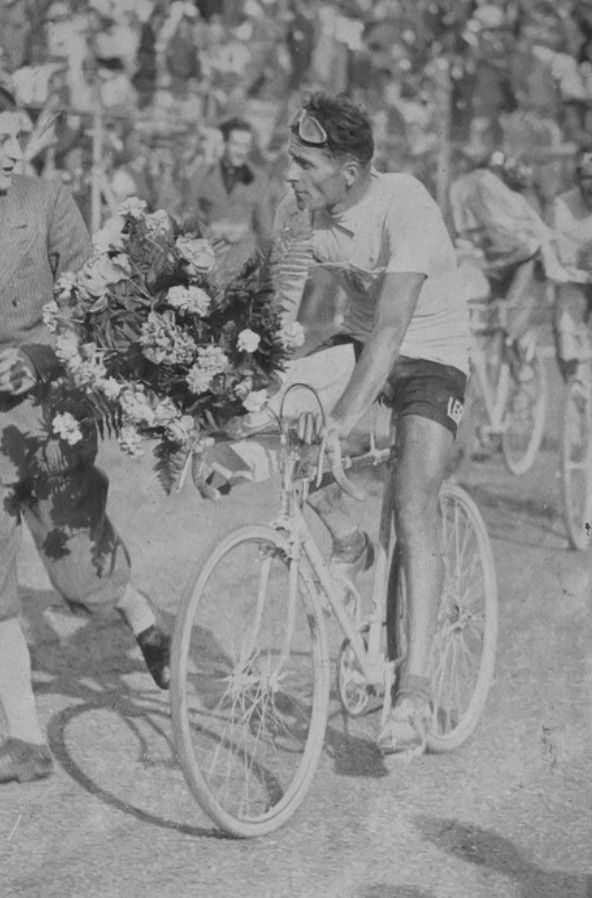
Bertoni went first
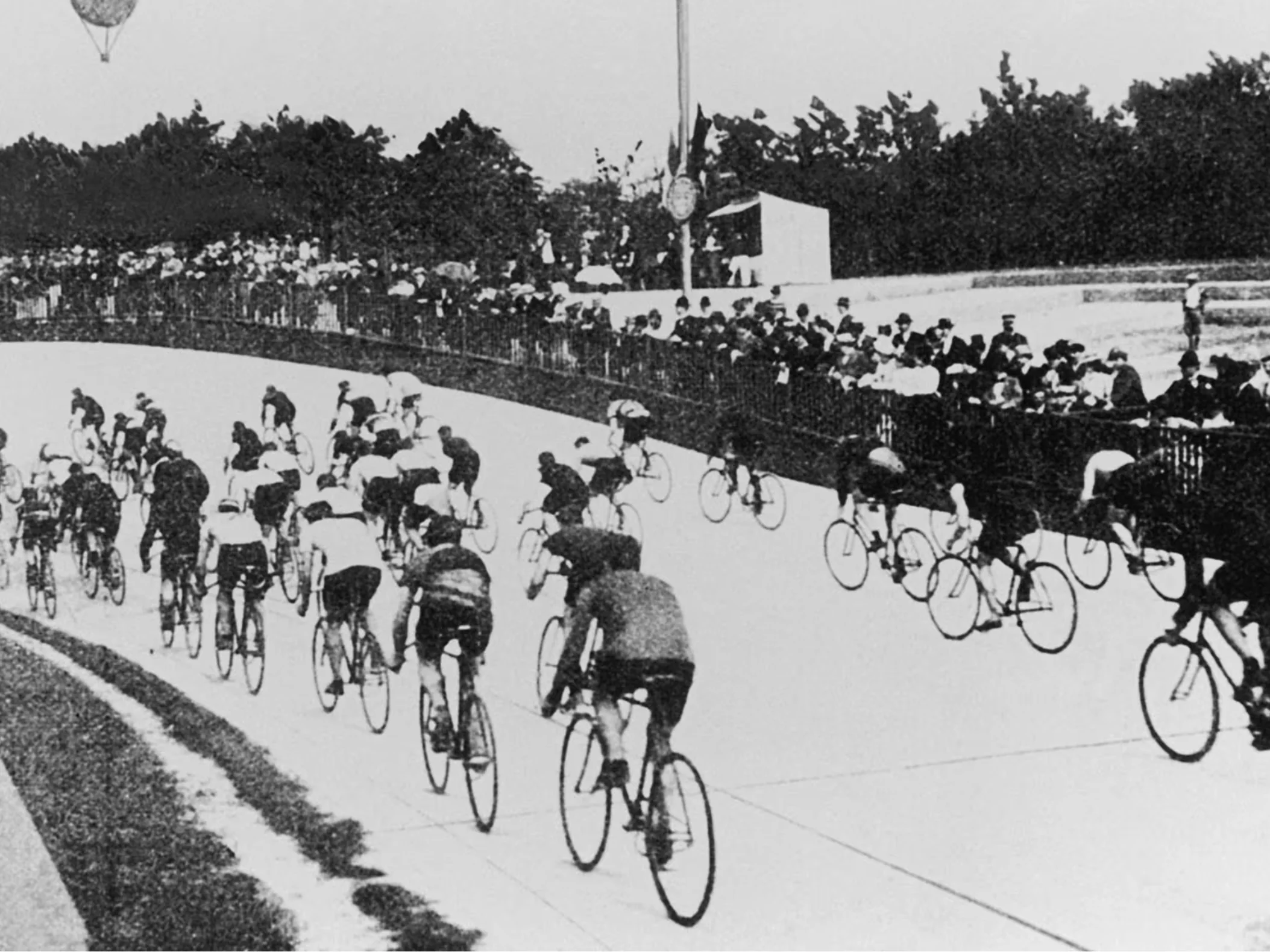
The world championship course on 31 August 1932 ran from Rome towards Rocca di Papa and back. Only twenty-one professionals started the 206 kilometres. Remo Bertoni was active early despite stopping twice to adjust a brake. Binda and Learco Guerra returned to the front.
Italy had Binda and Guerra, two major names with different strengths. Binda had already won the worlds in 1927 and 1930; Guerra was defending champion. Racing at home did not simplify the roles.
The final ascent
On the last run towards Rocca di Papa, Switzerland’s August Erne escaped. Four riders closed him down, including Binda and Bertoni. When Erne faded the Italians alternated attacks. Alfred Haemerlinck went first, then Nicolas Frantz lost contact.
Binda briefly waited for Bertoni and the pair continued with roughly thirty kilometres remaining. Bertoni had done the work but was also riding towards his finest result. The chase behind never formed.
Fifteen seconds
Bertoni was exhausted in the final kilometre. Binda crossed first in 7 hours 1 minute 28 seconds. Bertoni followed fifteen seconds later and Frantz was almost five minutes down. It was an Italian one-two built from two distinct roles.
Binda became the first rider to win three professional road world titles. Others later equalled but never surpassed him. In Rome the decisive image was not the number three, but a captain waiting briefly for his lieutenant before the pair rode the race away.
A championship between teammates
The world championship was raced by nations, but the riders brought hierarchies and rivalries from the professional season. Binda was already one of the sport’s most complete winners, while Guerra had speed and the defending title. Bertoni arrived with a different task: work, respond and help keep the Italian race under control. When the decisive selection came, however, he still had enough strength to follow Binda. Within a few kilometres a supporting role could become a chance to win a medal himself.
The course around Rome suited the kind of race Binda could read. Repeated runs towards the heights at Rocca di Papa did not provide one long Alpine decision, but a sequence of efforts. Each rise in pace reduced the group, and every attack became a little more expensive to close. Binda did not need to attack from a great distance. He could allow the situation to mature, watch which opponents still responded and use the final passage to make the difference permanent.
His decision to wait for Bertoni should not be turned into a sentimental gesture without tactics. Two Italians together could sustain greater speed and make a chase more difficult, and Bertoni had already proved his value. Even so, the pause says something about Binda’s command of the race. He understood that it was not finished merely because the rivals were disappearing. Only in the final kilometre was the order of the medals settled. Bertoni received silver, Binda the record, and Italy a result larger than another individual victory.
Binda’s third title completed a career already exceptional in range. He could win stage races, classics and championships, yet his strength also made him difficult for organisers and rivals. In the 1930 Giro he had been paid not to start because another dominant victory was feared. Rome offered no such restriction. Here he had to defeat the best in a single day, within a national team and before an Italian public. He achieved it not through a solitary display from the start, but through patience, selection and cooperation with the rider who finished immediately behind him.
The result gave Bertoni an uncommon place in the story of a famous captain. A lieutenant’s work often disappears when only the winner is remembered, but here the time gap and silver medal remain. Fifteen seconds were enough to separate their roles at the finish, but not enough to conceal that they had created the decision together.