Italy and the Tour de France · July 1948
Can three stage wins
stop a revolution?
When Communist leader Palmiro Togliatti was shot, Italy ground to a halt. The next day, Gino Bartali began one of the Tour's greatest reversals. The rest became national myth.
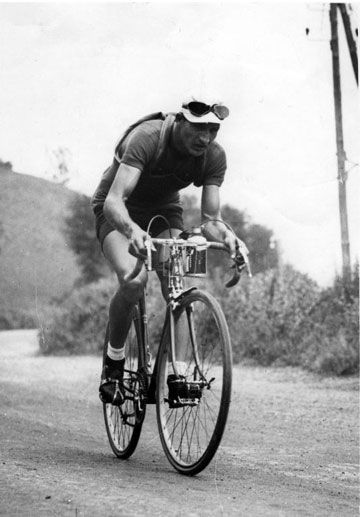
Italy was closer to civil war than at any point since liberation. Bartali was 21 minutes behind the yellow jersey. Then the telephone rang — perhaps.
The shots in Rome
On 14 July 1948, Palmiro Togliatti left the Chamber of Deputies in Rome. Twenty-five-year-old Antonio Pallante was waiting outside and shot the Communist Party leader several times. Togliatti survived, but the news brought a general strike, barricades, factory occupations and armed clashes. People were killed and several hundred wounded.
The Communist leadership urged restraint, and Togliatti asked his supporters from hospital not to lose their heads. The government deployed police and troops. Those political decisions — not a bicycle race — determined that the unrest did not become a revolution.
The hotel telephone
The Tour de France was resting in Cannes. Bartali lay seventh, 21 minutes 28 seconds behind Louison Bobet. In the famous account, Prime Minister Alcide De Gasperi called the hotel and asked his old acquaintance for an exploit that might give Italy something else to think about.
The call is plausible, but its words and effect remain uncertain. Bartali described it differently over the years, while contemporary official reports do not credit his riding with a decisive political role. The safest conclusion is that De Gasperi and Bartali spoke. The dramatic version — the statesman asking the cyclist to save the country — belongs to the myth.
Rain over the Izoard
On 15 July the field rode 274 kilometres from Cannes to Briançon over the Allos, Vars and Izoard. In cold rain, Bartali attacked. He beat Briek Schotte by 6 minutes 18 seconds; Bobet lost 18 minutes 7 seconds. In one day Bartali moved to within 1 minute 6 seconds of yellow.
The next day he won the 263 kilometres to Aix-les-Bains and took the lead. On the third day he won again in Lausanne. Three consecutive stage victories turned an almost lost Tour into his race. When he reached Paris on 25 July, he had won seven stages and the overall by 26 minutes 16 seconds.
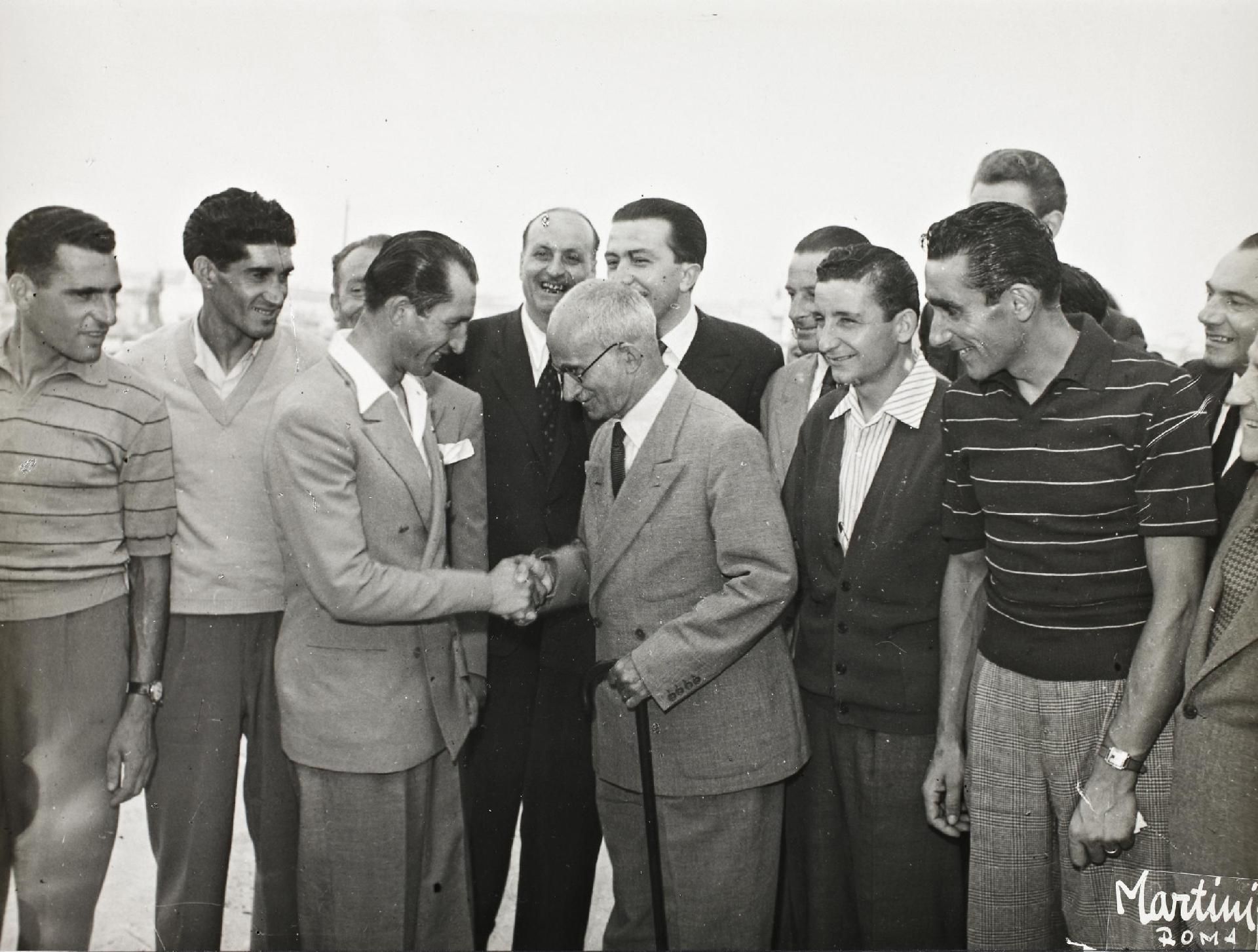
Victory and calm arrived together
Bartali's Briançon victory filled front pages just as the strike was losing force. That made it a ready symbol. A Catholic sporting hero had won while the Christian Democratic government regained control. It was a story post-war Italy could use.
But proximity in time is not causation. The crisis subsided through Togliatti's appeal, Communist Party strategy, trade-union decisions and state force. Bartali gave the country a common news story and perhaps a moment of distraction. He did not prevent civil war by himself.
The myth still contains a truth
The story endured because it turned the most dangerous days of a divided country into one image: a man in a rain cape climbing the Izoard while radios back in Italy changed the subject.
Bartali did not bring peace back. He gave peace a hero. That is the difference between history and myth — and why both versions are still told.
Sources and image notes
This article separates the documented chronology from the later claim that Bartali stopped a revolution. Treccani's biography describes the telephone call as difficult to disentangle from legend; the work of historian John Foot and Nicola Sbetti rejects the cycling victory as the principal explanation for the crisis ending.
- Treccani: Gino Bartali, Dizionario Biografico
- Rai Cultura: the attack on Togliatti
- Nicola Sbetti: sport and Italian foreign policy
- Tour de France: historical guide and results
- L'Équipe: Cannes–Briançon, 15 July 1948
- Wikimedia Commons: Einaudi and Bartali

Alternative illustration: A clearly labelled illustration could show Bartali alone on the Izoard in cold rain while an Italian radio and newspaper headlines about Togliatti fade into the background — 1948 newspaper graphics in black, grey and dusty yellow, with no invented dialogue.
Continue exploring
More from cycling history
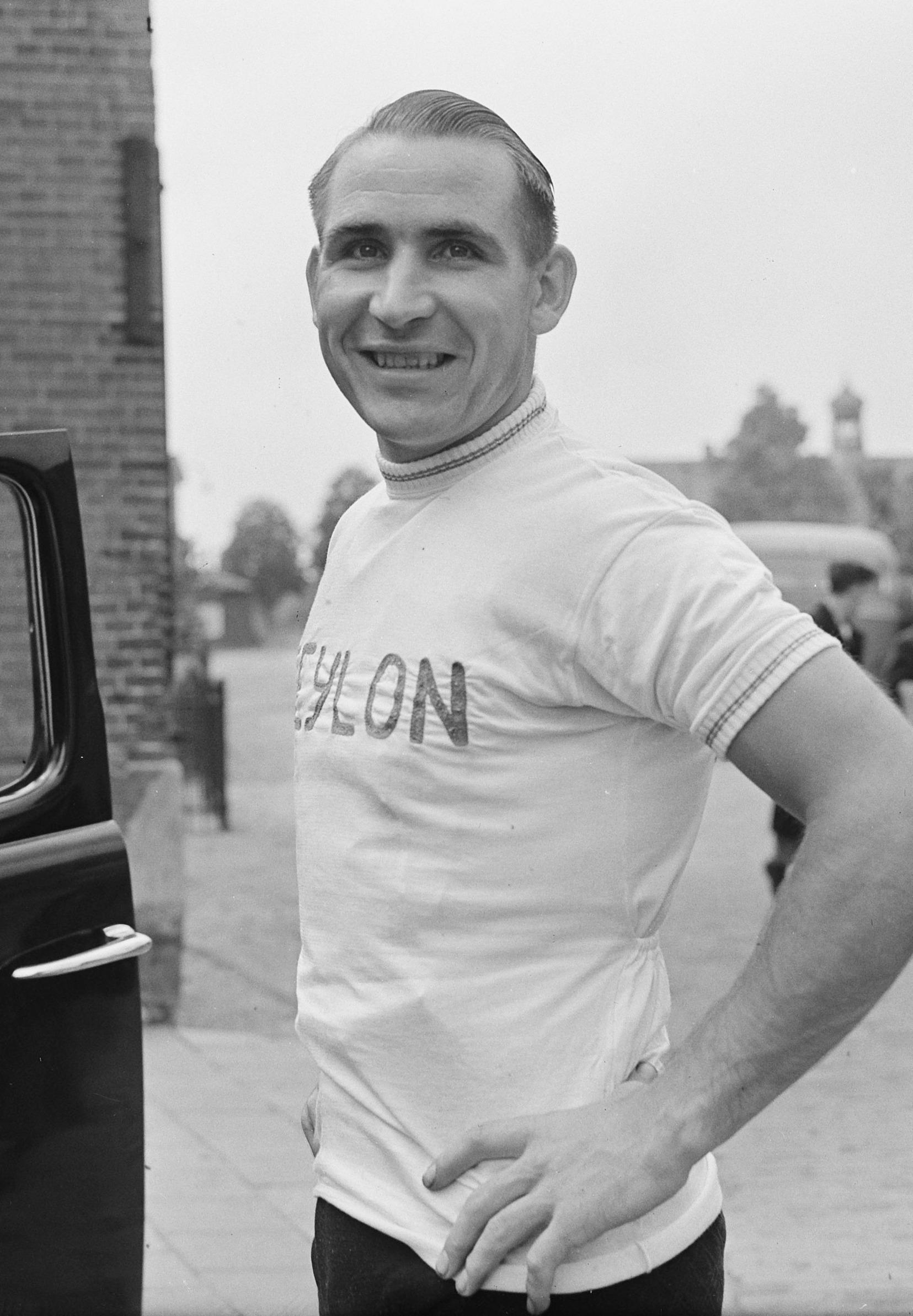
The yellow jersey disappeared down the mountainside
Wim van Est crashed over the Aubisque and was hauled back up with an improvised rope made from inner tubes.
Read the story →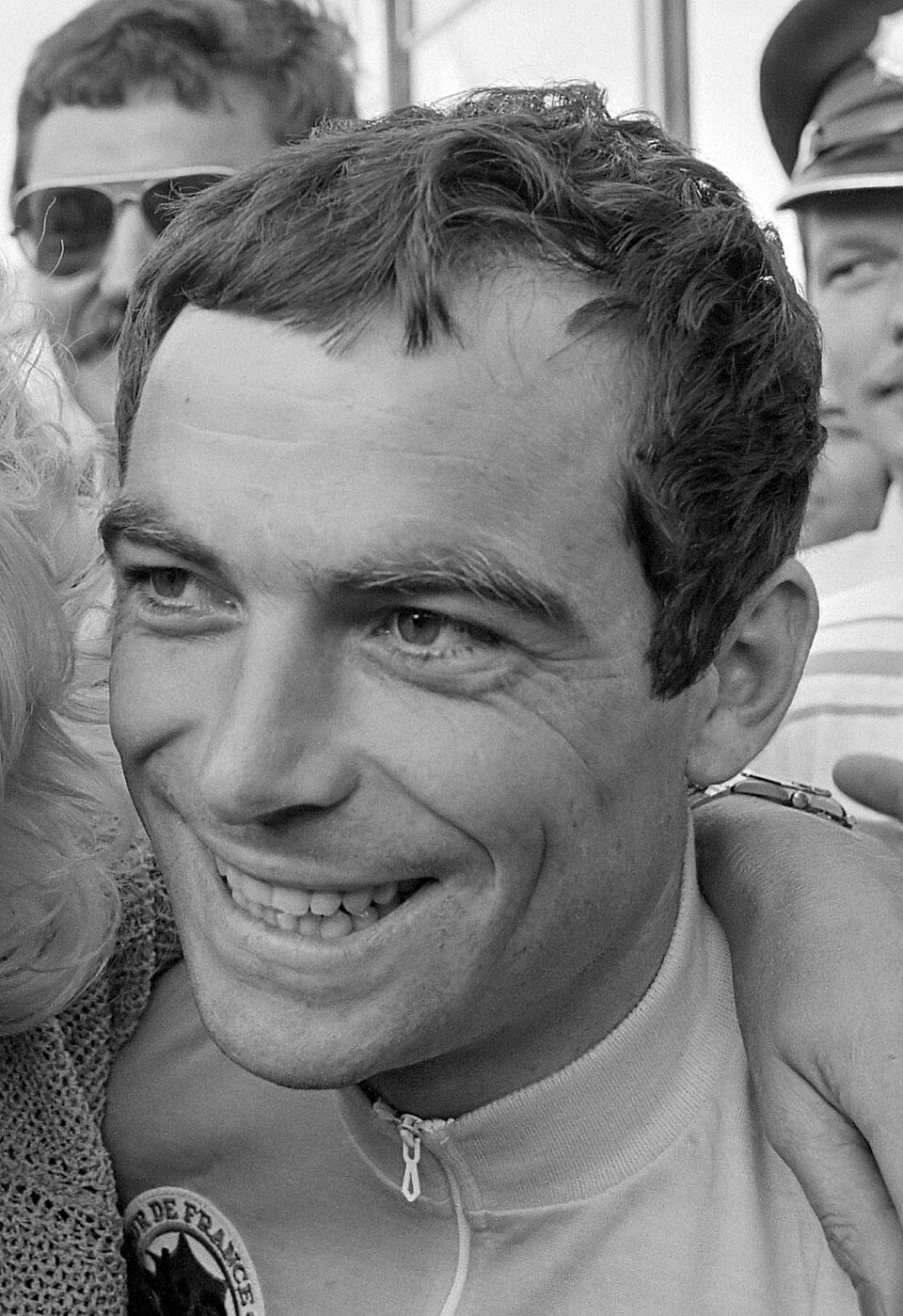
When Hinault rode into a workers’ protest
Paris–Nice met a road blockade by La Ciotat shipyard workers. Bernard Hinault was knocked down, got up and struck a demonstrator.
Read the story →
When shifting moved to the handlebars
See the races, people, bicycles and changes that shaped the period.
Explore the period →