Bordeaux–Paris · 30 May 1965
With a motor pacer
ahead of the bicycle
Jacques Anquetil won the Dauphiné, flew to Bordeaux and began a 557-kilometre race a few hours later.
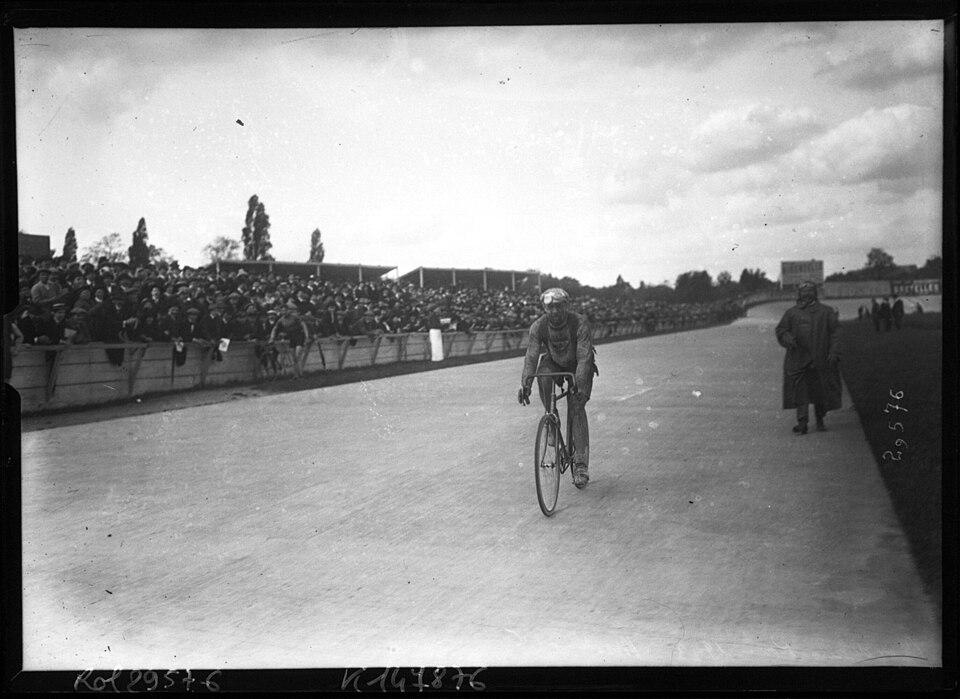
2:30 in the morning
Anquetil had finished the Dauphiné the previous day. After a drive, a flight and roughly one hour’s sleep, he stood at the start in Bordeaux.
From Avignon to Bordeaux
On Saturday 29 May, Jacques Anquetil rode the final stage of the Critérium du Dauphiné Libéré, 227 kilometres from Romans-sur-Isère to Avignon. He secured overall victory, completed the prize ceremony and then got into a car for the airport at Nîmes.
A plane took him on to Bordeaux. Contemporary and later accounts do not agree on every time, but the sequence is clear: he had time only to eat, receive a massage and sleep briefly before setting out again. The official start of Bordeaux–Paris was at 2:30 am.
The plan had been devised by Anquetil’s directeur sportif, Raphaël Géminiani. The double was meant to demonstrate how far the rider could stretch his capacity to recover, manage his effort and ride against the clock. It could just as easily have ended with him failing to finish the second race.
A race from another age
Bordeaux–Paris was first held in 1891 and became one of road racing’s great one-day classics. Its distance was around 560 kilometres. It was not merely a longer version of an ordinary road race. Much of its distinctive character came from the pacers.
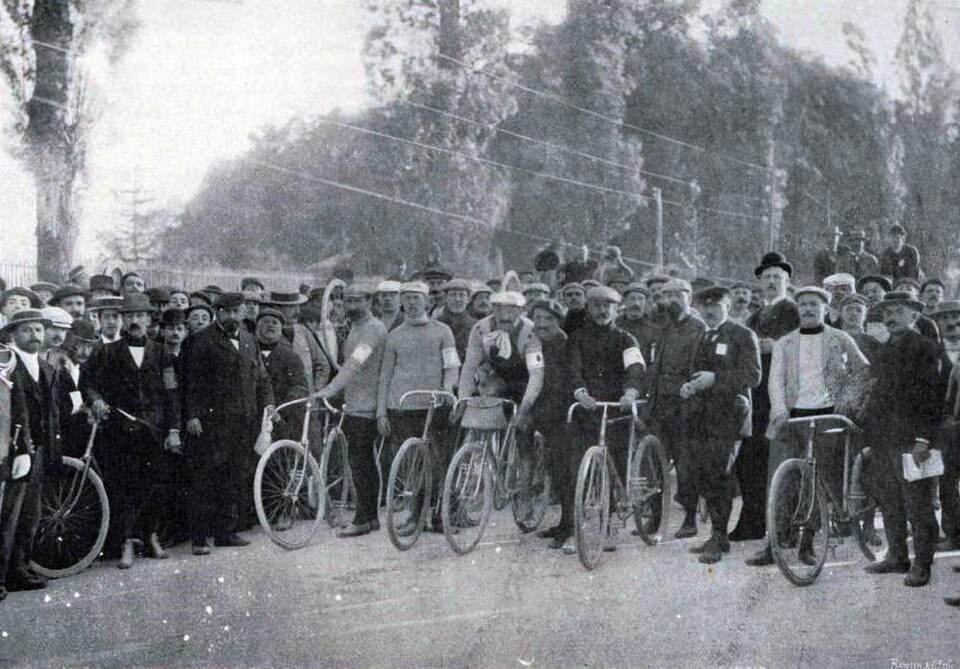
Beyond Châtellerault
Behind the motor
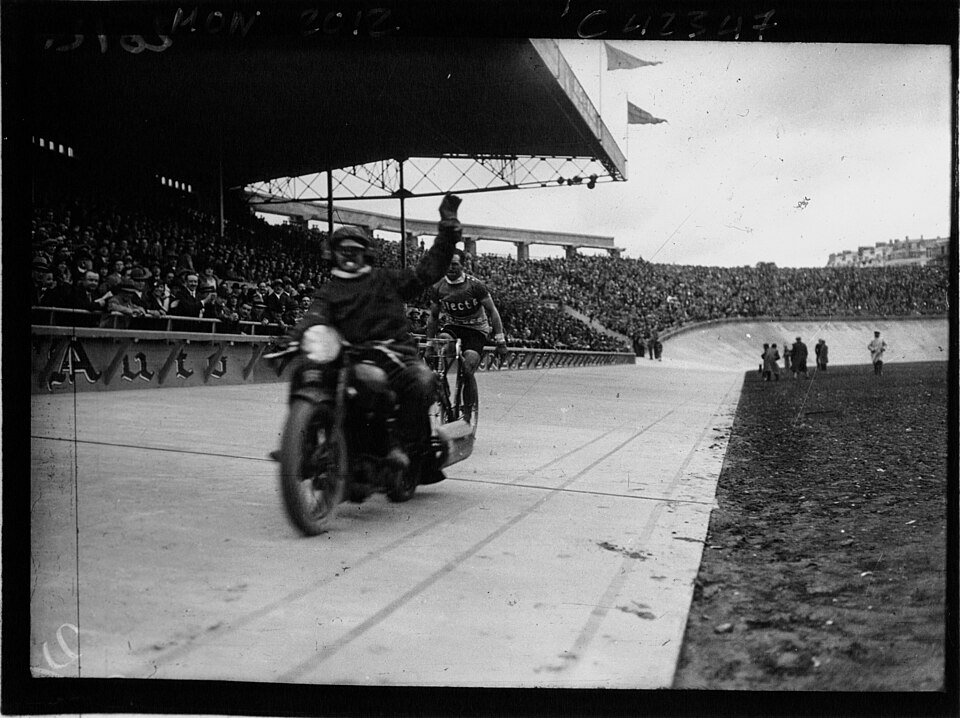
In 1965 the riders covered the first part without motor assistance. Around Châtellerault they met their motor pacers. From there, a rider could sit close behind a small motorcycle and use its shelter. That altered both the speed and the way the race had to be ridden.
This was not concealed assistance but a defined part of the rules. Bicycle wheelbases were checked because a short machine could bring its rider closer to the pacer. Each rider also had a reserve pacer. Sources use both Derny and Burdin for the small machines; accounts of Anquetil’s race refer particularly to a Burdin.
The pacer’s speed, line and timing became part of the rider’s work. A rider had to remain centimetres from the roller behind the motor without touching it. On a cold, wet day after a night with almost no sleep, it was not a simple shortcut.
Cold, rain and sleep
The motor removed some of the air resistance. It did not remove the fatigue.
Anquetil entered a difficult spell around the place where the pacers took over. Géminiani later recalled that the rider got into the car to abandon and that the bicycle was placed on the roof. The directeur sportif persuaded him to return to the road. This detail was told many years later and should be read as Géminiani’s version of the moment, not as a contemporary record.
His team-mates also mattered. Jean Stablinski and the British rider Vin Denson helped control the race while François Mahé was far ahead. Tom Simpson, winner of Bordeaux–Paris in 1963, was among the most dangerous rivals.
Simpson attacked near Dourdan, but his advantage did not hold. When Mahé was caught, Anquetil, Stablinski and Simpson remained to decide the race. Anquetil attacked at the Côte de Picardie on the way out of Versailles. From there he stayed alone to the finish.
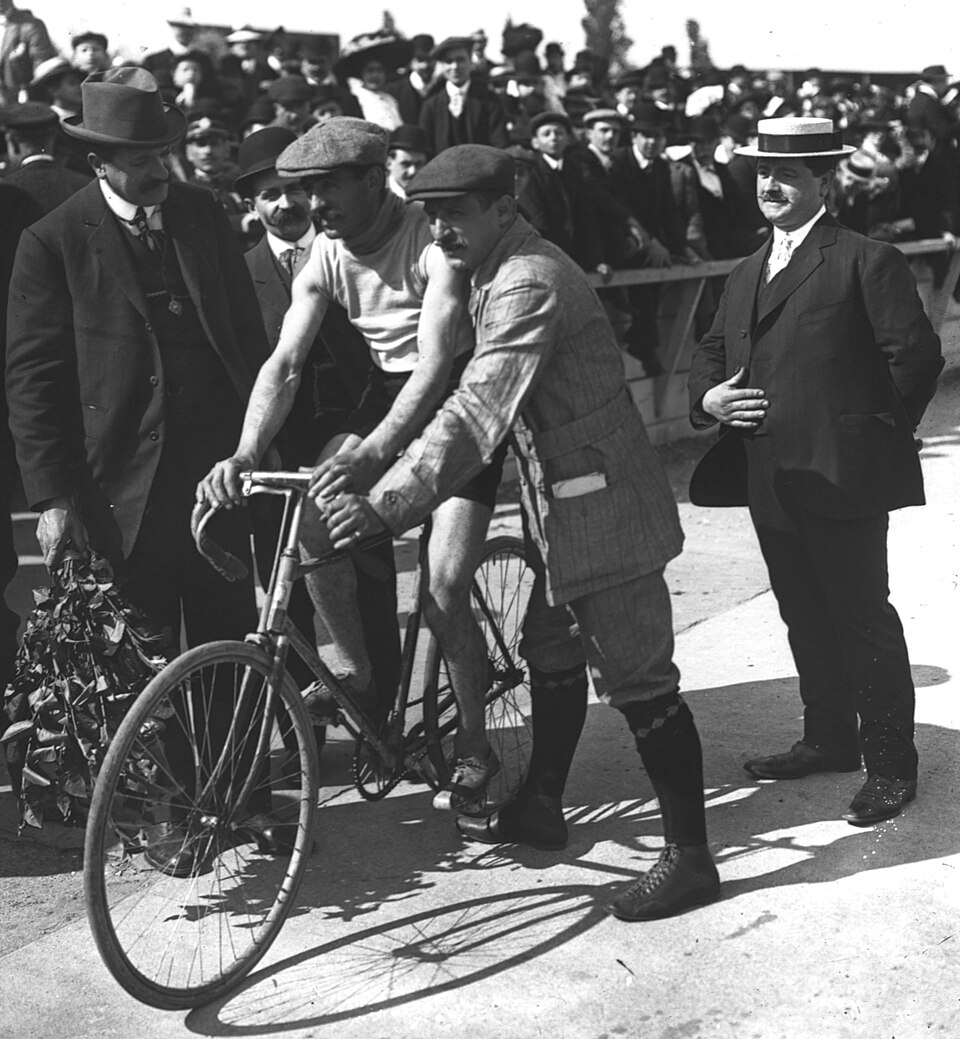
Parc des Princes
57 seconds
Anquetil entered the old track at the Parc des Princes after 15 hours, 3 minutes and 3 seconds. Stablinski followed 57 seconds later. Simpson was third, another two seconds behind.
The ride quickly became more than a single result. In two days Anquetil had won a stage race, travelled through the night and then won one of the calendar’s longest one-day races. The motor pacer belonged to Bordeaux–Paris, but the same rule applied to the entire field. The difference lay in how the rider and his team used it.
Bordeaux–Paris later disappeared from the professional calendar. That makes the 1965 edition seem almost foreign today: wool jerseys, steel bicycles and small motorcycles on a wet road. In their midst sat a man who had barely slept, waiting for the final place to attack.
Sources and image notes
The result, distance and finale have been checked against contemporary results and Raymond Marcillac’s report in Le Monde. The claim of roughly one hour’s sleep and the incident in the team car rest on Raphaël Géminiani’s later recollection. Some sources give a distance of 567 kilometres; the 1965 result list gives 557. All four photographs predate 1965 and are used to show the history and pacing format of the race.
- Le Monde, 1 June 1965: contemporary report on the double
- Le Monde: Raphaël Géminiani’s later recollection
- CyclingRanking: 1965 Bordeaux–Paris result
- Fabien Conord: Bordeaux–Paris and the history of the race
- Wikimedia Commons: Louis Mottiat, 1913
- Wikimedia Commons: Romain Gyssels, 1932
- Wikimedia Commons: Léon Georget, 1910
- Wikimedia Commons: the 1897 start


Continue exploring
More from cycling history
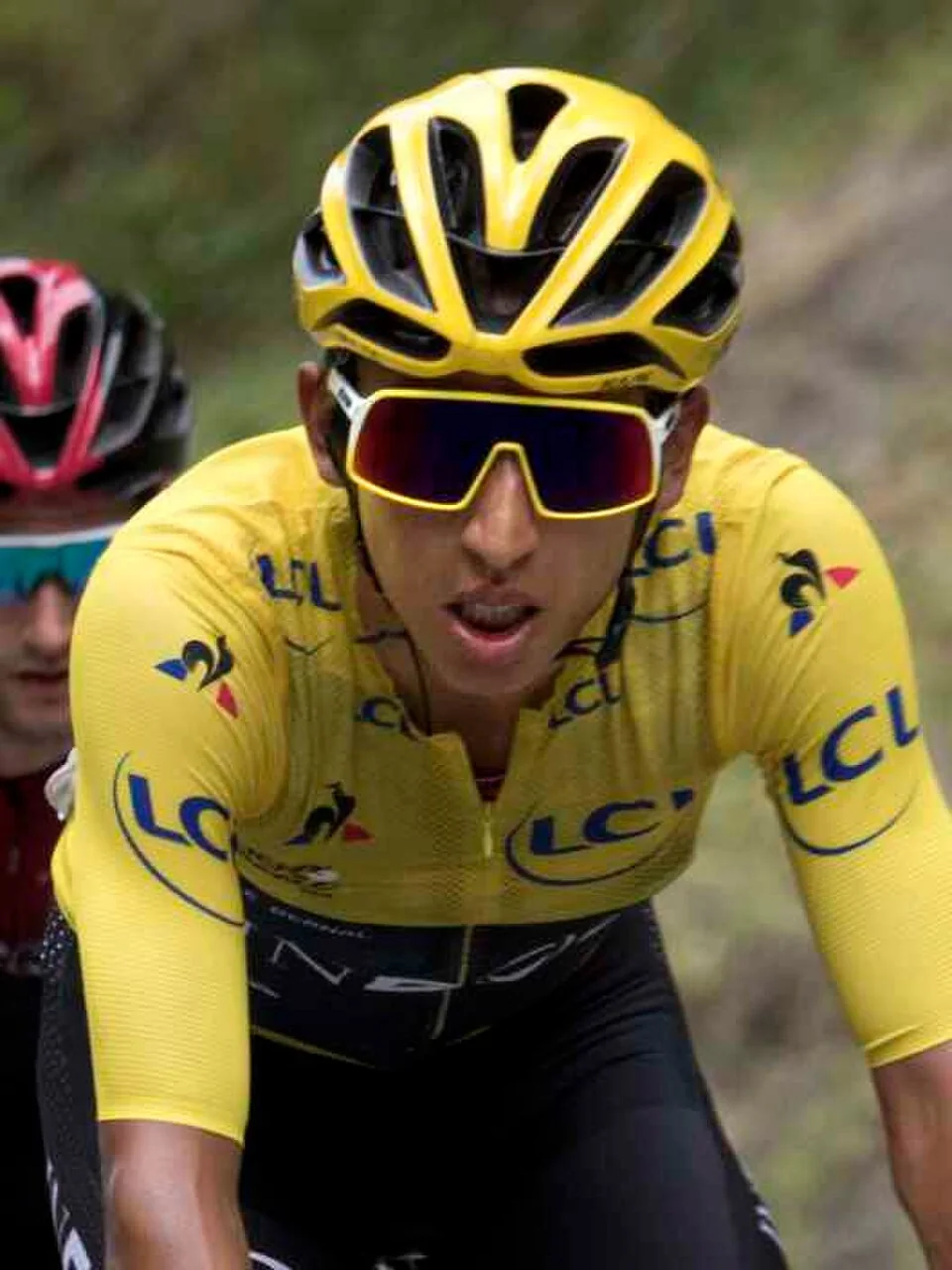
When a Tour stage ended without a finish line
Egan Bernal attacked on the Col de l’Iseran as hail and a landslide made the road to Tignes impassable and stopped the stage.
Read the story →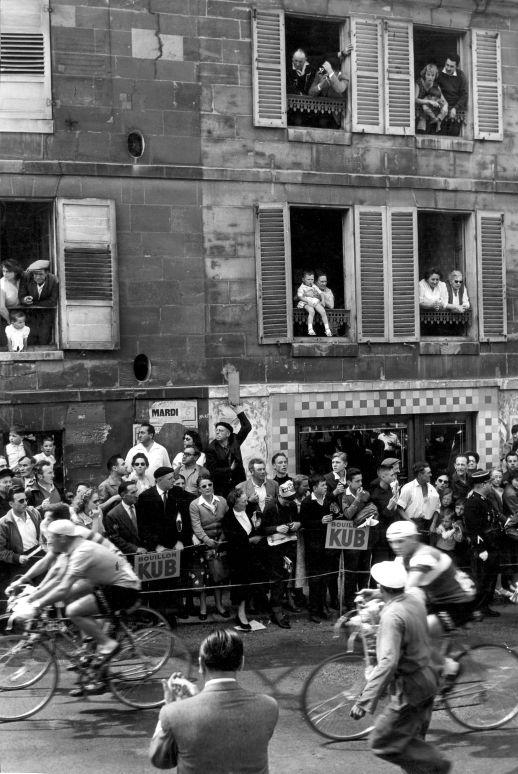
The Tour winner nobody expected
Roger Walkowiak won no stage in the 1956 Tour. He won the race because the favourites first underestimated his breakaway and later could not drop him.
Read the story →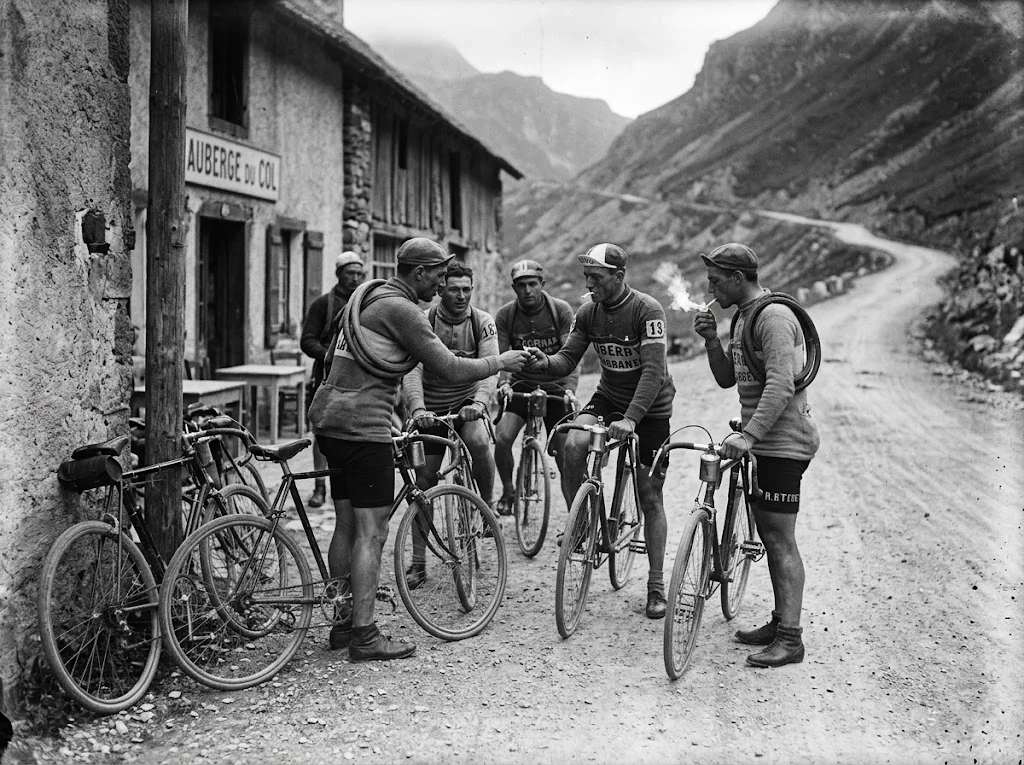
Cycle racing’s hard golden age
See the races, people, bicycles and changes that shaped the period.
Explore the period →