Nutrition, training and science · Doping history · 1952
When “necessary” meant almost always
Fausto Coppi’s answer about “la bomba” became one of cycling’s most frequently repeated doping remarks. It belongs to an age when use was known but effective controls barely existed.
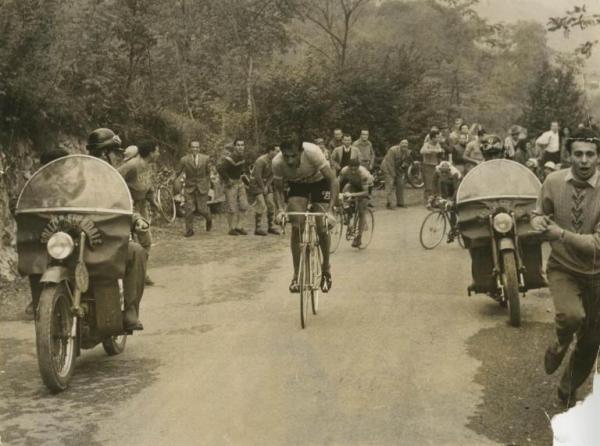
Fausto Coppi’s answer about “la bomba” became one of cycling’s most frequently repeated doping remarks. It belongs to an age when use was known but effective controls barely existed.
A direct question
In a 1952 RAI interview, Coppi was asked whether riders took “la bomba”, the peloton’s term for amphetamine-based stimulants. He answered without the distance created by later rules.
Almost always
Asked when it was necessary, he replied in the familiar version: practically all the time. The remark survives through later RAI broadcasts and should be tied to this particular interview.
A tool of the trade
Amphetamine could suppress tiredness and hunger and create a feeling of surplus energy. That was precisely what made it dangerous: the body’s warnings grew weaker while the load continued.
Before controls
There was still no effective international testing system. This does not mean that use was harmless or universally accepted, but that the boundary between medicine, stimulant and cheating was handled far more loosely.
A remark with another side
Coppi’s dry answer can sound amusing. Historically, it matters more as a rare open window into a working culture in which riders pushed the body without the safeguards later rules attempted to create.
Sources
Continue exploring
More from cycling history
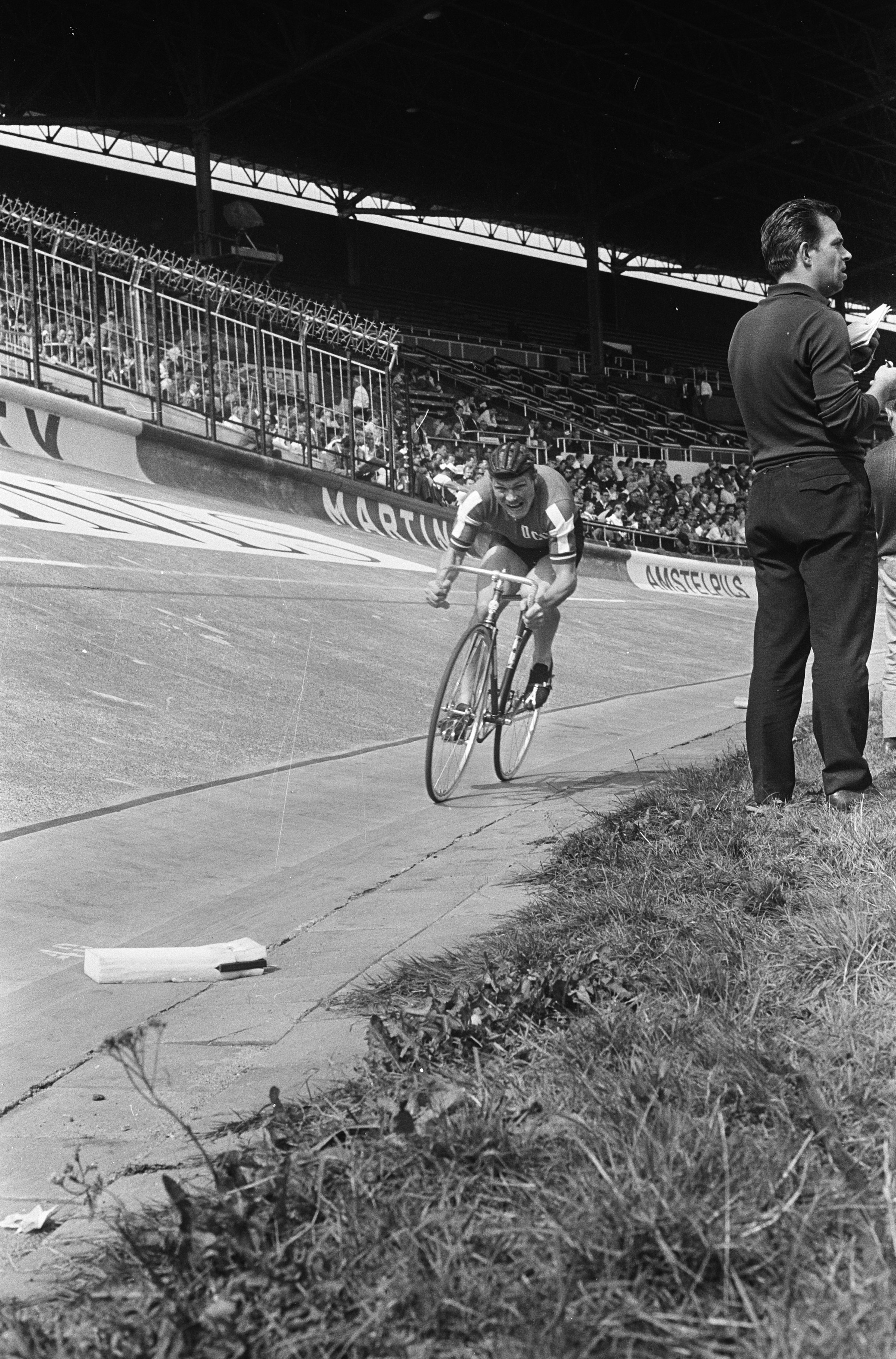
When Mogens Frey won after a hand on the handlebars
Joaquim Agostinho crossed first in Mulhouse, but the jury awarded victory to team-mate Mogens Frey after visible interference in the sprint.
Read the story →
When the Tour peloton protested against doping controls
Shortly after leaving Bordeaux, the riders stopped. New doping controls had entered an old working culture.
Read the story →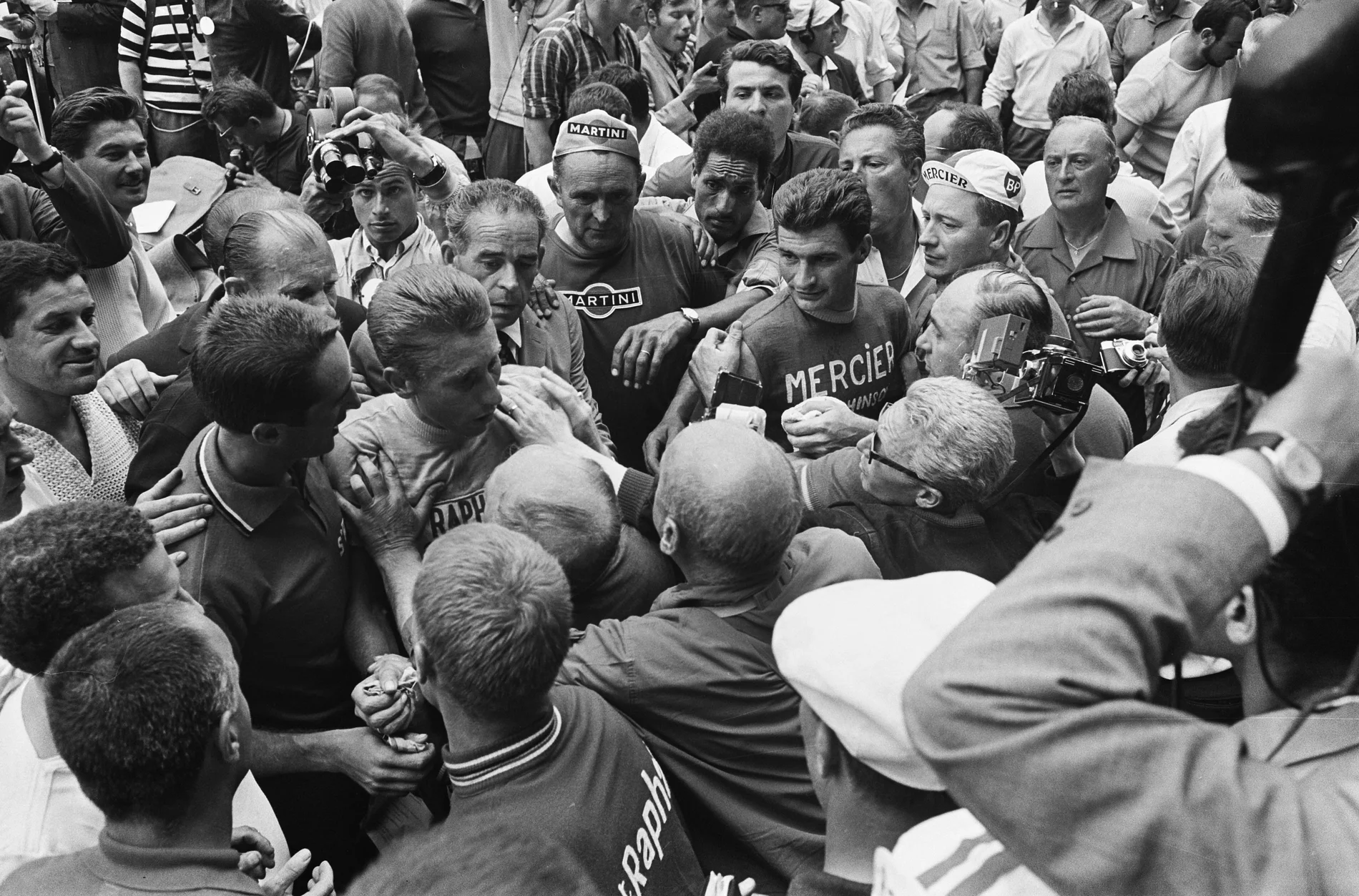
When the racing bicycle found its modern form
See the races, people, bicycles and changes that shaped the period.
Explore the period →