Tour de France · 1966
When the Tour peloton protested against doping controls
The riders stopped shortly after leaving Bordeaux. It was not a protest against doping, but against the way testing had entered their working lives.
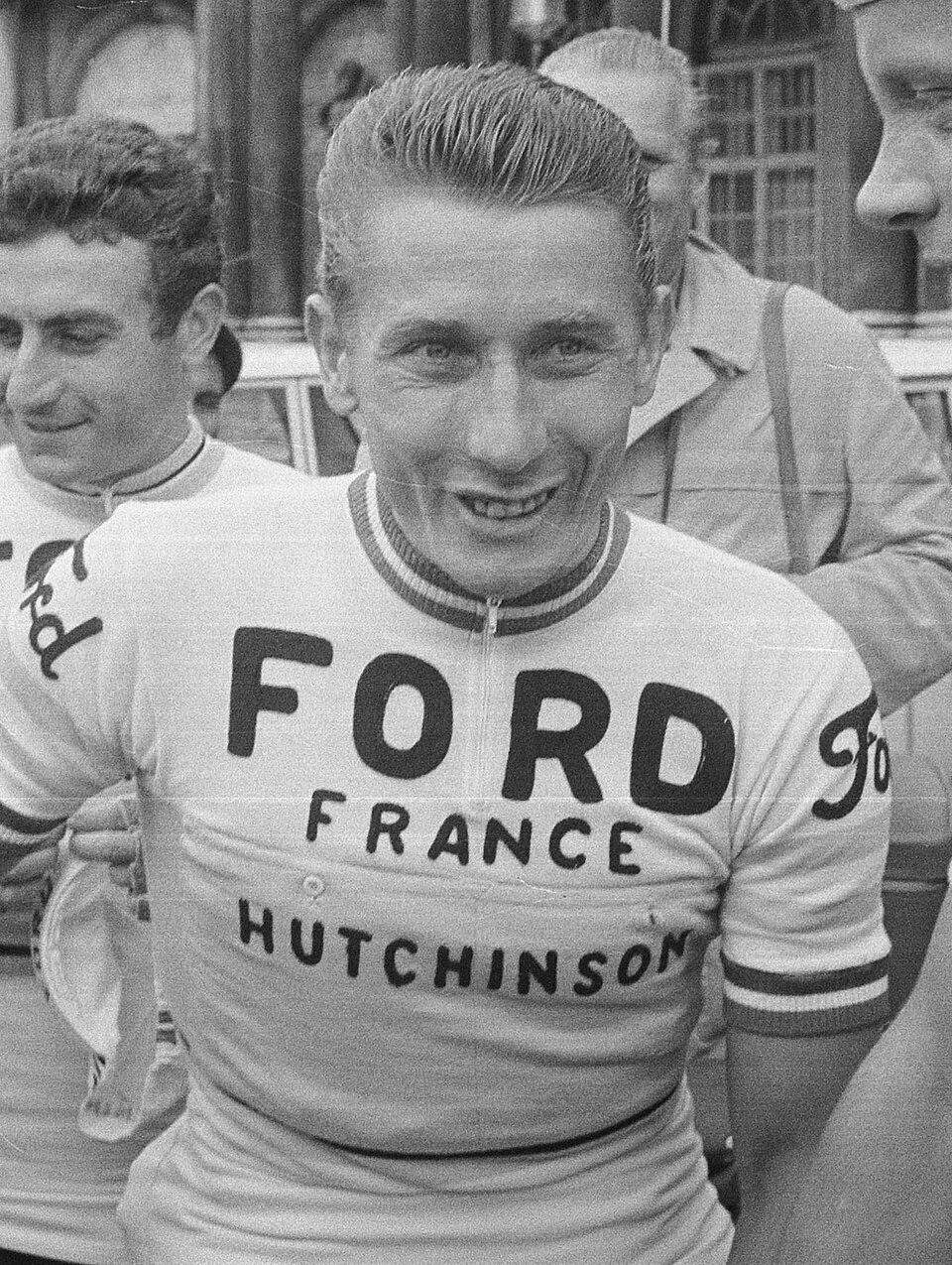
On 29 June 1966, the peloton rolled out of Bordeaux. Soon afterwards, the bicycles stopped. The riders walked for a while and made the race wait. A new set of rules had met an old working culture.
Testing without precedent in the Tour
The previous year, France had passed a law against the use of stimulants in sport. At the 1966 Tour, doping controls were carried out as part of the race for the first time. Riders were selected for tests after stage 8, and five positive tests were subsequently reported.
To a modern reader, testing may seem self-evident. It did not to the riders. Medical assistance, stimulants and painkillers had long formed part of professional cycling’s closed everyday world. The boundary between treatment, habit and performance enhancement was unclear, and riders regarded testing as an intervention introduced without consulting them.
A peloton on foot
The following day, the peloton stopped after the start. Jacques Anquetil is linked with the leadership of the protest in later accounts, but the action was collective: the riders wished to object to the form of the tests and the authorities’ access to their working lives. After a brief demonstration, they remounted and completed the stage.
The stoppage does not show that every rider wanted unrestricted doping. It shows how little common understanding there was of the rules and legitimacy of testing.
Before Simpson
The protest is sometimes told as a prelude to Tom Simpson’s death the following year. The chronology matters. The anti-doping law, the first Tour tests and the riders’ protest all came before his death on Mont Ventoux in 1967. Simpson’s death gave the debate new gravity, but it did not create testing.
The early system was also far removed from today’s. Testing methods were limited, rules varied, and rights and procedures were not fully developed. Authorities, race organisers, doctors and riders all had to work out what a control should be.
An industrial dispute on the road
From the perspective of later decades, it is tempting to see only an embarrassing defence of doping. But the protest also concerns power. Professional riders had few formal ways to influence safety, race schedules and health regulations. When the peloton stopped, it used the most visible means available.
That does not make the use of stimulants in the period any less serious. It merely explains why a health regulation could be perceived as outside control long before riders saw it as protection. In Bordeaux, those two understandings faced one another in the middle of the road.
Sources and qualifications
The broad events are well documented. Accounts of the protest’s precise sequence and the roles played by individual participants vary in later retellings and are therefore described cautiously.
Continue exploring
More from cycling history
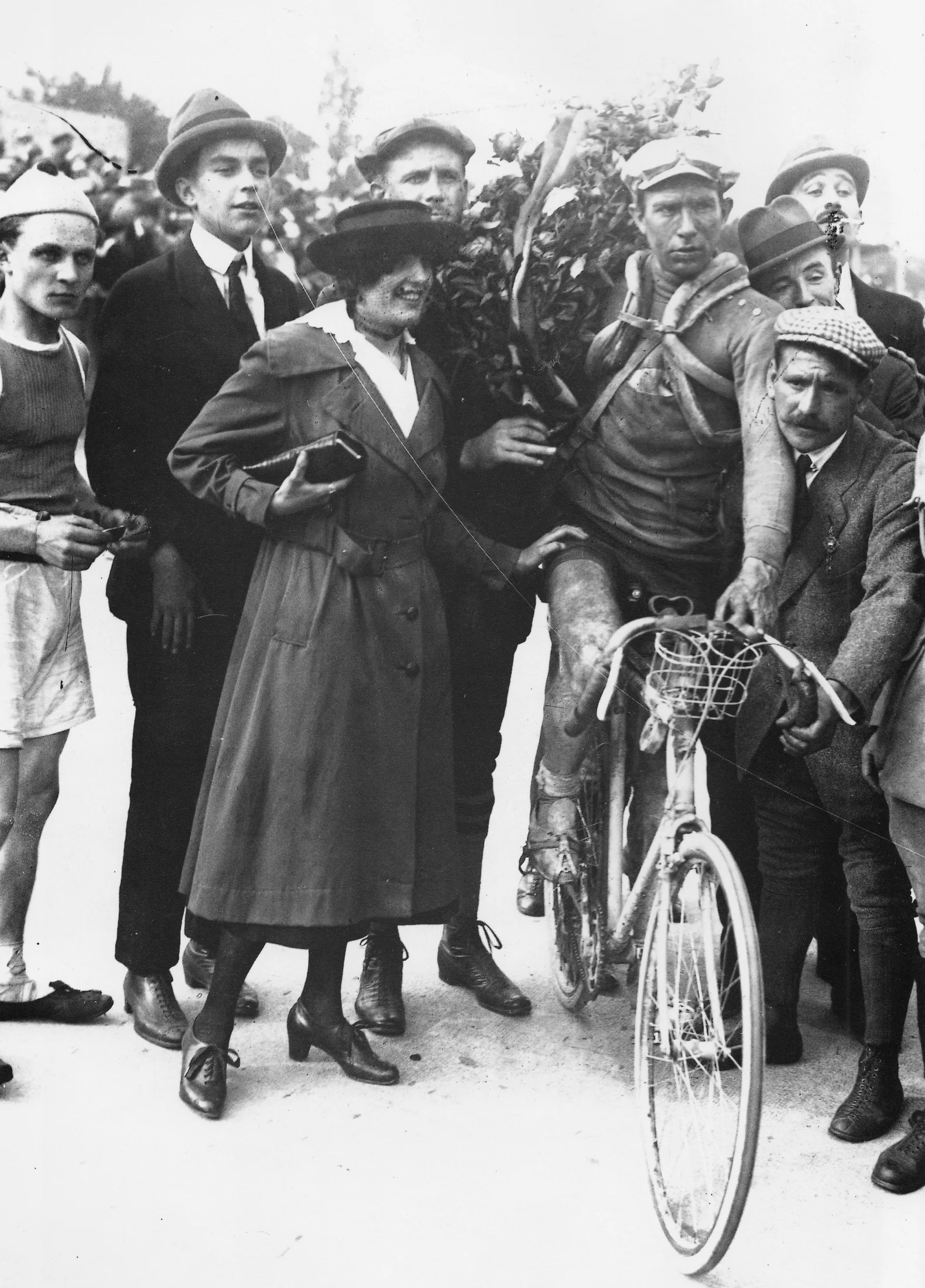
Cheating, nails and chaos at the 1904 Tour de France
The scandal that nearly killed the Tour, and the road from travelling circus to organised sport.
Read the story →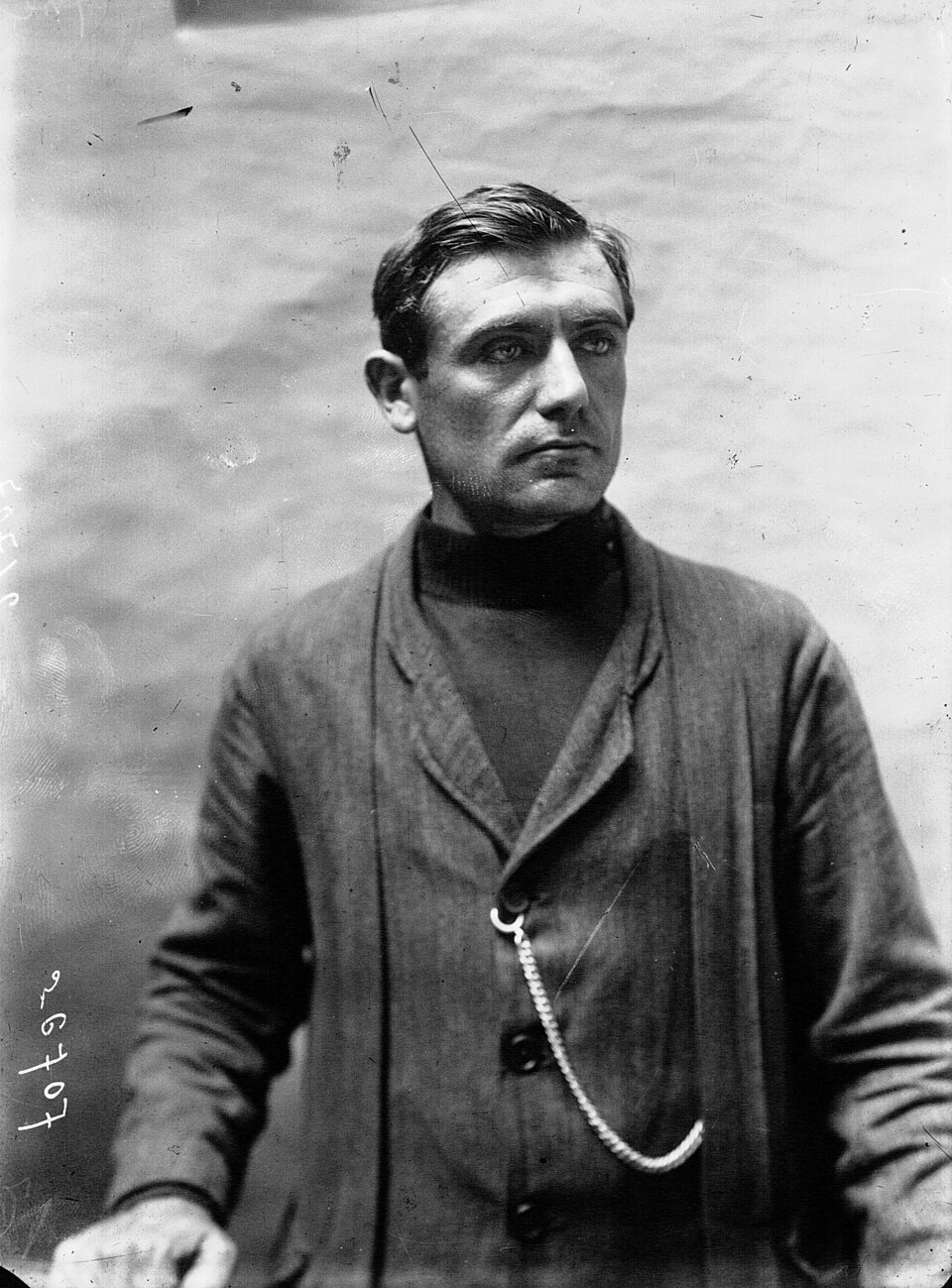
When the rider was his own mechanic
Early Tour riders repaired their own bicycles. From Christophe at the forge to neutral service, the tools gradually moved into the following cars.
Read the story →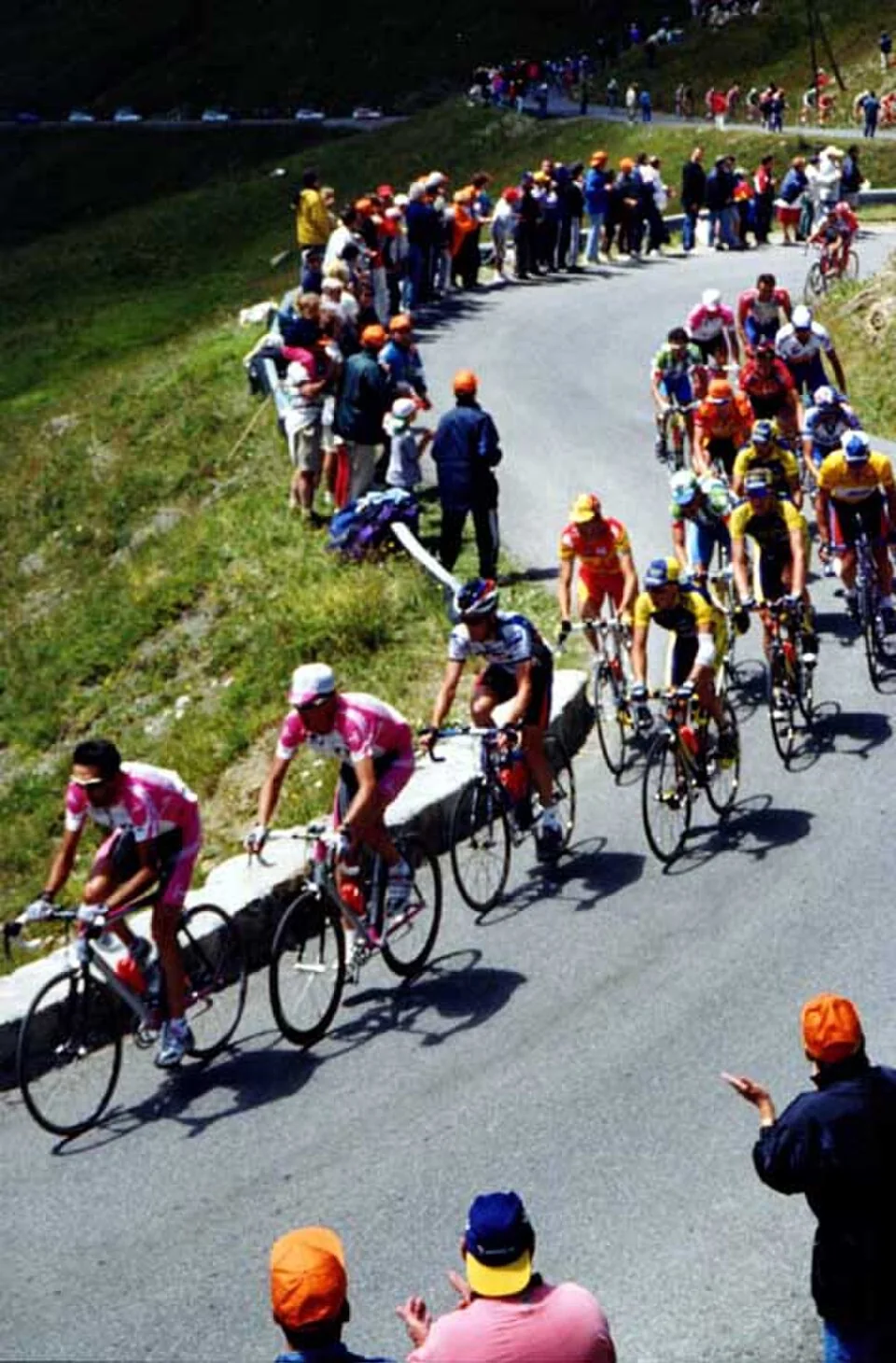
When cycling became a control room
See the races, people, bicycles and changes that shaped the period.
Explore the period →