Technology · Tour de France · 1984–1985
When the toe strap gave way to a click
A foot in a toe clip was secure, but it also had to get out. LOOK borrowed the release from a ski binding and changed the connection between rider and bicycle.
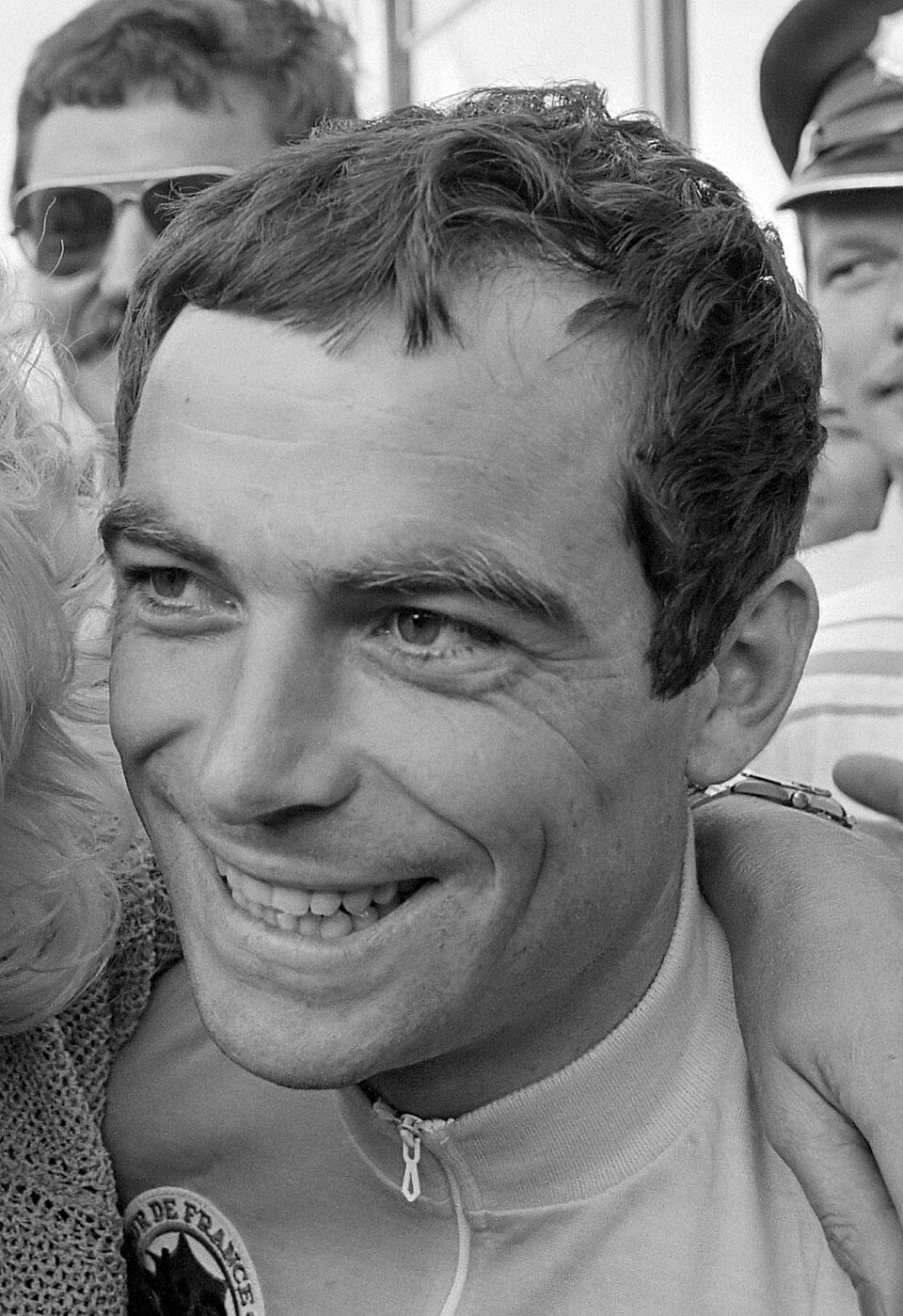
A foot in a toe clip was secure, but it also had to get out. LOOK borrowed the release from a ski binding and changed the connection between rider and bicycle.
The strap across the foot
A racing shoe sat in a metal toe clip and under a leather strap. It held the foot firmly, but releasing it required a hand movement. At a sudden stop or in a crash, that could be a problem.
The ski binding on a bicycle
LOOK already understood releasable ski bindings. The PP65 used a cleat beneath the shoe and a sprung lock. The rider pressed down to engage and turned the heel out to release.
Hinault as the test rider
Bernard Hinault used the system with La Vie Claire. He crashed heavily on the 1985 Tour stage to Saint-Étienne, but the pedals did not become the weak link in the story. He continued and won a fifth Tour.
Not an overnight change
The peloton did not discard every toe clip in a day. Riders had to trust the spring, shoes had to fit the cleat and mechanics had to learn the system. Victory gave it visibility no advertisement could buy.
A small click with a lasting effect
Clipless pedals made entry and release quicker through one defined movement. Shapes and materials changed, but the principle stayed. One of the bicycle’s oldest connections had become new.
Sources

Continue exploring
More from cycling history
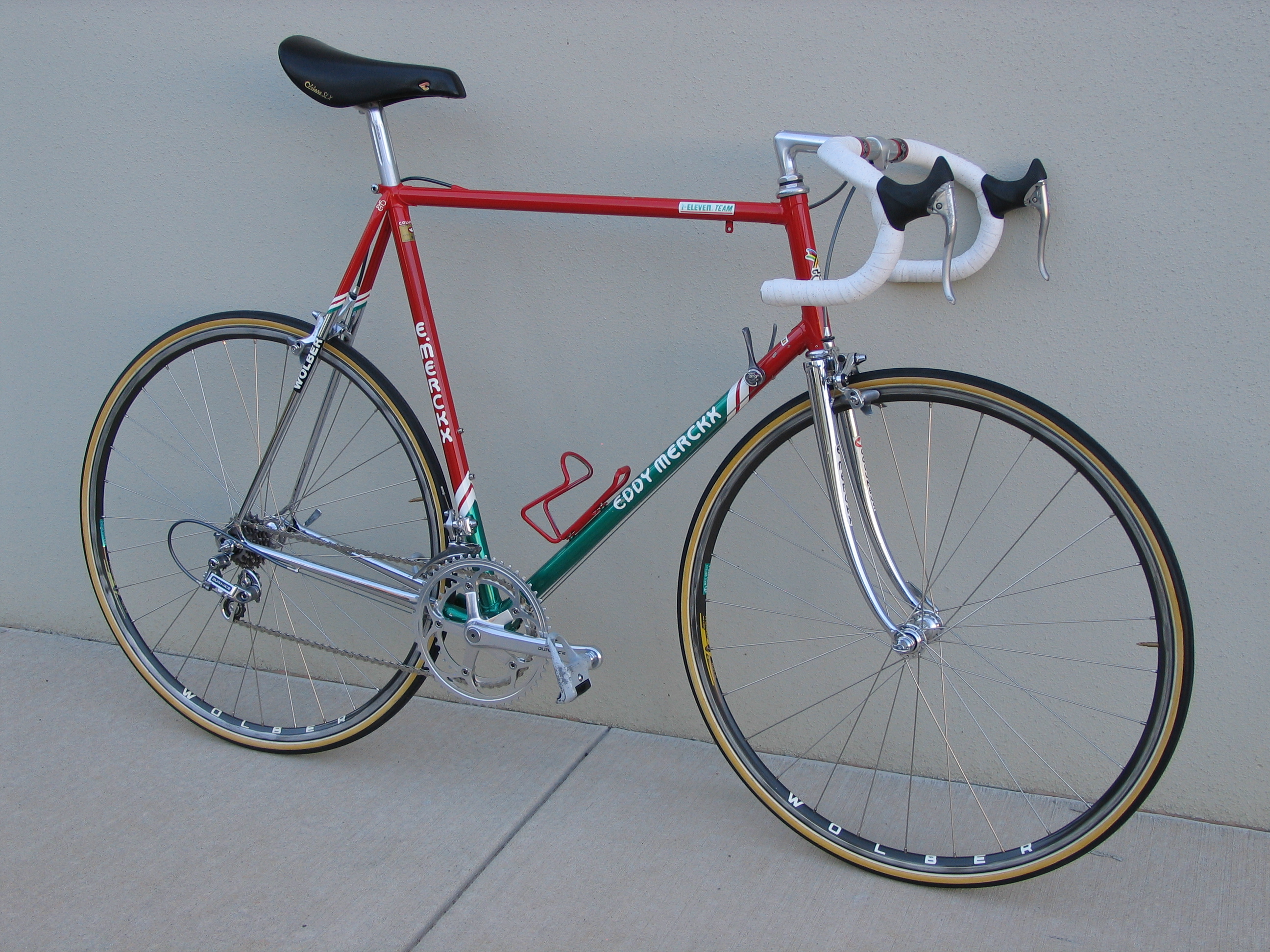
When 7-Eleven came to Europe
The American team learned Europe’s unwritten rules at the Giro and became the first US-based team in the Tour de France a year later.
Read the story →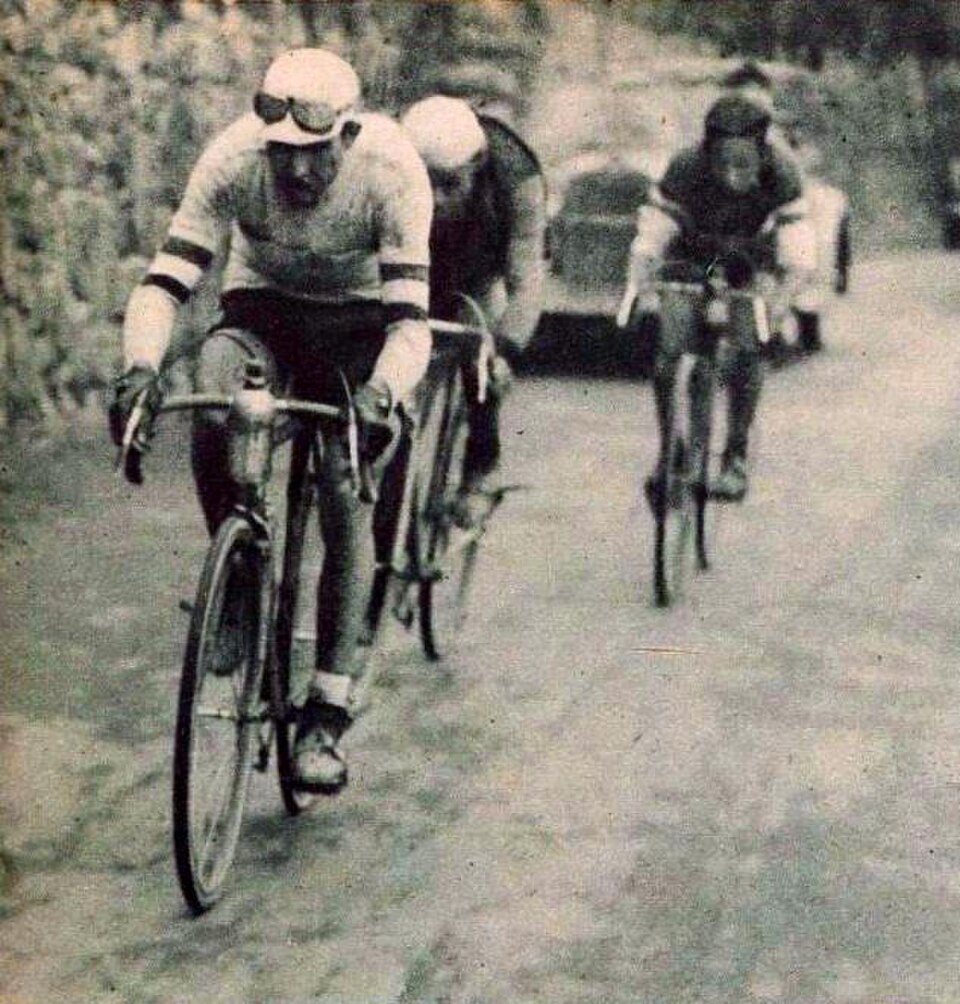
Bartali's training rides had another purpose
During the German occupation of Italy, Gino Bartali used the familiar sight of a professional rider in training as cover while carrying material for a rescue network.
Read the story →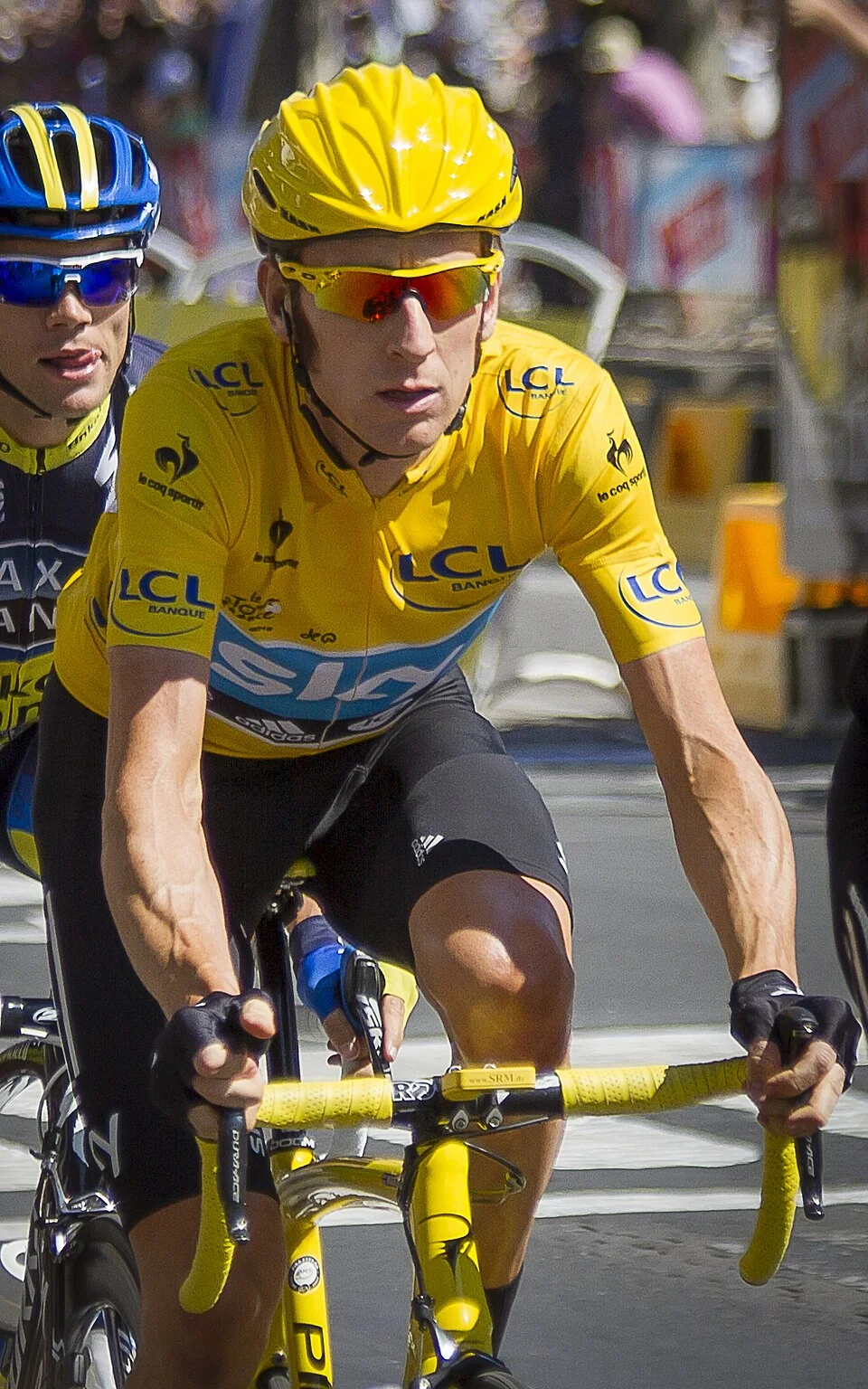
When the computer took over the bicycle
See the races, people, bicycles and changes that shaped the period.
Explore the period →