Riders of the period · Track cycling · 1899
Major Taylor also had to win the right to race
Marshall “Major” Taylor became world sprint champion in 1899. His route there passed through records, packed velodromes and a cycling establishment that repeatedly tried to exclude him.
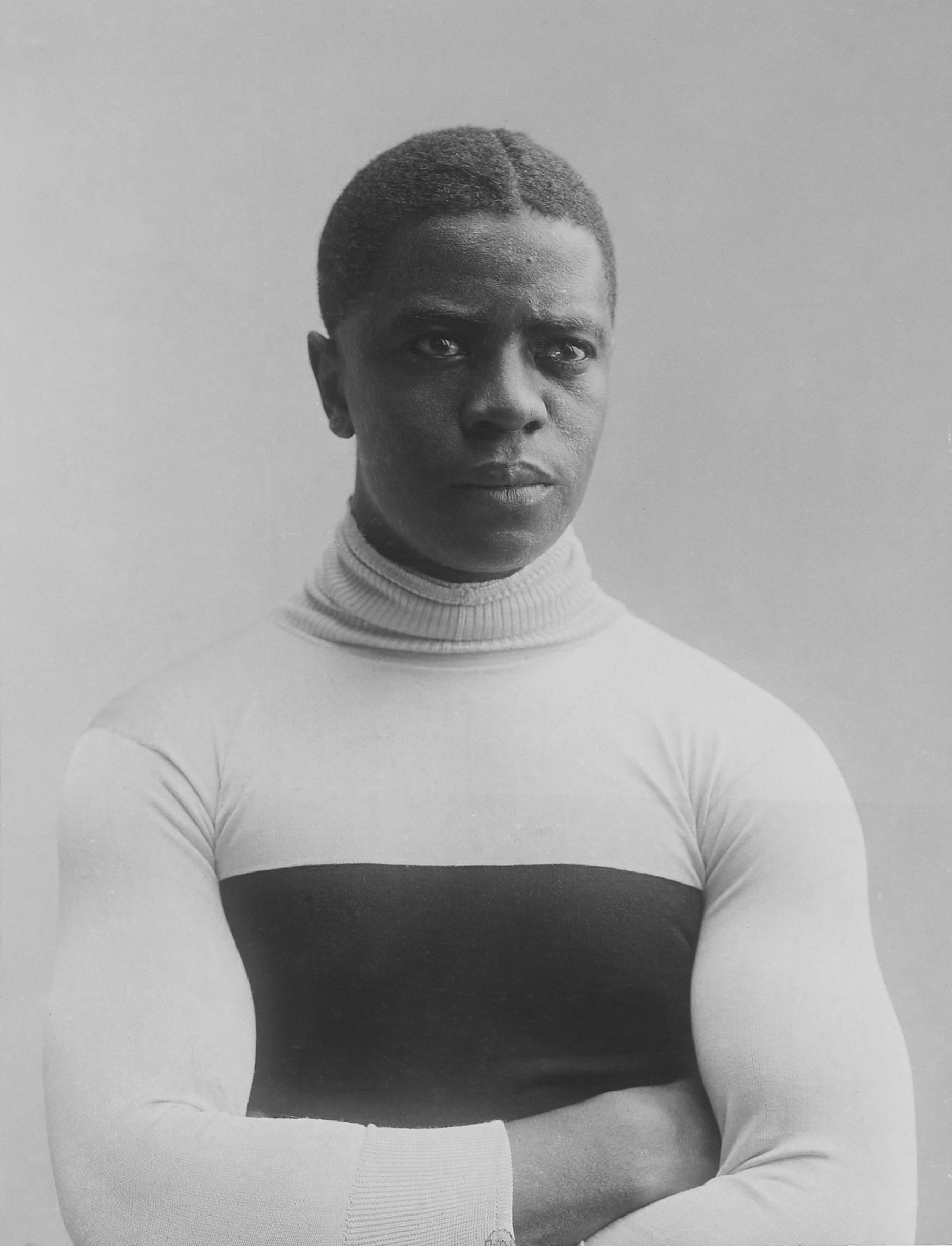
Marshall “Major” Taylor became world sprint champion in 1899. His route there passed through records, packed velodromes and a cycling establishment that repeatedly tried to exclude him.
A world champion at Queen’s Park
At the 1899 World Championships in Montreal, Marshall Walter Taylor won the one-mile sprint. He was twenty. The result made him the first Black American cycling world champion and one of the earliest Black world champions in modern sport. Behind that line in the record book lay a career in which he repeatedly proved both his speed and his right to enter.
The name came from a bicycle shop
Taylor grew up in Indianapolis and worked at a bicycle shop as a boy. He performed riding tricks in a military-style uniform and became known as “Major”. The display supplied a name and demonstrated control, but speed on the track opened professional racing.
To Worcester with Birdie Munger
Bicycle manufacturer and former racer Louis “Birdie” Munger recognised Taylor’s ability and became an important ally. Taylor moved to Worcester, Massachusetts, with its strong bicycle industry and better racing opportunities. He turned professional in 1896. Records and victories followed in a sport attracting large crowds to indoor and outdoor tracks.
Track racing was major entertainment
A sprint match in the 1890s could be a headline event with prize money and dense grandstands. Riders used tactics, slow openings and sudden acceleration before throwing bicycles at the line. Taylor was compact, explosive and hard to pass. His fame grew while the bicycle became a symbol of individual freedom. That freedom was not offered equally.
The colour line followed him
The League of American Wheelmen excluded Black members in 1894. Its racing arm operated under different rules, but discrimination remained. Taylor was refused by tracks and hotels, struggled to obtain meals while travelling and faced organisers and competitors who did not want a Black winner. Racism was not a footnote; it shaped where he could race and how each victory was received.
Opposition became physical
Ordinary hard sprinting could merge with deliberate efforts to box him in or force him from the track. Taylor received threats and was assaulted by a rival after at least one race. He continued, while spending energy on more than training and tactics. His victories were over named riders in real races while the system around them made his work harder.
Faith created another boundary
Taylor was a devout Baptist and refused Sunday racing. Many major meetings fell on Sundays, costing starts and income and complicating tours abroad. He became American sprint champion in 1900 and won important races in Europe and Australia, but opportunity never arrived as one unbroken line. Some events he declined; others were denied.
Fame lasted less than the achievement
Taylor lost much of his wealth after retirement and died in Chicago in 1932, aged 53. He was initially buried in an unmarked grave. Later riders and cycling organisations restored his story to public memory. His speed deserves remembrance. So does the work required merely to reach the starting line. Major Taylor did not only win races; he forced a closed sport to record that he had won them.
Sources

Continue exploring
More from cycling history
The race that was called the first
James Moore won a short race in Parc de Saint-Cloud in 1868. The day was later cast as the beginning of cycle racing—but the history is more complicated than that.
Read the story →
When the coal had been delivered, training began
Yvonne Reynders delivered coal on a three-wheeled cargo bicycle before winning seven world titles on road and track.
Read the story →
Pioneers and endurance
See the races, people, bicycles and changes that shaped the period.
Explore the period →