Riders of the period · Women's cycling · 1959–1966
When the coal had been delivered, training began
Yvonne Reynders delivered coal on a three-wheeled cargo bicycle before winning seven world titles on road and track. It built strong legs, but it did not make women's cycling a profession.
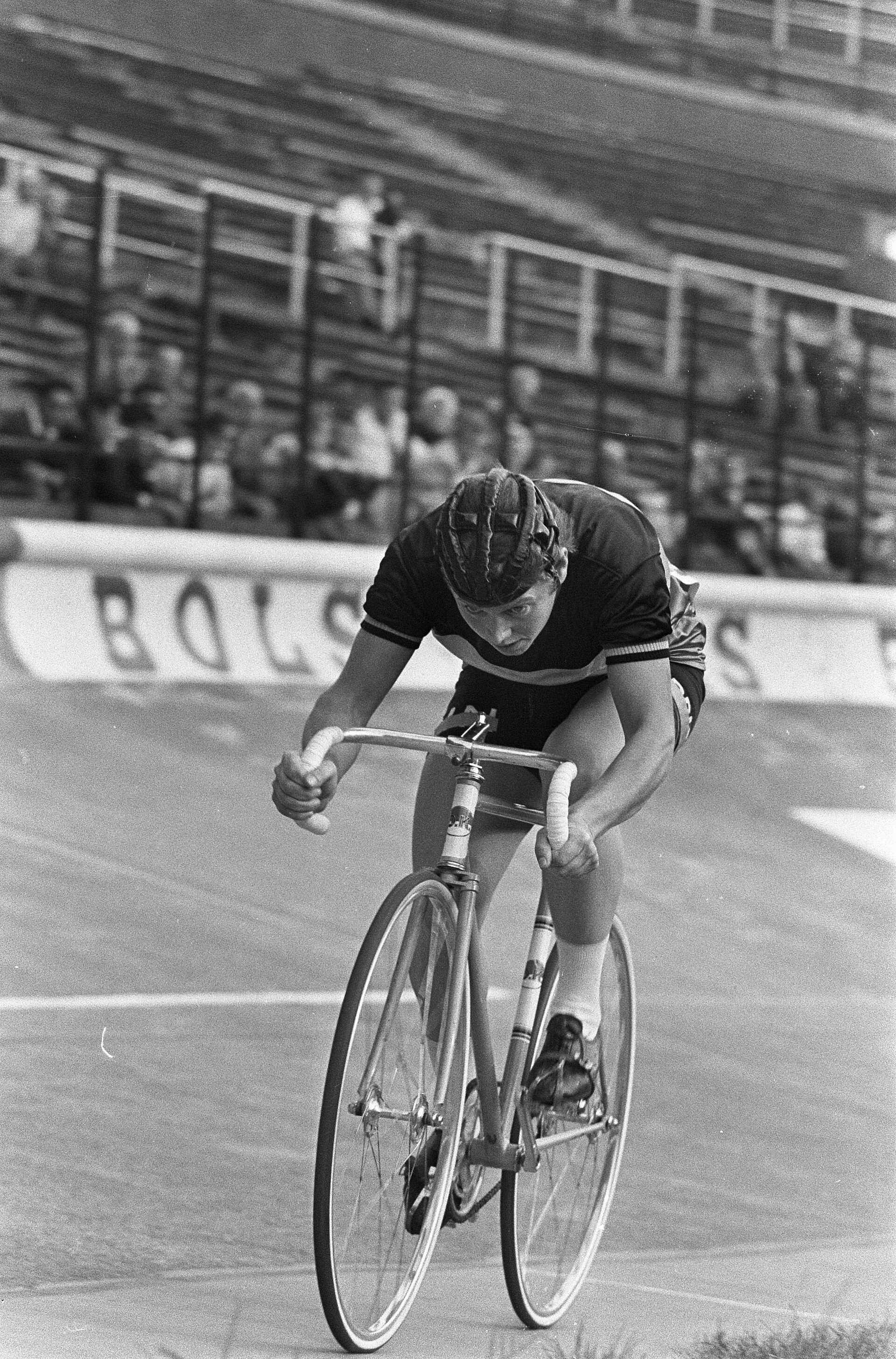
Yvonne Reynders delivered coal on a three-wheeled cargo bicycle before winning seven world titles on road and track. It built strong legs, but it did not make women's cycling a profession.
A cargo bicycle loaded with coal
The sacks had to reach the customers. Yvonne Reynders was sixteen when her father gave her a three-wheeled cargo bicycle and a round of coal deliveries. That bicycle had not been built for training zones or tidy lap times. It simply had to move a heavy load through the streets. Day after day. To my mind, that is a rather practical beginning for a world champion.
Athletics first, then bicycle racing
Cycling was not her first sport. Reynders threw the discus, put the shot and swam. In her later account, the decisive moment came when she saw a newspaper headline announcing that women would again race bicycles in Belgium after a long pause. A customer of the family coal business found her a bicycle. The family followed in a van. She was under way.
Four times on the road
Her first road world title came in 1959. She won again in 1961, 1963 and 1966. At Ronse in 1963, the championship ended in a sprint between sixteen riders, and Reynders beat her compatriot Rosa Sels. She could ride hard over Belgian cobbles and still had the finish to complete the job.
Around the track as well
On the track, she won three more world titles in the individual pursuit. There was no wheel to hide behind. Two riders started on opposite sides of the track, and the clock measured the rest. The strength that had moved coal through the city now held a steady speed on banked boards. Seven world titles in all.
A world champion without a professional wage
The results did not make women's cycling professional. Reynders later recalled that women could race for nothing as a warm-up while male amateurs received considerably larger starting money. In winter she worked. In summer she raced. Even the rainbow jersey did not change the basic calculation very much.
Back on the bicycle
She stopped racing, then returned after several years away. In 1976 she again won the Belgian championship and took world bronze. It may be the best detail of the lot. Not because she needed another medal, but because she looked at the field and decided she could still belong there. The coal-laden cargo bicycle had long gone. The working habits remained.
Sources

Continue exploring
More from cycling history
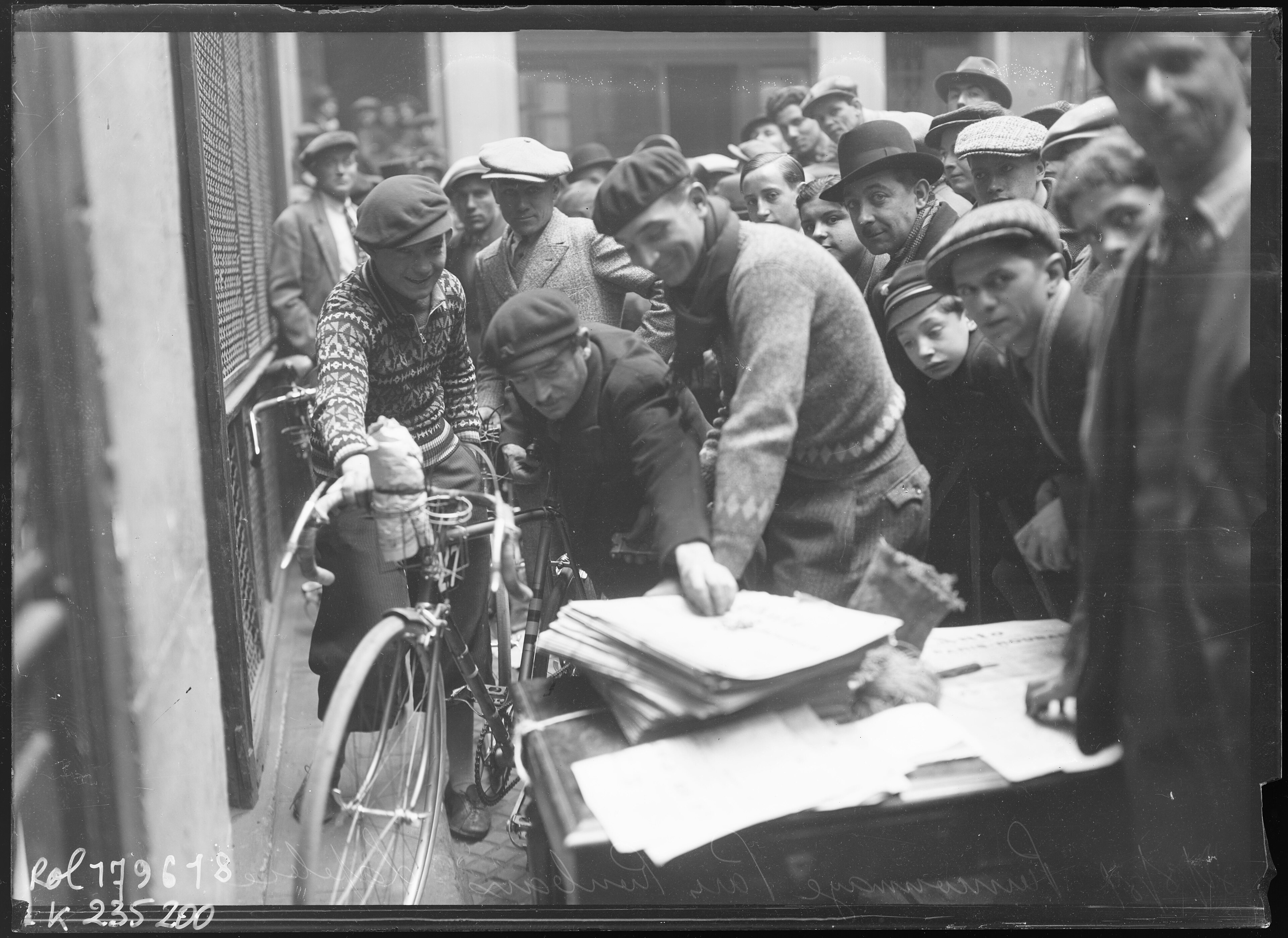
The spectator's bicycle that cost Lapébie Paris–Roubaix
Roger Lapébie punctured near the finish, borrowed a spectator's bicycle and crossed the line first. The rules awarded victory to Gaston Rebry.
Read the story →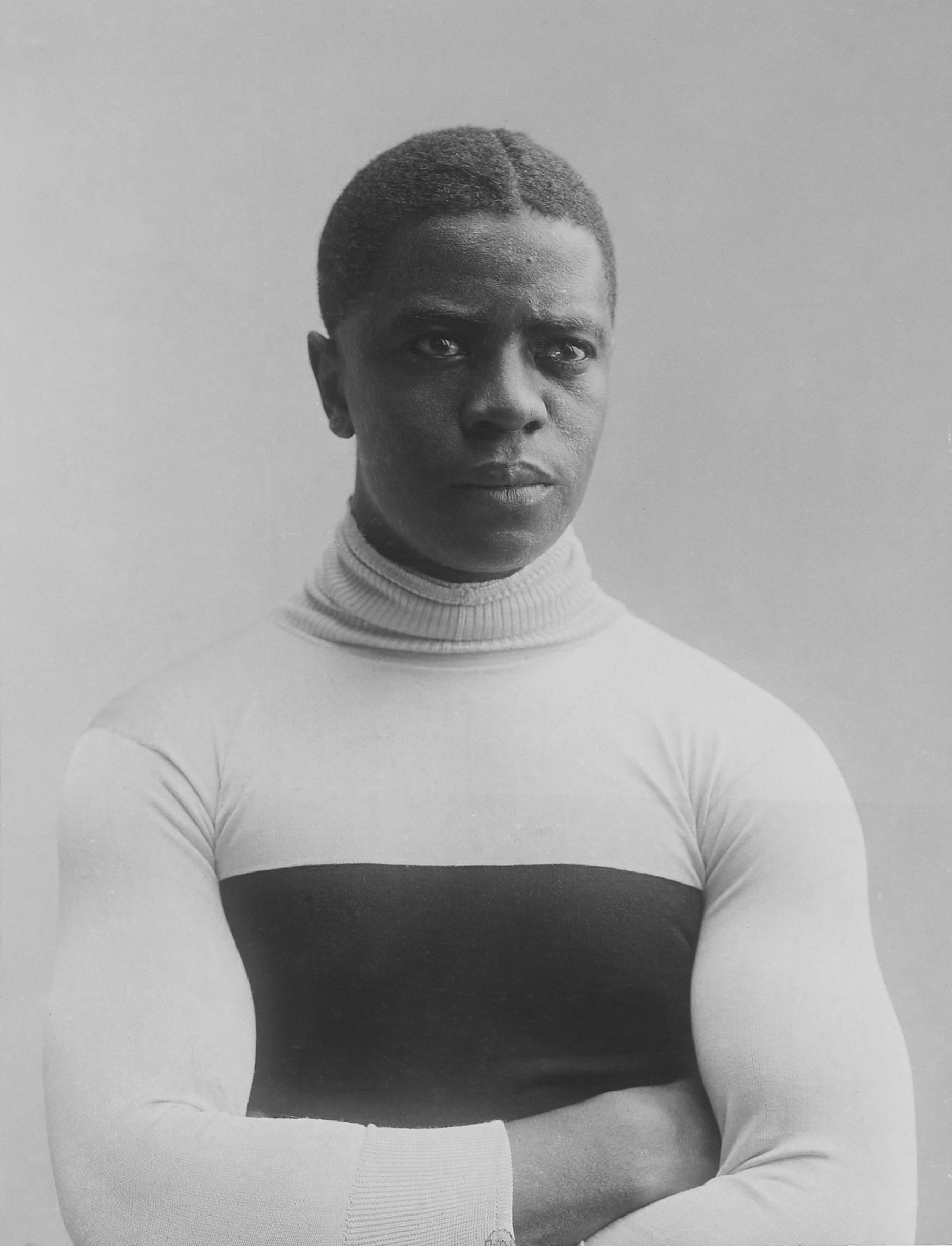
Major Taylor also had to win the right to race
Marshall “Major” Taylor became world sprint champion in 1899. His route there passed through records, packed velodromes and a cycling establishment that repeatedly tried to exclude him.
Read the story →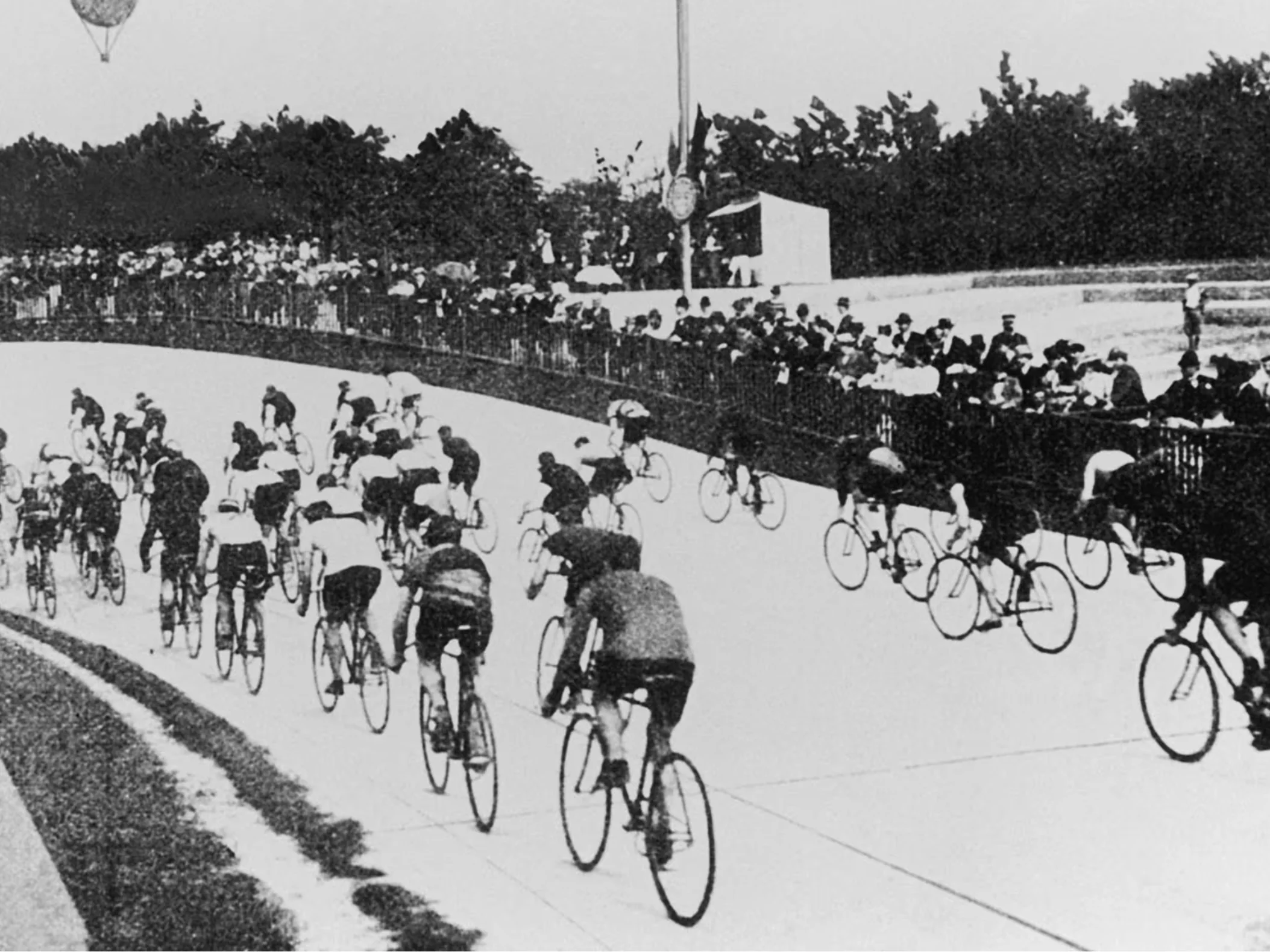
Cycling’s wild pioneer years
See the races, people, bicycles and changes that shaped the period.
Explore the period →