Paris–Brest–Paris · 6–9 September 1891
Three days
on the road.
Charles Terront rode from Paris to Brest and back in 71 hours 37 minutes. The newspaper wanted to show what the bicycle could do. Terront also showed what it demanded of a human being.
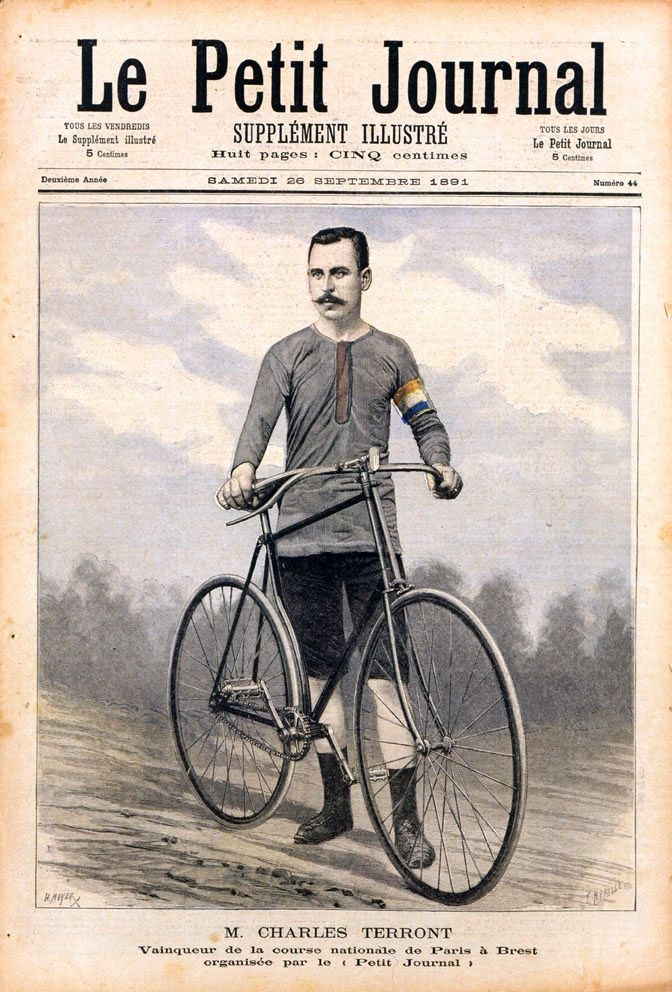
When Charles Terront returned to Paris, he had been on the road for nearly three days. The runner-up was still more than eight hours away.
A race created by a newspaper
Paris–Brest–Paris did not begin as a randonnée. In 1891, journalist Pierre Giffard and Le Petit Journal sent riders from the capital to the port of Brest and back. It was sport, newspaper copy and a public test of the new bicycle in one event.
The route was roughly 1,200 kilometres. Entrants had ten days to complete it. The official history records 206 starters, around 100 back in Paris within the limit and 98 homologated finishers. Foreigners and women were excluded.
The machine was being tested too
The chain-driven safety bicycle with two similarly sized wheels was still young. Roads were far removed from modern asphalt, and equipment, lighting and mechanical help could not be taken for granted. Terront rode a Humber fitted with detachable Michelin pneumatic tyres. They made a puncture less final, but did not make the night any shorter.
The event therefore meant more than a result. If a rider could cross France, turn around and return on the same machine, the bicycle had proved something as transport.
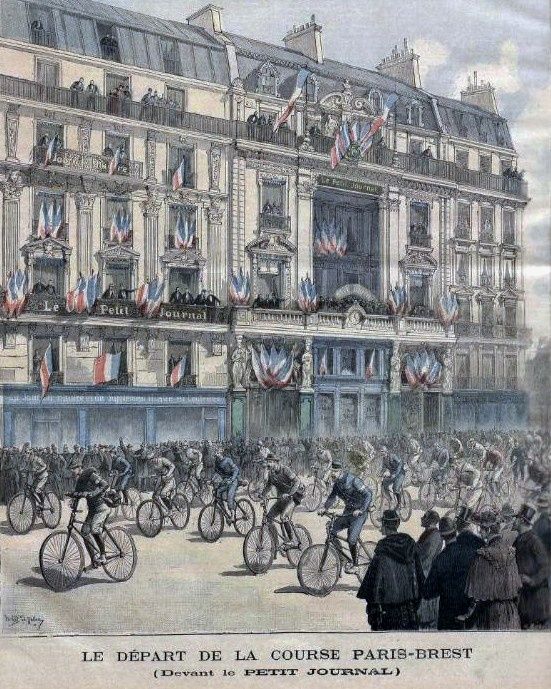
Terront and Jiel-Laval
Terront's principal rival was Pierre Jiel-Laval. Later accounts often say that Jiel-Laval slept while Terront passed and rode on through the night. The story fits the event's reputation so neatly that it has been repeated widely. Secure contemporary evidence for that precise scene is harder to find.
The result is less uncertain. Terront won in 71 hours 37 minutes. Jiel-Laval finished second in 80 hours 4 minutes, while Henri Coullibeuf placed third in 94 hours 43 minutes. Terront alone finished inside three days.
A victory that sold the bicycle
Le Petit Journal turned the victory into a national image. Terront appeared on its illustrated cover with the tricolour around his arm and one hand on the handlebar. Rider, bicycle and newspaper almost became a single story.
That was the point. The event was not merely finding the fastest man. It was demonstrating that the modern bicycle could carry someone across distances that still appeared unreasonable. Paris–Brest–Paris returned as a race and later evolved into the randonnée associated with the name today.
In 1891, however, there was no tradition to lean on. Terront and the others first had to prove that the journey could be completed at all.
Sources and image notes
Sources vary by a few minutes in some later summaries. This article follows the official history and detailed result archive, which give Terront's time as 71:37. The story of Jiel-Laval sleeping is retained as a later anecdote, not presented as securely documented fact.


Continue exploring
More from cycling history
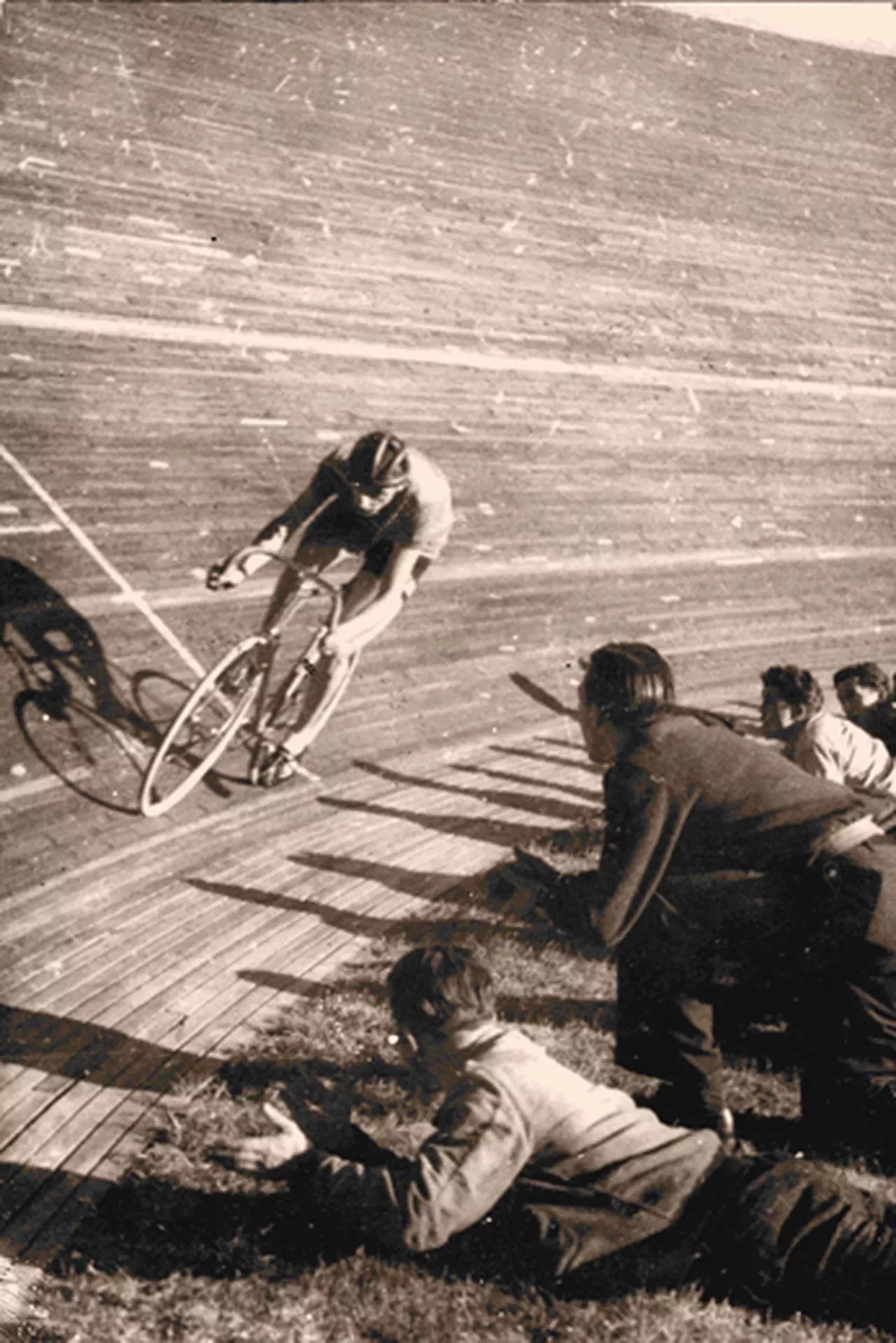
The track bicycle said to weigh 3.48 kilograms
Ugo Bianchi built bicycles for Legnano’s finest riders. A later account credits him with a 3.48-kilogram track machine—a number that invites both curiosity and a raised eyebrow.
Read the story →
When Philippe Gilbert rode away on the Oude Kwaremont
An attack more than 50 kilometres from the finish became a solo ride over cobbles and climbs and Gilbert’s first Tour of Flanders victory.
Read the story →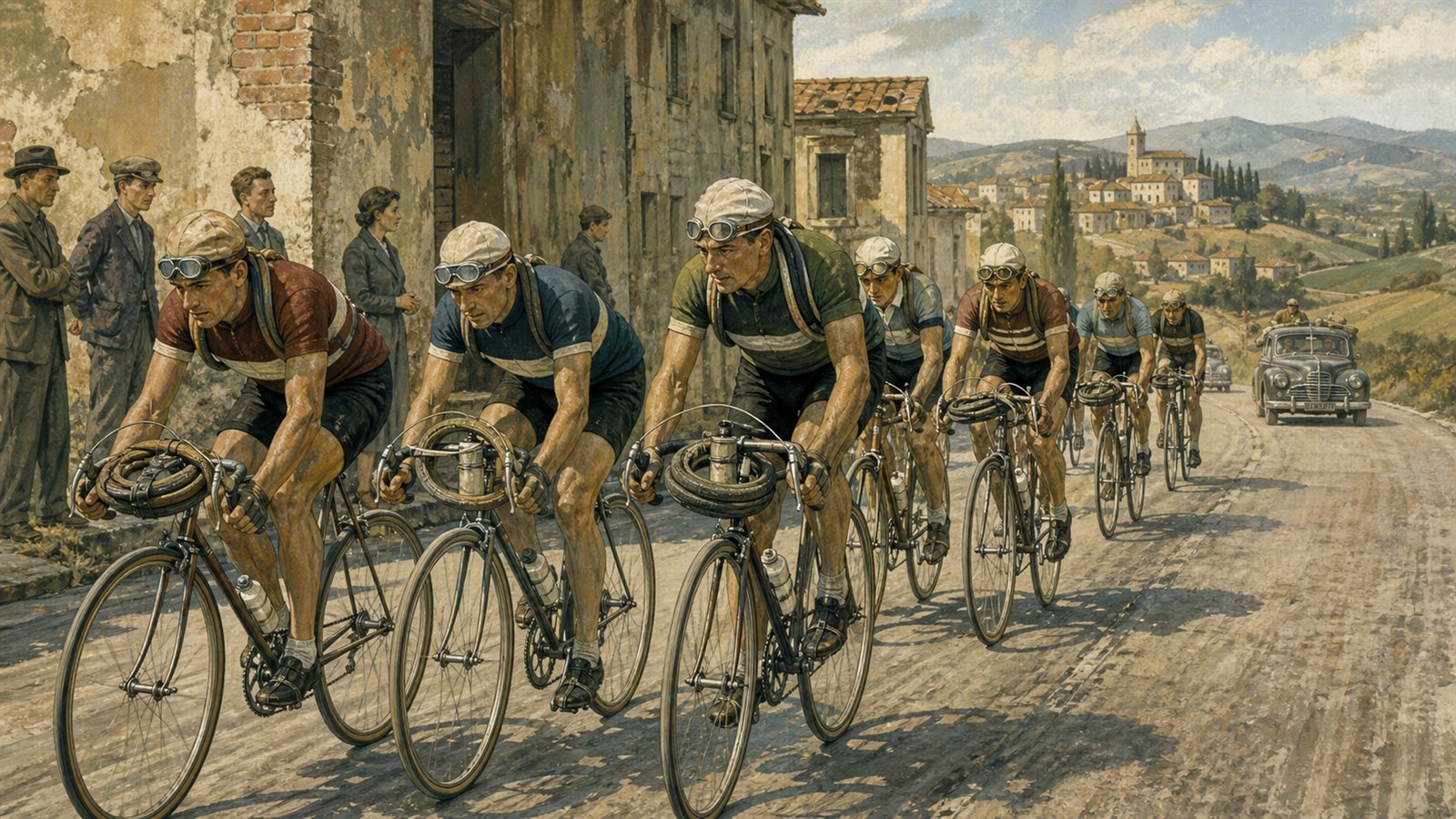
When war closed the roads
See the races, people, bicycles and changes that shaped the period.
Explore the period →