Nutrition, training and science · The people behind cycling · The 1970s
Steak at five and coffee with cognac
Before gels and precise carbohydrate plans, the soigneur packed sandwiches, fruit and tarts, filled the bottles and tried to keep riders eating through a long working day.
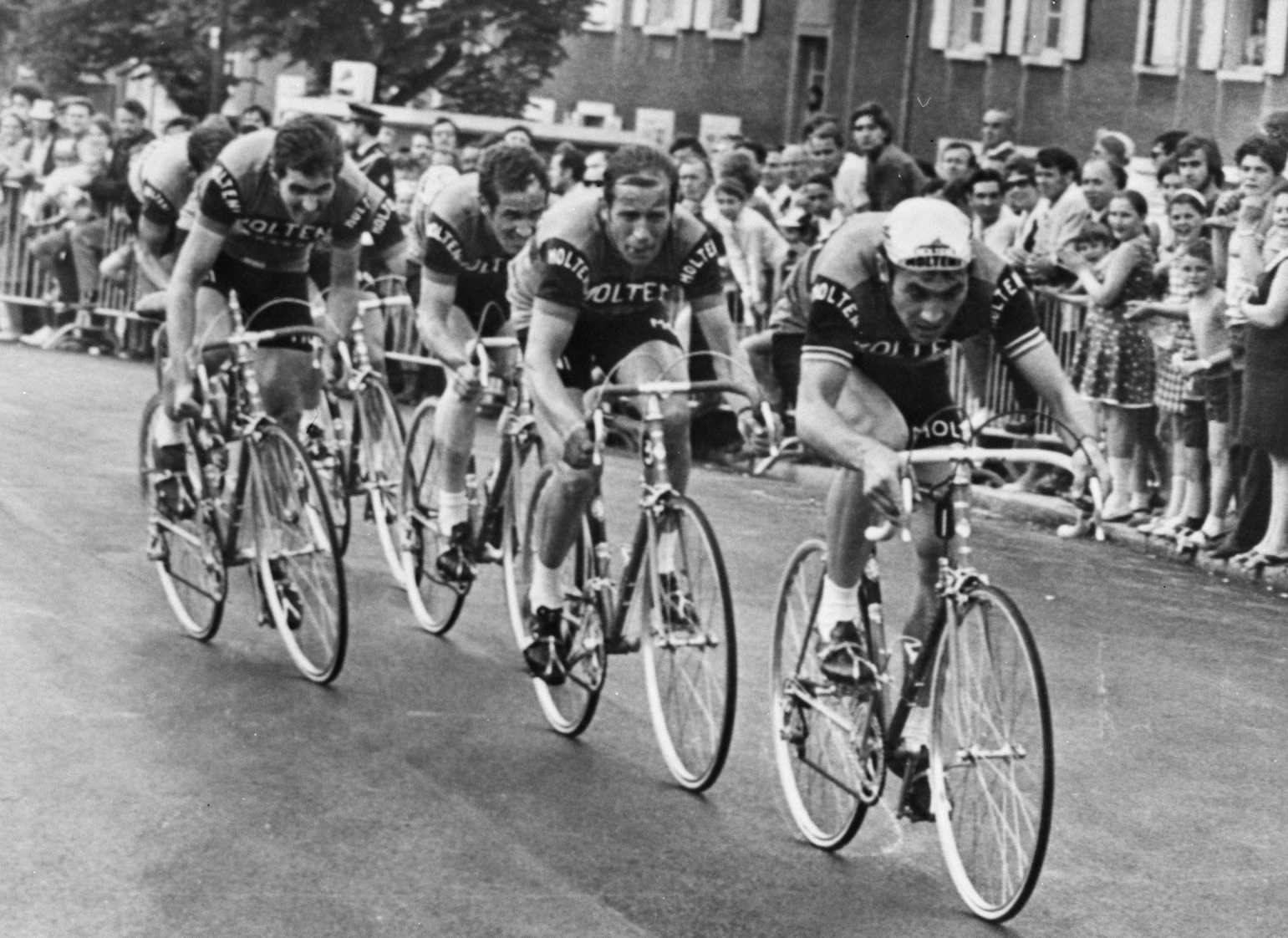
Before gels and precise carbohydrate plans, the soigneur packed sandwiches, fruit and tarts, filled the bottles and tried to keep riders eating through a long working day.
Before the riders came down to breakfast
The soigneur began work before the riders. Bottles had to be filled, small sandwiches prepared and the day’s musettes distributed. The role covered much more than massage. Soigneurs also handled clothing, drinks, food and much of the practical order around the team.
Steak and rice before sunrise
Breakfast could be heavy by modern standards. Steak and rice were regarded as reliable fuel and eaten several hours before the start. In 1977, Eddy Merckx said that for years he had eaten steak with rice at five or six in the morning and had reached the point where he could no longer face it. André Dierickx remembered split-stage days when riders might be served steak three times.
The bag at the roadside
In the feed zone, soigneurs held cloth bags at shoulder height. The rider had to find the right person, catch the strap without pulling the bag into the wheel and quickly move the contents into jersey pockets. A musette might contain small sandwiches, fruit, sugar, tarts or other food that could be eaten while riding. Contents varied between teams, races and riders; there was no single recipe for the whole peloton.
Sweet coffee and something stronger
Strong sweet coffee was common in cycling provisions, and accounts from the period also mention small mixtures of coffee and cognac. Alcohol was neither a precise fuelling plan nor a sound treatment for cramp. It belonged to a working culture in which experience, habit and anecdote carried more weight than modern sports nutrition. Cola was also used as a quick source of sugar, often after some of the carbonation had been released.
When the musette was missed
A dropped musette could be costly, especially when the next opportunity for food lay far ahead. The rider was not necessarily left without help; under certain conditions, rules allowed bottles and food from the team car. Yet too little food during a long race could still bring the feared fringale, the hunger crisis in which pace, concentration and judgement disappeared almost at once.
Between craft and science
The 1970s were not a decade without knowledge. Teams learned from experience, and some worked more systematically than others. Nutrition, however, was rarely planned in grams of carbohydrate per hour. The soigneur’s essential task was more ordinary: know the riders, prepare the food and make sure it was actually eaten. That required no laboratory. It required an alarm clock, a knife and a considerable amount of white bread.
Sources

Continue exploring
More from cycling history
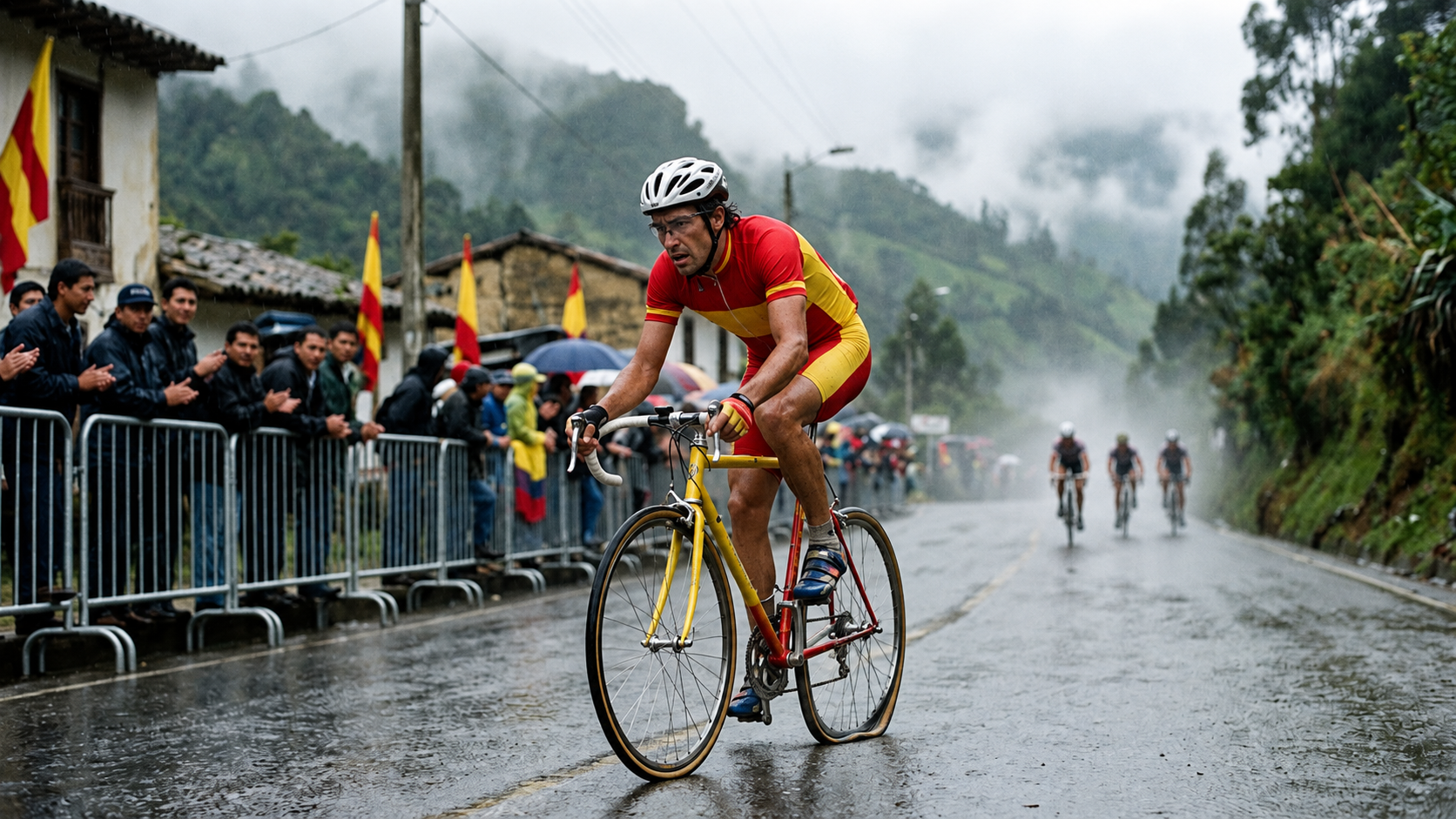
When Olano finished on a flat rear tyre
Abraham Olano punctured shortly before the finish at the World Championships in Duitama. Behind him, Miguel Induráin kept the chase under control.
Read the story →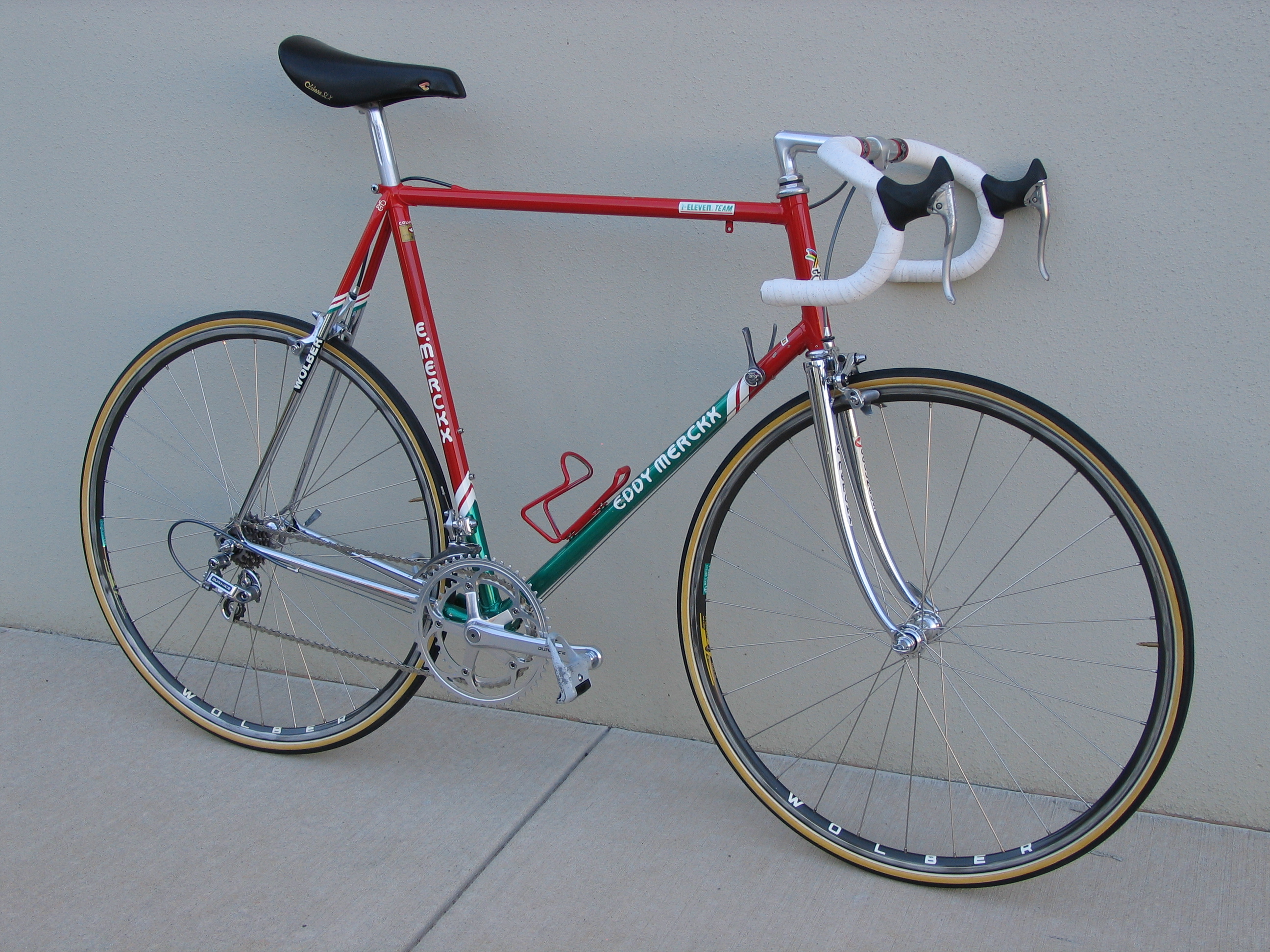
When 7-Eleven came to Europe
The American team learned Europe’s unwritten rules at the Giro and became the first US-based team in the Tour de France a year later.
Read the story →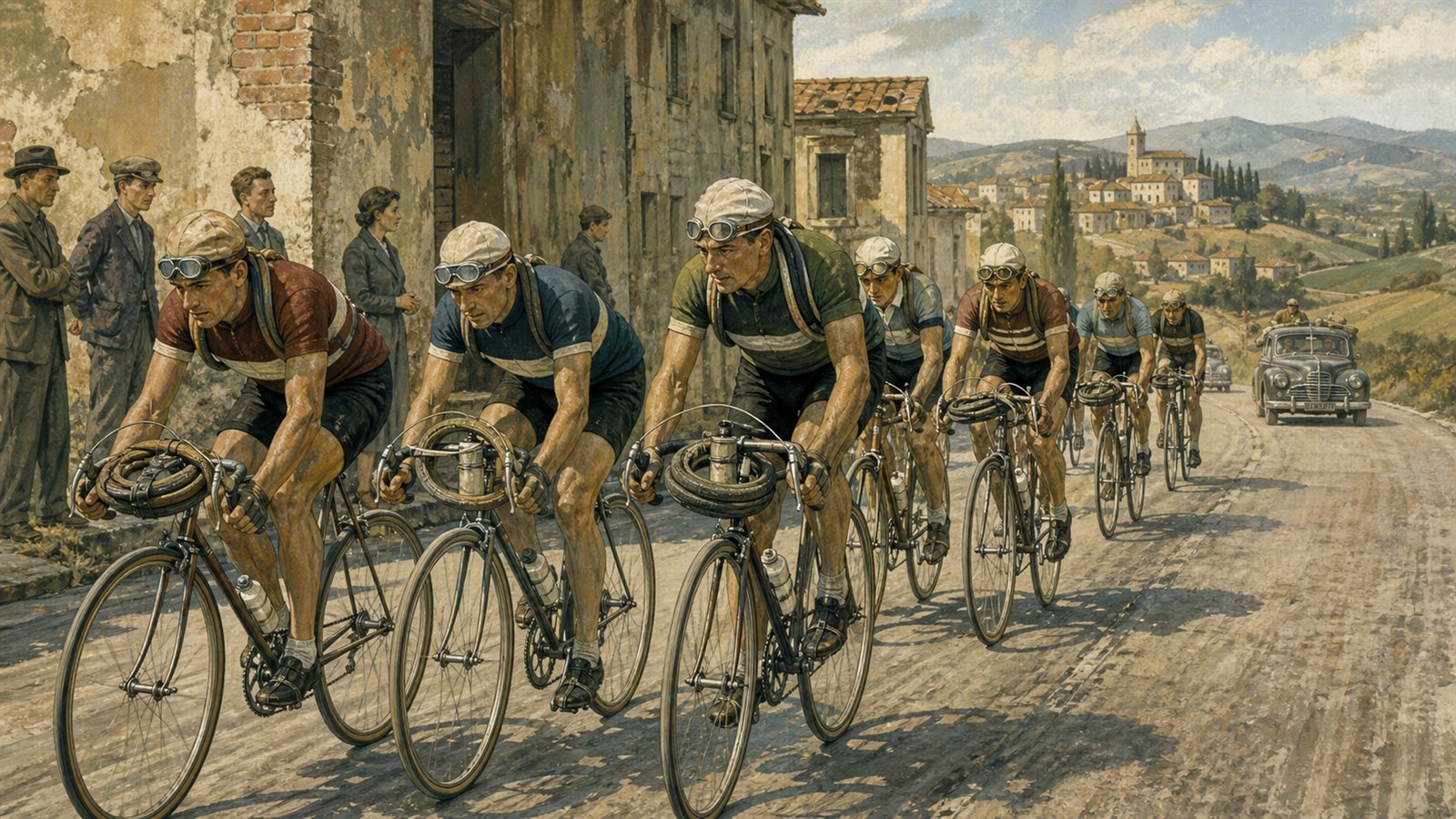
When war closed the roads
See the races, people, bicycles and changes that shaped the period.
Explore the period →