Nutrition, training and science · Tour de France · 1947
When the Tour returned to a hungry France
The Tour returned in 1947 after an eight-year absence. Its riders needed fuel for 4,640 kilometres while France cut the daily bread ration to 200 grams.
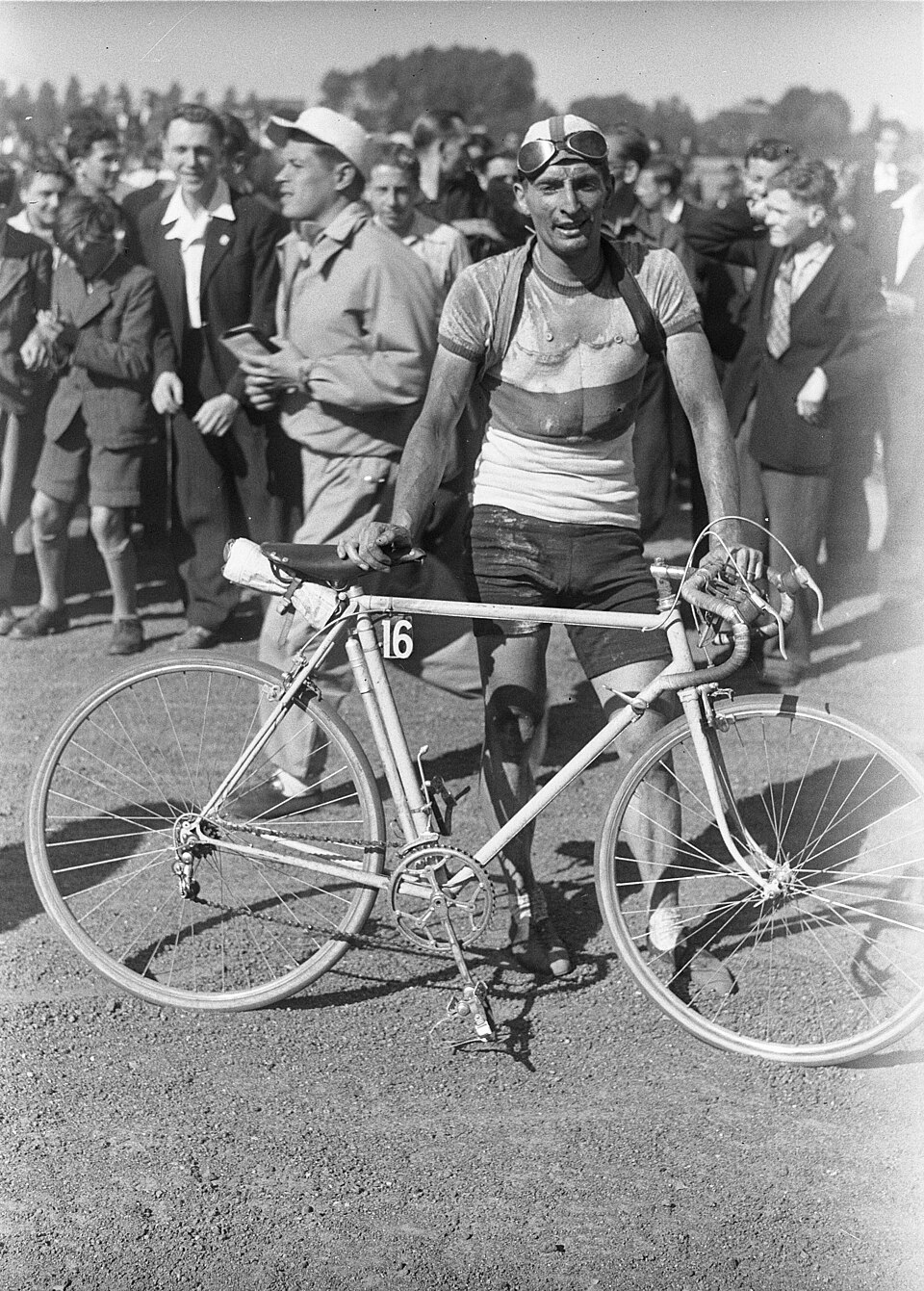
The Tour returned in 1947 after an eight-year absence. Its riders needed fuel for 4,640 kilometres while France cut the daily bread ration to 200 grams.
A race returns
On 25 June 1947 the Tour peloton gathered in Paris again. The previous edition had been held in 1939. Occupation, war and shortages had changed France in between. Jacques Goddet and L’Équipe put the Tour back on the road with 100 riders, 21 stages and 4,640 kilometres.
Bread was still counted
Peace did not fill the shops. France’s wheat harvest failed in 1947, and the government reduced the daily bread ration from 300 to 250 and then 200 grams. Ration cards, queues and substitutes remained ordinary life. Spectators therefore watched an event of enormous energy consumption in a society where every slice of bread mattered.
The race required its own supply line
A stage race cannot be ridden on a civilian ration. Teams and organisers secured food through hotels, local contacts and feeding arrangements. Menus varied but relied on bread, rice or pasta, meat, eggs, fruit, sugar and strong drinks. A working peloton gained access to calories that many people beside the road could not take for granted.
A travelling organisation
National and regional teams moved from hotel to hotel with mechanics, soigneurs, journalists and the publicity caravan. It was a long way from today’s mobile kitchens, but large enough to create a supply system of its own. A missed feed or poor hotel meal could still be felt the following day.
Robic won on the final day
Jean Robic began the last stage in third place, attacked with Edouard Fachleitner and gained enough time to win without previously wearing yellow. Here the wider setting matters: while France counted rations, the Tour displayed hunger, food and exhaustion as public theatre along the road.
Normal life, almost
The Tour’s return suggested that the old calendar could begin again, but 1947 was not carefree. Rationing continued until 1949. The finish-line photographs show not simply a race returning, but a large travelling organisation crossing a country that still could not feed everyone freely.
Sources
Continue exploring
More from cycling history
When the gear cable disappeared
SRAM RED eTap made road shifting wireless and gave riders, mechanics and frame designers a new way to think about control.
Read the story →
When the Tour left France
The Grand Départ in Amsterdam was the first Tour de France start outside France and showed a race becoming a European spectacle.
Read the story →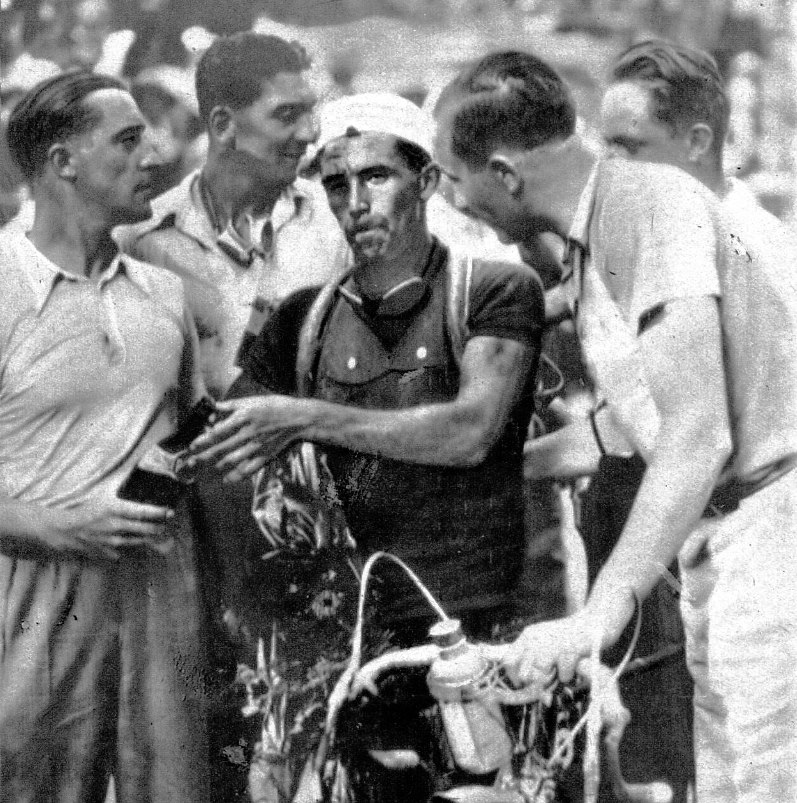
When the racing bicycle became modern
See the races, people, bicycles and changes that shaped the period.
Explore the period →