Nutrition, training and science · Tour de France · 1930s
When the Tour had to provide dinner
When the Tour de France introduced national teams in 1930, the organiser also assumed responsibility for the riders’ food and lodging. Feeding became more organised, though hardly simple.
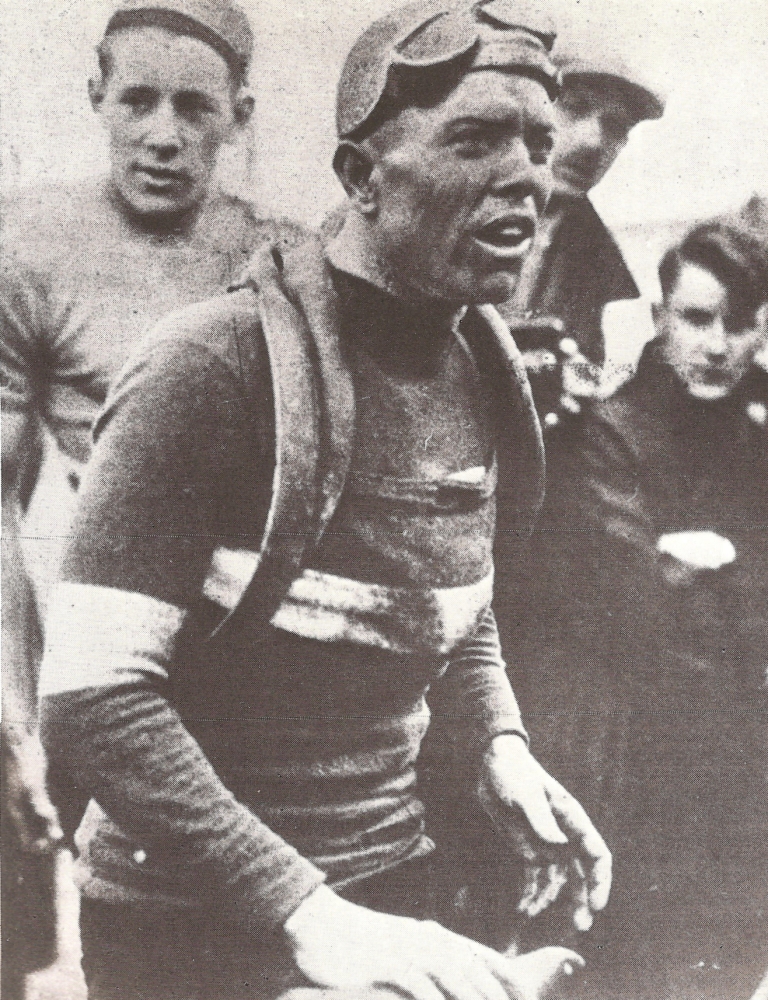
When the Tour de France introduced national teams in 1930, the organiser also assumed responsibility for the riders’ food and lodging. Feeding became more organised, though hardly simple.
Dinner became an organiser’s problem
Before 1930, trade teams supplied riders, bicycles, helpers and money. They also arranged food and hotels. Henri Desgrange replaced them with national teams. Riders received identical yellow bicycles, while the Tour organisation paid for lodging, transport and meals. The publicity caravan, introduced that same year, helped meet the bill. The new sporting system therefore began in the kitchen as well as on the road.
Breakfast was meant to feel substantial
A long stage could occupy most of the day. Riders ate accordingly: meat, eggs, bread, rice, soup and coffee reflected ordinary ideas about strength. Starting with steak or another hot dish was not unusual. Carbohydrate was certainly present, but nobody prescribed an exact number of grams per hour. Riders ate to be full and to have something to work on. Sometimes they began the stage with rather too much of it.
The musette balanced the day
Food bags supplied bread, fruit, chocolate, sugar, rice or pieces of meat. Their contents depended on the team, hotel and local supply. Some riders delayed eating for fear of a heavy stomach; others ate whenever they could. The modern instruction to consume a measured dose of carbohydrate every twenty minutes still lay decades ahead.
Lapébie did not follow the steak rule
The 1937 winner Roger Lapébie was later described as almost vegetarian. That is a useful warning against inventing one menu for the entire peloton. Riders swore by meat, rice, milk, eggs or fruit in different combinations. A winner’s habit could quickly become common practice even when the reason for victory lay elsewhere. Experience and superstition were close neighbours.
The beer stop is a good story
The best-known episode came on stage 17 in 1935. The story says that much of the peloton stopped for beer while Julien Moineau rode on and won by a large margin. Details vary, but alcohol at races was not extraordinary. Beer and wine offered liquid, calories and a brief respite. That does not mean the field always raced drunk. It means the boundary between feeding and refreshment looked different.
Vitamins entered by the side door
By the end of the decade, riders and teams spoke more systematically about vitamins and diet. Vitamin use was discussed at the 1939 Tour as a possible aid to performance. The new interest did not immediately replace old habits. A rider might receive a vitamin tablet, a large steak and a glass of wine on the same day without seeing a contradiction. Science was arriving with mixed luggage.
From hotel kitchen to sports laboratory
The decade’s main change was not one dish. Feeding became an explicit part of race organisation. If the Tour selected the teams, it also had to provide beds and calories. Soigneurs, hotel cooks and helpers became essential. Nutrition remained imprecise, but it was no longer only the rider’s private problem. Modern chefs and measured plans were far away, yet the direction had been established.
Sources
Continue exploring
More from cycling history
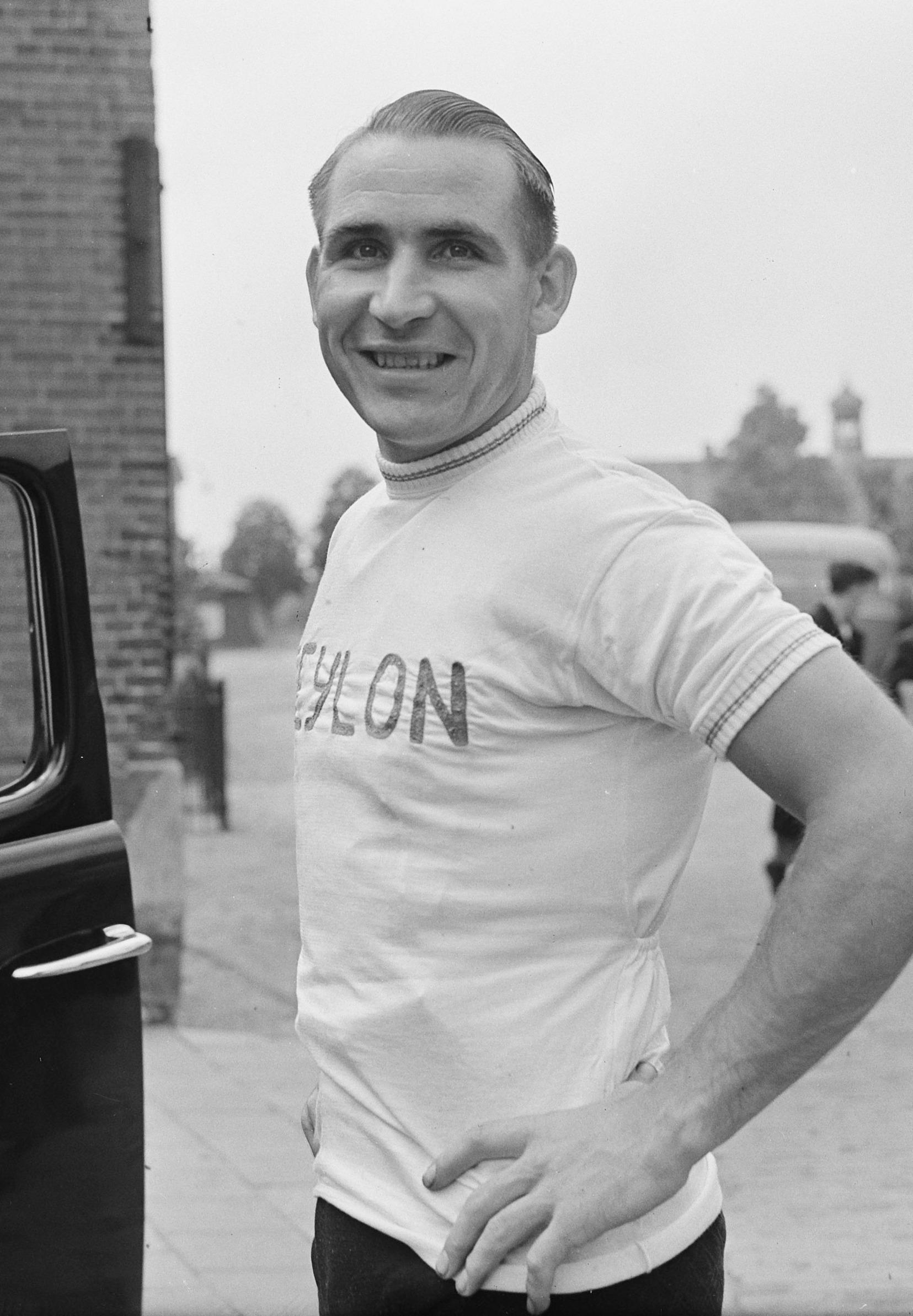
The yellow jersey disappeared down the mountainside
Wim van Est crashed over the Aubisque and was hauled back up with an improvised rope made from inner tubes.
Read the story →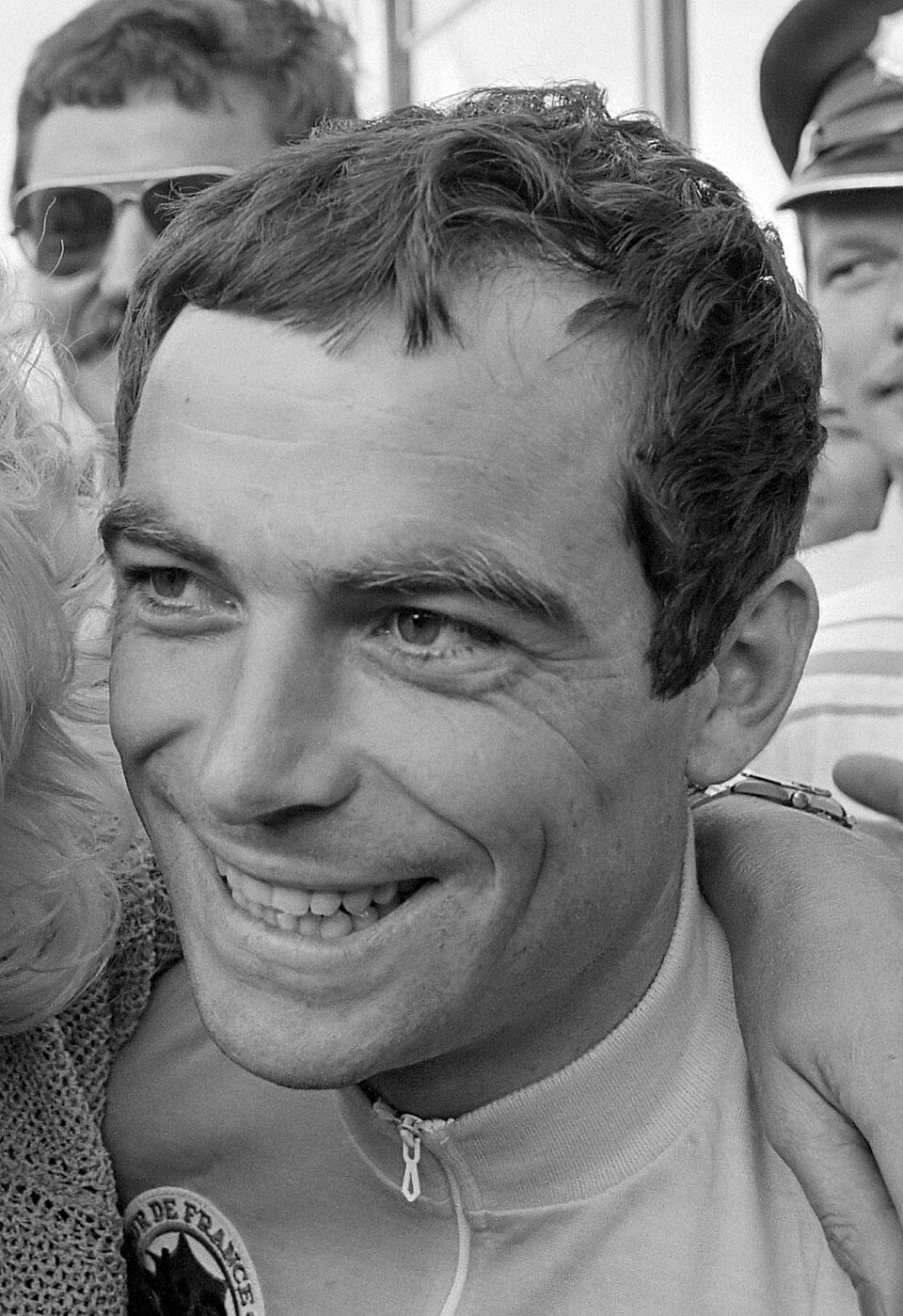
When Hinault rode into a workers’ protest
Paris–Nice met a road blockade by La Ciotat shipyard workers. Bernard Hinault was knocked down, got up and struck a demonstrator.
Read the story →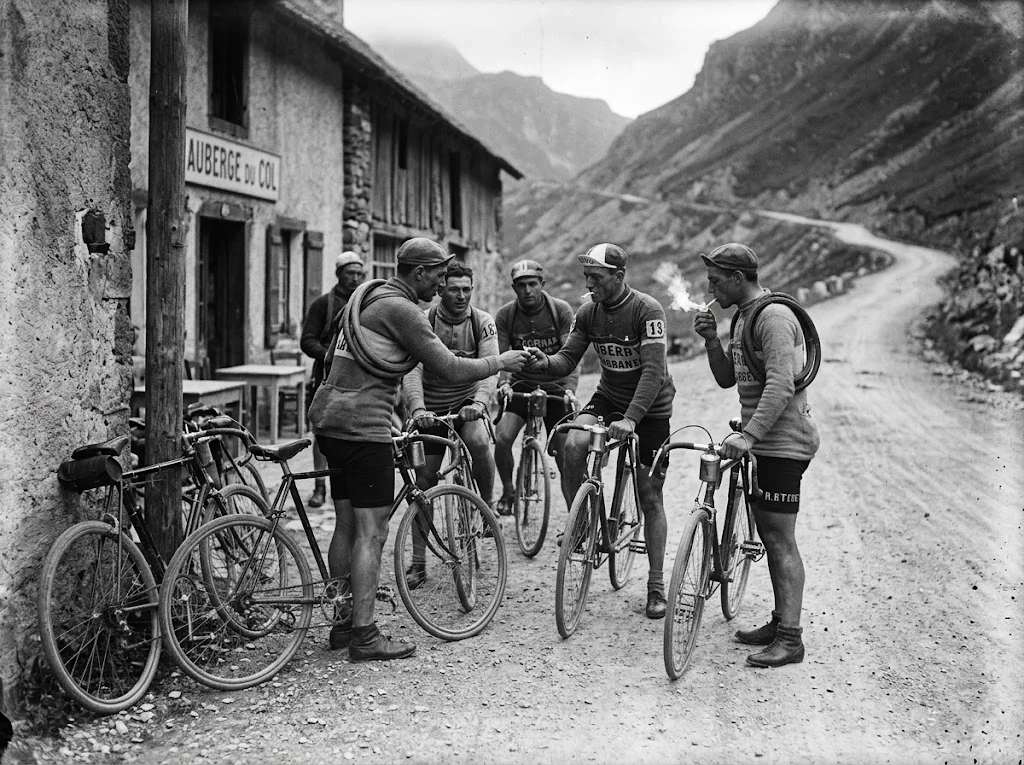
Cycle racing’s hard golden age
See the races, people, bicycles and changes that shaped the period.
Explore the period →