Paris–Roubaix · 1899
From cobbles
to spark plugs.
Albert Champion won Paris–Roubaix at twenty. Ten years later he was in Flint making the small engine part that would make his initials better known than his racing results.
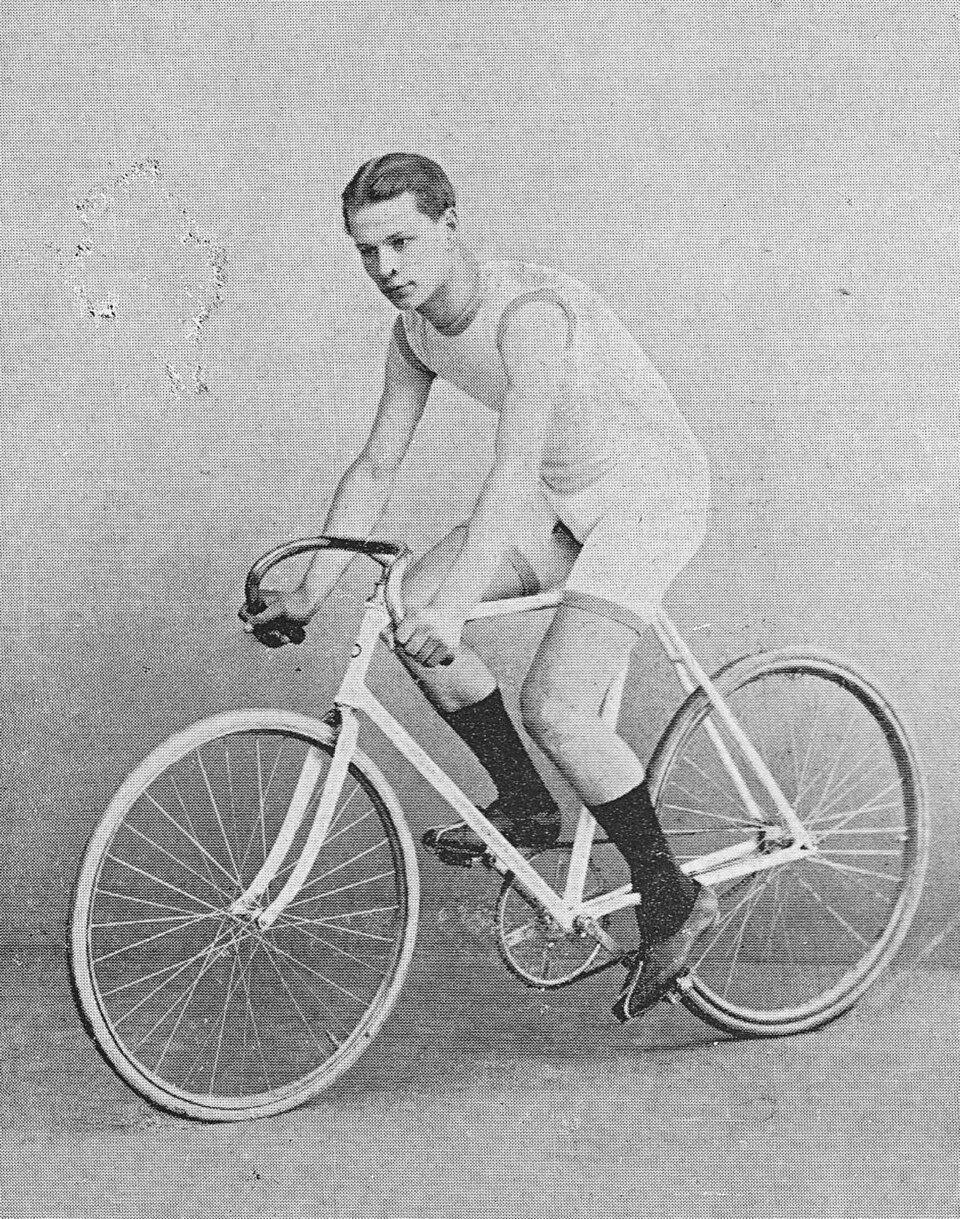
On 2 April 1899, Albert Champion rode alone towards Roubaix. A motor pacer was ahead of him. Several of the finest road riders of the day were behind.
A track rider on the road
The fourth Paris–Roubaix covered 268 kilometres. Small motorcycles and motor tricycles paced the race, bringing track specialists onto the road. Champion understood speed and shelter from the velodrome, but the cobbles were another matter.
He attacked early. Émile Bouhours came close before his pacer struck a spectator. Champion carried on and reached the Roubaix velodrome in 8 hours 22 minutes 53 seconds. He was still twenty; his twenty-first birthday came three days later.
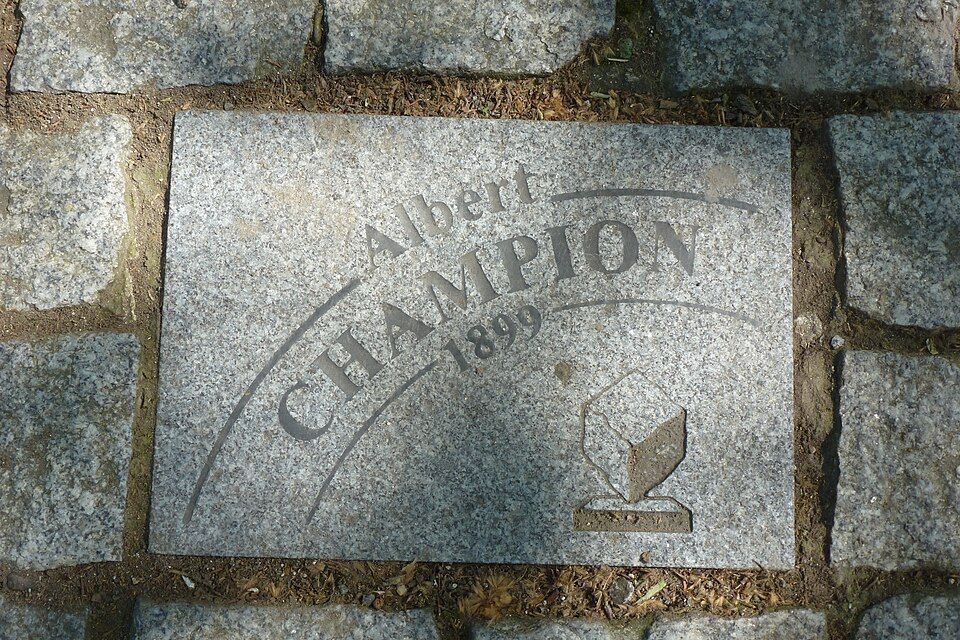
The victory earned him the place in the race's history now marked by a stone in Roubaix. Cycling, however, proved to be only the first part of his story.
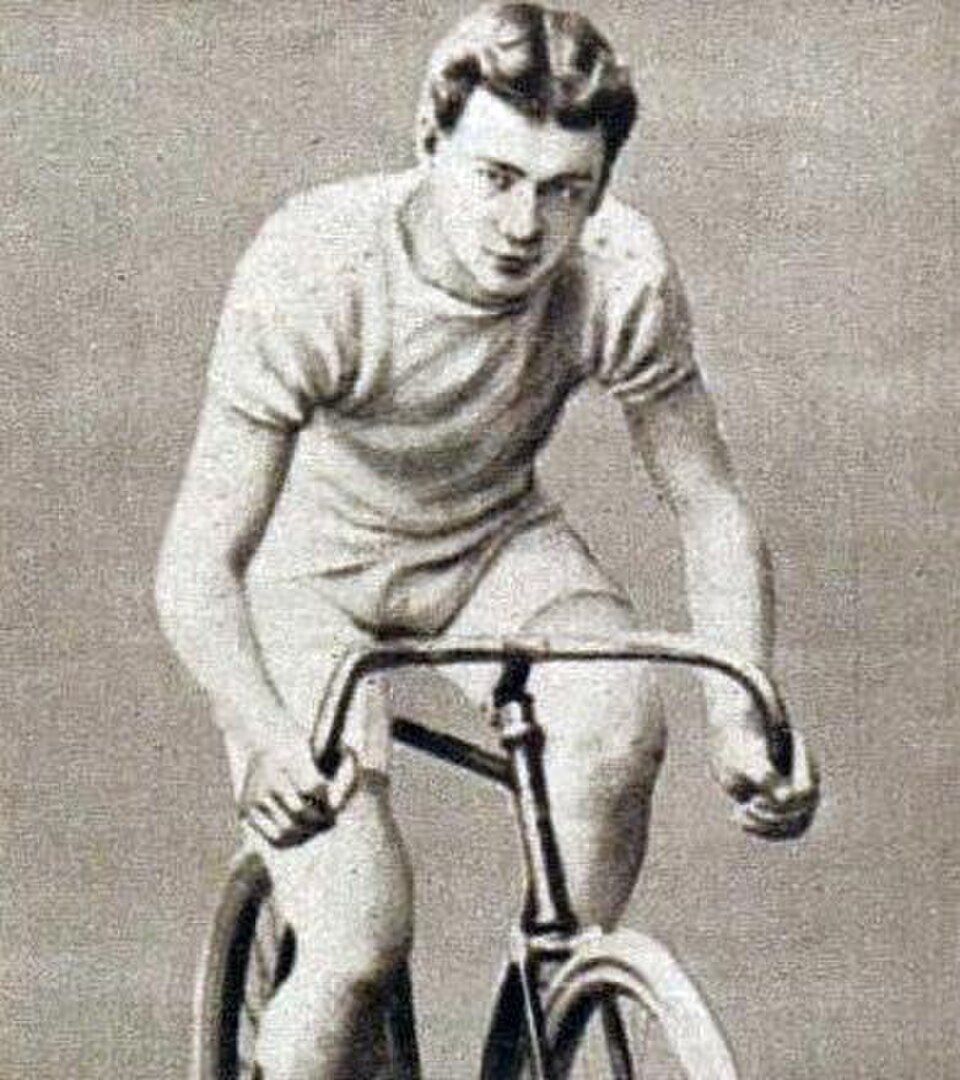
From pedals to engines
Champion travelled between France and the United States and continued racing bicycles, motorcycles and cars. A later story says the move also helped him avoid French military service. The motive is difficult to establish; his growing interest in engine ignition is not.
In Boston in 1905, he founded the Albert Champion Company with investors Frank and Spencer Stranahan. The business imported French electrical equipment and soon produced porcelain-insulated spark plugs bearing the Champion name.
The partnership did not last. Champion left while his partners retained the rights to the name. The Champion brand therefore continued without the man named Champion.
Two brands from one name
In 1908 Champion showed his plugs to William C. Durant of Buick. Durant helped establish a workshop in Flint, Michigan, called Champion Ignition Company. It supplied Buick, but the old Boston firm still controlled the Champion trademark.
The dispute was settled in 1922. The Flint business became AC Spark Plug Company: A and C for Albert Champion. It became a General Motors division in 1927. One French racing cyclist had thus helped give rise to two American spark-plug businesses.
AC plugs were also used in Charles Lindbergh's Spirit of St. Louis on the 1927 Atlantic crossing. Champion had moved from paced cycle racing to an industry in which reliable ignition was the whole point.
The final visit to Paris
Albert Champion died in Paris on 26 October 1927, aged 49. The contemporary report in Time gave no cause of death. Later biographies linked his collapse to a violent scene of jealousy followed by a heart attack. That is how the story has often been remembered, though its details are less secure than the race result and company history.
General Motors acquired the remaining interests in AC after his death. Its name survives within ACDelco. The stone in Roubaix says only Albert Champion and 1899. That is enough for the cycling part. The rest of his name ended up under the bonnet.
Sources and image notes

Continue exploring
More from cycling history

Tour of Guangxi: Six days and one steep finish
The final stage race of the WorldTour season crosses the rolling landscape of Guangxi and is decided on the short, steep road to NongLa.
Read the story →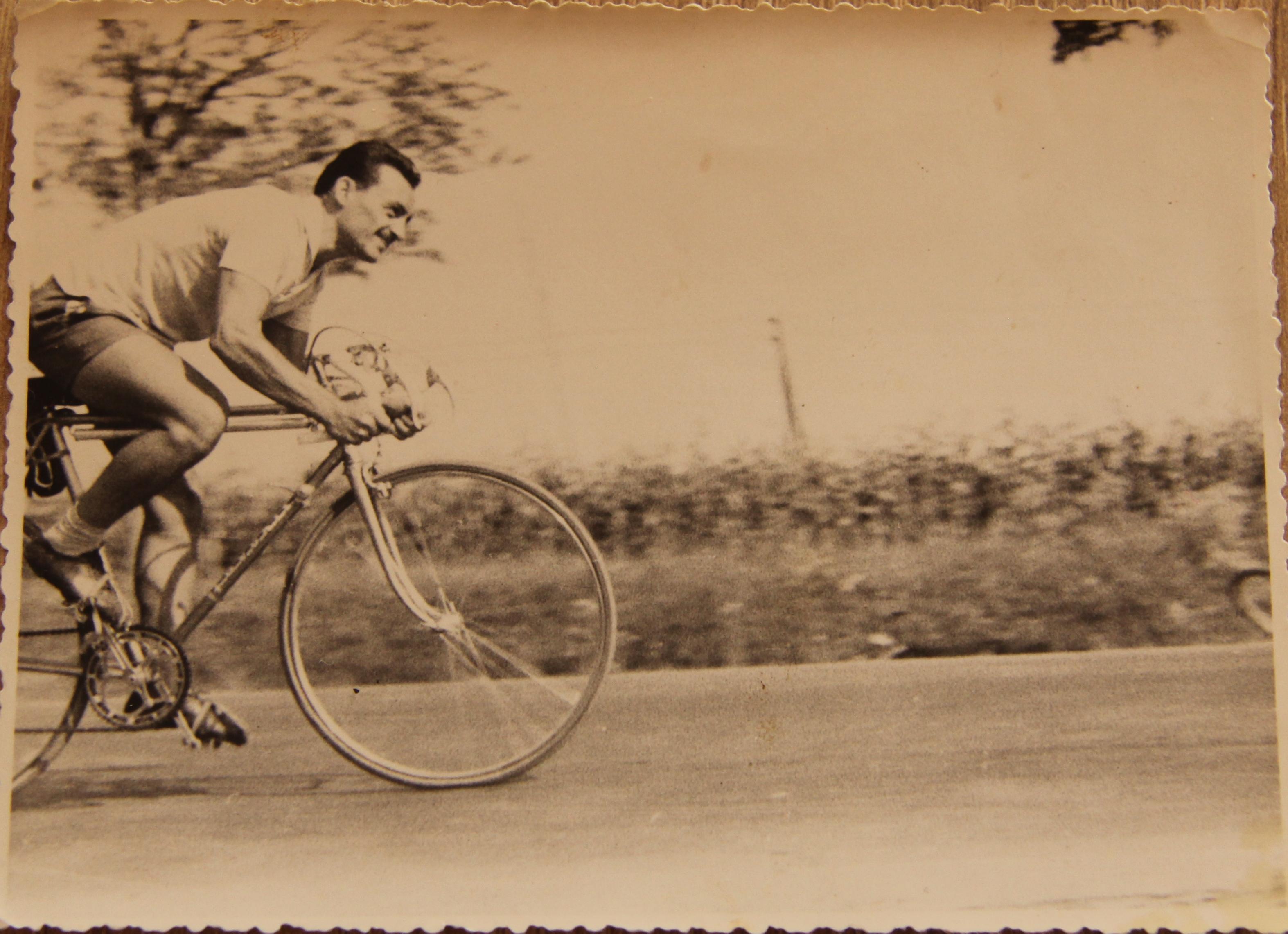
When the bicycle left its first owner
A gold Favorit F11, its 1960 receipt and a meeting with the man who had kept the bicycle for more than six decades.
Read the story →
Cycle racing’s hard golden age
See the races, people, bicycles and changes that shaped the period.
Explore the period →