Technology · Gear shifting · 1951
When gear shifting finally became modern
Gran Sport made shifting a movement of the derailleur rather than the rear wheel. The modern principle was not new, but Campagnolo placed it at the centre of the Italian racing bicycle.
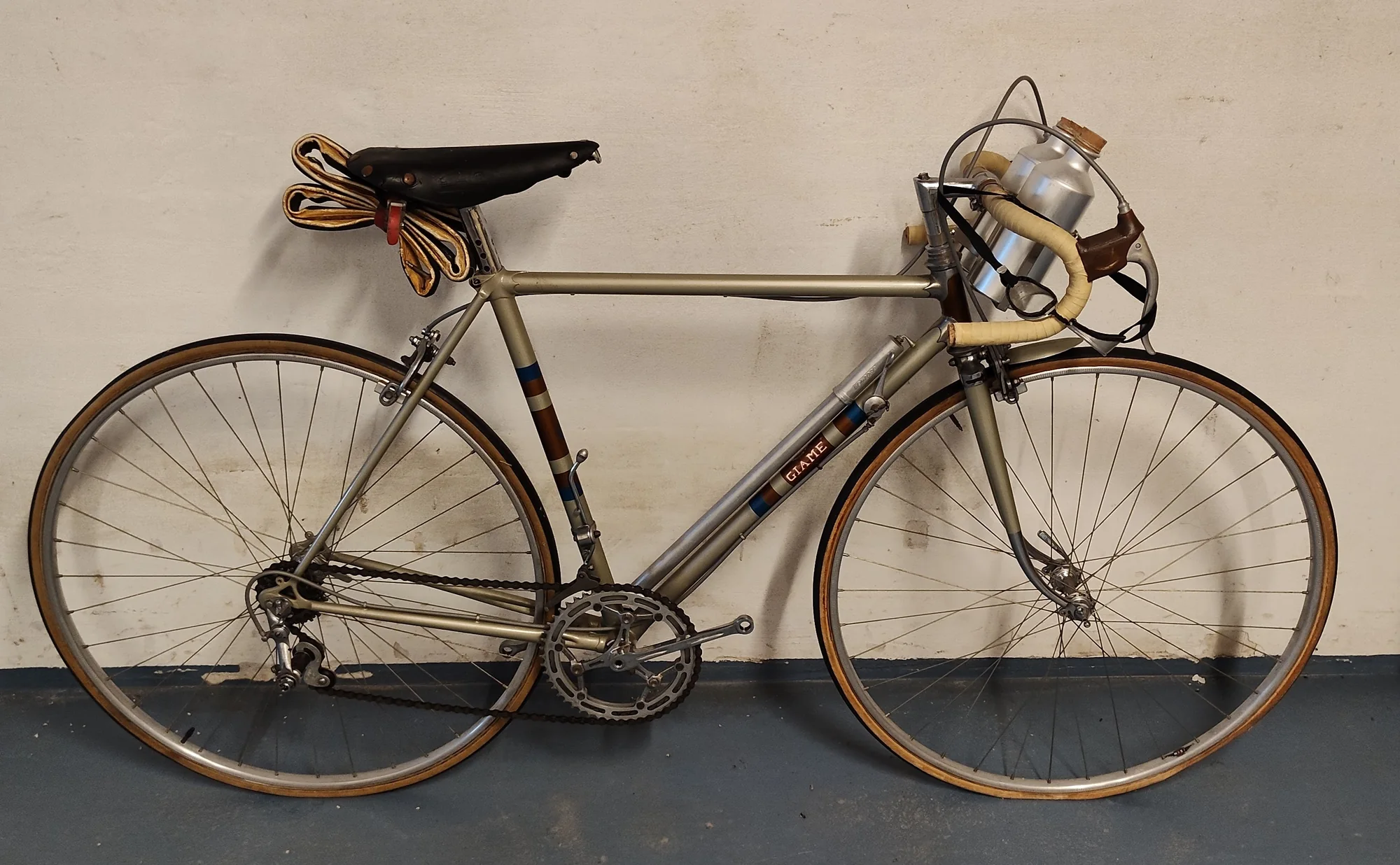
Gran Sport made shifting a movement of the derailleur rather than the rear wheel. The modern principle was not new, but Campagnolo placed it at the centre of the Italian racing bicycle.
Before the wheel could stay in place
Cambio Corsa and the Paris–Roubaix gear allowed the rider to shift while moving, but the rear axle still had to be released and the wheel moved in the frame. It demanded both balance and mechanical sensitivity.
The parallelogram
Gran Sport moved the chain guide sideways through an articulated parallelogram. A spring kept the chain tensioned while two pulley wheels guided it between sprockets. The rear wheel could now remain securely fixed.
Not the first derailleur
Campagnolo did not invent the parallelogram principle. Other manufacturers had already developed related solutions. Its importance lay in a robust, prestigious model closely associated with the fine Italian racing bicycle.
A lever on the down tube
Shifting was still not indexed. The rider reached for a friction lever on the down tube and found the quiet chain position by feel. It was modern beside the earlier rod system, but still demanded practice.
A form that endured
Gran Sport pointed towards decades of rear derailleurs. Materials, sprocket counts and controls changed, but the basic parallelogram idea remained.
Sources
Continue exploring
More from cycling history
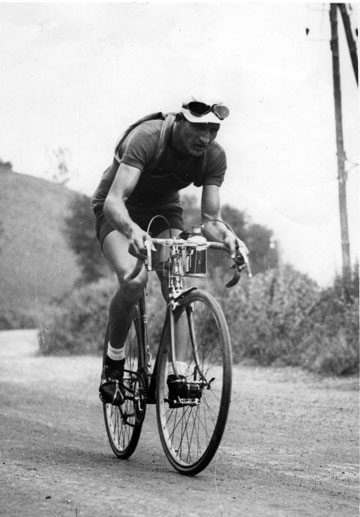
Did Bartali really bring peace back to Italy?
After the attempt on Palmiro Togliatti, Gino Bartali won three consecutive Tour stages. His victories gave a political crisis its most enduring hero.
Read the story →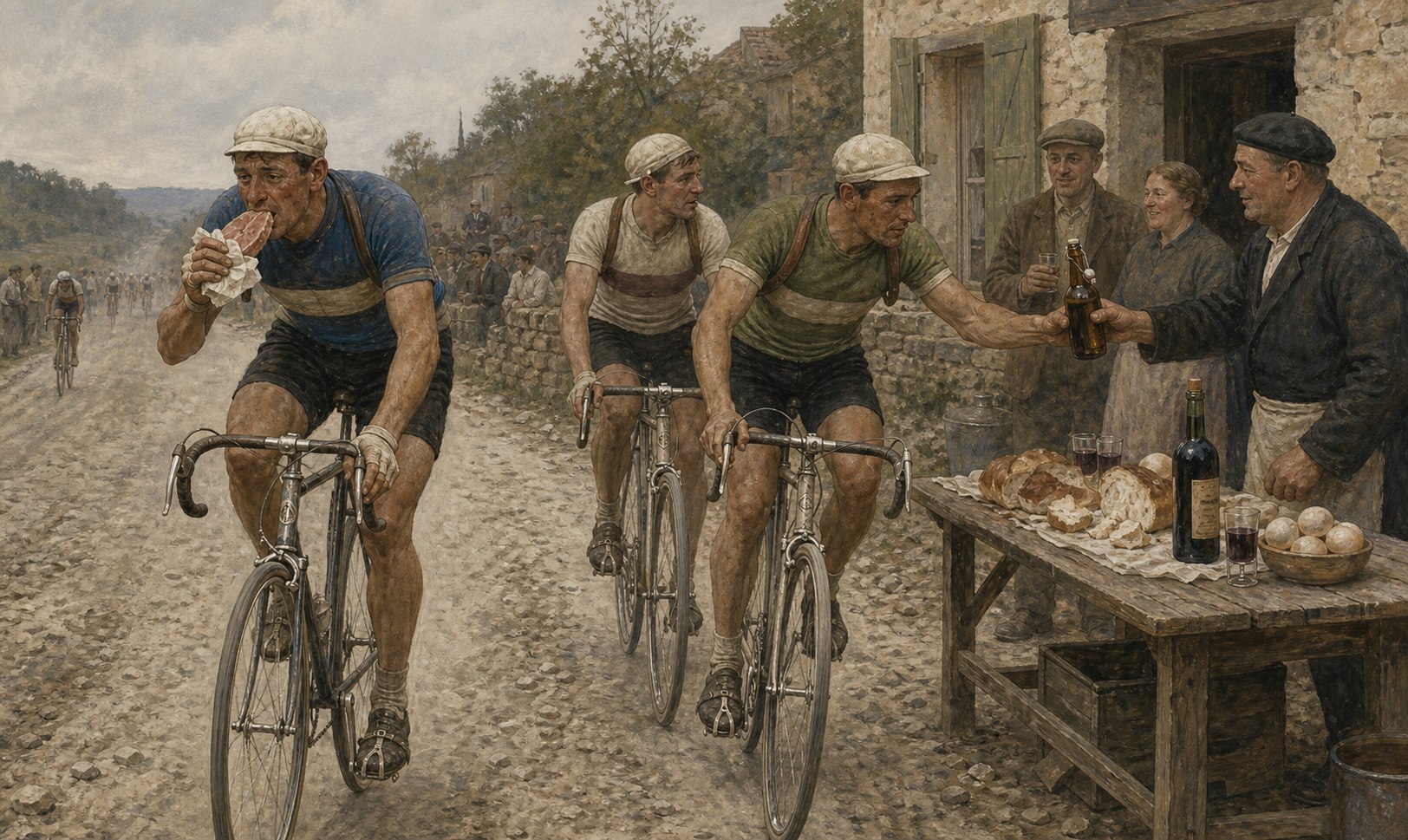
Insomnia, butter and cold beer
Chops, cigarettes and imitation: when one rider’s meal could become the entire peloton’s nutrition theory.
Read the story →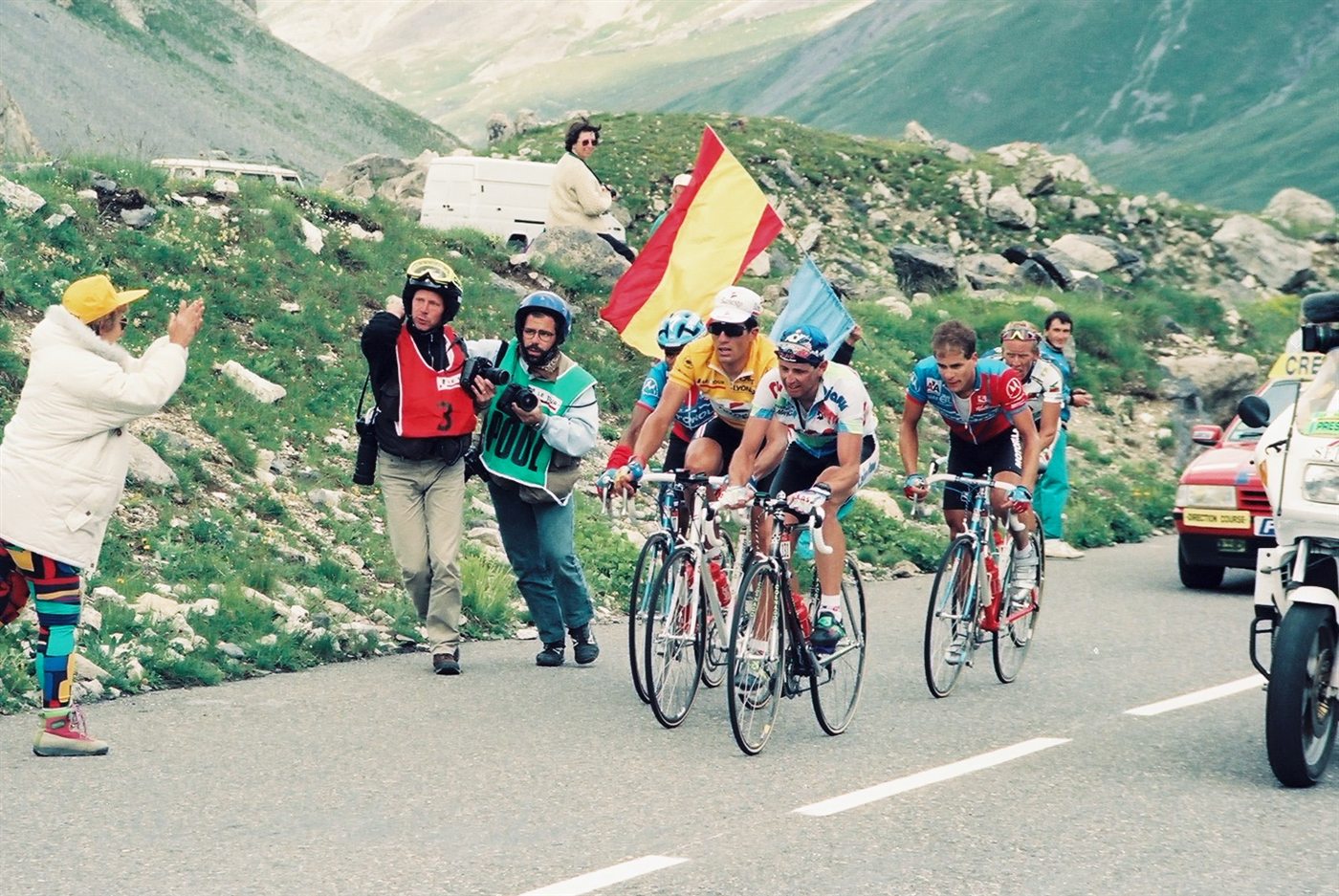
When shifting moved to the handlebars
See the races, people, bicycles and changes that shaped the period.
Explore the period →