Cambiago and the Giro d’Italia · 1955
He watched Magni's leg.
The fault was in the bicycle.
Ernesto Colnago was 23 and ran a small workshop. According to his own account, a misaligned crank arm gave him access to the inner workings of the Giro.
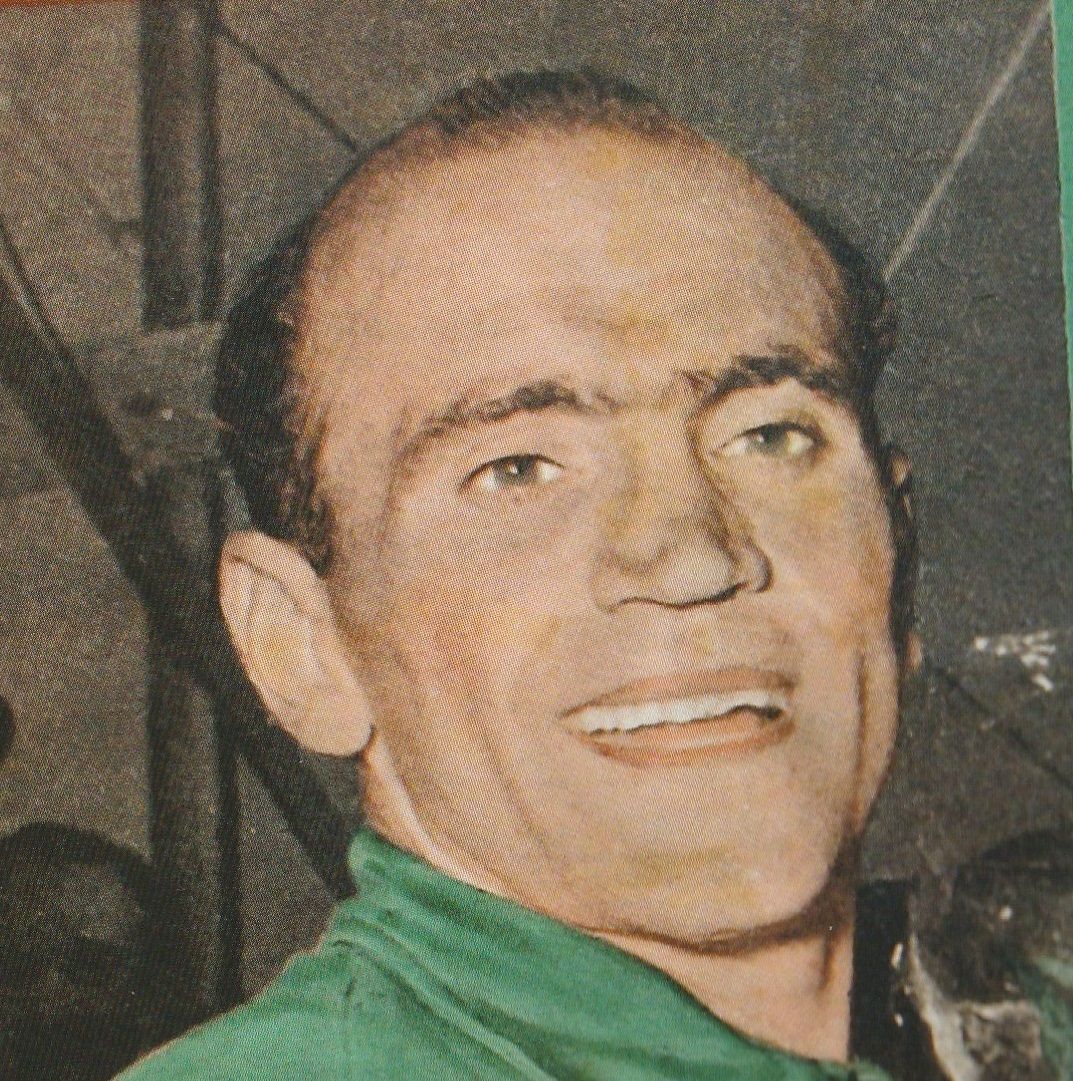
Magni had pain in his right knee and calf. The young mechanic watched his pedal stroke and decided that the rider was not the problem.
A view from the side
The 1955 Giro was approaching. During a training ride with, among others, sporting director Giorgio Albani, Fiorenzo Magni complained of pain. That is how Ernesto Colnago later told the story. While the others saw a champion in difficulty, Colnago saw a movement that was not round.
He believed that one crank arm was bent or out of alignment. Magni reluctantly agreed to visit the modest workshop in Via Garibaldi in Cambiago. Colnago corrected the bicycle. When Magni tried it again, the pain was gone.
The story comes from the mechanic
The scene has been repeated many times, nearly always by Colnago himself and long after 1955. That does not make it worthless, but it does change its status. We can document that Colnago joined Nivea–Fuchs at the Giro and that his connection with Magni became decisive. The precise conversation and instant cure belong to the form of later memory.
That is also why the story works. Colnago did not cast himself as a doctor. He looked at the rider as a mechanic would: symmetry, load and a movement repeated with every revolution.
The test at Vigorelli
Before his place in the service car was secure, another test waited. At the celebrated mechanic Faliero Masi's workshop beneath the Vigorelli track, Colnago later said that he was given 44 wheels to build and true. He began in the morning and finished that evening.
The result was board and lodging and a job as second mechanic. During the Giro he had more than one crank to inspect. Bicycles had to be washed, wheels checked, tubular tyres glued and faults found while the riders slept.
Magni won — Colnago stayed
The Giro began on 14 May and ended on 5 June after 3,871 kilometres. On the penultimate stage Magni profited from a late move with Fausto Coppi and took the lead. He won the race by only 13 seconds from Coppi.
For Colnago, those three weeks were an entry pass. He remained in professional cycling, later built frames for champions and turned his name into one of the sport's best-known marques. The beginning was smaller: a sore knee, a bicycle in a workstand and a young man willing to say that the champion's machine was out of line.
Sources and image notes
The crank-arm anecdote is presented as Ernesto Colnago's later recollection. His role at the 1955 Giro and Magni's overall victory are more broadly documented.
- Colnago: company history and Magni's letter of thanks
- Cyclingnews: Ernesto Colnago 50th anniversary interview
- Cycling Weekly: Inside Colnago
- Tuttobiciweb: Colnago's account of meeting Magni
- Wikimedia Commons: Fiorenzo Magni 1953

Alternative illustration: A clearly labelled period workshop scene in Cambiago, 1955: a young mechanic sights along the crank line of a steel racing bicycle while a rider sits near a small stove. No invented dialogue or legible branding.
Continue exploring
More from cycling history
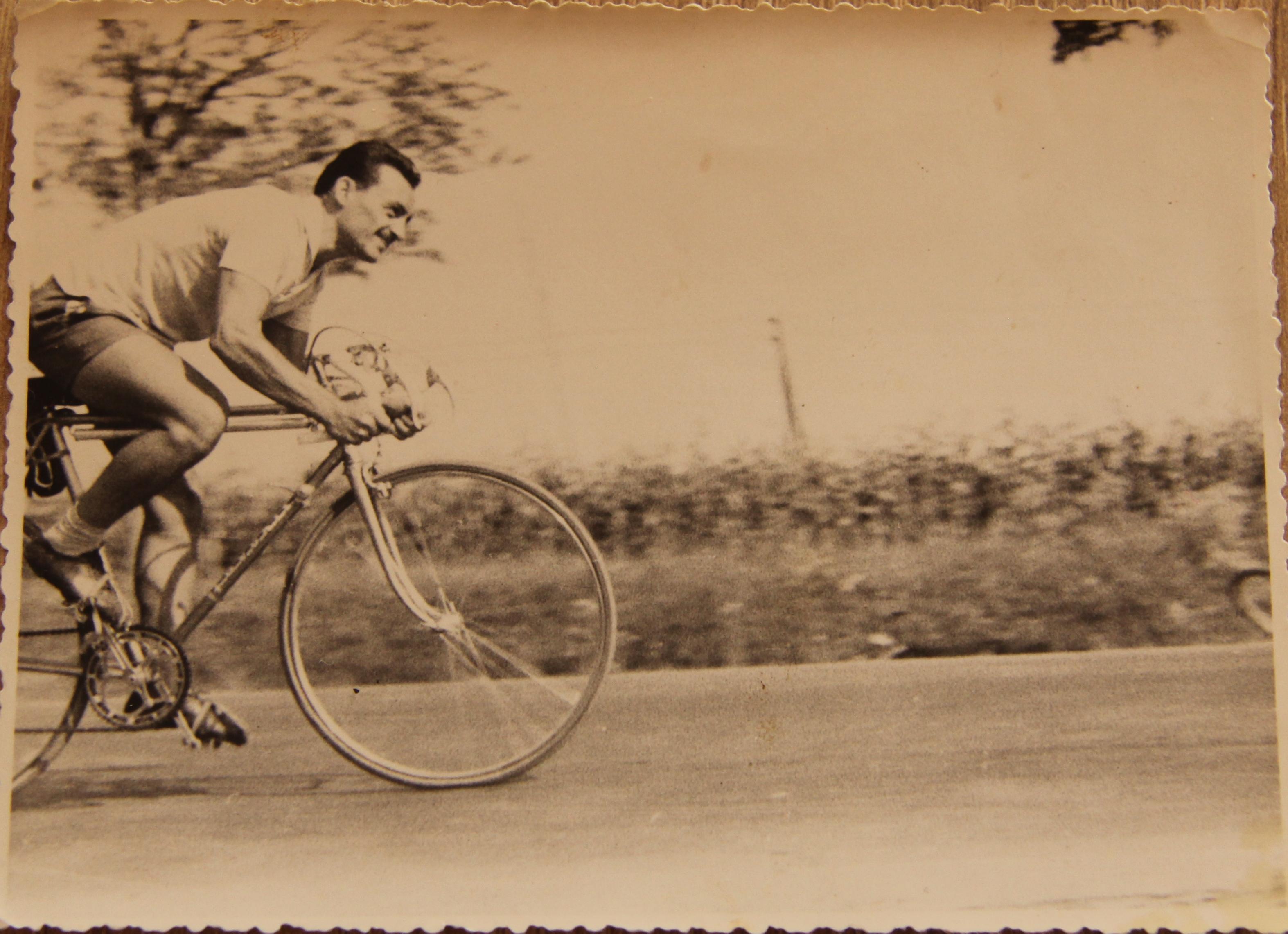
When the bicycle left its first owner
A gold Favorit F11, its 1960 receipt and a meeting with the man who had kept the bicycle for more than six decades.
Read the story →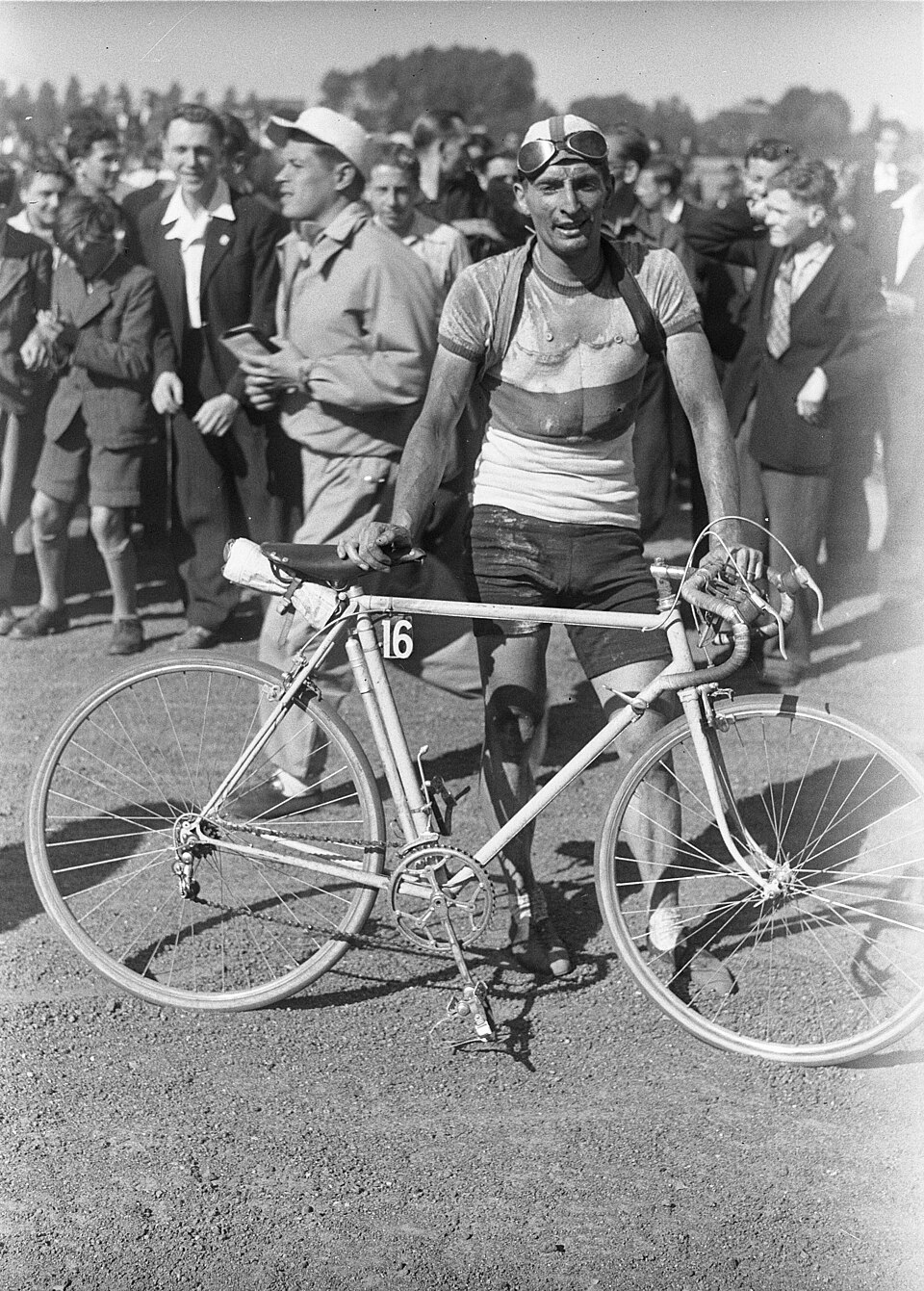
When the Tour returned to a hungry France
The Tour returned after the war and had to feed a race over 4,640 kilometres while France cut the daily bread ration to 200 grams.
Read the story →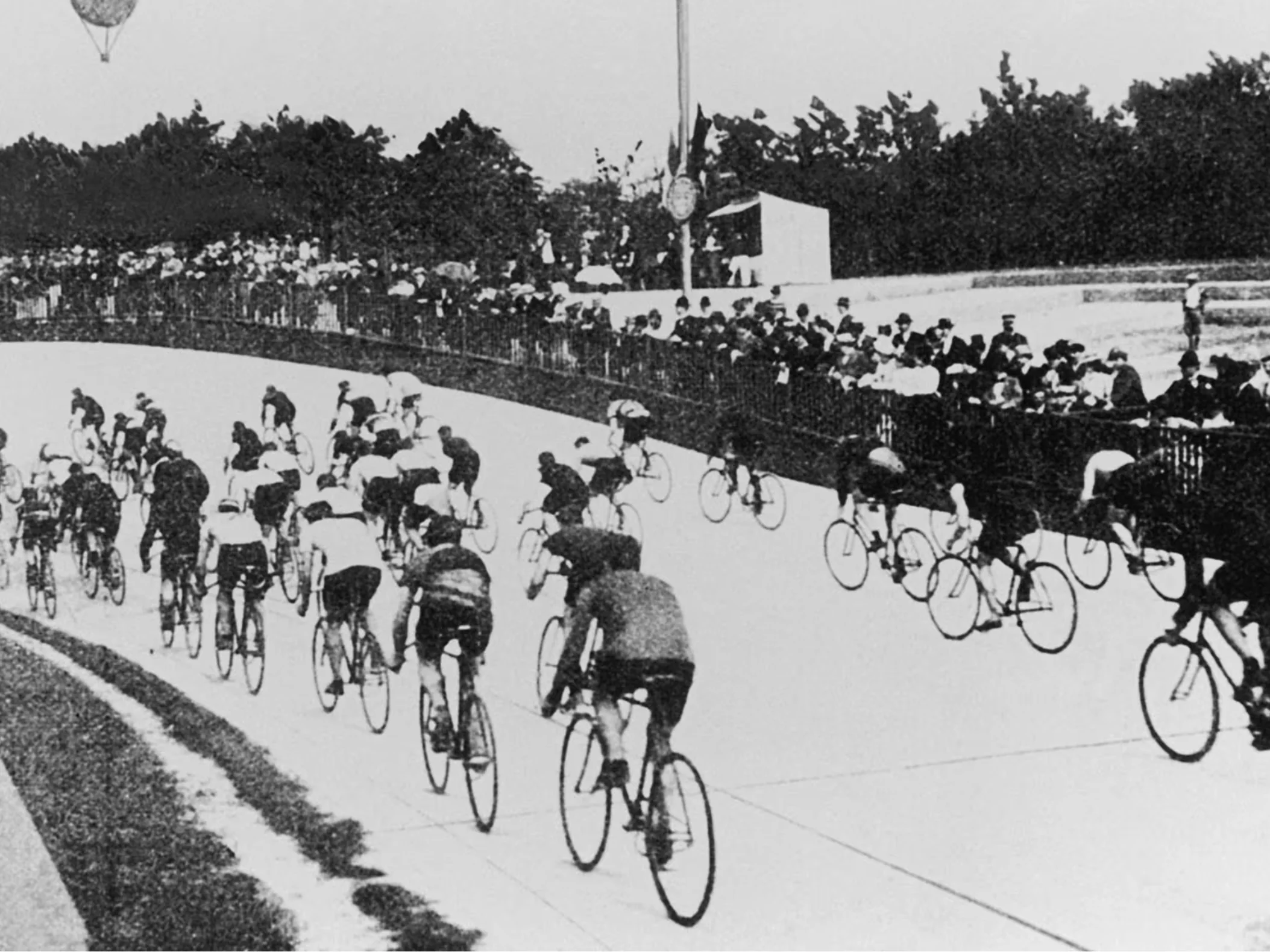
Cycling’s wild pioneer years
See the races, people, bicycles and changes that shaped the period.
Explore the period →