Giro d’Italia · 1956
When Magni bit an inner tube to stay in the Giro
An injured shoulder, a length of rubber and a mechanic with an idea that only had to work as far as the next finish.
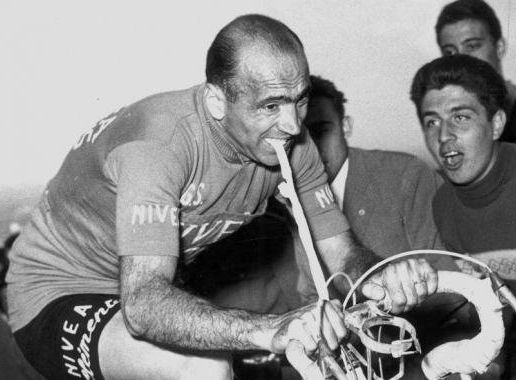
Fiorenzo Magni could no longer pull normally on the handlebars. Ernesto Colnago tied on an inner tube that the rider could grip between his teeth.
The crash
On stage 12 from Grosseto to Livorno, the 35-year-old Magni crashed on the descent from Volterra. His left shoulder was badly injured. Sources disagree on whether the first fracture was to the collarbone or shoulder blade, but its effect was clear: the arm could no longer work normally.
Magni refused to abandon. He had won the Giro three times and was riding his final professional season. The point was not to pretend that a fracture did not hurt. It was to find a way of keeping his body on the bicycle.
Colnago’s length of rubber
Ernesto Colnago was working as a mechanic. He later recalled cutting a length from a Clement inner tube and tying one end to the handlebars. Magni held the other end in his mouth. When the road climbed, he could pull with his neck and teeth and take some of the load away from the injured side.
It was not an extra handlebar, nor a repair to the body. Magni still had limited control and the device did nothing to remove the pain. It merely gave him one more point to pull against.
Another crash
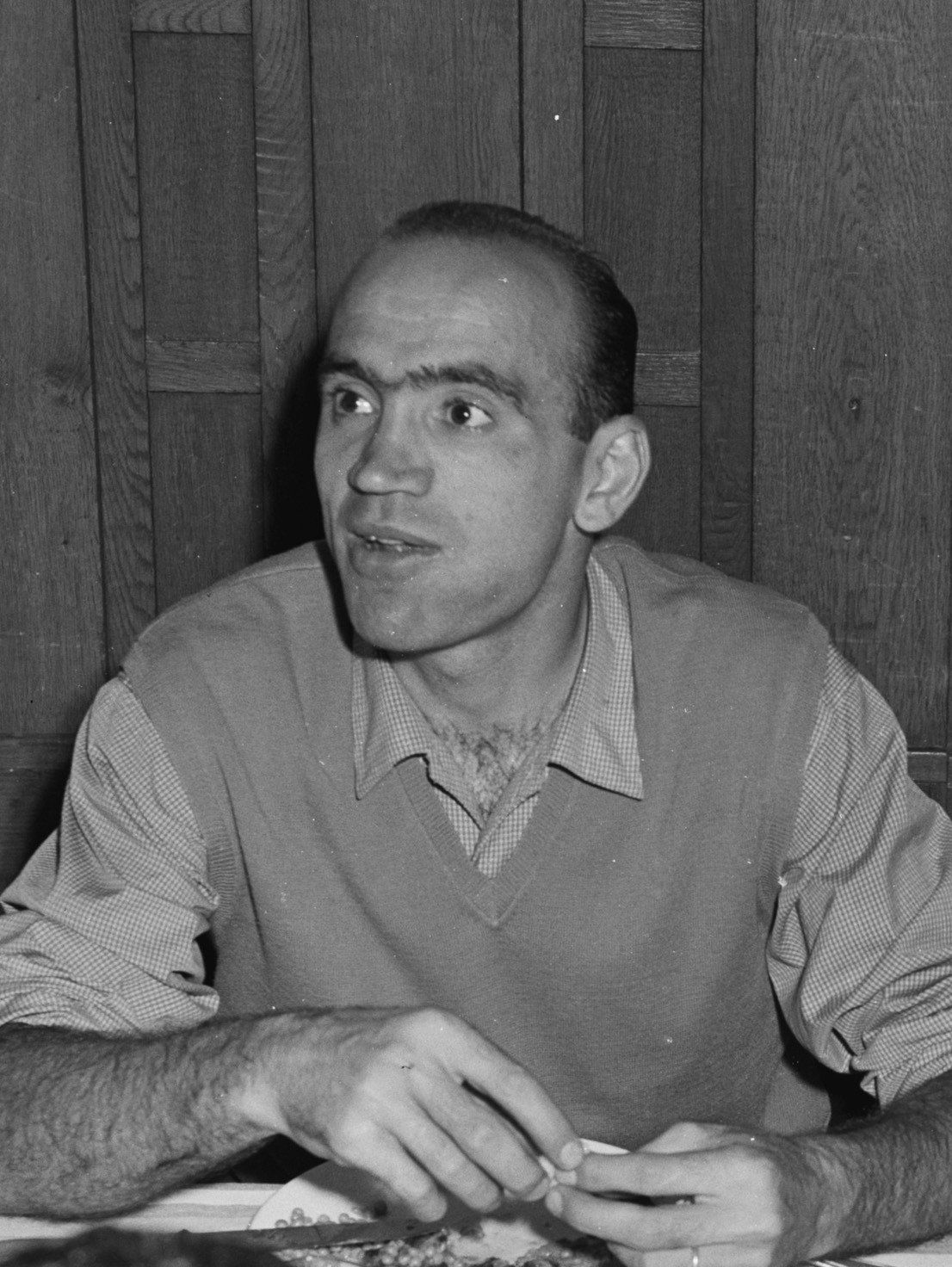
A few days later Magni hit a hole in the road and crashed again. In his own later account, he said that his upper arm was also broken. He still continued.
The Giro was overturned on the freezing stage over Monte Bondone. Charly Gaul won the race; Magni finished second. The inner tube did not bring him victory. It allowed him to remain in the race long enough to reach Milan.
Sources and image notes
- Rouleur: Ernesto Colnago recalls the device
- Corriere della Sera: Fiorenzo Magni’s own recollection
- La Gazzetta dello Sport: 1956 Giro d’Italia result
- Wikimedia Commons: the photograph from the Giro
Sources differ on the precise first fracture. The article therefore uses the defensible wording “badly injured shoulder”.
Continue exploring
More from cycling history
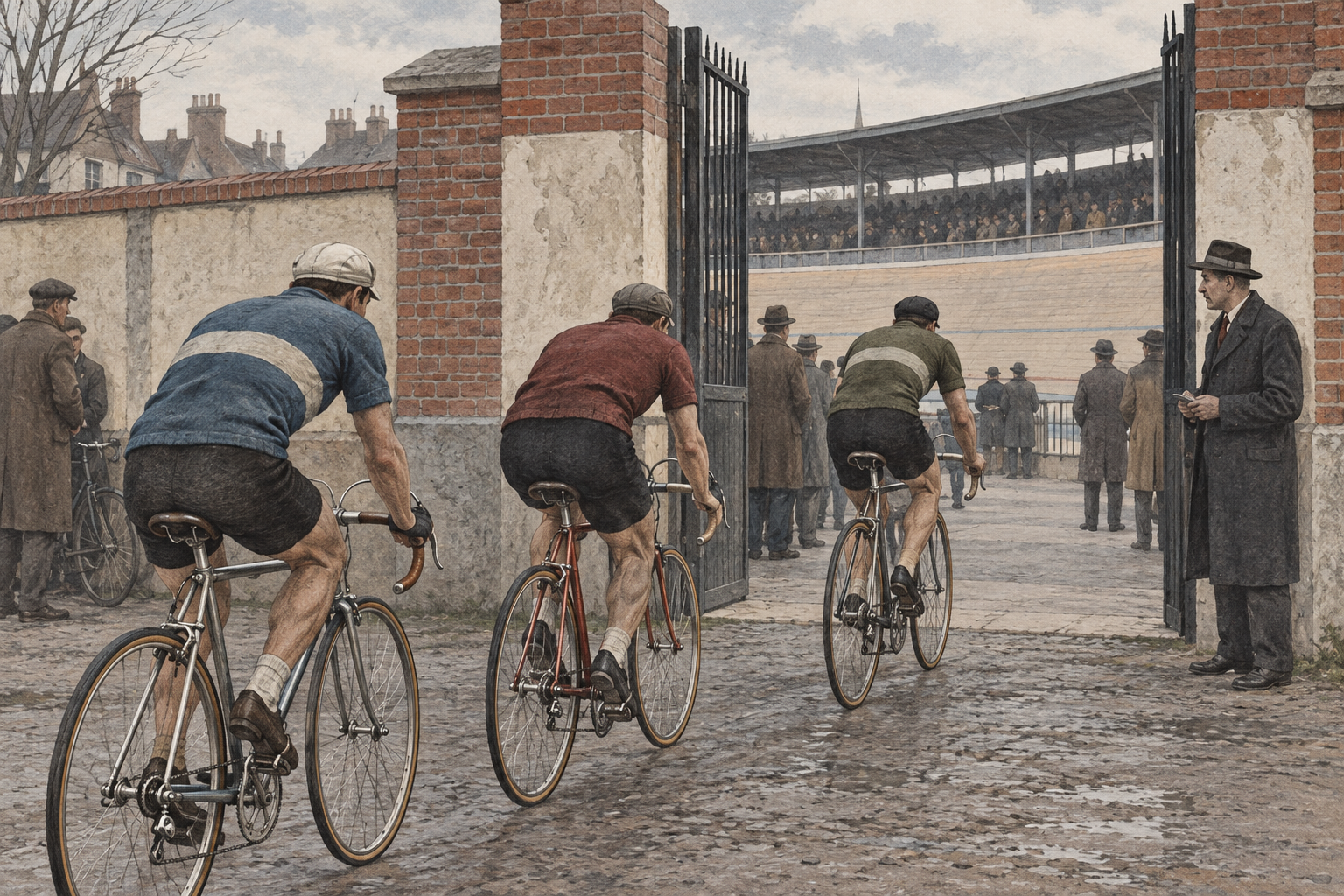
Paris–Roubaix 1949 – one race, two winners
André Mahé crossed first after being misdirected at the track. Serse Coppi protested. Months later, the race had two winners.
Read the story →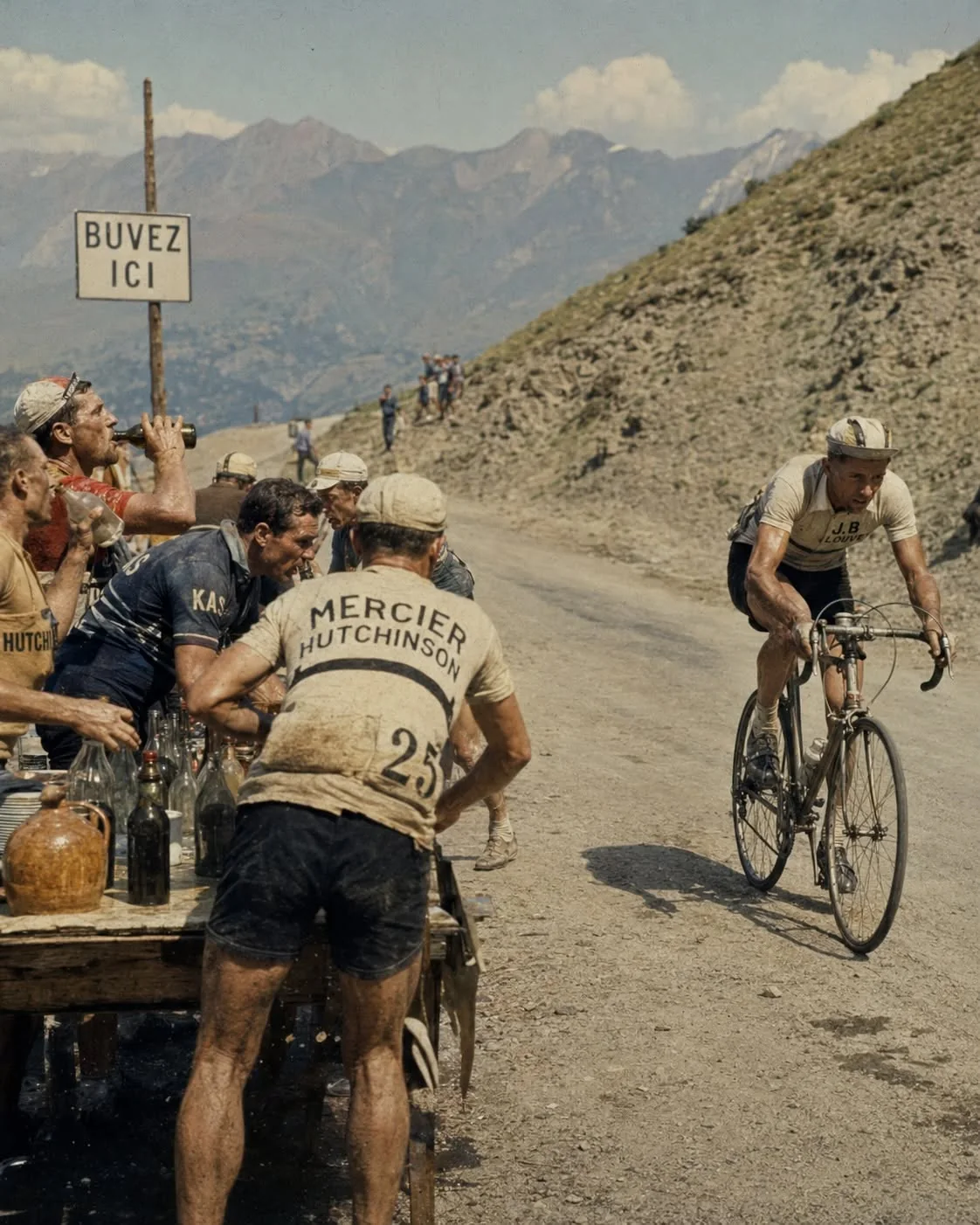
When gears arrived — and beer fooled the peloton
The Tour’s resistance to gears and Julien Moineau’s unusual breakaway towards Bordeaux.
Read the story →
When war closed the roads
See the races, people, bicycles and changes that shaped the period.
Explore the period →