Riders of the period · Women’s cycling · 1968–1979
Keetie won almost everything that existed
Keetie van Oosten-Hage became world champion on road and track, set an hour record and kept teaching. The question was not whether she could win, but where she was allowed to race.
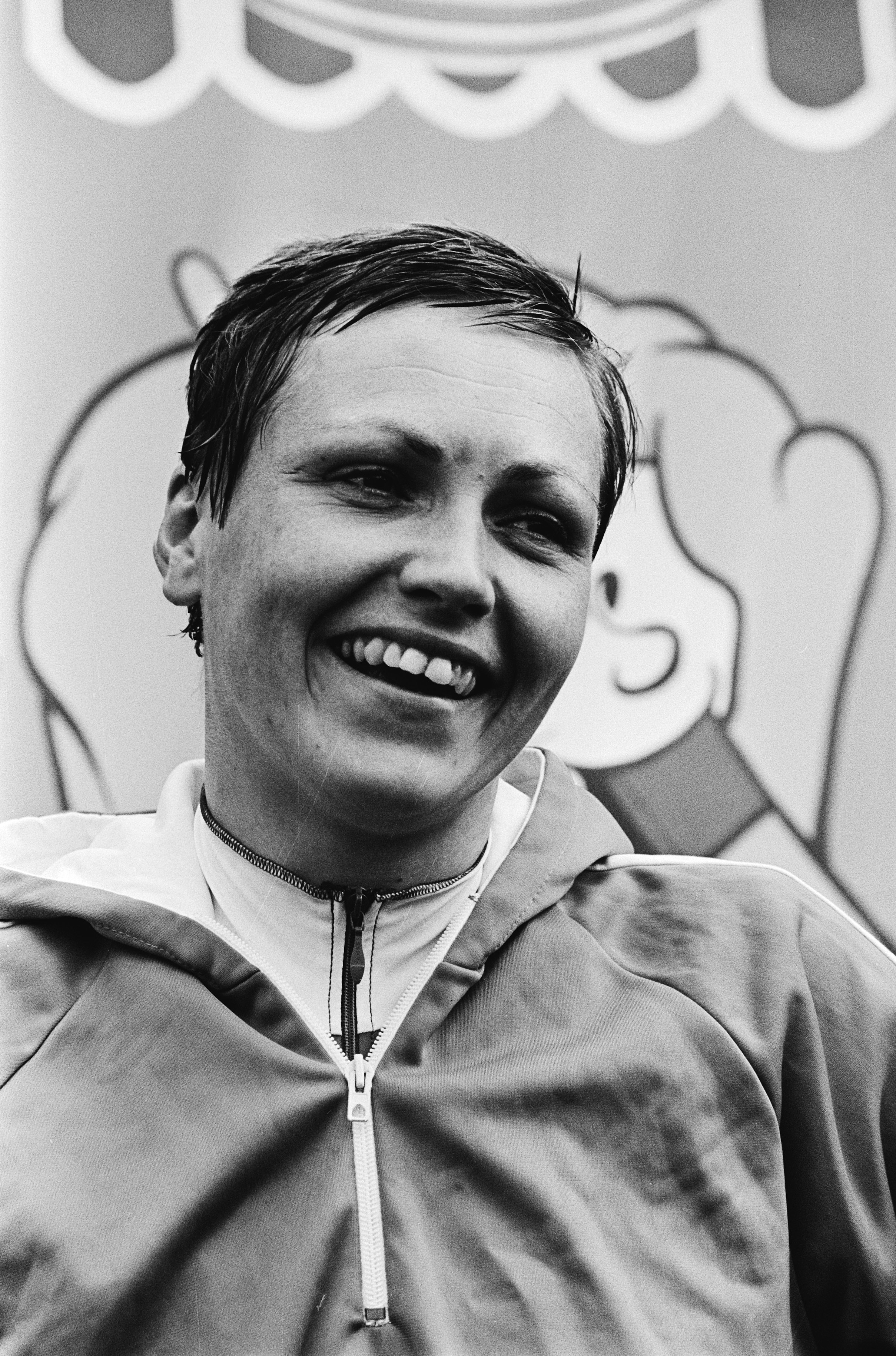
Keetie van Oosten-Hage became world champion on road and track, set an hour record and kept teaching. The question was not whether she could win, but where she was allowed to race.
Four sisters and bicycles on the car
Cornelia Hage grew up in Zeeland in a family with several racing sisters. Bella began first and Keetie followed. The family drove from event to event with bicycles on the car. Dutch women’s races were often short, while Belgian races could be longer and harder. It was a practical education: find a race, get there, race hard and perform much of the surrounding work yourself.
Imola in 1968
At the 1968 World Championships in Imola she still raced as Keetie Hage. She was nineteen. Two days before the road race she struck a van while training and injured a finger. An Italian soigneur helped her return and have it treated. She started and won the sprint from the small surviving group. It was her first road world championship.
A career on two surfaces
Hage was not only a road rider. From 1966 through 1977 she won the Dutch individual pursuit title twelve consecutive times. She became world pursuit champion four times between 1975 and 1979. On the road she took another world title in 1976 and numerous national championships. The combination demanded different gears, positions and rhythms. It suited her rather well.
43.082 kilometres
On 16 September 1978 she rode the hour record in Munich. The final distance was 43.082 kilometres, with new five, ten and twenty-kilometre records along the way. The hour figure survived for more than two decades before Anna Wilson improved it in 2000. It shows her level and also that women’s cycling produced elite performances long before it provided an elite programme.
No Olympics and no Tour
Women received a road world championship in 1958, but women’s cycling did not enter the Olympic programme until 1984. Nor was there a stable women’s Tour de France during her career. International stage races were scarce and prize money small. Van Oosten-Hage later recalled that a criterium victory might pay roughly enough for a new tubular tyre. She kept working as a teacher. The world champion had an ordinary timetable beside racing.
Training was largely her own problem
Daily support was limited. A world championship might supply massage and team management; regular racing did not automatically bring soigneurs, doctors and precise plans. She later described the method as riding hard and listening to her body. Structured schedules reached her only late in her career. This was not romantic freedom. It was a sport that had not decided to spend many resources on its best women.
The bicycle went into the shed
She ended her career on 20 October 1979, the same year she again won the world pursuit title. She did not stop because she could no longer compete. After more than 200 victories, the largest opportunities later generations received still did not exist. Her story is easily reduced to titles. The work around them is more revealing: teaching, the family car, limited support and a calendar too small for the rider. She won almost everything available. There should have been more.
Sources
Continue exploring
More from cycling history
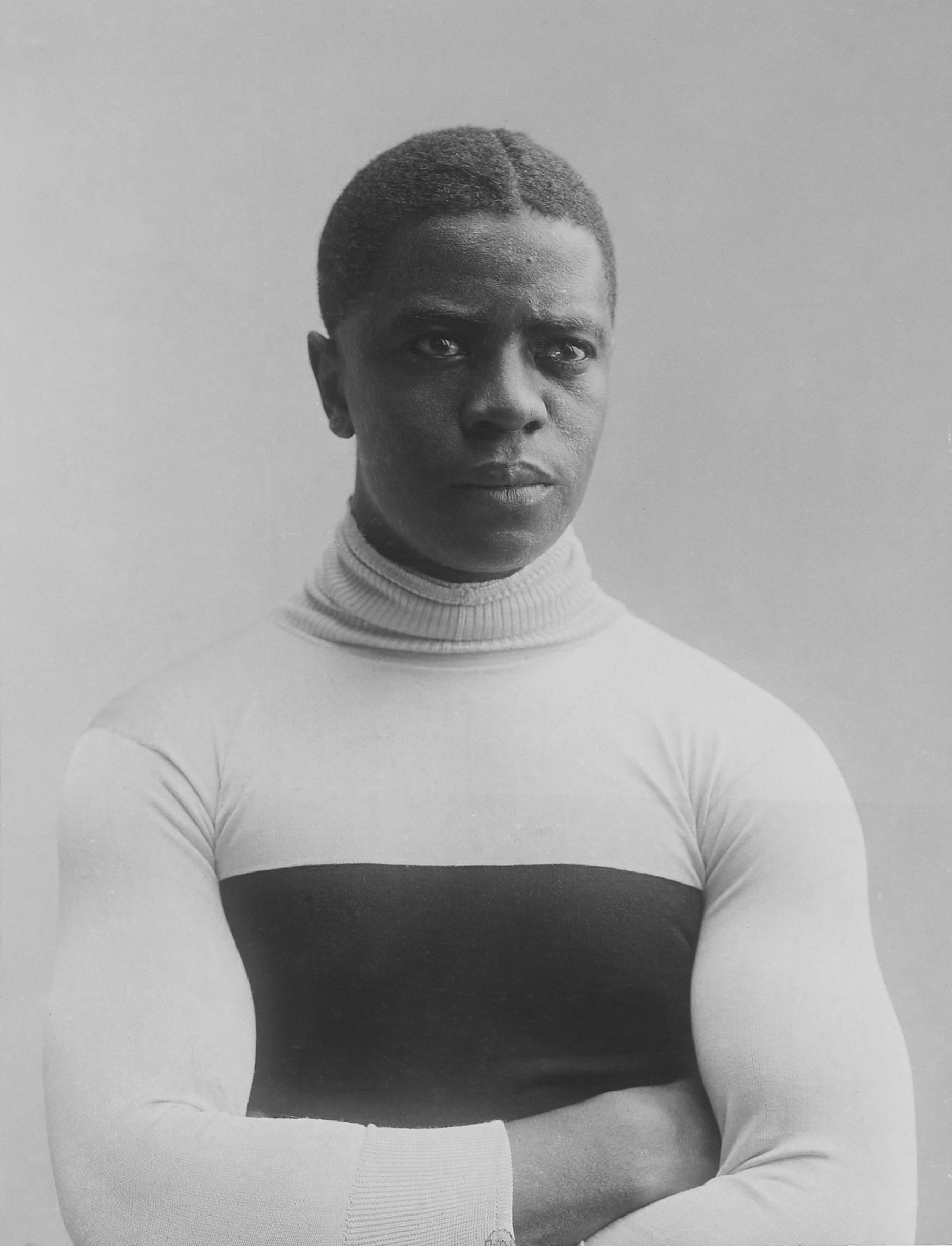
Major Taylor also had to win the right to race
Marshall “Major” Taylor became world sprint champion in 1899. His route there passed through records, packed velodromes and a cycling establishment that repeatedly tried to exclude him.
Read the story →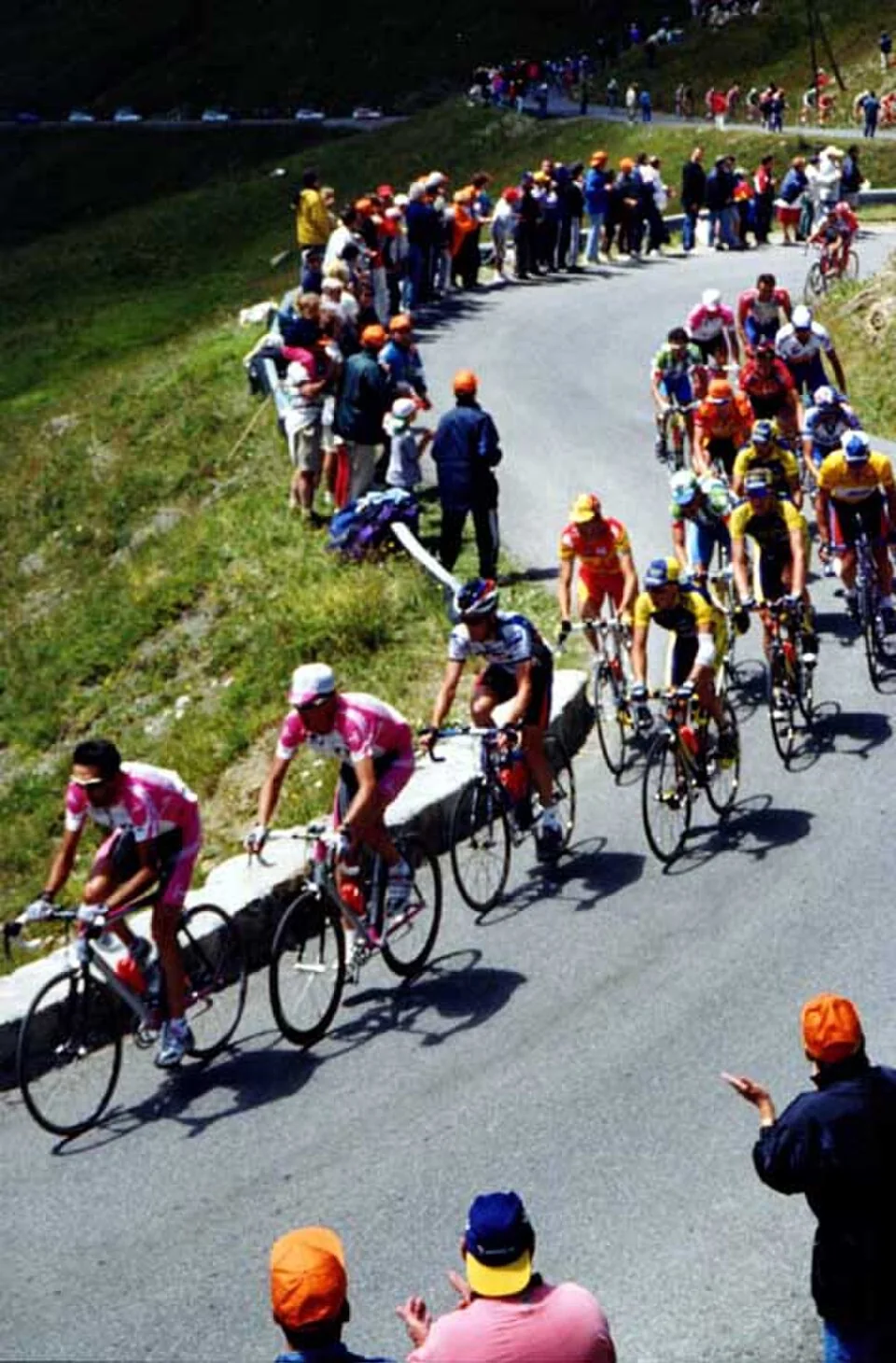
When the carbon bicycle reached the weight limit
Carbon gave designers new shapes while the UCI’s 6.8-kilogram minimum made ballast and gram counting part of the mechanics’ work.
Read the story →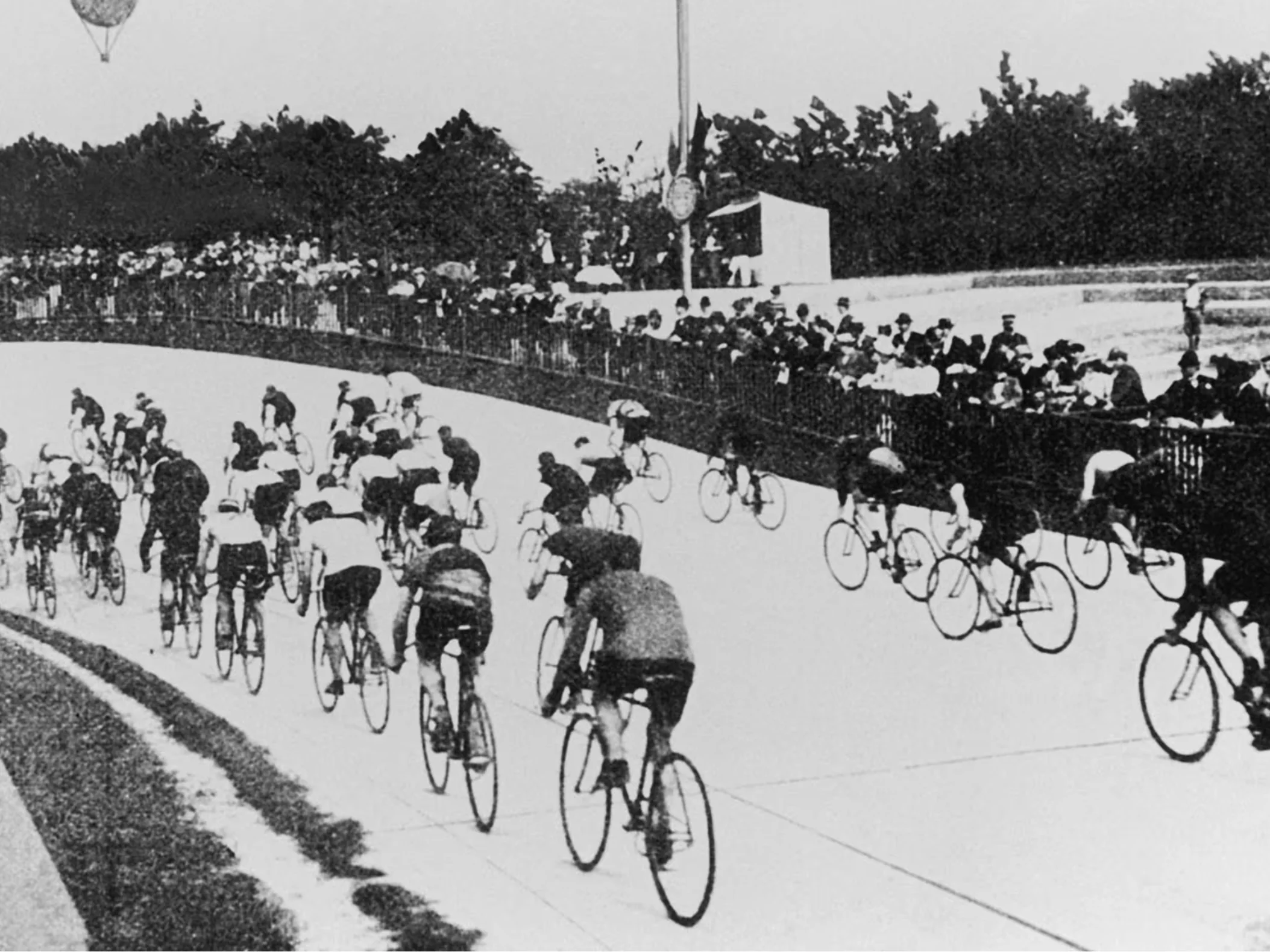
Cycling’s wild pioneer years
See the races, people, bicycles and changes that shaped the period.
Explore the period →