The people behind cycling · Aerodynamics · 1992
The bicycle without the usual triangle
Mike Burrows drew a carbon bicycle, cycling first said no, and Lotus prepared it for Chris Boardman’s pursuit of Olympic gold in Barcelona.
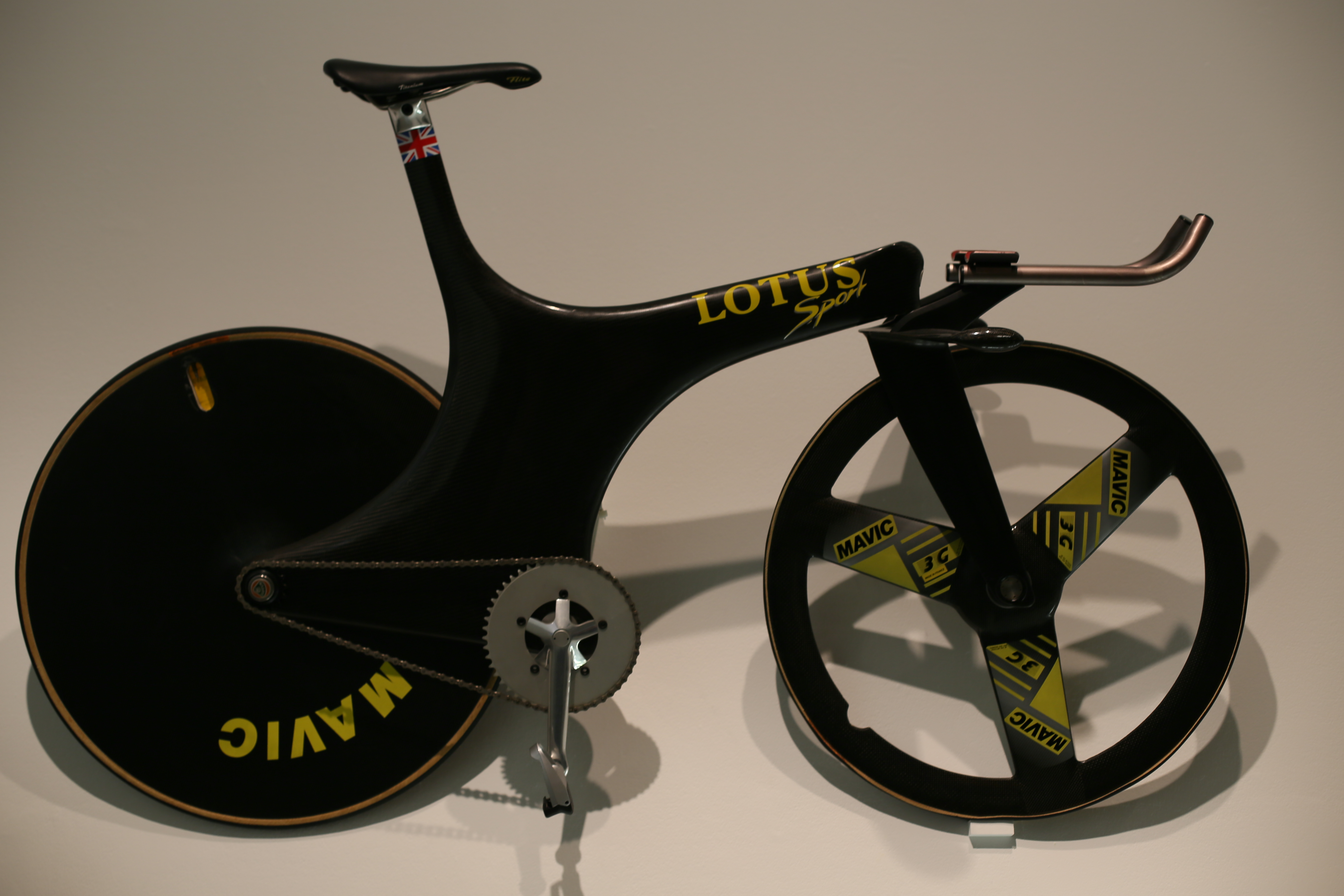
Mike Burrows drew a carbon bicycle, cycling first said no, and Lotus prepared it for Chris Boardman’s pursuit of Olympic gold in Barcelona.
A shape without tubes
Mike Burrows worked with recumbents, aerodynamics and composites when he developed a track bicycle that did not resemble joined tubes. Its carbon monocoque was a structural shell shaped around airflow and loads. The familiar diamond frame and the usual two-sided fork were gone.
The rules got in the way
The design was initially rejected because monocoque forms were not permitted. When the UCI changed the rules around 1990, the idea became useful again. Lotus Engineering had carbon-fibre experience from motor racing and could develop the construction to Olympic standards. Burrows supplied the concept; Lotus engineers made it a competition bicycle.
Boardman was the other half
An aerodynamic bicycle is only fast if its rider can hold the position and deliver power. Chris Boardman was known for controlled preparation and attention to small gains. In the 4,000-metre individual pursuit, the rider must accelerate a large gear and then keep head, shoulders, arms and back working with the machine.
Four minutes 24.496 seconds
In Barcelona Boardman reached the final against Jens Lehmann, caught the German before the distance was complete and secured Britain’s first Olympic cycling gold for 72 years. The time remains a number from the day; pictures of the black bicycle made the larger impression. It appeared to belong to another rulebook.
Beyond the velodrome
The success produced the Lotus 110 road model and a brief period in which the brand represented the new carbon technology. Production was expensive and the bicycles never became common. They did not need to. The 108 showed that a racing bicycle could be designed as one aerodynamic form instead of a collection of tubes.
The people inside the object
The story is often shortened to Boardman on a Lotus. The bicycle existed because Burrows retained an idea through regulatory resistance, Lotus industrialised it, and coaches, technicians and rider made it work. The fastest object resulted from many slow working hours. Mechanics often does.
Sources
Continue exploring
More from cycling history
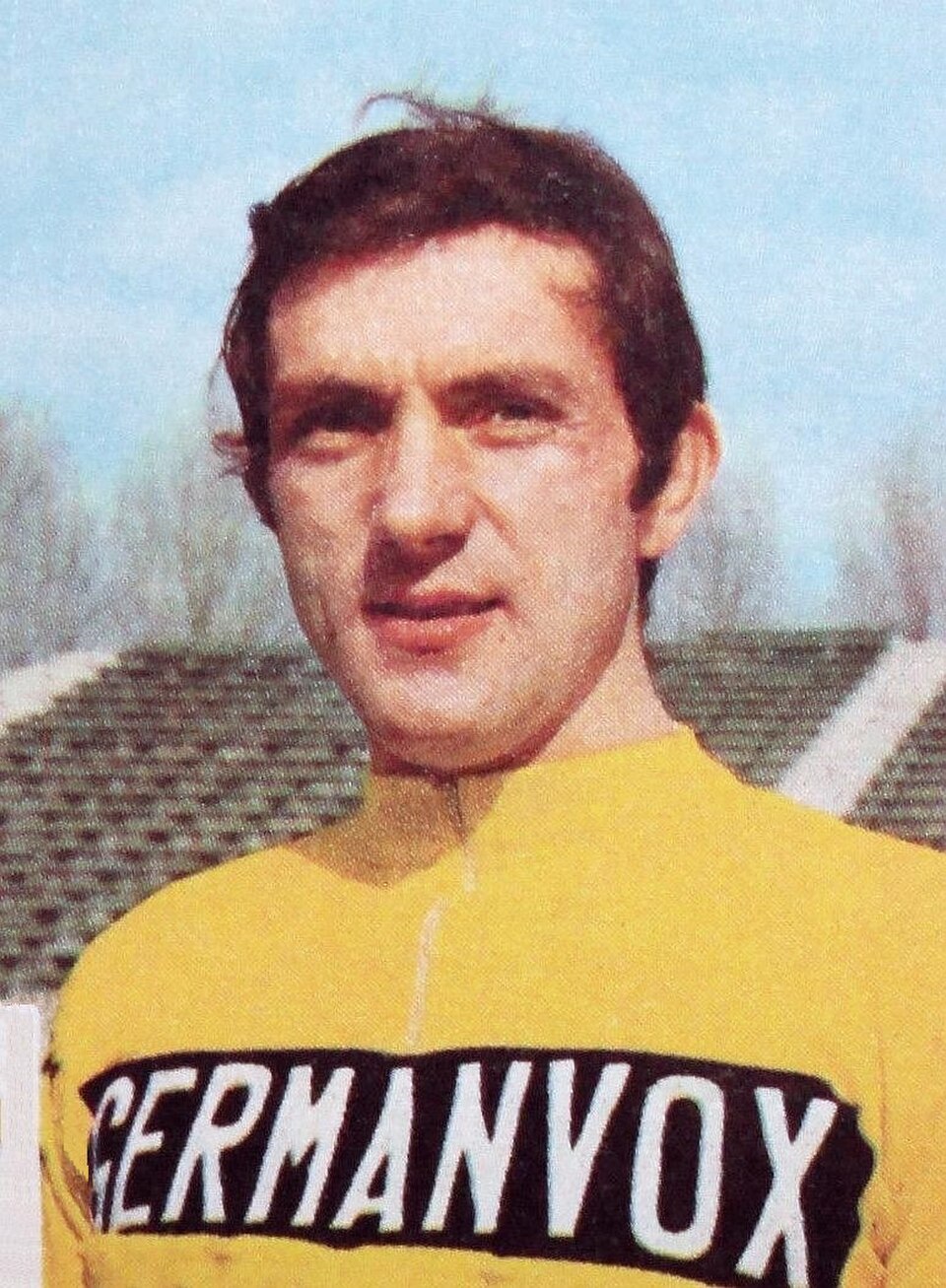
Ole Ritter's hour in Mexico City
On 10 October 1968, Ole Ritter rode farther in one hour than anyone before him. The thin air of Mexico City helped the speed, but it did not make the effort easier.
Read the story →
When television found the Tour
First came a live finish. In 1958 moving pictures arrived from the mountains, and a year later the helicopter joined the travelling television production.
Read the story →
When cycling became a control room
See the races, people, bicycles and changes that shaped the period.
Explore the period →