1978 · Story
Queen, the bicycle race and the bill for the saddles
A publicity race at Wimbledon Stadium supplied Queen with images and a later story about hired bicycle saddles.
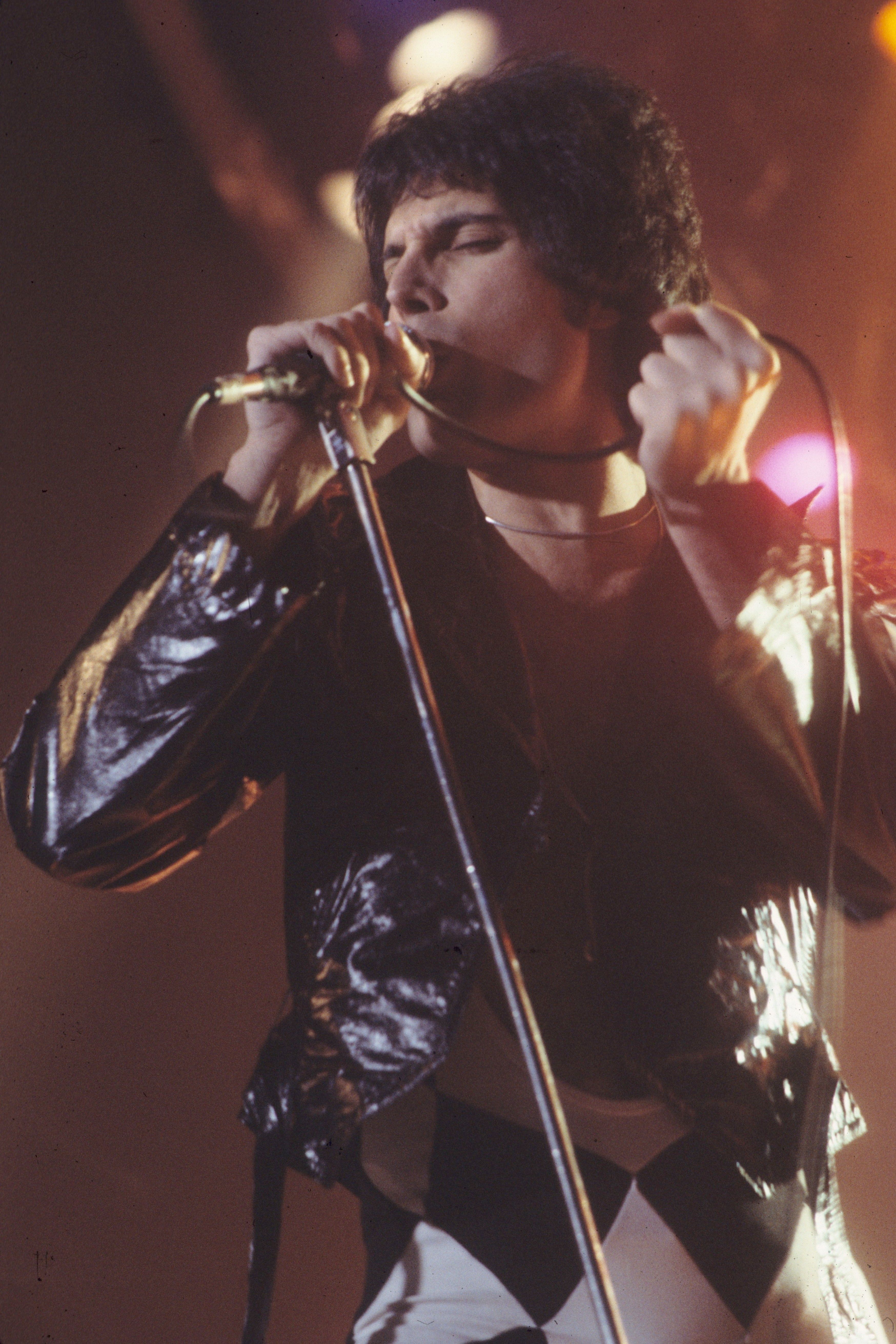
On 17 September 1978, Wimbledon Stadium in London hosted a bicycle race that would decide no championship. Pictures were being made for Queen. Sixty-five nude female models rode hired bicycles around the stadium track as part of the work surrounding Bicycle Race.
That is the unusual part people remember. The bicycles, however, also had ordinary lives beyond the camera. They had been hired for a production and were due back afterwards. Their return gave rise to the story that Queen had to pay for the saddles.
Press archives preserve photographs of the shoot with a place and date. Their descriptions call the demand for saddle payment something reported after the event. We do not have the invoice before us. That distinction matters when the anecdote grows online into a claim that the band had to buy every bicycle.
A bicycle in a record campaign
Bicycle Race was written by Freddie Mercury and appeared on Jazz. The single was paired with Brian May’s Fat Bottomed Girls. Both titles became part of the same autumn 1978 campaign, in which the music also needed images for sleeves and promotional films.
The Wimbledon shoot offered something very different from a concert photograph of four musicians onstage. Here were a field of riders, a track and movement for a camera to follow. The bicycle needed little explanation to work visually. The participants and circumstances made the image an advertisement for this particular song.
The material did not remain within a single format. Film and photographs could serve different purposes, with the music’s imagery reaching an audience through a record sleeve or a video. A day’s filming could supply several stages of the journey between band and record buyer.
The song’s origin is often traced to the Tour de France, which Mercury is said to have watched while working in Switzerland. That is a subsequently repeated story, not a scene we can recount with dialogue and precise moments. There is no need to invent a particular thought as the peloton passed him.
The double-sided single made its first appearance on the British singles chart on 28 October 1978.
The saddle stayed in the story
According to the account handed down, the hire firm demanded payment for the saddles after discovering how the bicycles had been used. That is quite different from saying every bicycle was sold to Queen. A saddle is a replaceable component; a complete bicycle would be a different bill.
The distinction is small enough to disappear as the anecdote travels. Yet it makes the ending more concrete. A production with a provocative visual idea had used ordinary hired equipment, and somebody afterwards had to consider the material returned to the supplier.
We do not know the amount of the bill here, or possess a verbatim response from the firm. No dialogue between band and supplier is therefore inserted. The story works without an invented, offended bicycle dealer. The reported demand for the saddles is curious enough.
What the camera left behind
Care is also needed with the pictures now attached to the story. A photograph of clothed participants on a track cannot automatically be presented as the nude shoot itself. A caption must fit the particular file, not merely the song title beside it.
Queen obtained its bicycle race on film and in photographs. The single was released, and the campaign entered the band’s history. The account also retains an object rather more modest than a stadium full of bicycles: the saddle the hire firm reportedly did not want returned.